
The journey by train from Boston to New York City is a quintessential American travel experience, offering a blend of efficiency, comfort, and scenic beauty that often surpasses other modes of transportation. For many travelers, the question isn’t just about the raw travel time, but the overall experience, the convenience of city-center to city-center travel, and the opportunity to relax rather than contend with traffic or airport security. Understanding the nuances of this popular route requires a look at the various services, factors influencing journey duration, and the unique aspects of train travel itself.

Navigating the Northeast Corridor: An Overview
The primary artery for rail travel between Boston and New York City is a segment of the historic Northeast Corridor. This bustling rail line, managed by Amtrak, serves as the backbone of intercity passenger rail in the northeastern United States, connecting major metropolitan hubs from Washington D.C. to Boston. The route between these two iconic cities is one of its busiest and most important sections, frequented by business travelers, tourists, and locals alike.
Amtrak operates several types of trains along this corridor, each with its own characteristics regarding speed, amenities, and number of stops. The choice of service significantly impacts the total travel time. Travelers can expect journey durations to range from approximately 3.5 hours for the fastest services to around 4.5 hours for standard routes, making it a competitive option when compared to the combined time of flying (including airport transfers and security) or battling traffic on the interstate. The charm of train travel lies in its ability to deliver passengers directly to the heart of their destination cities, avoiding the peripheral travel often associated with air or car journeys.
Journey Time Breakdown: What to Expect
The duration of your train trip from Boston to New York City hinges primarily on the specific Amtrak service chosen. Two main types of trains ply this route, each offering a distinct balance of speed, cost, and comfort.
Acela Express: The High-Speed Option
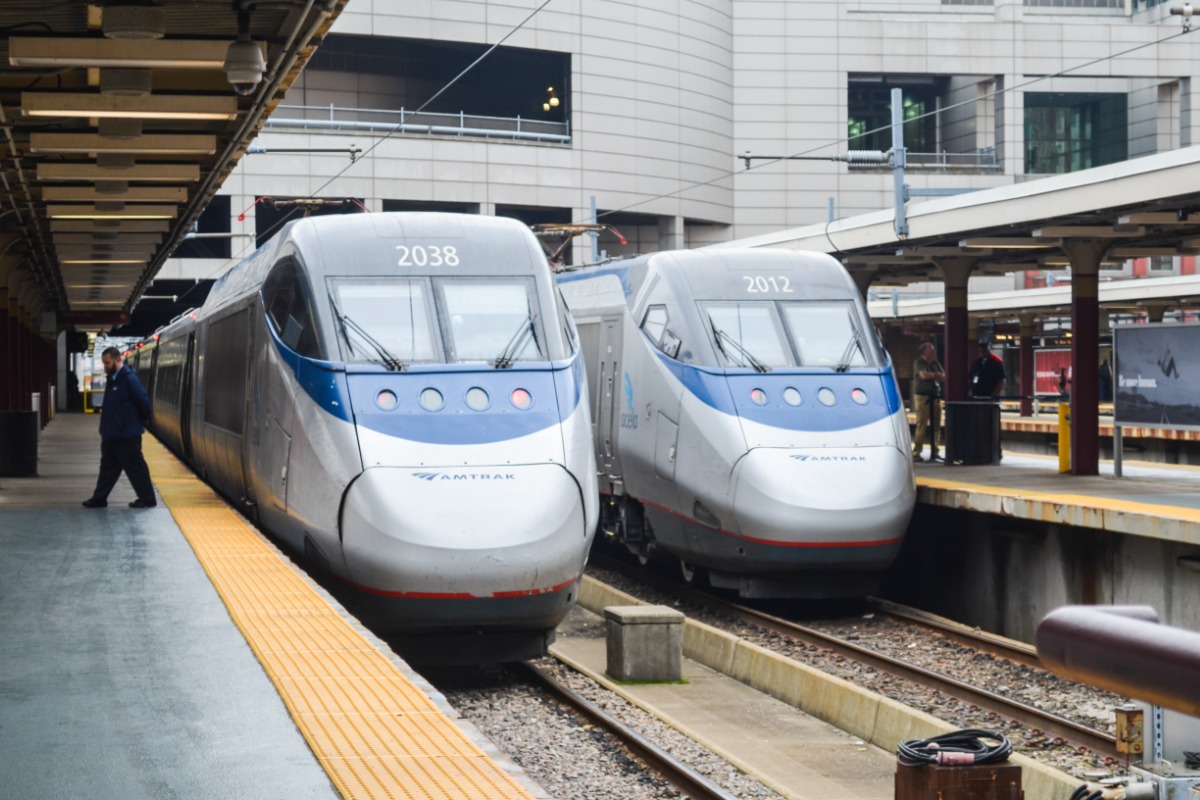
For those prioritizing speed and premium comfort, the Acela Express is the undisputed choice. As America’s only true high-speed rail service, the Acela Express is engineered for efficiency. It offers a quicker journey due to its higher top speeds and fewer intermediate stops.
- Typical Journey Time: An Acela Express train typically completes the Boston to New York City run in approximately 3 hours and 30 minutes to 3 hours and 50 minutes.
- Service and Amenities: Passengers on the Acela Express enjoy a more upscale experience. It features Business Class and First Class seating, offering extra spaciousness, more legroom, and enhanced amenities like complimentary at-seat food and beverage service in First Class. The quiet atmosphere and reliable Wi-Fi make it ideal for business travelers or anyone seeking a peaceful journey.
- Key Stops: While it makes fewer stops than other services, the Acela Express still typically calls at major cities such as Providence, New Haven, and Stamford, before arriving at New York Penn Station.
Northeast Regional: The Standard Service
The Northeast Regional service is Amtrak’s workhorse along the Northeast Corridor, providing a more frequent and generally more affordable option. While not as fast as the Acela Express, it offers a comfortable and reliable way to travel between the two cities.
- Typical Journey Time: A Northeast Regional train journey usually takes between 4 hours and 10 minutes to 4 hours and 30 minutes.
- Service and Amenities: This service provides both Coach Class and Business Class seating. Coach Class offers comfortable seating with ample legroom and power outlets, suitable for most travelers. Business Class provides slightly more spacious seating and complimentary non-alcoholic beverages. The Northeast Regional includes a Cafe Car where passengers can purchase snacks, meals, and beverages.
- Key Stops: The Northeast Regional makes more stops than the Acela Express, serving a wider array of communities along the route in Massachusetts, Rhode Island, and Connecticut, which contributes to its longer overall travel time.
Factors Influencing Travel Time
While the scheduled times provide a good estimate, several factors can subtly influence the actual duration of your train trip:
- Number of Stops: As detailed, fewer stops mean faster travel. The Acela Express is designed for minimal intermediate halts.
- Time of Day: Peak travel times can sometimes experience minor delays due to increased rail traffic, though Amtrak’s scheduling generally accounts for this.
- Track Work and Maintenance: Ongoing infrastructure improvements or unexpected track work can occasionally necessitate speed restrictions or reroutes, adding a few minutes to the journey.
- Weather Conditions: Severe weather, though less impactful on trains than on air travel, can sometimes cause slight delays, especially during heavy snow or ice.
The Experience Aboard: More Than Just a Ride
Beyond the strict timings, train travel from Boston to New York City offers a unique and often preferred travel experience. It’s an opportunity to unwind, be productive, or simply enjoy the journey itself.
Comfort and Amenities
Both Acela Express and Northeast Regional services are designed with passenger comfort in mind. You’ll find generous legroom, which is a significant advantage over economy air travel. Most seats come with power outlets, allowing you to charge devices, and Wi-Fi is generally available, though its speed can vary. The ability to move around the train, stretch your legs, or visit the Cafe Car on the Northeast Regional enhances the sense of freedom compared to being confined in a car or airplane seat. Acela Express also offers at-seat food and beverage service in First Class, elevating the dining experience. Furthermore, many trains feature “Quiet Cars,” where talking is discouraged, making them perfect for reading, working, or simply enjoying a peaceful journey.
Scenery Along the Way
One of the often-overlooked joys of this train route is the changing landscape outside your window. As the train departs Boston and heads south, passengers witness a transition from urban sprawl to charming New England towns, dense forests, and picturesque coastal vistas.
- Coastal Views: A significant portion of the journey through Connecticut runs directly alongside the Long Island Sound. Passengers are treated to stunning views of the water, passing boats, and quaint seaside communities.
- Rivers and Bridges: The train crosses numerous rivers and waterways, offering unique perspectives of historic bridges and riparian landscapes.
- Urban Transitions: Approaching New York City, the scenery shifts dramatically, with glimpses of industrial zones, vibrant neighborhoods, and finally, the impressive urban skyline. This gradual entry into the city provides an exciting prelude to arrival, a stark contrast to the abruptness of landing at an airport.
The ability to look out the window, observe the world passing by, and avoid the stresses of driving or flying contributes significantly to the overall appeal of train travel on this route.
Choosing Your Station: Departure and Arrival Points
The convenience of urban station locations is a major benefit of train travel, eliminating the need for lengthy transfers to and from airports.
Boston: South Station
For journeys to New York City, South Station is the primary departure point in Boston. Located in the heart of downtown Boston, it’s a bustling transportation hub with excellent connectivity:
- Accessibility: South Station is directly accessible via the MBTA Red Line subway and the Silver Line bus rapid transit. Numerous local buses also serve the station, making it easy to reach from virtually anywhere in the city and surrounding areas.
- Amenities: The station itself offers a range of amenities, including dining options, shops, restrooms, and waiting areas.
- North Station: While Boston North Station also serves some regional rail, all Amtrak services to New York City depart from South Station.
New York City: Penn Station
Upon arrival in New York City, trains pull into New York Penn Station, another major urban transportation nexus. Its central location in Midtown Manhattan is unparalleled:
- Moynihan Train Hall: Many Amtrak operations have recently shifted to the magnificent Moynihan Train Hall, a stunning, modern expansion across from the original Penn Station building. This new hall offers a bright, airy, and much-improved passenger experience with more space, better amenities, and enhanced accessibility.
- Connectivity: From Penn Station (or Moynihan Train Hall), travelers have immediate access to virtually all of New York City’s public transportation options, including multiple NYC Subway lines, local and express buses, and regional commuter rail services like the Long Island Rail Road and NJ Transit. This seamless transition from train to local transport is a key advantage, often placing you just a short walk or subway ride from your final destination.
Practical Tips for a Smooth Journey
To ensure your train trip from Boston to New York City is as enjoyable and efficient as possible, consider these practical tips:
- Book in Advance: Especially for the popular Acela Express service and during peak travel times (holidays, weekends), tickets can sell out or become more expensive closer to the departure date. Booking several weeks or even months ahead can secure better fares.
- Arrive Early: While not as stringent as airport check-ins, arriving at South Station about 30 minutes before departure gives you ample time to locate your platform, grab a coffee, and settle in without rushing.
- Luggage Policy: Amtrak has a generous luggage policy compared to airlines. Passengers can typically carry two personal items and two carry-on items onboard, often without additional fees, making it convenient for those with more luggage.
- Ticketing Options: Utilize Amtrak’s website or mobile app for easy booking and access to e-tickets. This streamlines the boarding process.
- Consider Loyalty Programs: If you travel frequently, enrolling in Amtrak Guest Rewards can earn you points for free travel and upgrades.
- Compare Modes of Transport:
- Bus: Bus travel is typically the cheapest option but also the longest, often taking 4.5 to 5.5 hours or more, subject to traffic.
- Flying: While the flight time is short (around 1 hour), the added time for airport transfers, security checks, and potential delays often makes the total journey time comparable to or even longer than the train, especially when factoring in the cost and inconvenience of reaching airports like Logan International in Boston or LaGuardia in New York.
- Driving: Driving offers flexibility, but the 200-mile journey can take 4-5 hours without traffic, plus the considerable cost and hassle of tolls, parking, and potential congestion in and around both cities.
Ultimately, the train provides an excellent balance of speed, comfort, cost, and convenience for travel between Boston and New York City. Whether you opt for the swift Acela Express or the reliable Northeast Regional, you are choosing a journey that prioritizes the passenger experience, delivering you to the heart of your destination refreshed and ready to explore.
LifeOutOfTheBox is a participant in the Amazon Services LLC Associates Program, an affiliate advertising program designed to provide a means for sites to earn advertising fees by advertising and linking to Amazon.com. Amazon, the Amazon logo, AmazonSupply, and the AmazonSupply logo are trademarks of Amazon.com, Inc. or its affiliates. As an Amazon Associate we earn affiliate commissions from qualifying purchases.