
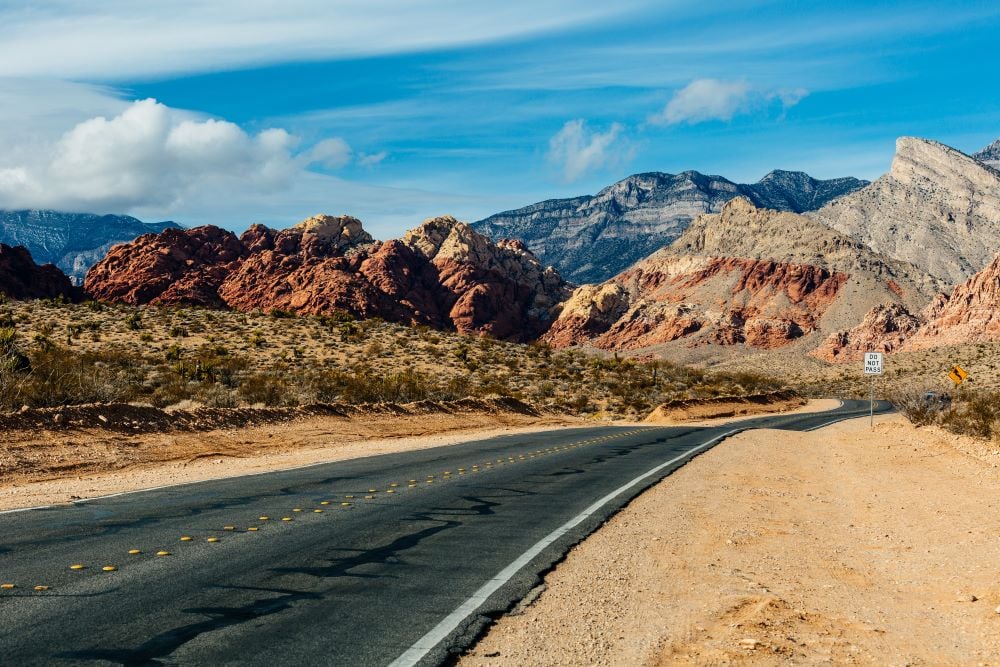
The journey between Los Angeles and Las Vegas is one of the most iconic road trips in the United States. Spanning roughly 270 miles through the heart of the Mojave Desert, this route is a rite of passage for residents of California and a popular excursion for international travelers. While the distance appears modest on a map, the reality of the drive is dictated by a unique set of variables, ranging from highway congestion to the unpredictable nature of desert traffic.
Understanding the Typical Drive Time
Under optimal, “best-case scenario” conditions—meaning no traffic, no construction, and a steady pace—a traveler can expect to reach Las Vegas from the Los Angeles metro area in approximately 4 to 4.5 hours. This timeframe assumes a departure from the eastern suburbs of Los Angeles (such as Riverside or San Bernardino) rather than the coastal neighborhoods like Santa Monica or Venice Beach, which can add an additional hour just to navigate city gridlock before even reaching the open desert.
The Impact of Peak Travel Times
The reality of this route is rarely “optimal.” Interstate 15, the primary artery connecting these two hubs, is famous for its extreme congestion. Travelers heading out on a Friday afternoon—the classic “Vegas getaway” window—can easily see their drive time balloon to 6 or 7 hours. Conversely, the return trip on a Sunday afternoon or a holiday Monday is notoriously sluggish, as thousands of visitors attempt to navigate the same stretch of highway back toward Southern California.
Navigating the “Vegas Bottleneck”
The most significant point of delay occurs in the Cajon Pass, a steep stretch of highway where heavy freight trucks and passenger vehicles converge. Once past this point, the road generally opens up, but traffic spikes frequently reappear near Barstow, Baker, and as you approach the Nevada border at Primm.
Optimizing Your Travel Strategy
To minimize time spent on the road, timing is everything. Strategic planning can turn a grueling ordeal into a manageable part of your vacation.
The Golden Hours for Departure
If your schedule allows, the best way to avoid the gridlock is to travel during off-peak hours. Leaving Los Angeles on a Tuesday or Wednesday morning before 8:00 AM generally guarantees a smooth transit. If you must travel on a weekend, opting for a departure before 7:00 AM on Friday or after 11:00 AM on Saturday can significantly reduce the probability of hitting a massive traffic jam.
Monitoring Real-Time Conditions
Modern navigation technology is an essential tool for this trip. Utilizing apps that provide real-time traffic updates is mandatory, as accidents on Interstate 15 can cause sudden, massive delays. Be prepared to check your route status before you merge onto the highway, as localized bottlenecks are common in the desert heat.
Essential Stops and Roadside Attractions
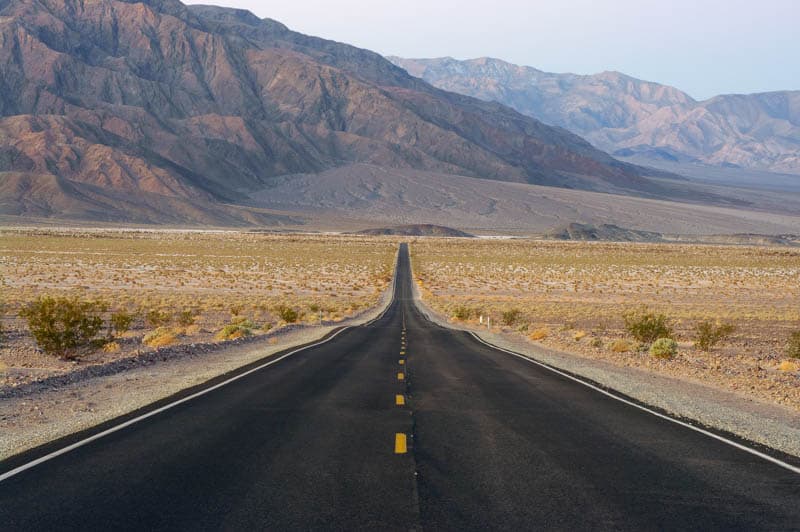
The drive from Los Angeles to Las Vegas is not just a transit segment; it is an opportunity to explore the high desert. While frequent stops increase your total travel time, they provide necessary relief from the monotony of the highway.
Quick Refueling and Rest Points
- Victorville: Located at the base of the Cajon Pass, this is often the last place to grab a quick meal before hitting the deeper desert stretches.
- Barstow: A vital crossroads. It serves as a major rest stop with numerous fast-food chains and service stations. It is also home to the Western America Railroad Museum for those looking for a cultural detour.
- Baker: Famous for the World’s Tallest Thermometer, this small town is an iconic stop for photos and a stretch.
Unique Desert Finds
For those with extra time, the Seven Magic Mountains art installation, located just south of Las Vegas, is a must-see. The vibrant, stacked boulders provide a stark contrast to the desolate landscape and are a popular spot for travelers looking to break up the final leg of their journey. Another popular, albeit brief, attraction is the Alien Fresh Jerky store in Baker, which lean heavily into the desert’s quirky, offbeat culture.
Safety and Preparation for the Desert Climate
Driving through the Mojave Desert requires a different level of vehicle preparedness than typical city driving. The environment is harsh, and temperatures can reach extremes, particularly in the summer months.
Vehicle Readiness
Before departing Los Angeles, ensure your vehicle is in good working order. Check your coolant levels, tire pressure, and battery health. The long, inclined stretches of highway—especially the climb out of the basin—can place a significant strain on engines.
Staying Hydrated and Prepared
Always carry extra water in the car. Should you experience a mechanical breakdown, you may find yourself waiting for roadside assistance in high-heat conditions without immediate shelter. Having a mobile phone charger, a first aid kit, and a basic emergency supply of non-perishable snacks is highly recommended.
Night Driving Considerations
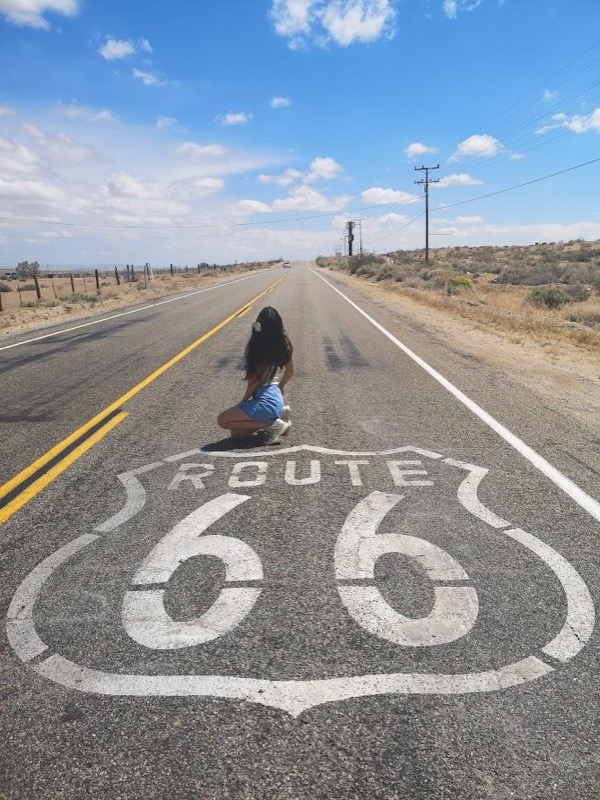
Many seasoned travelers prefer to drive at night to avoid the heat and the heaviest daytime traffic. While the road is well-lit in many sections, keep in mind that the desert can be exceptionally dark in others. Wildlife crossings, including desert tortoises or coyotes, are a reality in remote areas, so maintain an alert posture and keep your headlights clean and functional.
Ultimately, whether you make the trip in four hours or seven, the transition from the sprawl of California to the neon lights of the Las Vegas Strip is a quintessential American travel experience. By acknowledging the unpredictability of the Interstate 15 corridor and planning your departure times accordingly, you can ensure that the drive acts as a seamless bridge to your final destination, rather than a point of stress. Whether you are seeking a weekend of luxury at a top-tier resort or looking to explore the natural beauty surrounding the city, the drive is the first step in your Nevada adventure. Enjoy the desert scenery, keep an eye on the traffic maps, and prepare for the transition from the quiet desert plains to the vibrant, high-energy atmosphere of Las Vegas.
LifeOutOfTheBox is a participant in the Amazon Services LLC Associates Program, an affiliate advertising program designed to provide a means for sites to earn advertising fees by advertising and linking to Amazon.com. Amazon, the Amazon logo, AmazonSupply, and the AmazonSupply logo are trademarks of Amazon.com, Inc. or its affiliates. As an Amazon Associate we earn affiliate commissions from qualifying purchases.