
The journey between the golden shores of California and the bustling metropolis of New York represents one of the most frequently traversed transcontinental routes in the United States. Whether for business or leisure, understanding the duration of this significant flight is crucial for meticulous travel planning. While the precise answer can fluctuate based on numerous variables, a non-stop flight typically ranges from five to seven hours, transforming thousands of miles into a manageable air experience. This guide delves into the specifics, offering insights into what influences flight times and how best to prepare for this extensive aerial commute.
The Transcontinental Journey: An Overview of Flight Durations
Traversing the breadth of a continent is a remarkable feat of modern aviation, shrinking vast distances into hours. For the route between California and New York, the average non-stop flight duration hovers around 5.5 to 6.5 hours. However, this is an average, and several factors can nudge this number up or down.
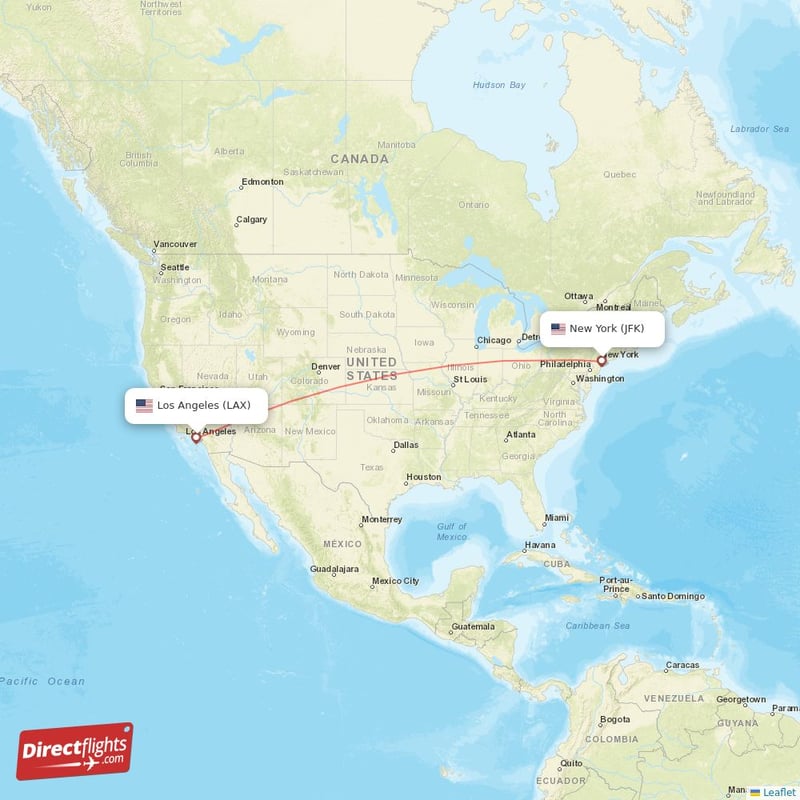
One of the primary determinants is the specific departure and arrival airports. For instance, a flight from Los Angeles International Airport (LAX) to John F. Kennedy International Airport (JFK) might have a slightly different average duration than one from San Francisco International Airport (SFO) to LaGuardia Airport (LGA) due to minor differences in great-circle distance and air traffic control routing.
Aircraft type also plays a subtle role. Modern, more efficient aircraft can sometimes maintain slightly higher cruising speeds or more direct routes, marginally reducing flight times. Weather conditions, particularly prevailing winds, are another significant factor. The powerful jet stream, a ribbon of strong winds flowing west to east, can significantly impact flight duration, making eastbound flights quicker and westbound flights longer. Air traffic control delays, common at major hubs like LAX, SFO, JFK, and Newark Liberty International Airport (EWR), can also extend the total time spent in the air or on the tarmac.
Decoding Flight Durations: Eastbound vs. Westbound
The direction of your flight between California and New York has a measurable impact on its duration, primarily due to the influence of the jet stream. Understanding this phenomenon is key to anticipating your travel time accurately.
Eastbound Flights to New York
When flying from California to New York, your aircraft often benefits from the prevailing west-to-east winds of the jet stream. This natural tailwind provides an extra push, effectively increasing the aircraft’s ground speed and reducing the overall flight time. As a result, eastbound non-stop flights are generally the quickest.
- Typical Non-Stop Duration: From major California hubs like Los Angeles or San Francisco to New York airports like JFK, LaGuardia, or Newark Liberty International Airport, you can expect a flight time in the range of 5 hours, 15 minutes to 5 hours, 45 minutes.
- Impact of Jet Stream: On days with particularly strong jet stream activity, it’s not uncommon for these flights to complete their journey in just over 5 hours. This aerodynamic advantage makes the eastbound leg feel considerably faster.
Westbound Flights to California
Conversely, when flying from New York back to California, aircraft typically fly against the powerful headwind of the jet stream. This resistance effectively slows the aircraft’s ground speed, requiring more time to cover the same distance.
- Typical Non-Stop Duration: Non-stop flights from New York area airports to major California cities like Los Angeles or San Francisco usually take between 6 hours to 6 hours, 30 minutes.
- Fighting the Jet Stream: While half an hour might not seem like a significant difference, it’s notable enough to be factored into travel plans, especially when connecting flights or scheduled appointments immediately follow arrival. Passengers often perceive this as a longer journey due to the added time, making good preparation for comfort even more important.
Beyond Non-Stop: The Reality of Connecting Flights
While non-stop flights offer the most direct and generally quickest way to travel between California and New York, they are not always the most practical or economical option. Connecting flights, though adding to the overall travel time, can sometimes offer more flexibility in scheduling or significant cost savings.
Connecting flights involve at least one stop, where passengers disembark from one aircraft and board another. The total travel time for a connecting flight encompasses the flight segments plus the duration of the layover(s).
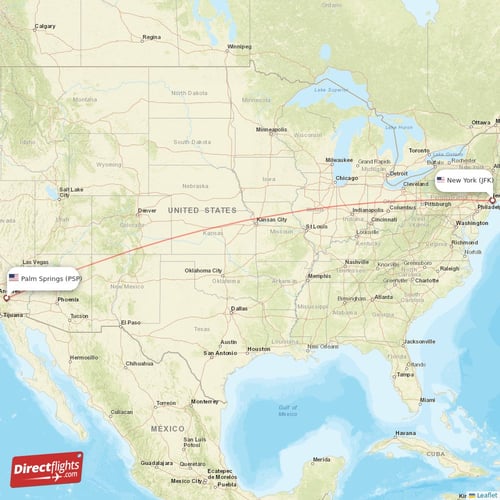
- Common Layover Hubs: Many cross-country flights with layovers utilize major airports in the central United States. Popular connecting hubs include Chicago O’Hare International Airport (ORD), Denver International Airport (DEN), Dallas/Fort Worth International Airport (DFW), Phoenix Sky Harbor International Airport (PHX), and Atlanta Hartsfield-Jackson International Airport (ATL).
- Impact on Total Travel Time: The layover duration is the most variable component. A short, efficient layover might add just an hour or two to the total journey, bringing the overall travel time to 7-9 hours. However, longer layovers, sometimes strategically chosen for overnight stays or to access cheaper fares, can extend the total travel time significantly, often ranging from 10 to 15 hours or more.
- Tips for Minimizing Layover Stress: When opting for connecting flights, it’s advisable to choose layovers that are long enough to comfortably make your connection without rushing, typically 1.5 to 2 hours for domestic flights. Avoid excessively short layovers (under an hour), as delays on the first leg can lead to missed connections. Conversely, overly long layovers can be tiring and unproductive. Utilizing airport lounges, if accessible, can make longer layovers more comfortable. Always check the departure gate for your connecting flight as soon as you land to navigate the airport efficiently.
Maximizing Comfort and Managing Time Zones
A transcontinental flight of 5-7 hours, while not excessively long, still requires preparation to ensure a comfortable journey and smooth adjustment upon arrival. The three-hour time difference between California’s Pacific Time Zone and New York’s Eastern Time Zone also necessitates strategies to mitigate jet lag.
Preparing for a Long Haul
Thoughtful packing and in-flight habits can significantly enhance your travel experience.
- Seat Selection: If possible, select your seat in advance. A window seat offers views and a place to lean, while an aisle seat provides easier access for stretching and restroom breaks. For those seeking maximum comfort, exit row or bulkhead seats offer extra legroom, though they come with specific restrictions.
- In-Flight Entertainment: Most major airlines offer robust in-flight entertainment systems. However, it’s wise to have your own downloaded movies, TV shows, podcasts, or books as a backup, particularly if you have specific preferences or wish to conserve device battery.
- Hydration and Movement: The dry cabin air can lead to dehydration. Drink plenty of water before and during your flight, and limit caffeine and alcohol. Periodically get up to walk around the cabin, and perform simple stretches in your seat to maintain circulation and prevent stiffness.
- Packing Essentials: A neck pillow, eye mask, and noise-cancelling headphones can create a personal sanctuary for rest. Pack essential toiletries, any necessary medications, and a light layer of clothing, as cabin temperatures can vary. A portable charger for your electronic devices is also invaluable.
Conquering Jet Lag
Adjusting to a three-hour time difference can disrupt your body’s natural circadian rhythm. Proactive measures can help minimize the effects of jet lag.
- Pre-Adjusting: A day or two before your eastbound flight to New York, try to shift your sleep schedule by going to bed an hour or two earlier than usual. For westbound flights to California, shift later. Even minor adjustments can help.
- Light Exposure: Upon arrival, expose yourself to natural light during the day to signal to your body that it’s daytime in your new location. Avoid bright lights in the hours leading up to your desired bedtime.
- Meal Times: Try to eat meals according to the local time zone immediately upon arrival. This helps to reset your internal clock.
- Arrival Tips: Resist the urge to nap for too long if you arrive early in the day. Instead, try to stay awake until a reasonable local bedtime. Hydrate, and avoid heavy meals or excessive alcohol on your first day. A short, brisk walk outdoors can also help re-energize and acclimate.
Choosing Your Departure and Arrival Hubs
Selecting the right airports in both California and New York can significantly influence not only the perceived flight duration but also the overall convenience and cost of your journey. Each major hub offers distinct advantages and considerations.
Major California Airports
California is home to several large international airports that serve as primary departure points for transcontinental travel.
- Los Angeles International Airport (LAX): As one of the busiest airports globally, LAX offers the most frequent and diverse range of flights to New York. It’s a major hub for numerous airlines, providing competitive pricing and scheduling options. Its vast size can mean longer walks between gates, but its connectivity is unparalleled.
- San Francisco International Airport (SFO): Located north of Los Angeles, SFO is another vital gateway, particularly popular with travelers from Northern California and the Silicon Valley. It boasts excellent public transportation links to San Francisco and the wider Bay Area.
- San Diego International Airport (SAN): Serving Southern California just north of the Mexican border, SAN offers a more relaxed experience than LAX with fewer direct flights but growing service. Travelers from San Diego can often find non-stop options to New York.
- Oakland International Airport (OAK): A more budget-friendly alternative to SFO for travelers in the East Bay and Central Valley. While offering fewer direct international routes, it maintains a strong domestic presence, including non-stop flights to New York on some carriers.
- Sacramento International Airport (SMF): Serving the state capital, SMF provides convenient access for travelers in Central California. It typically has fewer direct transcontinental flights compared to LAX or SFO, but options do exist, often at competitive prices.

Major New York Area Airports
The New York metropolitan area is serviced by three major airports, each with unique characteristics and preferred by different types of travelers.
- John F. Kennedy International Airport (JFK): The largest and most internationally focused of the New York airports, JFK is a major hub for transcontinental flights. It offers extensive services and connections, though it can be further from Manhattan than LaGuardia. Good public transit options, including the AirTrain, connect to the subway system.
- LaGuardia Airport (LGA): LGA is the closest airport to Manhattan and primarily handles domestic flights. While traditionally older, it has undergone significant modernization. Its proximity makes it convenient for many, though it can be prone to delays due to its busy airspace and previous infrastructure limitations. Direct non-stop flights from California are common here.
- Newark Liberty International Airport (EWR): Located in New Jersey but serving the New York area, EWR is a major hub for United Airlines and a popular choice for many transcontinental travelers. It offers excellent rail connections to both Manhattan and other parts of New Jersey, making it a viable alternative to JFK or LGA, especially for those whose final destination is on the west side of Manhattan or in New Jersey.
When choosing your airports, consider not just the flight duration, but also the total journey time from your origin to your final destination, including ground transportation. Cost of flights, proximity to your actual starting point and endpoint, and convenience of public transport or ride-shares are all crucial factors in making the best travel decision for your California to New York trip.
LifeOutOfTheBox is a participant in the Amazon Services LLC Associates Program, an affiliate advertising program designed to provide a means for sites to earn advertising fees by advertising and linking to Amazon.com. Amazon, the Amazon logo, AmazonSupply, and the AmazonSupply logo are trademarks of Amazon.com, Inc. or its affiliates. As an Amazon Associate we earn affiliate commissions from qualifying purchases.