
Embarking on a journey from Chicago to Japan is a significant undertaking, spanning thousands of miles across the Pacific Ocean and multiple time zones. For travelers originating from the heart of the United States, understanding the intricacies of this long-haul flight is crucial for meticulous planning and a comfortable travel experience. The total duration of your trip will hinge on a multitude of factors, from the specific airports involved to whether you opt for a direct or connecting flight.
Understanding the Trans-Pacific Journey
The air distance between Chicago and major Japanese cities like Tokyo is approximately 6,000 to 6,200 miles (around 9,600 to 10,000 kilometers). This vast distance inherently dictates a substantial flight time, placing this route firmly in the category of ultra-long-haul travel. Direct flights are the most efficient way to cover this distance, but connecting flights often provide more flexibility in terms of scheduling and cost, albeit at the expense of a longer total travel time.
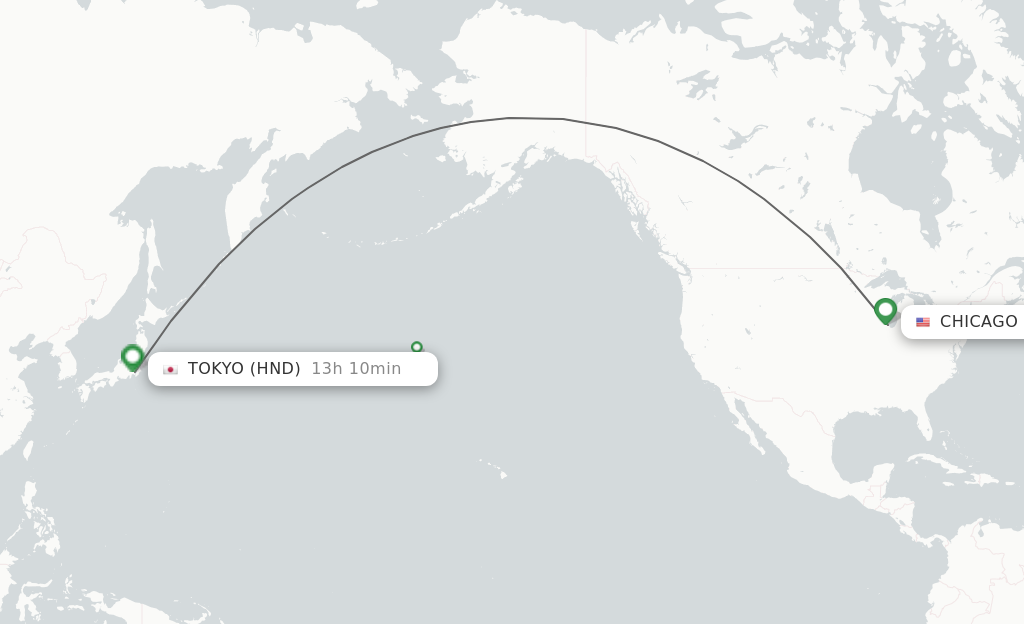
The primary gateways from Chicago for international travel are typically from O’Hare International Airport (ORD). In Japan, the most common arrival points are Narita International Airport (NRT) and Haneda Airport (HND) in Tokyo, and Kansai International Airport (KIX) serving the Osaka-Kyoto region. Each of these airports serves as a major international hub, offering various airline options and onward connections within Japan.
Key Factors Influencing Flight Duration
Several critical elements conspire to determine the actual time you’ll spend in transit from Chicago to Japan. Being aware of these can help in making informed decisions when booking your flight.
Direct vs. Connecting Flights
The most significant differentiator in flight time is whether your journey involves a direct (non-stop) flight or one or more layovers.
- Non-Stop Flights: These offer the fastest travel times, as there are no intermediate stops. The entire journey is completed on a single aircraft or with a quick plane change at the same airport without exiting customs.
- Connecting Flights: These involve at least one stop, usually in another major international hub. Common connection points for flights from the United States to Japan might include other major US cities like Los Angeles, San Francisco, Seattle, or even other Asian hubs like Seoul, Taipei, or Hong Kong. Each layover adds several hours to the total journey, including taxiing, disembarking, waiting for the next flight, and re-boarding.
Specific Departure and Arrival Airports
While O’Hare International Airport is the primary departure point from Chicago, the specific arrival airport in Japan can slightly alter flight times. Flights to Tokyo-Narita (NRT) and Tokyo-Haneda (HND) typically have similar flight durations from Chicago, as both serve the greater Tokyo metropolitan area. Destinations further south, such as Fukuoka or Okinawa, would generally require an additional domestic flight within Japan after arriving at an international hub.
Aircraft Type and Airspace Considerations
Modern long-haul aircraft, such as the Boeing 787 Dreamliner, Boeing 777, or Airbus A350, are designed for efficiency and speed over long distances. While there isn’t a massive difference in cruising speed between these jets, newer models often allow for more direct routes due to better fuel efficiency and range. Air traffic control restrictions and the need to avoid certain airspaces can also lead to minor deviations in flight paths, subtly influencing the total time.
Wind Patterns and Jet Streams
A significant, though often unnoticed, factor is the impact of prevailing wind patterns, particularly the jet stream. Flights heading eastbound (from Japan to Chicago) often benefit from tailwinds, making the journey shorter. Conversely, westbound flights (from Chicago to Japan) typically fly against headwinds, which can add anywhere from 30 minutes to over an hour to the flight duration. Airlines factor these atmospheric conditions into their flight planning, but actual conditions on the day of travel can still cause variability.
Typical Flight Durations and Routes
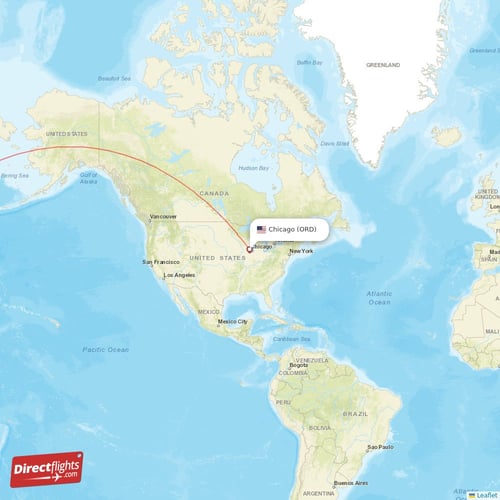
When planning your trip, you can expect flight times to fall within certain ranges, depending on your chosen itinerary.
Non-Stop Options
Currently, direct flights from O’Hare International Airport (ORD) to major Japanese airports like Narita International Airport (NRT) or Haneda Airport (HND) typically range from 12 hours to 13 hours and 30 minutes. Airlines that historically or currently offer direct services on this route include United Airlines, Japan Airlines, and All Nippon Airways (ANA). These are the quickest ways to reach Japan from Chicago.
Common Connecting Routes
If a direct flight isn’t available, or if you find a more competitive fare with a layover, connecting flights are a popular alternative. The total travel time for these options will vary significantly based on the layover city and the duration of your stop.
- Connecting via US Hubs: Flights often connect through major US West Coast airports such as Los Angeles International Airport (LAX), San Francisco International Airport (SFO), or Seattle-Tacoma International Airport (SEA).
- Chicago to West Coast: 3-5 hours
- Layover: 2-6+ hours
- West Coast to Japan: 9-11 hours
- Total Travel Time: Expect anywhere from 16 to 24+ hours for these itineraries. Airlines like American Airlines, Delta Air Lines, and United Airlines frequently operate these routes.
- Connecting via Asian Hubs: Some itineraries might connect through other major Asian cities, especially if you’re flying with an Asian carrier. Common hubs include Seoul Incheon International Airport (ICN) in South Korea (via Korean Air, Asiana Airlines), Taipei Taoyuan International Airport (TPE) in Taiwan (via EVA Air, China Airlines), or even Hong Kong International Airport (HKG) (via Cathay Pacific).
- Chicago to Asian hub: 13-15 hours
- Layover: 2-8+ hours
- Asian hub to Japan: 2-4 hours
- Total Travel Time: These can range from 18 to 28+ hours, depending heavily on the layover duration.
For destinations beyond Tokyo or Osaka, such as Nagoya (Chubu Centrair International Airport), Sapporo (New Chitose Airport in Hokkaido), or Hiroshima, you would add the time for a connecting domestic flight within Japan (typically 1-3 hours).
Navigating the Long-Haul Experience
A flight of this duration demands thoughtful preparation to ensure a comfortable and healthy journey.
Time Zone Adjustments and Jet Lag
Japan operates on Japan Standard Time (JST), which is 14 hours ahead of Chicago’s Central Standard Time (CST) and 13 hours ahead during Daylight Saving Time. This significant time difference means you will “lose” a day flying westbound. Jet lag is almost inevitable, manifesting as fatigue, disorientation, and sleep disturbances. To mitigate this:
- Adjust your sleep schedule gradually in the days leading up to your flight.
- Hydrate frequently with water and avoid excessive alcohol and caffeine.
- Try to sleep on the plane, especially during what would be nighttime in Japan.
- Upon arrival, expose yourself to natural light and try to stick to the local schedule immediately.
In-Flight Comfort and Entertainment
Long flights require strategies for comfort.
- Seating: If possible, consider splurging on premium economy or business class for more space and amenities. If in economy, select an aisle seat for easier movement.
- Movement: Get up and walk around the cabin every few hours to promote circulation and prevent stiffness. Perform simple stretches in your seat.
- Attire: Wear loose-fitting, comfortable clothing and layers, as cabin temperatures can fluctuate.
- Essentials: Pack a small bag with noise-canceling headphones, an eye mask, earplugs, a travel pillow, and any personal medications.
- Entertainment: Utilize the in-flight entertainment system, but also bring your own loaded devices (tablet, e-reader) with movies, shows, or books to combat boredom.
Preparing for Arrival
Before you land, ensure you have all necessary documentation readily accessible. This includes your passport, visa (if required for your nationality), and any arrival forms that the airline provides. Familiarize yourself with the layout of your arrival airport, especially if you have an onward connection within Japan or need to navigate public transportation to your final destination in Tokyo, Osaka, or elsewhere. Having some local currency (Japanese Yen) on hand for immediate expenses like train tickets or snacks can also be helpful.
Planning Your Trip to Japan from Chicago
When planning your journey from Chicago to Japan, remember that flexibility is key. Flight prices and availability can vary significantly by season, with peak travel times (spring for cherry blossoms, autumn for fall foliage) often seeing higher demand and fares. Booking in advance, being open to different connection points, and considering travel during the shoulder seasons can lead to more economical and smoother travel. Ultimately, the flight itself is an integral part of the adventure, offering a gateway to the rich culture and stunning landscapes that await you in Japan.
LifeOutOfTheBox is a participant in the Amazon Services LLC Associates Program, an affiliate advertising program designed to provide a means for sites to earn advertising fees by advertising and linking to Amazon.com. Amazon, the Amazon logo, AmazonSupply, and the AmazonSupply logo are trademarks of Amazon.com, Inc. or its affiliates. As an Amazon Associate we earn affiliate commissions from qualifying purchases.