
Understanding the Safety Net for California Accommodation Providers
Operating any form of accommodation in California, whether it’s a boutique hotel, a charming bed and breakfast, a series of vacation rentals, or long-term residential properties, inherently involves a complex web of responsibilities, not least among them securing adequate property insurance. However, for many property owners in the Golden State, particularly those situated in areas susceptible to natural perils like wildfires, obtaining or maintaining conventional property insurance has become an increasingly daunting challenge. This is where the California Fair Plan steps in, acting as a crucial insurer of last resort.
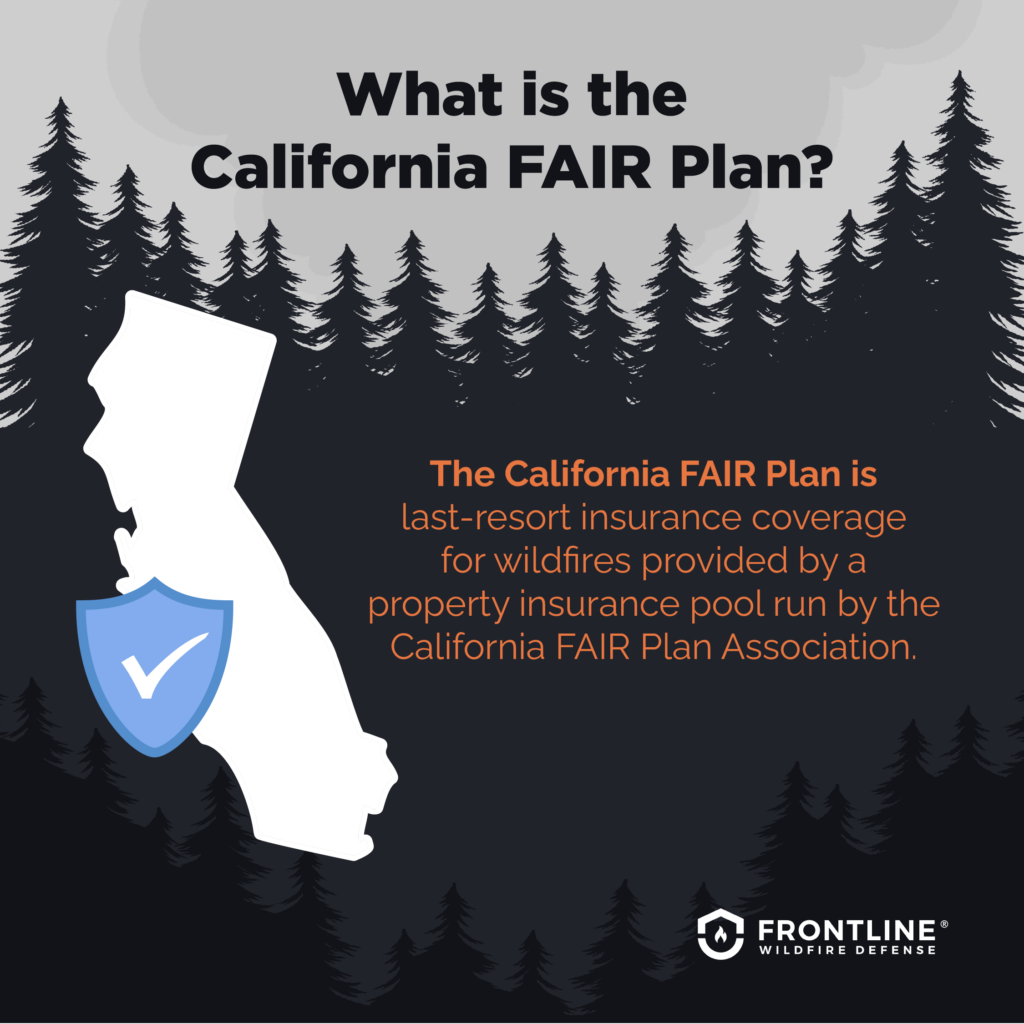
The California Fair Plan (formally the California Fair Plan Association) is an insurance pool established by state law. Its fundamental purpose is to ensure that basic property insurance coverage remains available to all qualified property owners, including those who provide accommodation, when traditional private insurance markets are either unavailable or unaffordable. It serves as a vital safety net, preventing property owners from being forced to operate uninsured, a precarious situation that could jeopardize their investment, their business, and the safety of their guests or tenants. For owners of rental properties, small inns, or vacation homes located in regions deemed high-risk by private carriers, understanding the intricacies of the Fair Plan is not just beneficial—it’s often essential.
The Mandate and Its Scope
Established in 1968, the California Fair Plan was a response to widespread property insurance availability issues following civil unrest and, more recently, has become increasingly relevant due to the escalating threat of wildfires and other natural disasters. Its mandate is clear: to provide basic property insurance coverage for the peril of fire, including damage from wildfire, smoke, explosion, and lightning.
It’s critical for accommodation providers to grasp that the Fair Plan is designed to offer a basic policy. Unlike comprehensive policies offered by private insurers, it typically doesn’t encompass a wide array of perils or provide the extensive ancillary coverages that many commercial property owners might expect or require. However, it does offer crucial protection against the most devastating and common risks to structures in California. Property owners can usually add extended coverage for perils like windstorm, hail, riot, civil commotion, aircraft, vehicles, and volcanic eruption, as well as vandalism and malicious mischief, to their basic Fair Plan policy.
Who Needs the California Fair Plan for Their Accommodation?
The need for the California Fair Plan is predominantly driven by market conditions and geographic risk factors. For those managing or owning accommodation properties, specific scenarios often necessitate turning to the Fair Plan.
Property Owners in High-Risk Zones
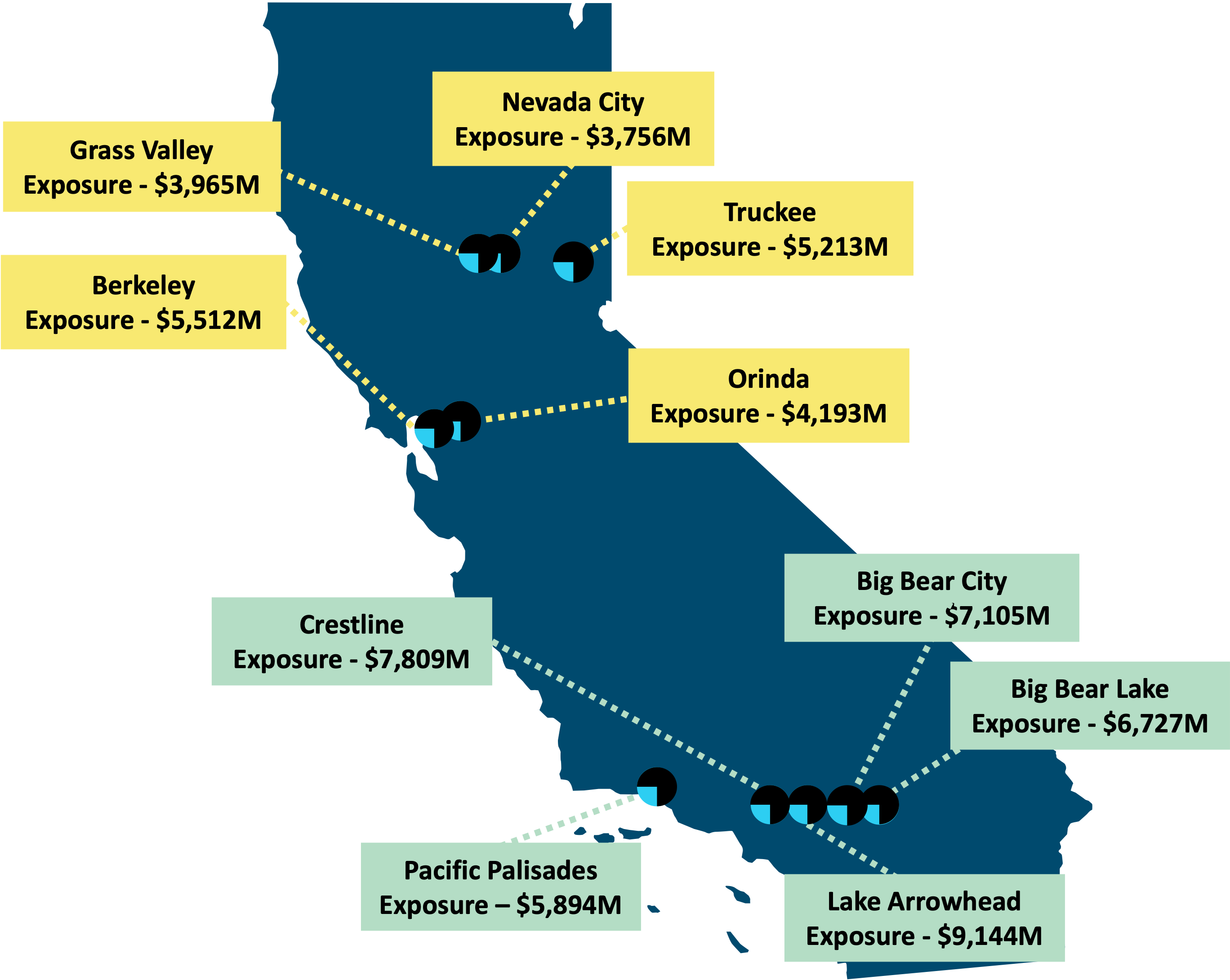
Perhaps the most common demographic to utilize the Fair Plan are property owners situated in areas highly susceptible to natural disasters, particularly wildfires, which have become an unfortunately regular occurrence across California. Many private insurance companies have either ceased writing new policies or have drastically increased premiums and non-renewed existing policies in vast swathes of the state, especially in the wildland-urban interface (WUI). For instance, a vacation rental owner in the scenic but fire-prone Santa Cruz Mountains, a resort operator near Lake Tahoe, or a landlord with properties in inland California may find themselves with limited to no options from traditional carriers. The Fair Plan ensures that these individuals can still secure essential fire coverage to protect their assets.
Those Non-Renewed by Private Insurers
Even properties that have historically been insured by private carriers can find themselves suddenly dropped. Insurers often reassess their risk exposure based on changing climate models, historical loss data, or even company-specific underwriting guidelines. When a private insurer issues a non-renewal notice, property owners, including those running successful accommodation businesses, are often left scrambling to find new coverage. The Fair Plan provides a crucial bridge during this challenging period, ensuring continuous coverage while the owner explores long-term solutions or mitigates risks.
Properties with Unique Characteristics
Beyond geographic risk, certain property characteristics can also make it difficult to obtain traditional insurance. Older buildings, properties utilizing specific construction materials that are less fire-resistant, or those in extremely remote locations that pose access challenges for emergency services might also face rejections from standard insurers. For accommodation providers whose properties fall into these categories, the Fair Plan offers an accessible pathway to basic structural protection.
Distinguishing Fair Plan from Standard Policies
It is paramount to understand that a Fair Plan policy is not a substitute for a comprehensive commercial property or landlord insurance policy.
- Coverage Limitations: The core Fair Plan policy is primarily focused on fire, wildfire, smoke, explosion, and lightning. While valuable, this leaves significant gaps.
- Add-on Options: As mentioned, brushfire, extended coverage for other perils, and vandalism/malicious mischief can be added.
- Absence of Key Coverages: A standard Fair Plan policy does not typically include liability coverage, theft, water damage (unless directly caused by a covered peril like fire extinguishing efforts), or business interruption. For an accommodation provider, these are critical components of a robust insurance strategy. This means that while the structure is protected against fire, the business itself remains exposed to numerous other risks, necessitating additional, complementary policies.
Navigating the Application Process for Accommodation Providers
Applying for the California Fair Plan can seem daunting, but it’s a streamlined process designed to ensure coverage for those in need. For accommodation providers, understanding this process is key to timely protection.
Working with an Agent
The California Fair Plan does not sell policies directly to the public. All applications must be submitted through a licensed California insurance agent or broker. This is a significant advantage for accommodation owners, as a knowledgeable broker can guide them through the specific requirements, explain coverage nuances, and help identify any additional insurance needs. An experienced agent understands the unique risks associated with commercial properties and can ensure all necessary documentation is correctly prepared.
Required Documentation
Applicants will typically need to provide detailed information about their property, including its location, construction type, square footage, and year built. Information regarding previous insurance coverage, including any non-renewal notices, will also be required. For accommodation businesses, details about the nature of the business (e.g., hotel, short-term rental, long-term rental) and occupancy rates might also be pertinent. The more comprehensive and accurate the information provided, the smoother the application process will be.
Inspection Process
As part of the underwriting process, the Fair Plan may conduct an inspection of the property to assess its risk factors, particularly concerning fire hazards. This might involve evaluating defensible space around the property, the condition of the roof, and the proximity to brush or wildlands. It’s an opportunity for property owners to demonstrate any mitigation efforts they’ve undertaken to reduce risk, which could potentially influence coverage terms or eligibility.
The Cost Factor and Premiums

Premiums for Fair Plan policies are determined by various factors, including the property’s location (especially its fire risk rating), construction materials, replacement cost, and the specific coverages chosen. While the Fair Plan is a market of last resort, its premiums are not necessarily lower than those from private carriers. In many cases, because it covers properties that private insurers deem too risky, the premiums can be higher for basic fire coverage, reflecting the elevated risk profile. For accommodation businesses, budgeting for these premiums is a crucial operational cost that directly impacts profitability and financial planning.
Complementary Coverage: Bridging the Gaps for Accommodation
Relying solely on a California Fair Plan policy is insufficient for most accommodation providers. Given its limited scope, property owners must actively seek out complementary insurance products to build a truly comprehensive risk management strategy.
“Difference in Conditions” (DIC) Policies
To address the significant gaps left by the Fair Plan, many accommodation owners purchase “Difference in Conditions” (DIC) policies from private carriers. These supplemental policies are specifically designed to cover perils not included in the basic Fair Plan policy, such as theft, water damage (from burst pipes, leaks, etc.), earthquake, and sometimes liability. A DIC policy effectively wraps around the Fair Plan coverage, providing a more robust shield against a broader spectrum of risks.
General Liability Insurance
For any business that hosts guests or tenants, general liability insurance is non-negotiable. The Fair Plan does not provide liability coverage. General liability protects the accommodation provider from claims of bodily injury or property damage that occur on their premises. This is crucial for hotels, B&Bs, and vacation rentals, where guest safety is paramount.
Business Interruption Insurance
Should a covered peril, like a wildfire, render an accommodation property uninhabitable or inaccessible, business interruption insurance (also known as business income insurance) can be a lifeline. This coverage replaces lost income and covers ongoing operating expenses (like payroll) while the property is being repaired or rebuilt, ensuring the business can survive and eventually resume operations. This is not offered by the Fair Plan.
Commercial Property Insurance (for perils not covered by Fair Plan)
While the Fair Plan covers fire, other elements of commercial property insurance, such as coverage for equipment breakdown, interior damage from non-fire perils, or even exterior structural elements not impacted by fire, still need to be considered from private markets or specialized policies.
Landlord Insurance (for residential rentals)
For those managing long-term residential rentals, specific landlord insurance policies typically provide additional protections not covered by the Fair Plan, such as loss of rent due to tenant issues, damage caused by tenants, or liability specific to a landlord-tenant relationship.
Ensuring Comprehensive Protection
The key to safeguarding an accommodation business in California is to work closely with an experienced insurance professional. They can help piece together a complete insurance portfolio, combining the essential fire coverage from the California Fair Plan with critical supplementary policies from private carriers. This integrated approach ensures that the property, the business’s assets, its income stream, and its liability exposures are all adequately protected, allowing owners to focus on providing exceptional experiences for their guests or residents.
The Future of Property Insurance in California’s Accommodation Sector
The landscape of property insurance in California, particularly for accommodation providers, is continuously evolving. Climate change continues to fuel more intense and frequent natural disasters, putting immense pressure on both private insurers and the Fair Plan itself.
Challenges
The increasing frequency and severity of wildfires, coupled with rising construction costs, mean that property values and the potential for large-scale losses are growing. This prompts private insurers to withdraw or significantly increase rates, further expanding the role of the Fair Plan. The challenge lies in ensuring the Fair Plan remains solvent and capable of fulfilling its mission while mitigating the financial burden on policyholders.
Adaptation for Accommodation Providers
Owners of hotels, vacation rentals, and other accommodation properties must proactively adapt. This includes investing in wildfire mitigation efforts, such as creating defensible space, using fire-resistant building materials, and maintaining vegetation. Such efforts not only reduce risk but can also make properties more attractive to private insurers or potentially lower Fair Plan premiums.
Policy Discussions
California regulators and lawmakers are actively engaged in discussions to address the state’s insurance crisis. These efforts aim to stabilize the private insurance market, enhance the Fair Plan’s capabilities, and explore innovative solutions for risk reduction and insurance availability. Accommodation providers should stay informed about these policy changes, as they can significantly impact their operational costs and risk management strategies.
Best Practices for Owners
For accommodation owners, best practices include:
- Mitigation Efforts: Continuously investing in property upgrades and maintenance that reduce vulnerability to natural disasters.
- Regular Reviews: Periodically reviewing insurance policies with a trusted broker to ensure coverage remains adequate and aligned with current market conditions and property values.
- Financial Planning: Building reserves or having contingency plans for potential uninsured losses or significant premium increases.
By understanding the vital role of the California Fair Plan and proactively addressing their comprehensive insurance needs, accommodation providers in California can better protect their investments, ensure the safety of their guests, and sustain their businesses amidst the state’s unique and challenging environment.
LifeOutOfTheBox is a participant in the Amazon Services LLC Associates Program, an affiliate advertising program designed to provide a means for sites to earn advertising fees by advertising and linking to Amazon.com. Amazon, the Amazon logo, AmazonSupply, and the AmazonSupply logo are trademarks of Amazon.com, Inc. or its affiliates. As an Amazon Associate we earn affiliate commissions from qualifying purchases.