
The allure of a Chicago to Nashville journey beckons many travelers, promising a vibrant blend of urban sophistication and down-home musical charm. While the cities are separated by a manageable distance, understanding the flight duration is crucial for planning your travel itinerary, whether you’re seeking a quick weekend getaway or a more extended exploration of the “Music City.” This guide delves into the typical flight times, factors influencing them, and what you can expect upon arrival.
Understanding Direct Flight Durations
For those opting for direct flights, the travel time from Chicago to Nashville is generally quite efficient. The two cities are well-connected by numerous airlines, making this a popular domestic route.
Average Flight Time
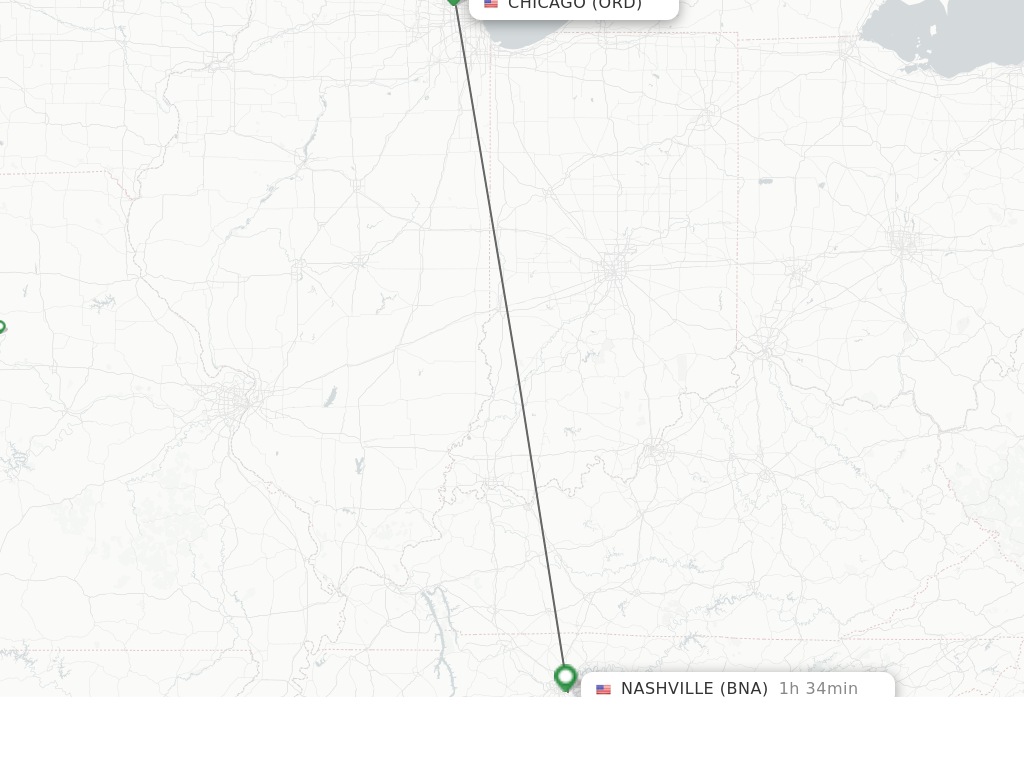
On average, a direct flight between Chicago O’Hare International Airport (ORD) or Midway International Airport (MDW) and Nashville International Airport (BNA) typically lasts between 1 hour and 30 minutes to 1 hour and 50 minutes. This is the airborne time, not including taxiing to and from the gates, boarding, or deplaning.
Key Airports Involved
- Chicago: Travelers departing from Chicago will most commonly use either O’Hare International Airport (ORD) or Midway International Airport (MDW). O’Hare is one of the busiest airports in the world, offering a vast array of domestic and international flights, while Midway is a more convenient option for some travelers with its focus on domestic routes and a generally less overwhelming atmosphere.
- Nashville: Upon arrival, you will land at Nashville International Airport (BNA). This airport serves as the primary gateway to Nashville and is equipped to handle a significant volume of passengers, reflecting the city’s growing popularity as a tourist destination.
Airlines Operating the Route
Several major airlines frequently service the Chicago to Nashville route, offering a competitive market that often translates to more flight options and potentially better pricing. These include, but are not limited to:
The specific airline you choose can sometimes influence the exact flight duration, as different aircraft types and flight paths may be utilized.
Factors Influencing Flight Duration
While the average flight time provides a good baseline, several variables can cause actual flight durations to fluctuate. Understanding these factors can help set realistic expectations for your journey.
Weather Conditions
The most significant external factor affecting flight times is weather. Both departure and arrival cities can experience weather phenomena that necessitate air traffic control delays or require aircraft to take more circuitous routes.
- Chicago Weather: Severe weather in Chicago, such as thunderstorms, snowstorms, or heavy fog, can lead to ground delays at O’Hare International Airport or Midway International Airport. These delays are crucial for passenger safety and operational efficiency.
- Nashville Weather: Similarly, inclement weather in Nashville can impact arrival times. Thunderstorms in the summer months, for instance, are common and can cause temporary flight diversions or delays.
- En Route Weather: Unexpected weather patterns during the flight itself can also influence the duration. Pilots may adjust their flight paths to avoid turbulence or storms, which can add time to the journey.
Air Traffic Control and Congestion
Airports, especially major hubs like Chicago‘s O’Hare International Airport, operate under complex air traffic control systems. High traffic volumes can lead to delays for both departures and arrivals.
- Airport Congestion: During peak travel seasons or at busy times of day, airports can experience significant congestion. This can result in longer taxi times on the runway before takeoff and after landing, as well as potential holding patterns in the air before an available landing slot is assigned.
- Airspace Management: The airspace between Chicago and Nashville is also managed by air traffic controllers. Factors such as the number of aircraft in a particular sector and the need for spacing between them can contribute to slight variations in flight duration.
Aircraft Type and Flight Path
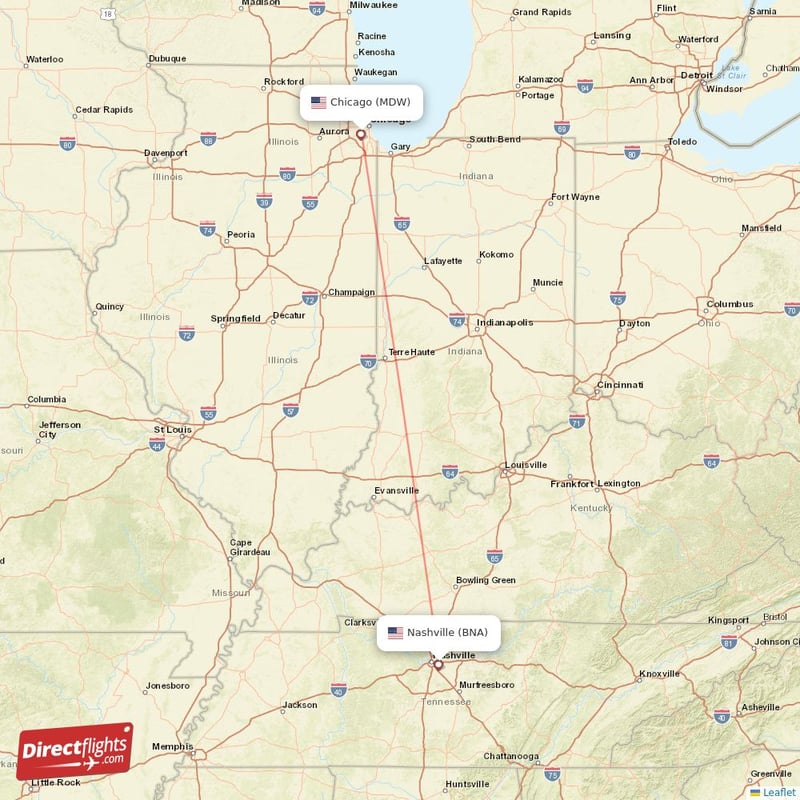
The specific aircraft used for the flight and the chosen flight path can also play a role in the overall duration.
- Aircraft Speed: Different aircraft models have varying cruising speeds. While the difference might be marginal for short flights, it can still contribute to slight variations in arrival times.
- Wind Conditions: Headwinds and tailwinds significantly impact flight duration. A strong tailwind can shorten the flight, while a headwind will lengthen it. These are constantly monitored and factored into flight plans.
- Optimized Flight Paths: Airlines and air traffic control constantly work to optimize flight paths for efficiency and safety. Sometimes, a slightly longer but more direct route that avoids weather or congestion can be chosen.
Connecting Flights: An Extended Journey
While direct flights offer the quickest way to travel between Chicago and Nashville, many travelers opt for flights with one or more connections. This can sometimes be a more budget-friendly option or necessary if direct flights are unavailable at preferred times.
Impact on Total Travel Time
Connecting flights inherently increase the total travel time. The duration of a flight with a layover is not simply the sum of the individual flight legs; it must also account for:
- Layover Duration: This is the time spent on the ground at the connecting airport. Layovers can range from a brief 45 minutes to several hours, depending on the airline, the specific route, and the connecting airport’s efficiency.
- Time to Change Planes: Passengers will need time to disembark from one aircraft, navigate the connecting airport, and board the next aircraft. This can be a seamless experience or involve considerable walking, especially in larger airports.
- Potential for Delays: Each leg of a connecting flight carries the risk of delay. A delay on an initial flight can jeopardize the connection, potentially leading to missed flights and significant itinerary disruptions.
Popular Connecting Hubs
Common connecting hubs for flights originating in Chicago and heading to Nashville might include cities like:
- Atlanta (a major hub for Delta Air Lines)
- Charlotte (a hub for American Airlines)
- Detroit (a hub for Delta Air Lines)
- Dallas/Fort Worth (a hub for American Airlines)
The specific connecting city will depend on the airline you fly and the availability of routes.
Planning for Connections
When booking flights with layovers, it is always advisable to:
- Allow Ample Time: Opt for layovers that provide sufficient time to make your connection comfortably, ideally at least 90 minutes, especially if you need to change terminals or go through security again.
- Research Connecting Airports: Familiarize yourself with the layout of the connecting airport to minimize time spent navigating.
- Stay Informed: Monitor flight status updates for both your departing and connecting flights to anticipate any potential issues.
Maximizing Your Travel Experience
Knowing the flight duration from Chicago to Nashville is the first step in planning a smooth and enjoyable trip. Whether you’re flying direct or connecting, a little preparation can go a long way.
Preparing for Arrival in Nashville
Upon landing at Nashville International Airport, you’ll find a modern and well-equipped facility ready to welcome you to the heart of country music.
- Ground Transportation: Nashville offers various ground transportation options from the airport, including rental cars, taxis, rideshare services (like Uber and Lyft), and shuttle services. These can take you to your hotel or directly to popular attractions such as the Grand Ole Opry or the vibrant downtown area.
- Airport Amenities: BNA provides a range of amenities for travelers, including dining options, shops, and Wi-Fi, allowing you to relax or catch up on work before heading out to explore the city.

Tips for a Smooth Journey
- Book in Advance: To secure preferred flight times and potentially better prices, it’s always recommended to book your tickets in advance, especially during peak travel seasons.
- Check Flight Status: Before heading to the airport, always check the real-time flight status for your departure. This can help you avoid unnecessary stress if there are unexpected delays.
- Pack Smart: For a short flight, packing light can be advantageous, saving you time at baggage claim and making navigating connecting flights easier.
- Arrive Early: Especially for flights out of major airports like Chicago‘s O’Hare International Airport, arriving at least two hours before a domestic flight is a good practice to account for security lines and boarding procedures.
By understanding the nuances of flight times and the factors that influence them, you can confidently plan your travel from Chicago to the lively streets and iconic music venues of Nashville, ensuring your journey is as pleasant as your destination.
LifeOutOfTheBox is a participant in the Amazon Services LLC Associates Program, an affiliate advertising program designed to provide a means for sites to earn advertising fees by advertising and linking to Amazon.com. Amazon, the Amazon logo, AmazonSupply, and the AmazonSupply logo are trademarks of Amazon.com, Inc. or its affiliates. As an Amazon Associate we earn affiliate commissions from qualifying purchases.