
The reputation of any major city is a complex tapestry woven from threads of its economic prosperity, cultural vibrancy, historical narratives, and, unfortunately, its struggles with crime. For Chicago, the question of its perceived danger is a frequently debated and deeply felt issue, impacting everything from its allure as a tourist destination to the daily lives of its residents. While statistics can paint a stark picture, understanding the multifaceted nature of crime in this dynamic metropolis requires a nuanced exploration beyond sensational headlines. This analysis delves into the factors that contribute to Chicago’s safety concerns, examining the historical context, socio-economic drivers, and the ongoing efforts to address these challenges, all while acknowledging its status as a world-class city with much to offer visitors.

Understanding the Nuances of Urban Safety
When discussing the “danger” of a city, it’s crucial to differentiate between statistical realities and lived experiences. Chicago, like many large urban centers, grapples with crime rates that, in certain areas and for specific types of offenses, can be higher than national averages. However, these statistics often do not reflect the vast majority of the city, where millions of residents and tourists move about safely daily. The narrative of danger is frequently amplified by media coverage that can focus on high-profile incidents, creating a perception that may not align with the reality for the average visitor exploring popular tourist hubs like the Magnificent Mile, Millennium Park, or the Art Institute of Chicago.
Crime Statistics vs. Perceived Risk
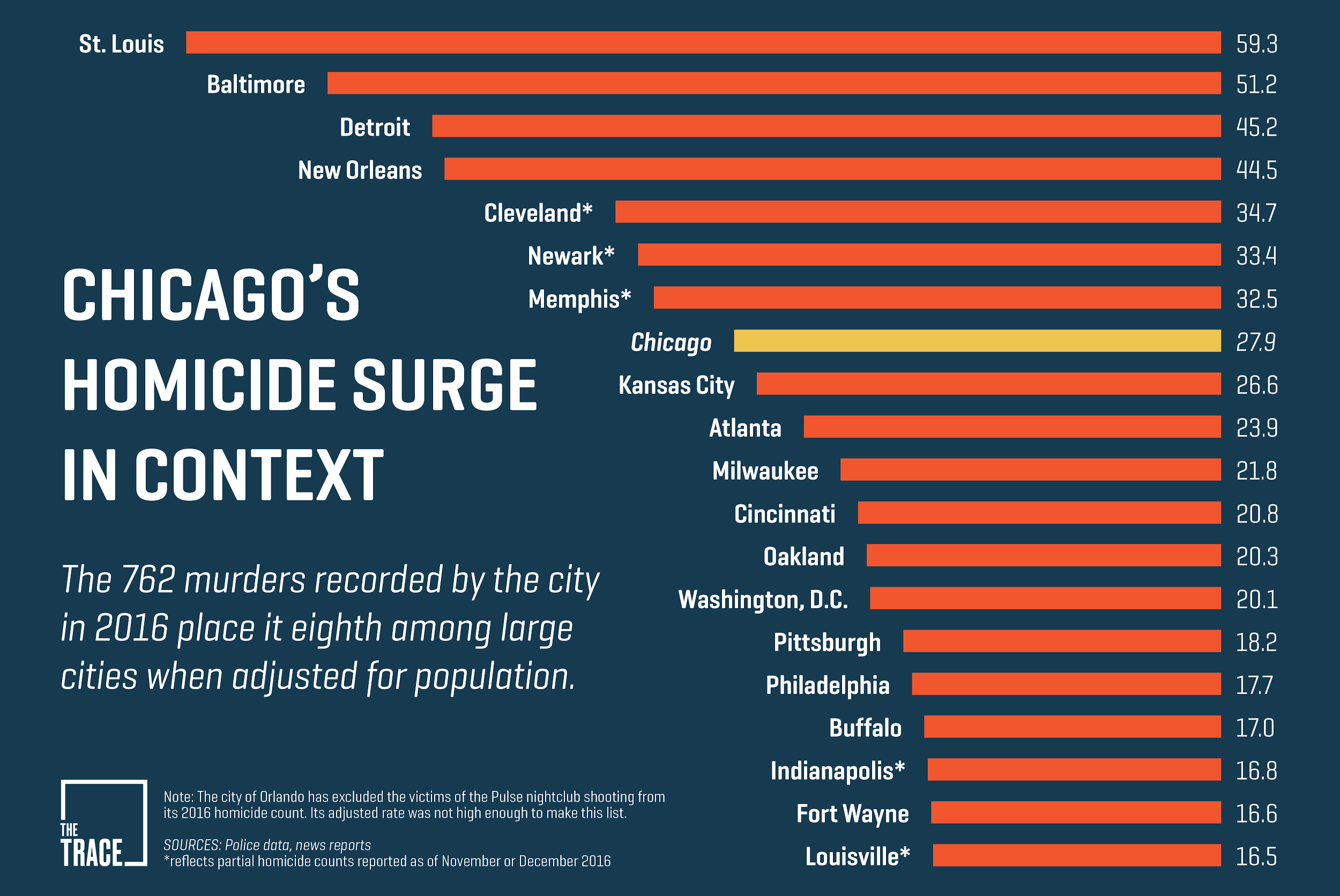
The perception of danger can be influenced by a variety of factors, including media reporting, personal anecdotes, and the visibility of crime in specific neighborhoods. While Chicago has experienced periods of heightened gun violence, particularly in certain South and West Side communities, it’s essential to recognize that the majority of tourist areas and well-trafficked zones are generally safe. The city’s tourism industry, a vital component of its economy, thrives on its ability to welcome millions of visitors annually who largely have positive and uneventful experiences. Understanding where crime is concentrated, and being aware of general safety precautions applicable to any major city, are key to navigating Chicago with confidence.
Geographic Distribution of Crime
A critical aspect of understanding safety in Chicago is recognizing the highly localized nature of serious crime. While specific neighborhoods may face significant challenges, many areas, particularly those frequented by tourists and business travelers, are patrolled, well-lit, and generally secure. The downtown Loop, the museum campus along Lake Michigan, and the vibrant neighborhoods north of the Loop are typically considered safe for exploration. However, as with any urban environment, it is prudent to be aware of one’s surroundings, especially when venturing into less familiar areas or at night.
Historical and Socio-Economic Roots of Crime
The challenges Chicago faces regarding crime are not recent phenomena; they are deeply intertwined with historical patterns of segregation, economic disinvestment, and systemic inequality. Understanding these roots is crucial for a comprehensive view.
Legacies of Segregation and Disinvestment
For decades, discriminatory housing policies and economic practices led to the concentration of poverty and limited opportunities in specific communities, predominantly on the South and West Sides of the city. This historical context has contributed to a cycle of disadvantage, where lack of access to quality education, healthcare, and employment can intersect with higher crime rates. These are not issues exclusive to Chicago but are common challenges faced by many large American cities that have experienced similar demographic and economic shifts.
The Impact of Economic Inequality
The stark economic disparities within Chicago play a significant role in its crime landscape. Communities with fewer economic opportunities often experience higher rates of crime, including property crime and violent offenses. The lack of viable pathways to economic advancement can, for some, lead to involvement in illicit activities as a means of survival or perceived advancement. Addressing these deep-seated economic inequalities is a complex, long-term endeavor that requires multifaceted strategies, from job creation initiatives to investments in education and community development.
The Role of Gun Violence
A significant contributor to Chicago’s homicide rate is gun violence. The flow of illegal firearms into the city, often originating from outside Illinois, is a persistent challenge. Debates around gun control, law enforcement strategies, and community-based violence prevention programs are ongoing and are central to any discussion about reducing crime. Efforts to curb gun violence are multifaceted, involving partnerships between law enforcement, community organizations, and policymakers.
Ongoing Efforts to Enhance Safety and Security

Chicago is not a city that stands still in the face of its challenges. Numerous initiatives are underway, spearheaded by city government, law enforcement, community groups, and residents, all working towards a safer future.
Law Enforcement Strategies and Community Policing
The Chicago Police Department employs a range of strategies to combat crime, including targeted enforcement, intelligence-led policing, and an increasing emphasis on community policing. The latter aims to build trust and collaboration between officers and the communities they serve, recognizing that effective crime prevention requires more than just enforcement; it requires partnership. Initiatives like beat officers engaging with residents, community meetings, and youth outreach programs are designed to foster stronger relationships and gather vital information.
Community-Based Violence Prevention Programs
Beyond official law enforcement efforts, a robust network of community-based organizations is at the forefront of violence prevention. These groups work directly with at-risk individuals and communities, offering mentorship, conflict resolution services, and opportunities for positive engagement. Programs focused on credible messengers—individuals with lived experience who can connect with those involved in or at risk of violence—have shown promise in interrupting cycles of retaliation and offering pathways to a different life. These grassroots efforts are vital to addressing the root causes of violence and fostering healing within affected neighborhoods.
Urban Revitalization and Economic Development
Investing in neighborhoods that have historically been underserved is a key strategy for long-term crime reduction. Urban revitalization projects, aimed at improving infrastructure, creating affordable housing, and attracting new businesses, can bring economic opportunities and a renewed sense of hope and stability to communities. Such initiatives not only address the symptoms of poverty and disinvestment but also work to build a more equitable and resilient city for all its residents.
Navigating Chicago: Tips for a Safe and Enjoyable Visit
For visitors, understanding the safety landscape of Chicago means being informed and prepared, just as one would be in any major international city. By taking sensible precautions, travelers can fully immerse themselves in the rich cultural experiences this city has to offer.
Staying Aware and Informed
The most fundamental aspect of urban safety is situational awareness. This includes being mindful of your surroundings, especially in crowded areas or when using public transportation. Avoid displaying large amounts of cash or expensive electronics conspicuously. Familiarize yourself with the layout of the areas you plan to visit and the most direct routes to and from your accommodations.
Utilizing Public Transportation Safely
Chicago boasts an extensive public transportation system, including the ‘L’ train and bus network, which is an efficient way to explore the city. During daylight hours, the system is generally safe and widely used by locals and tourists alike. It is advisable to be aware of your fellow passengers and secure your belongings. For late-night travel or if you feel uncomfortable, ride-sharing services or taxis are readily available alternatives.
Exploring Tourist Hotspots
The primary tourist areas in Chicago—such as the Magnificent Mile, Millennium Park, Navy Pier, the Museum Campus housing institutions like the Field Museum and the Shedd Aquarium, and the vibrant theater district—are well-trafficked, well-patrolled, and generally considered very safe for visitors. These areas are designed to welcome and accommodate tourists, offering a wealth of attractions and experiences without undue concern for personal safety, provided standard urban precautions are observed.
Choosing Accommodations Wisely
When booking accommodation, consider locations that are well-lit, have good security measures, and are in or near active neighborhoods. Hotels in areas like the Loop, River North, or along the Gold Coast offer convenient access to attractions and a generally secure environment. Checking recent reviews can also provide insights into the safety and atmosphere of specific establishments.
Chicago is a city of immense beauty, cultural depth, and resilience. While acknowledging and understanding the complex issues that contribute to its safety challenges is important, it should not overshadow the incredible experiences it offers. By staying informed, exercising common sense, and focusing on the vibrant heart of the city, visitors can enjoy all that Chicago has to offer, creating lasting memories in this iconic American metropolis.
LifeOutOfTheBox is a participant in the Amazon Services LLC Associates Program, an affiliate advertising program designed to provide a means for sites to earn advertising fees by advertising and linking to Amazon.com. Amazon, the Amazon logo, AmazonSupply, and the AmazonSupply logo are trademarks of Amazon.com, Inc. or its affiliates. As an Amazon Associate we earn affiliate commissions from qualifying purchases.