
Planning a trip from the Midwest metropolis of Chicago to the sunny shores of San Diego involves more than just picking a destination; it requires understanding the logistics of air travel. A common query for travelers embarking on this cross-country journey is the flight duration. While seemingly straightforward, the actual time spent in transit can vary considerably based on several factors, including the type of flight, airline, and external conditions. This comprehensive guide delves into the specifics of flying from the windy city to America’s Finest City, ensuring you are well-prepared for your aerial adventure.
Understanding Direct vs. Connecting Flights
The most significant determinant of your total travel time between Chicago and San Diego is whether you opt for a direct (non-stop) flight or one with layovers. Each option presents distinct advantages and time commitments.
Direct Flight Duration
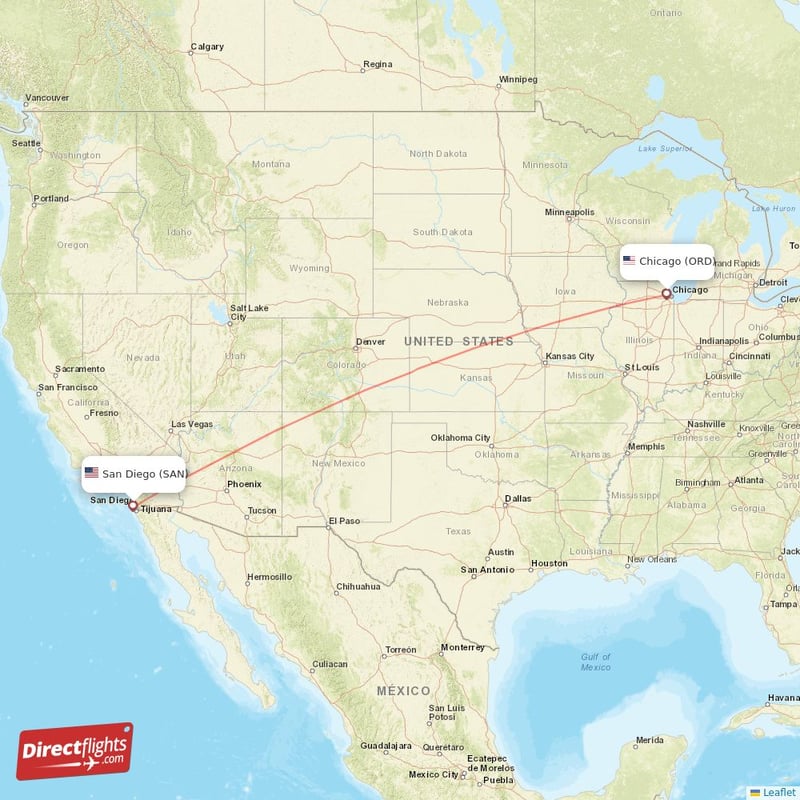
A direct flight offers the most efficient way to travel, minimizing airborne time and avoiding the hassles of connecting airports. The typical flight time for a non-stop journey from Chicago to San Diego generally ranges from 4 hours to 4 hours and 30 minutes. This duration accounts for the distance of approximately 1,750 miles (2,816 kilometers) as the crow flies, combined with average cruising speeds and standard flight paths.
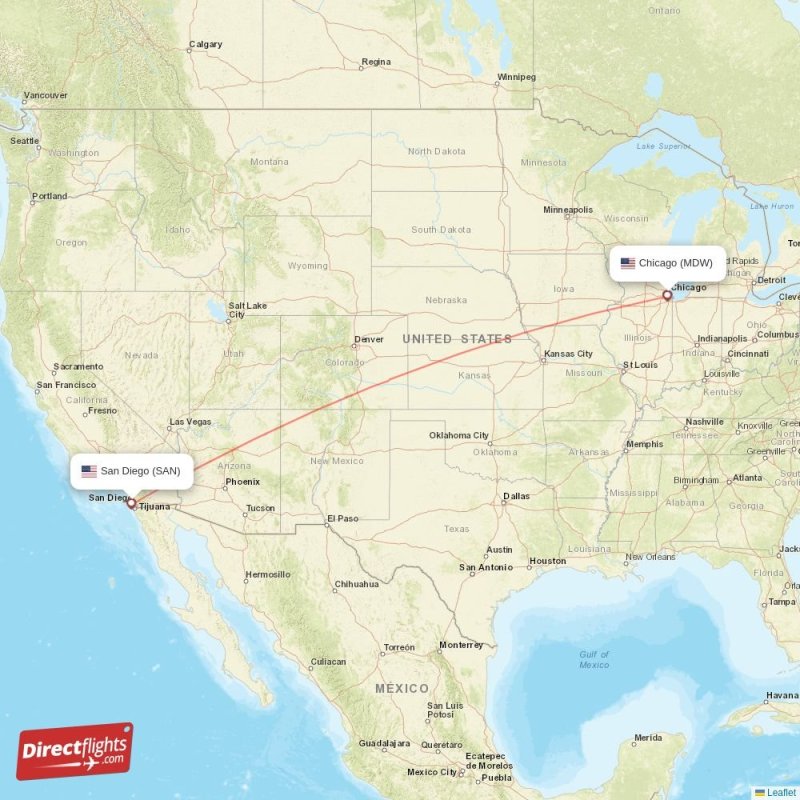
Major airports serving Chicago for this route include O’Hare International Airport (ORD) and Midway International Airport (MDW). Both offer direct services to San Diego International Airport (SAN). While the actual airborne time is consistent, slight variations can occur due to factors like prevailing winds, which can either shorten the flight with a tailwind or extend it with a strong headwind. Air traffic control patterns and runway availability at both departure and arrival airports also play a subtle role in the overall gate-to-gate time.
Connecting Flight Variables
For travelers whose schedules or budgets necessitate a connecting flight, the total journey time will naturally be longer. A connecting flight involves at least one layover at an intermediate airport, which can add anywhere from a couple of hours to half a day or more to your travel time.
Common hubs for flights from Chicago to San Diego include major Western and Southwestern U.S. airports such as Denver International Airport, Dallas/Fort Worth International Airport, Phoenix Sky Harbor International Airport, and Los Angeles International Airport. The duration of the layover itself is the primary variable. Short layovers can be as brief as 45 minutes to an hour (though these carry a higher risk of missed connections), while longer ones might stretch for several hours. When combining the flight segments and layover time, a connecting journey can typically range from 6 hours to 10 hours or even longer. It’s crucial to factor in the time needed to deplane, navigate to a new gate, and potentially re-clear security when calculating total travel duration for connecting itineraries.
Factors Influencing Flight Duration
Beyond the direct vs. connecting distinction, several operational and environmental elements can subtly yet significantly alter the flight time from Chicago to San Diego. Being aware of these can help set realistic expectations for your travel day.
Air Traffic and Weather Conditions
Air traffic congestion is a perennial challenge at major airports, particularly during peak travel seasons or busy times of day. Both O’Hare and Midway in Chicago can experience delays due to heavy volume, leading to longer taxi times on the runway or holding patterns in the air. Similarly, San Diego International Airport (SAN), though smaller, can also face congestion, especially during popular arrival windows.
Weather conditions play an equally critical role. Strong headwinds, particularly common when flying westbound across the continent, can increase flight duration as the aircraft expends more energy to maintain speed against the opposing air currents. Conversely, tailwinds can shave off valuable minutes. Adverse weather at either departure or arrival points, such as Chicago’s winter storms or San Diego’s occasional marine layer fog, can lead to delays, diversions, or holding patterns, thereby extending the total travel time.
Aircraft Type and Route Efficiency
The specific aircraft model used by the airline can also impact flight speed and, consequently, duration. Newer, more aerodynamically efficient jets generally fly at higher cruising speeds and altitudes, potentially shortening the journey. While most commercial flights operate within a relatively narrow speed range, even minor differences can accumulate over a cross-country route.
Airlines also optimize flight paths for efficiency, often following a “great circle route” which is the shortest distance between two points on a sphere, even if it appears curved on a flat map. However, these paths can be adjusted by air traffic control for various reasons, including avoiding turbulent weather, military airspace, or congested flight corridors, which might lead to slight deviations and minor increases in flight time.
Time Zones and Actual vs. Block Time
It’s important to remember the time zone difference when flying westbound. Chicago operates on Central Time (CT), while San Diego is on Pacific Time (PT). This means there is a two-hour time difference (e.g., 12 PM CT is 10 AM PT). While this doesn’t affect the actual flight duration, it can sometimes create the illusion of a shorter flight when arriving earlier in local time, or requires careful calculation when scheduling onward connections.
Furthermore, distinguish between “flight time” and “block time.” Flight time refers to the actual duration the aircraft is airborne. Block time, on the other hand, is the scheduled time from when the aircraft pushes back from the gate at departure to when it arrives at the gate at the destination. Block time always includes taxiing, potential holding patterns, and deplaning, making it a more realistic measure of the overall time spent on the aircraft and directly reflects what is shown on your boarding pass.
Choosing Your Flight: Airlines and Scheduling
Selecting the right flight involves considering more than just the duration; it also encompasses airline reputation, scheduling convenience, and overall travel experience.
Major Airlines Offering Service
Several prominent airlines provide direct and connecting services between Chicago and San Diego. United Airlines and American Airlines are major carriers with extensive networks, frequently offering multiple daily direct flights from O’Hare. Southwest Airlines is another popular choice, known for its direct routes and often operating out of both O’Hare and Midway. Additionally, Alaska Airlines and Delta Air Lines also provide service, typically with direct options or well-connected layovers. Each airline offers varying amenities, baggage allowances, and pricing structures, so comparing these aspects alongside flight times is beneficial.
Optimal Travel Times and Days
While flight duration itself is relatively fixed for direct flights, the likelihood of delays can vary based on the time of day and day of the week. Early morning flights often experience fewer delays as air traffic systems are less congested. Similarly, flying mid-week (Tuesday to Thursday) can sometimes offer a smoother travel experience compared to peak weekend travel or Monday/Friday commutes, which tend to see higher passenger volumes and potential for cumulative delays. Consider these patterns when booking, especially if you have a tight schedule upon arrival in San Diego.
How to Find the Best Flight Times
Utilizing online flight comparison websites and direct airline apps is the most effective way to survey available flights. These platforms allow you to filter by direct flights, preferred airlines, and departure/arrival times, providing a clear overview of the quickest options. They also typically display the “block time,” giving you the most accurate expectation for your total journey duration from gate to gate. Booking in advance can often secure better prices, but checking closer to your travel date might reveal last-minute deals or schedule changes.
Maximizing Comfort on Your Journey
Even a relatively short cross-country flight benefits from thoughtful preparation to ensure a comfortable and productive journey.
In-Flight Entertainment and Connectivity
Most major airlines offer a suite of in-flight entertainment options, ranging from seat-back screens with movies and TV shows to Wi-Fi connectivity (often for a fee) allowing you to use your personal devices. For a 4-hour flight, having pre-downloaded movies, e-books, podcasts, or work materials can make the time pass quickly. Remember to fully charge all electronics before boarding, or bring a portable power bank, as in-seat power outlets are not universally available on all aircraft or in all classes of service.
Comfort Essentials
A few simple items can significantly enhance your comfort. A good quality neck pillow can make napping easier, especially if you plan to arrive in San Diego ready to explore. Noise-canceling headphones are invaluable for blocking out engine hum and cabin noise, allowing for relaxation or focus. Layered clothing is advisable, as cabin temperatures can fluctuate. Don’t forget an empty reusable water bottle to fill after security, and a few healthy snacks to avoid reliance on airline provisions, particularly if you have dietary preferences or restrictions. Staying hydrated is key to combating fatigue, especially when crossing time zones.
Navigating Airports Efficiently
Both O’Hare and Midway are bustling airports. Arriving with ample time—typically 2 hours for domestic flights—allows for smooth check-in and security screening. Utilize mobile boarding passes and check airline apps for real-time updates on gate changes or delays. Upon arrival at San Diego International Airport (SAN), being aware of your terminal and baggage claim information will facilitate a quick exit. The San Diego airport is known for its efficiency and compact size, making navigation relatively straightforward compared to larger hubs.
Beyond the Flight: Planning Your Arrival in San Diego
Once your flight touches down at San Diego International Airport (SAN), your travel journey seamlessly transitions to ground transportation and acclimatization.
Ground Transportation from San Diego International Airport (SAN)
San Diego offers numerous convenient options for getting from the airport to your final destination. Taxis and rideshare services (Uber, Lyft) are readily available outside the terminals. For those preferring public transport, the Metropolitan Transit System (MTS) provides bus services, with routes connecting to downtown and other major areas. Rental car agencies are also located near the airport, with shuttle services transporting passengers to the off-site rental car center. Pre-booking any of these options can save time upon arrival, especially if you’re traveling during peak hours or with specific accessibility needs.
Time Zone Adjustment
Remember the two-hour time difference. If you departed Chicago at 8 AM CT and arrived in San Diego 4 hours later, it would be 12 PM CT in Chicago, but only 10 AM PT in San Diego. This “gain” of two hours can be beneficial, often making arrivals feel less rushed. To combat potential mild jet lag, try to adjust your internal clock to San Diego time as soon as you board the plane. Stay hydrated, try to get some natural light upon arrival, and aim to maintain a normal sleep schedule in your new time zone.
In conclusion, a direct flight from Chicago to San Diego typically takes between 4 to 4.5 hours, with connecting flights extending this significantly. By understanding the variables and preparing accordingly, your journey from the heart of the Midwest to Southern California can be a smooth and enjoyable experience, setting the stage for a memorable visit.
LifeOutOfTheBox is a participant in the Amazon Services LLC Associates Program, an affiliate advertising program designed to provide a means for sites to earn advertising fees by advertising and linking to Amazon.com. Amazon, the Amazon logo, AmazonSupply, and the AmazonSupply logo are trademarks of Amazon.com, Inc. or its affiliates. As an Amazon Associate we earn affiliate commissions from qualifying purchases.