
Embarking on a journey from the bustling metropolis of Houston, Texas, to the serene, sun-kissed shores of Hawaii is a dream for many. This transatlantic voyage promises an escape from urban landscapes to a paradise of volcanic majesty, lush rainforests, and pristine beaches. However, a common and critical question for any prospective traveler is: “How long will it take to get there?” The flight duration from Houston to Hawaii is a significant factor in travel planning, influencing everything from your packing list to your itinerary and how you prepare for the journey. This comprehensive guide will delve into the nuances of this flight, offering insights into direct routes, connecting options, factors affecting travel time, and essential tips for making your long-haul experience as comfortable and enjoyable as possible.
Understanding the Direct Flight Duration from Houston to Hawaii
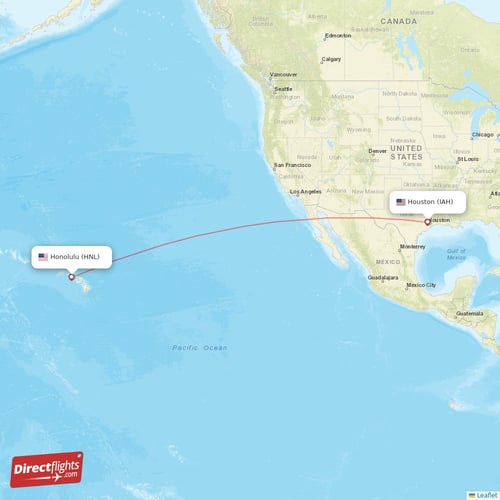
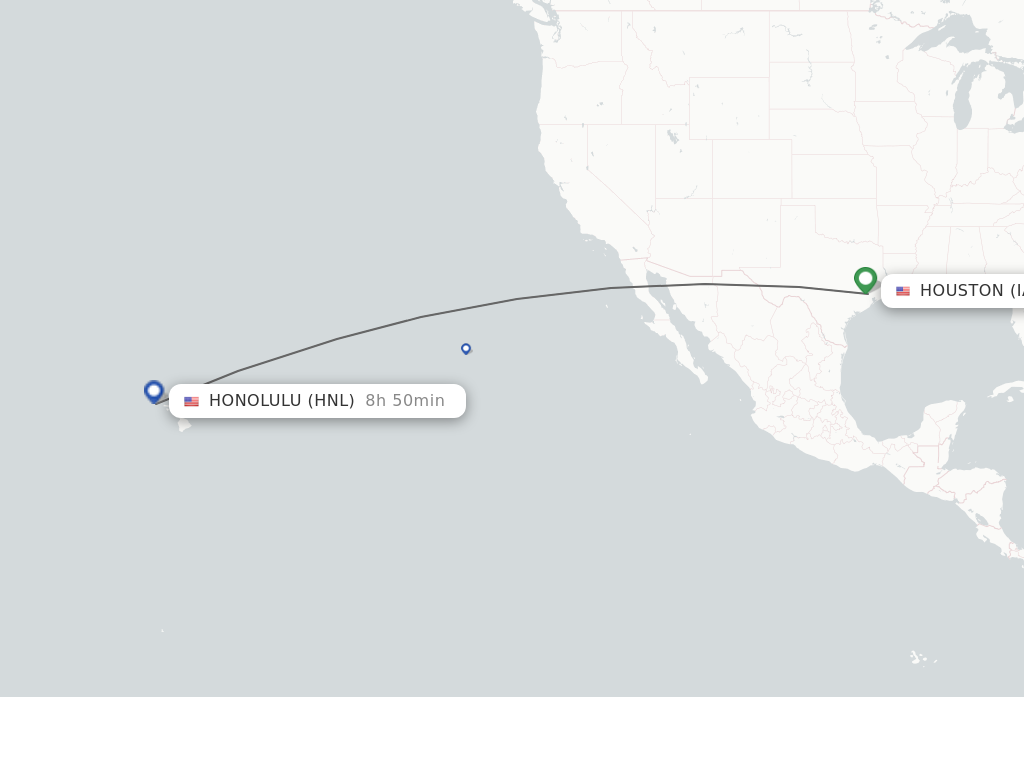
The distance between Houston and the Hawaiian Islands is considerable, spanning thousands of miles across the Pacific Ocean. While direct flights significantly reduce overall travel time, their availability and frequency can vary. Typically, a direct flight from Houston to one of Hawaii’s major airports will range between 7 hours and 30 minutes to 8 hours and 30 minutes. This duration is for the actual time spent in the air, not including taxiing, boarding, or potential delays.
Typical Flight Times to Major Hawaiian Islands
Hawaii is an archipelago, meaning the specific island you fly to will slightly alter the total flight time. Most direct flights from Houston will land at Daniel K. Inouye International Airport (HNL) in Honolulu, Oahu, as it serves as the primary gateway to the state.
- To Honolulu (Oahu): A direct flight from George Bush Intercontinental Airport (IAH) in Houston to Daniel K. Inouye International Airport (HNL) typically takes around 7 hours and 45 minutes to 8 hours and 15 minutes. This is the most common direct route.
- To Kahului (Maui): Direct flights to Kahului Airport (OGG) on Maui, if available, might be marginally longer, perhaps 8 hours to 8 hours and 30 minutes, depending on the specific flight path and aircraft.
- To Kona (Big Island) or Lihue (Kauai): Direct flights to these islands are less common from Houston. If offered, their duration would be comparable to Maui or slightly longer, as these islands are further west or south.
Factors Influencing Flight Duration
Several variables can influence the precise duration of your flight to Hawaii:
- Aircraft Type: Modern, fuel-efficient aircraft like the Boeing 787 Dreamliner or Airbus A330 are designed for long-haul routes and can sometimes offer slightly faster travel times due to their cruising speeds and efficiency.
- Tailwinds and Headwinds: Jet streams play a significant role in long-distance air travel. Flights traveling westward (towards Hawaii) often encounter headwinds, which can slightly increase flight duration. Conversely, eastbound flights (returning to Houston) often benefit from tailwinds, making them slightly shorter.
- Air Traffic Control and Route Optimization: The specific flight path taken by the aircraft, which is determined by air traffic control and optimized for fuel efficiency and weather conditions, can cause minor variations in flight time.
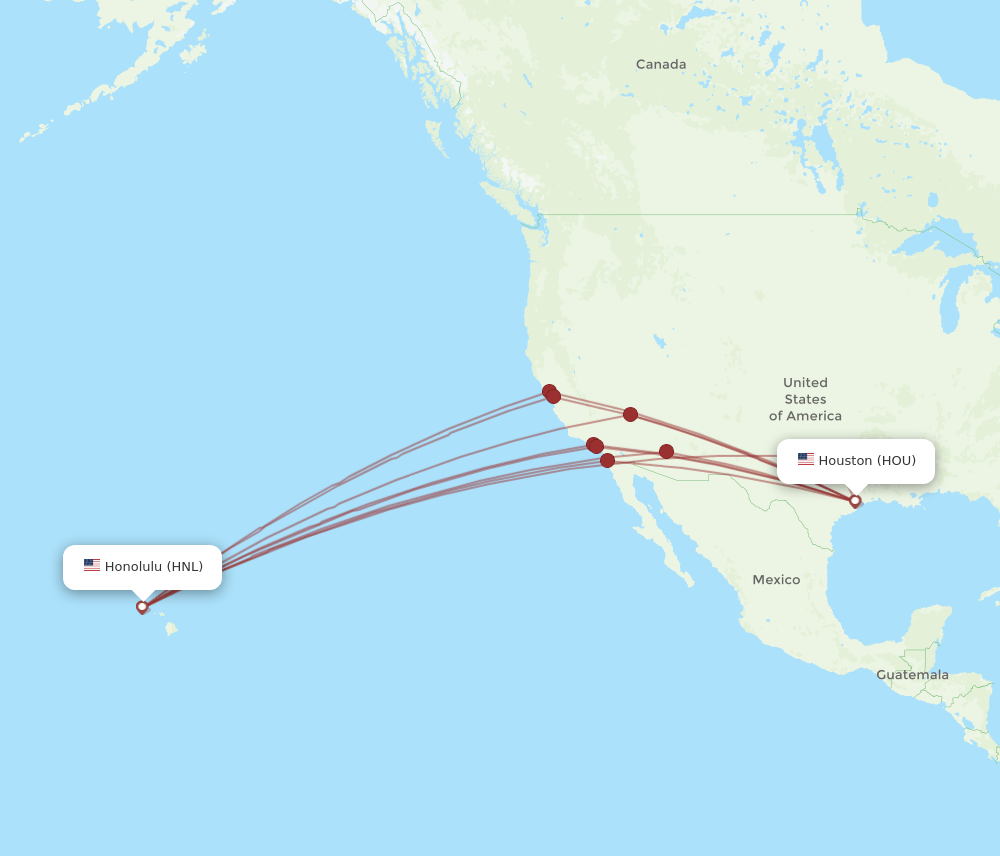
- Departure Airport: Most long-haul flights from Houston depart from George Bush Intercontinental Airport (IAH). While William P. Hobby Airport (HOU) is also a major airport, it primarily serves domestic routes and may not offer direct Hawaii flights.
Navigating Layover Options and Connecting Flights
While direct flights are the most convenient, they might not always be available, or they could be significantly more expensive. In such cases, connecting flights become a viable and often more economical option. A connecting flight will inherently extend your overall travel time, but it also offers more flexibility in terms of airlines, departure times, and sometimes, airports.
Common Layover Hubs
When flying from Houston to Hawaii with a layover, you’ll typically connect through a major hub airport on the West Coast of the United States. Popular connection points include:
- Los Angeles International Airport (LAX), California: One of the busiest airports in the world, LAX offers numerous daily flights to various Hawaiian islands.
- San Francisco International Airport (SFO), California: Another major West Coast hub with extensive connections to Hawaii.
- Seattle-Tacoma International Airport (SEA), Washington: A popular hub, especially for travelers looking for alternative routes.
- Phoenix Sky Harbor International Airport (PHX), Arizona: Offers a good number of flights to Hawaii.
- Denver International Airport (DEN), Colorado: While not directly on the coast, Denver serves as a significant hub for flights heading west.
The first leg of your journey from Houston to one of these West Coast hubs will generally be around 3 to 4 hours. The second leg, from the West Coast to Hawaii, typically takes another 5 to 6 hours. Factoring in layover times, which can range from 1.5 hours to several hours, the total travel time for a connecting flight can be anywhere from 10 to 15 hours or more.
Strategic Planning for Connecting Journeys
When opting for a connecting flight, a few strategic considerations can make your journey smoother:
- Layover Duration: Aim for a layover that is long enough to comfortably make your connection (at least 1.5 to 2 hours for domestic transfers) but not so long that it significantly prolongs your travel day. If you have to change terminals or re-check baggage, allow for more time.
- Airline Consistency: Flying with the same airline or alliance partners for both legs of your journey can simplify baggage transfers and rebooking in case of delays.
- Time Zones: Be mindful of the significant time zone change. Hawaii operates on Hawaii Standard Time (HST), which is typically 5 hours behind Central Standard Time (CST) in Houston (or 4 hours during Daylight Saving Time). This means you “gain” time on the way there, but your body clock will still experience the full flight duration.
Preparing for Your Long-Haul Journey to Paradise
A flight of 7-8 hours, let alone 10-15 with connections, is a long-haul journey that requires some preparation to ensure comfort and minimize the effects of travel fatigue. Thinking ahead can transform your travel experience from daunting to delightful.
Essential Packing and Comfort Tips
- Dress in Layers: Airplane cabins can fluctuate in temperature. Wearing layers allows you to adjust to changing conditions.
- Comfortable Clothing: Opt for loose-fitting, breathable fabrics. Avoid restrictive clothing that can contribute to discomfort during long periods of sitting.
- Hydration is Key: The dry air in airplane cabins can be dehydrating. Drink plenty of water before, during, and after your flight. Avoid excessive alcohol and caffeine, which can further dehydrate you.
- Snacks: While airlines provide meals and snacks, having your own healthy options can be a lifesaver, especially if you have dietary restrictions or prefer specific items.
- Entertainment: Load up your devices with movies, TV shows, music, podcasts, or e-books. A good book or puzzle can also help pass the time. Don’t forget noise-canceling headphones.
- Sleep Aids: A neck pillow, eye mask, and earplugs can significantly improve your ability to rest on the plane.
- Movement: Get up and walk around the cabin periodically to improve circulation and prevent stiffness. Perform simple stretches in your seat.
- Personal Hygiene: Pack a small toiletry bag with a toothbrush, toothpaste, face wipes, and moisturizer to freshen up before landing.
Beating Jet Lag and Maximizing Your Arrival
Jet lag can significantly impact your first few days in Hawaii. With a 5-hour time difference, your body will need to adjust.
- Adjust Before You Go: A few days before your trip, try to gradually shift your sleep schedule closer to Hawaii time. Go to bed a little later and wake up a little later each day.
- Onboard Strategy: Try to sleep on the plane if it’s nighttime in Hawaii, or stay awake if it’s daytime. Set your watch to Hawaii time as soon as you board.
- Embrace the Sun: Upon arrival, expose yourself to natural sunlight as much as possible, especially in the morning. This helps reset your body’s circadian rhythm.
- Stay Active (but not too much): Engage in light activities like swimming or walking on the beach, but avoid strenuous exercise on your first day.
- Eat Local: Try to align your meal times with local Hawaii mealtimes.
- Prioritize Sleep: Go to bed at a reasonable local time, even if you don’t feel tired. Avoid napping for too long if you need to establish a new sleep pattern.
Choosing Your Hawaiian Destination: Island by Island
While the flight duration to each island varies slightly, understanding what each offers is crucial for a fulfilling travel experience. Your choice of island will ultimately define the type of Hawaiian adventure you embark on.
Oahu – The Bustling Hub
Oahu is home to the capital city of Honolulu and the famous Waikiki Beach. It’s the most populous island and offers a vibrant mix of city life, historical sites like Pearl Harbor, and iconic surfing spots on the North Shore. If you’re looking for diverse dining, shopping, and entertainment options alongside natural beauty, Oahu is an excellent choice. Flights to HNL are generally the most frequent and often the most direct from Houston.
Maui – Island of Romance and Adventure
Maui is often lauded for its stunning landscapes, luxurious resorts, and diverse activities. From watching the sunrise over Haleakala Crater to driving the scenic Road to Hana or snorkeling in Molokini Crater, Maui offers a blend of relaxation and adventure. It’s a popular choice for honeymooners and families alike. Direct flights to Kahului Airport (OGG) are less frequent than to Oahu but can be found.
Kauai – The Garden Isle
Known for its dramatic cliffs, lush rainforests, and cascading waterfalls, Kauai is truly a “Garden Isle.” It’s ideal for nature lovers, hikers, and those seeking a more tranquil and pristine Hawaiian experience. The Na Pali Coast is a sight to behold, accessible by boat or helicopter, and the Waimea Canyon offers breathtaking vistas. Flights typically arrive at Lihue Airport (LIH), often requiring a connection through Oahu or a West Coast hub.
Big Island – Land of Volcanoes and Diversity
The Big Island of Hawaii is the largest and most geologically diverse, featuring everything from active volcanoes in Hawaii Volcanoes National Park to black sand beaches, snow-capped mountains (Mauna Kea), and vibrant coffee farms. It’s perfect for adventurers eager to explore varied ecosystems. The island has two main airports: Kona International Airport (KOA) on the drier Kona side and Hilo International Airport (ITO) on the wetter Hilo side. Direct flights from Houston are rare, often involving a connection.
Optimizing Your Flight Search and Booking
Finding the right flight at the right price from Houston to Hawaii involves a bit of strategy. Given the long flight time, comfort and convenience often outweigh minimal cost savings for many travelers.
Best Time to Book Your Flight
- Advance Booking: For the best prices and widest selection, it’s generally recommended to book your flight 2-6 months in advance, especially if you’re traveling during peak seasons (winter holidays, spring break, summer).
- Flexibility with Dates: If your travel dates are flexible, use flight comparison websites to explore prices across a range of dates. Mid-week flights (Tuesday, Wednesday) are often cheaper than weekend travel.
- Off-Peak Season: Traveling during the shoulder seasons (April-May and September-November, excluding holidays) can yield lower fares and fewer crowds.
Airlines Offering Service from Houston
Major airlines often provide service from Houston to Hawaii, either direct or with connections. These include:
- United Airlines: Often offers direct flights from IAH to HNL, and connections to other islands.
- Southwest Airlines: Provides flights from both IAH and HOU, usually with connections through West Coast cities, and then inter-island flights.
- American Airlines: Offers connecting flights via hubs like LAX or PHX.
- Delta Air Lines: Typically provides connecting flights through hubs like SEA or LAX.
- Alaska Airlines: A strong contender for West Coast connections to Hawaii, often with good value.
In conclusion, the flight from Houston to Hawaii is a substantial journey, typically ranging from 7.5 to 8.5 hours for a direct flight and 10-15+ hours for connecting routes. By understanding the factors that influence flight duration, strategically planning your itinerary, and preparing adequately for a long-haul journey, you can ensure your transition from the heart of Texas to the tranquil beauty of Hawaii is as smooth and comfortable as possible, setting the perfect tone for an unforgettable island escape.
LifeOutOfTheBox is a participant in the Amazon Services LLC Associates Program, an affiliate advertising program designed to provide a means for sites to earn advertising fees by advertising and linking to Amazon.com. Amazon, the Amazon logo, AmazonSupply, and the AmazonSupply logo are trademarks of Amazon.com, Inc. or its affiliates. As an Amazon Associate we earn affiliate commissions from qualifying purchases.