
The question, “When did the USS Maine explode?” is more than just a historical inquiry; it’s a gateway to understanding a pivotal moment in American history, a spark that ignited a conflict and forever altered the course of both Cuba and the United States. While the precise date is a matter of fact, the circumstances, consequences, and enduring legacy of the USS Maine’s destruction continue to be debated and explored. This exploration not only delves into the tragic event itself but also connects to broader themes of travel, history, and the captivating allure of famous landmarks that stand as silent witnesses to the past.
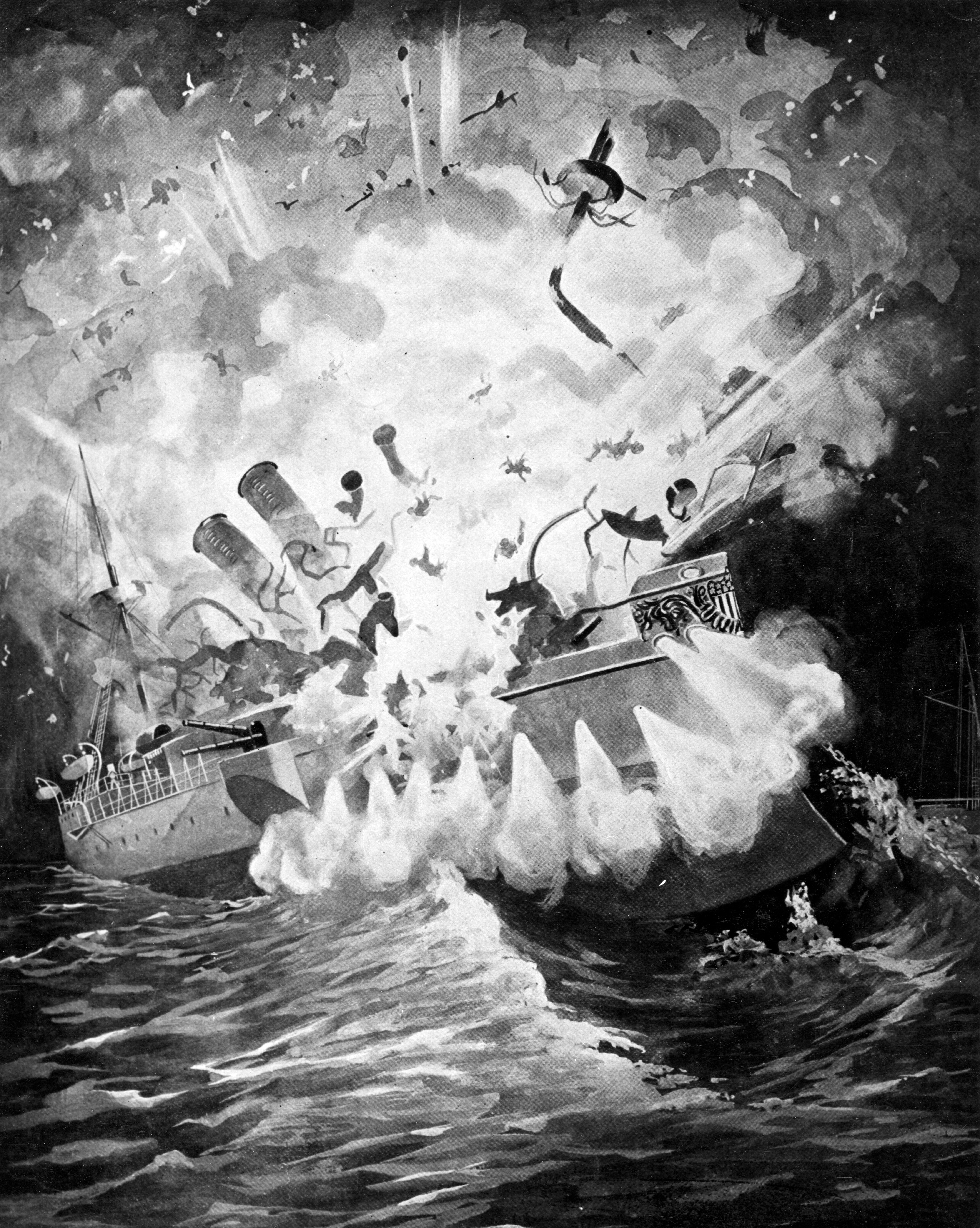
The Cataclysm in Havana Harbor: A Night of Tragedy
The predawn hours of February 15, 1898, were shattered by a catastrophic explosion that ripped through the USS Maine, a U.S. Navy battleship docked in Havana Harbor, Cuba. The blast was immense, causing the ship to sink rapidly, taking with it the lives of 260 American sailors and officers. The immediate aftermath was a scene of chaos and disbelief. Those who survived the initial explosion recounted harrowing tales of darkness, fire, and the chilling realization that their ship, their home, had been destroyed.
The Immediate Aftermath and the Spark of War
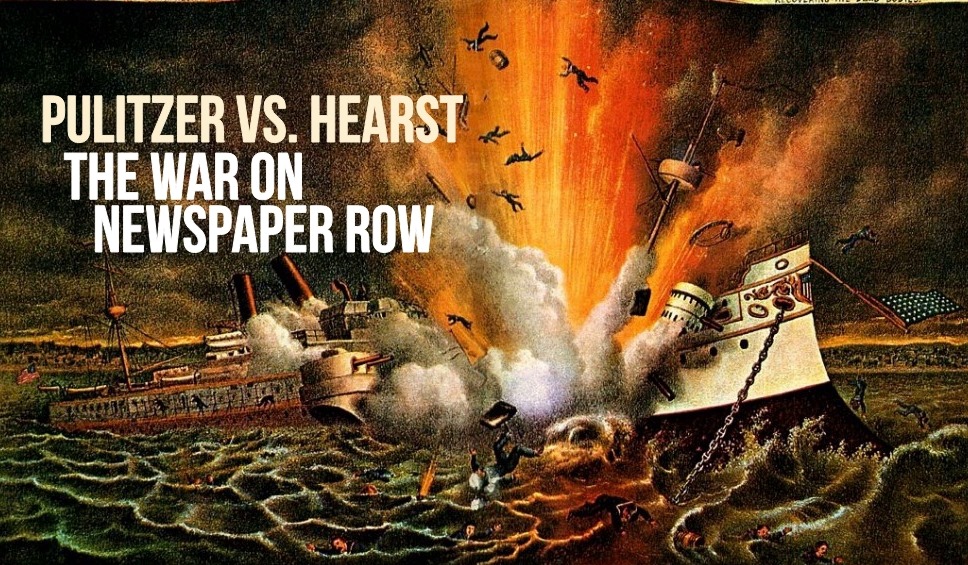
The sinking of the USS Maine sent shockwaves across the United States. Public opinion, already sympathetic to the Cuban struggle for independence from Spanish rule, was galvanized. Newspapers, particularly those owned by William Randolph Hearst and Joseph Pulitzer, sensationalized the event, often blaming Spain directly and without concrete proof. The rallying cry, “Remember the Maine! To hell with Spain!” echoed through the streets and political halls, fueling a potent mix of patriotism, outrage, and a desire for retribution.
While the exact cause of the explosion remains a subject of historical debate, contemporary investigations, most notably the court-martial convened by the U.S. Navy, concluded that the destruction was due to a submarine mine. However, later evidence and analyses have suggested the possibility of an internal accident, such as the spontaneous combustion of coal dust or a malfunction in the ship’s ammunition stores. Regardless of the definitive cause, the public perception at the time was that Spain was responsible, and this sentiment proved to be a powerful catalyst for war.
The Spanish-American War, declared by the United States on April 21, 1898, was swift and decisive. The sinking of the USS Maine served as the immediate pretext, providing the American public and government with the justification they needed to intervene in the Cuban War of Independence. This conflict, though relatively short, had profound implications, marking the emergence of the United States as a global power and leading to the acquisition of Puerto Rico, Guam, and the Philippines as U.S. territories.
For travelers and history enthusiasts, the story of the USS Maine is inextricably linked to the port city of Havana. While the physical remains of the ship are no longer visible in the harbor – the wreckage was salvaged and sunk in deeper waters in 1912 – the memory of the event is a significant part of the city’s historical tapestry. Exploring Havana today, one can still feel the echoes of this turbulent past. The city’s vibrant streets, colonial architecture, and the enduring spirit of its people offer a compelling journey through time. Understanding the historical context of events like the Maine explosion enriches any travel experience, transforming a simple visit into a deeper engagement with the destination’s identity.
Understanding the Legacy: More Than Just a Date
The date of the USS Maine’s explosion, February 15, 1898, is a critical piece of trivia for anyone studying American history. However, its true significance lies not in the singular moment of destruction but in the ripple effects it created. This event serves as a potent reminder of how seemingly isolated incidents can have far-reaching consequences, influencing international relations, shaping national identities, and leaving an indelible mark on the historical landscape.
Historical Debates and Enduring Mysteries
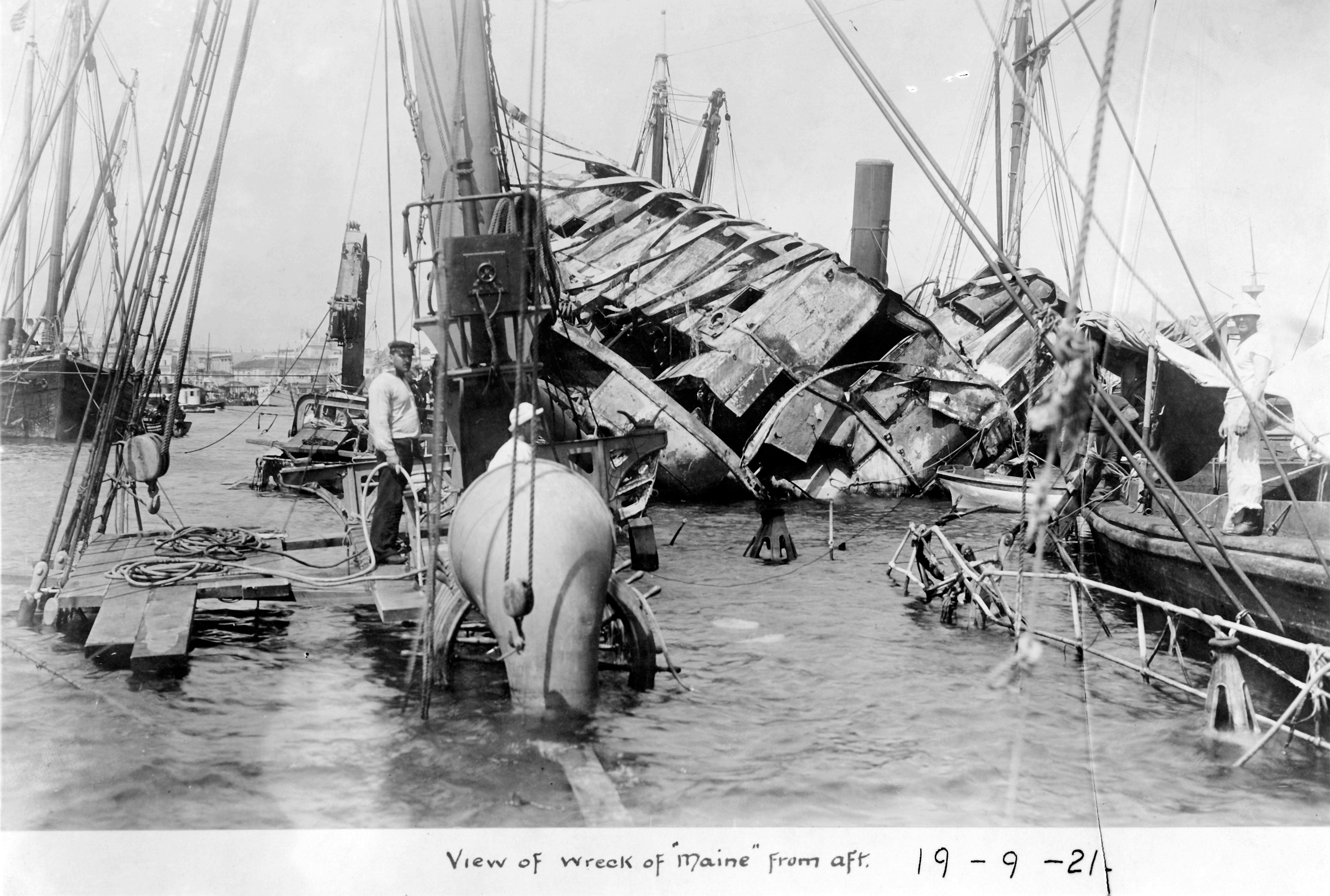
The debate surrounding the cause of the USS Maine’s explosion has persisted for over a century. The initial U.S. Navy court of inquiry pointed to an external mine explosion. However, a second investigation in 1976, led by Admiral Hyman Rickover, concluded that an internal fire in a coal bunker likely ignited the ship’s forward magazines, causing the explosion. This ongoing discussion highlights the complexities of historical interpretation and the challenges of definitively assigning blame when evidence is ambiguous or subject to differing analyses.
This persistent historical debate adds a layer of intrigue to the narrative. It encourages critical thinking about how events are reported, investigated, and remembered. For those interested in historical landmarks and the stories they tell, the USS Maine serves as a case study in how narratives can evolve and how definitive answers are not always readily available. The very act of questioning and re-examining historical events is a crucial part of understanding our past.
The Maine’s Connection to Travel and Tourism
While the physical USS Maine is no longer a visible landmark in Havana Harbor, its story is woven into the broader narrative of Cuba and its relationship with the United States. For travelers interested in history and the cultural landscapes shaped by past conflicts, understanding the impact of the USS Maine explosion is essential.
Cities that have witnessed significant historical events, much like Havana, often possess a unique atmosphere that resonates with visitors. The resilience of their populations, the architectural remnants of different eras, and the local traditions all tell stories of survival, change, and adaptation. Visiting such places allows for a deeper appreciation of history, moving beyond textbook facts to experiencing the tangible and intangible heritage that defines a destination.
Consider, for example, the Arsenale di Venezia in Venice, Italy, or the Tower of London in London, England. These are not just tourist attractions; they are repositories of history, each with its own narratives of conflict, power, and transformation. Similarly, while the USS Maine’s story is one of tragedy and controversy, it forms a crucial part of the historical narrative of Cuba and its path towards independence, influencing its relationship with the United States for decades to come.
Unpacking the Context: The Road to Conflict
The explosion of the USS Maine did not occur in a vacuum. It was the culmination of rising tensions, fueled by a decade of Cuban insurgency against Spanish colonial rule and growing American interest in the island. The historical context surrounding the event is crucial for a comprehensive understanding of its impact and the subsequent war.
The Cuban Struggle for Independence
For much of the 19th century, Cuba was engaged in a protracted struggle for independence from Spain. The Cuban people faced harsh colonial policies, economic exploitation, and a lack of political representation. By the 1890s, a renewed wave of rebellion had erupted, led by figures like José Martí, who became a martyr for the cause. The brutality with which Spain attempted to suppress these uprisings, including the implementation of the infamous reconcentration camps, garnered significant international attention, particularly in the United States.
American Interests and the Yellow Press
The United States had long harbored economic and strategic interests in Cuba. The island’s proximity to the United States, its valuable sugar plantations, and its strategic location in the Caribbean all contributed to this interest. The “yellow press,” a sensationalist style of journalism prevalent at the time, played a crucial role in shaping public opinion. Publishers like Hearst and Pulitzer understood the power of a compelling narrative and skillfully exploited the public’s sympathy for the Cuban rebels and their outrage over perceived Spanish atrocities. The sinking of the USS Maine, whether by accident or design, provided the perfect catalyst for this media-driven fervor, transforming a local struggle into an international crisis.
The narrative of the USS Maine’s explosion serves as a powerful reminder for travelers and history enthusiasts. When visiting historical sites, whether it’s the National Mall in Washington D.C., where the USS Maine Memorial stands, or exploring the colonial streets of Old San Juan in Puerto Rico, understanding the surrounding historical context is paramount. It allows for a richer, more nuanced appreciation of the stories these places have to tell. The event highlights how political events, journalistic practices, and public sentiment can converge to precipitate major historical shifts, influencing travel destinations and the narratives that accompany them for generations. The echo of the USS Maine’s explosion continues to resonate, not just in historical texts, but in the very fabric of the places where its story unfolded.
LifeOutOfTheBox is a participant in the Amazon Services LLC Associates Program, an affiliate advertising program designed to provide a means for sites to earn advertising fees by advertising and linking to Amazon.com. Amazon, the Amazon logo, AmazonSupply, and the AmazonSupply logo are trademarks of Amazon.com, Inc. or its affiliates. As an Amazon Associate we earn affiliate commissions from qualifying purchases.