
Understanding the duration of a flight from Houston to New York is a crucial piece of information for any traveler planning their trip. While the distance between these two major American metropolises might seem straightforward, a host of factors influence the actual time spent in the air, and indeed, the total travel experience. This guide delves into the typical flight times, the variables that affect them, and what to expect when journeying between these vibrant cities.
Factors Influencing Flight Duration
The seemingly simple question of “how long is the flight?” opens up a complex interplay of logistical and environmental elements. While the direct flight path is a geographical constant, the time it takes to traverse it can fluctuate significantly.

Direct vs. Connecting Flights
The most apparent differentiator in flight duration is the choice between a direct flight and one with layovers.
-
Direct Flights: These are the most efficient option, flying from Houston George Bush Intercontinental Airport (IAH) or Houston William P. Hobby Airport directly to one of New York’s primary airports, such as John F. Kennedy International Airport (JFK), LaGuardia Airport (LGA), or Newark Liberty International Airport (EWR). A typical direct flight between Houston and New York generally spans between 3.5 and 4.5 hours. This is the airborne time, not including taxiing, boarding, or deplaning.
-
Connecting Flights: Flights with one or more layovers will inevitably add substantial time to the journey. The duration of a connecting flight is highly variable, depending on the length of the layover and the location of the connecting city. While a flight with a short layover might still be manageable, longer layovers can easily extend the total travel time to 6, 8, or even more hours. Travelers opting for connecting flights often do so for cost savings, but it’s essential to weigh this against the significant increase in travel time.
Aircraft Type and Airline
While less impactful than direct vs. connecting, the specific aircraft model and the airline operating the flight can also play a minor role. Newer, more fuel-efficient aircraft might sometimes allow for slightly faster cruising speeds, though this difference is usually measured in minutes rather than hours. Similarly, airline routing strategies can sometimes influence the flight path to a small degree.
Wind Patterns and Weather Conditions
The prevailing winds in the upper atmosphere, particularly the jet stream, are a significant factor. Flying eastbound from Houston to New York typically benefits from tailwinds from the jet stream, which can reduce flight time. Conversely, flying westbound against these winds would lengthen the journey. Weather systems, both at departure and arrival airports, can also cause delays or necessitate flight path diversions, impacting the overall duration. Air traffic control also plays a role, managing the flow of aircraft to ensure safety and efficiency.
Airport Operations
The time spent on the ground at both Houston and New York airports is a critical component of the total travel experience, even if not directly part of the flight time.
-
Boarding and Deplaning: The process of passengers boarding the aircraft and then disembarking after landing can add 30-60 minutes to the overall travel time. This varies depending on the airline’s efficiency, the number of passengers, and the gate assignment.
-
Taxiing: Once the aircraft has pushed back from the gate, it taxis to the runway for takeoff and from the runway to the gate upon landing. This ground movement can add another 15-30 minutes, especially during peak hours at busy airports like JFK or LAX.
-
Security and Check-in: While not directly related to flight duration, the time spent at the airport before boarding—including check-in, baggage drop, and passing through security—is an integral part of the travel plan. It’s advisable to arrive at the airport at least 2-3 hours before a domestic flight to account for these procedures, especially at major hubs.
Typical Flight Times and Schedules
When planning your itinerary, it’s helpful to have a realistic expectation of flight durations. Airlines provide estimated flight times, but these are often averages.
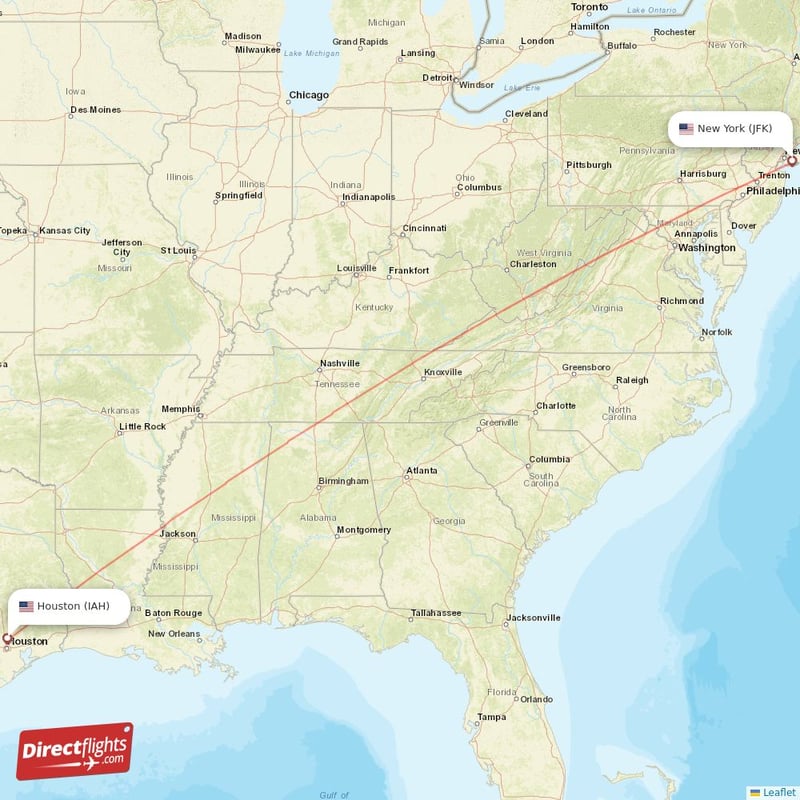
Eastbound Flights (Houston to New York)
As mentioned, eastbound flights from Houston to New York often benefit from tailwinds. This typically results in the shorter end of the typical flight duration.
- Average Direct Flight Time: 3 hours and 45 minutes to 4 hours and 15 minutes.
Airlines like United Airlines, American Airlines, and Southwest Airlines operate numerous daily flights on this popular route, with departures from early morning until late evening. The earliest departures might experience slightly faster travel times due to less air traffic congestion.
Westbound Flights (New York to Houston)
Flights traveling in the opposite direction, from New York to Houston, usually take longer due to flying against prevailing winds.
- Average Direct Flight Time: 4 hours to 4 hours and 30 minutes.
The same major carriers offer frequent westbound flights. While the airborne time is longer, the airport procedures and time differences can make the arrival feel different.
Maximizing Your Travel Experience
Beyond the flight duration itself, several strategies can enhance the overall travel experience when flying between Houston and New York.
Choosing the Right Airport
Both cities offer multiple airport options, and the choice can impact your travel time and convenience.
-
Houston Airports:
- IAH: The larger of the two, serving a vast number of domestic and international routes. It offers more flight options.
- Hobby Airport: Primarily serves domestic flights, especially those operated by Southwest Airlines. It is generally considered easier to navigate and closer to downtown Houston for some travelers.
-
New York Area Airports:
- JFK: A major international hub with extensive connections. It can be time-consuming to reach Manhattan.
- LGA: Primarily handles domestic flights and is generally the closest to Manhattan, making it a convenient choice for many.
- EWR: Located in New Jersey, it also serves the greater New York metropolitan area and is a hub for United Airlines.
Consider where you are staying in each city when selecting your departure and arrival airports to minimize ground transportation time.
Booking Strategies
- Flexibility: If your travel dates are flexible, consider flying mid-week or during off-peak hours. Flights on Tuesdays and Wednesdays are often less expensive and can sometimes have lighter air traffic, potentially leading to shorter flight times.
- Booking in Advance: Booking your flights several weeks or months in advance usually secures better fares and a wider selection of flight times, including direct options.
- Airline Apps and Notifications: Utilize airline apps to track your flight status, receive gate change notifications, and monitor any potential delays.
In-Flight and Airport Preparedness
- Carry-on Essentials: Pack essentials in your carry-on bag: a book, headphones, a fully charged device, and any necessary medications. This minimizes stress if your checked baggage is delayed.
- Comfort: Dress comfortably for the flight, as the cabin environment can vary.
Understanding the nuances of flight duration from Houston to New York goes beyond a simple time calculation. By considering the factors discussed, travelers can make informed decisions, manage their expectations, and ensure a smoother, more predictable journey between these two iconic American cities.
LifeOutOfTheBox is a participant in the Amazon Services LLC Associates Program, an affiliate advertising program designed to provide a means for sites to earn advertising fees by advertising and linking to Amazon.com. Amazon, the Amazon logo, AmazonSupply, and the AmazonSupply logo are trademarks of Amazon.com, Inc. or its affiliates. As an Amazon Associate we earn affiliate commissions from qualifying purchases.