
For any traveler planning a visit to the captivating landscapes of Arizona, understanding the safety and quality of local resources is paramount. Amidst planning itineraries to the Grand Canyon, exploring the red rocks of Sedona, or enjoying the vibrant city life in Phoenix and Tucson, a fundamental question often arises: Is Arizona tap water safe to drink? The short answer for most urban and regulated areas is yes, but a deeper dive reveals nuances vital for an informed and healthy travel experience.
Understanding Arizona’s Water Sources
Arizona’s water supply is a complex and often discussed topic, given its arid climate. The state relies on a blend of surface water and groundwater, meticulously managed to sustain its growing population and extensive agricultural needs.

The Colorado River and Central Arizona Project
A significant portion of Arizona’s water, particularly for its major metropolitan areas like Phoenix and Tucson, originates from the Colorado River. This water is transported via the Central Arizona Project (CAP), a 336-mile system of canals, tunnels, and pumping plants. The Colorado River water, stored primarily in Lake Mead and Lake Havasu, undergoes extensive treatment before it reaches taps. This sophisticated system is designed to remove impurities, pathogens, and other contaminants, ensuring it meets strict federal and state drinking water standards. Travelers staying in cities serviced by the CAP can generally feel confident in the safety of their tap water.
Groundwater and Local Wells
Beyond the Colorado River, groundwater from underground aquifers also plays a crucial role, especially in more rural areas and smaller communities. Many municipalities and private residences rely on local wells. While groundwater is naturally filtered by soil and rock, it can be susceptible to different types of contamination, such as naturally occurring minerals (like arsenic or fluoride in some regions) or runoff from agricultural or industrial activities. Water from public wells is still regulated, but private well owners are responsible for their own testing and treatment. When traveling to more remote parts of Arizona, particularly those off the main grid, it’s always wise to inquire about the specific water source and its treatment, or consider bottled water as a precaution.
Water Quality Regulations and Oversight
The safety of Arizona’s tap water is not left to chance. A robust framework of regulations and monitoring programs is in place to protect public health.
Federal and State Standards
At the federal level, the Environmental Protection Agency (EPA) sets national standards for drinking water quality under the Safe Drinking Water Act. These standards dictate maximum contaminant levels for a wide range of substances, including microorganisms, disinfectants, inorganic chemicals, organic chemicals, and radionuclides. States are then responsible for enforcing these standards. In Arizona, the Arizona Department of Environmental Quality (ADEQ) oversees public water systems, ensuring compliance with both federal and state regulations. This includes regular testing, monitoring, and reporting to ensure that water delivered to homes and businesses is consistently safe.
Local Utility Reporting
Every public water utility in Arizona is required to issue an annual Consumer Confidence Report (CCR) to its customers. These reports detail the source of the water, the contaminants detected, and how those levels compare to the EPA’s safety standards. As a traveler, you can often find these reports online for the specific city or town you are visiting. This transparency allows both residents and visitors to verify the quality of their tap water. Before your trip, a quick search for “[City Name] Water Quality Report” can provide valuable peace of mind.
Factors Influencing Tap Water Safety
While the regulatory framework ensures basic safety, several factors can influence the perceived and actual quality of tap water, which travelers might notice.
Hard Water and Mineral Content
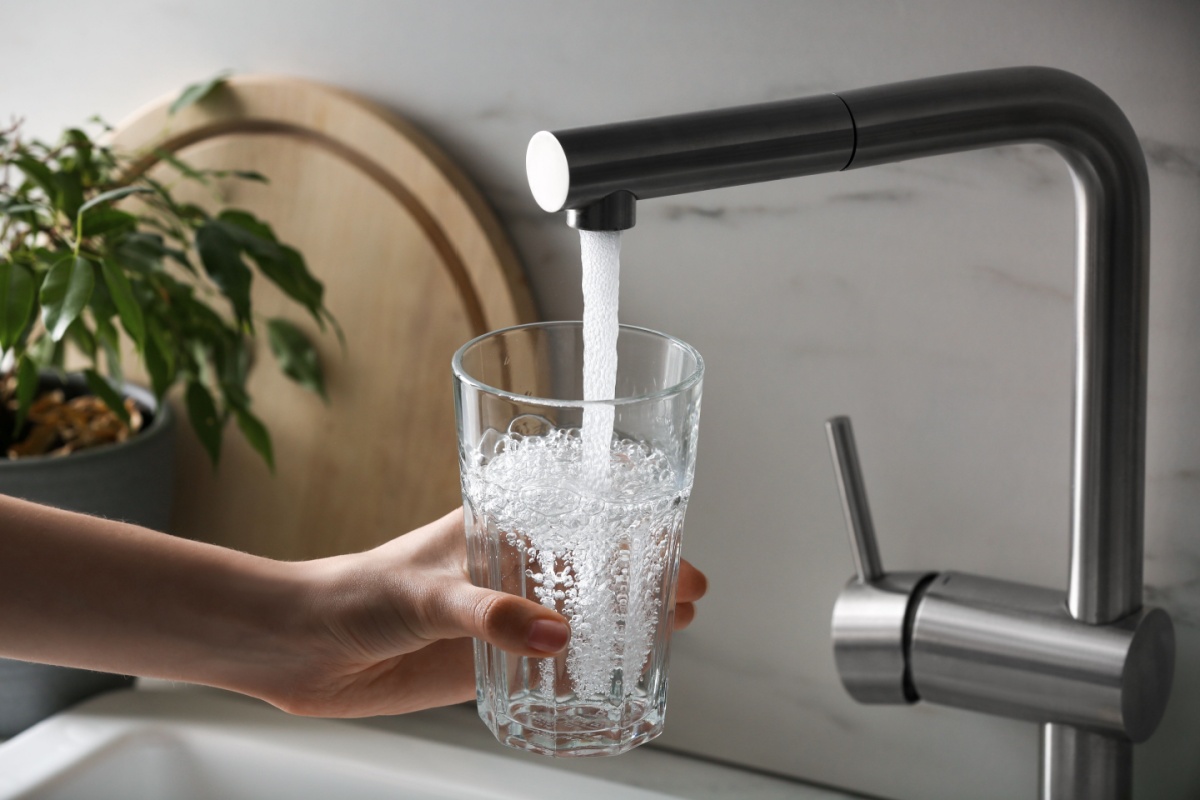
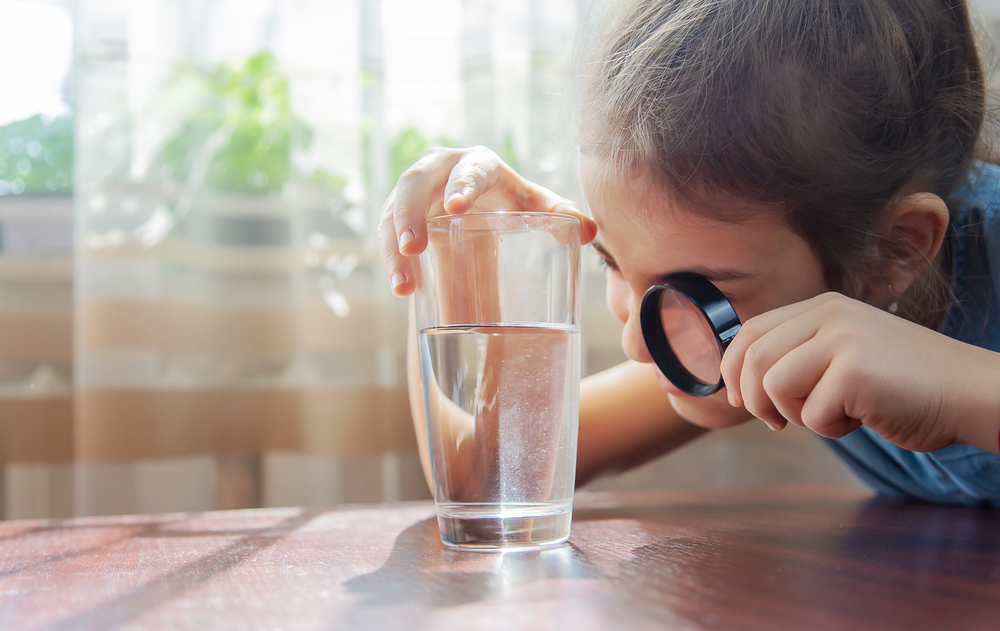
Arizona’s tap water is generally considered “hard,” meaning it contains higher levels of dissolved minerals, particularly calcium and magnesium. This is a common characteristic of water sourced from rivers and groundwater in arid regions. Hard water is not a health concern; it’s perfectly safe to drink. However, it can affect the taste, often described as having an earthy or mineral-like flavor, which some travelers might find less palatable than what they are accustomed to. It can also leave mineral deposits on dishes and showerheads. Many restaurants and hotels use filtration systems to improve taste, but straight from the tap, the mineral content is usually noticeable.
Infrastructure and Aging Pipes
Even if water leaves a treatment plant in pristine condition, its journey through older infrastructure can sometimes affect its quality. Aging pipes, particularly lead service lines in very old buildings (though rare and increasingly mitigated), or internal plumbing issues in individual homes or hotels, can introduce contaminants. Most modern buildings and regulated public systems have robust infrastructure, but it’s a factor to be aware of, especially in very old, unrenovated establishments. Public water systems are actively working to replace lead service lines, and travelers are unlikely to encounter issues in most hospitality settings.
Seasonal Considerations
Arizona’s water sources, especially the Colorado River, are subject to seasonal changes, including fluctuations in snowmelt and rainfall. While treatment plants are designed to handle these variations, extreme weather events like intense monsoon rains can sometimes introduce more sediment or agricultural runoff into surface water sources. Treatment protocols are adjusted accordingly, but these environmental factors highlight the constant vigilance required by water utilities. For the typical traveler, these seasonal shifts rarely translate into a noticeable difference in tap water safety, thanks to diligent treatment.
Practical Tips for Travelers
Understanding the technical aspects of water safety is one thing; navigating it practically during your trip is another. Here are some actionable tips for travelers in Arizona.
Hydration in the Desert
Regardless of tap water safety, staying adequately hydrated is critically important in Arizona’s hot, dry climate. Dehydration can quickly set in, especially when engaging in outdoor activities. Always carry a reusable water bottle and refill it frequently. Trust that the tap water in major cities and established tourist areas is safe for this purpose. Don’t let concerns about taste deter you from drinking enough. Adding a slice of lemon or lime can improve palatability if you find the taste unusual.
When to Consider Alternatives
While tap water in most public systems is safe, there are specific situations where you might consider alternatives:
- Remote or Unregulated Areas: If you are camping in a very remote area, visiting a rural community with private wells, or exploring off-grid locations, bottled water or a personal water filter (designed for backpacking) might be prudent. Some Native American lands might have specific advisories regarding water quality; it’s always best to check with local authorities or community leaders.
- Compromised Immune Systems: Individuals with severely compromised immune systems might prefer bottled water as an extra precaution, though this is a personal choice and not typically mandated for tap water in regulated systems.
- Taste Preference: If the “hard water” taste is genuinely bothersome, bottled water is readily available throughout Arizona. Many hotels also provide filtered water stations.
Filtration Options
For travelers concerned about taste or wanting an added layer of filtration, several options exist:
- Water Filter Pitchers: If you are on a longer stay in an apartment or vacation rental, a Brita or similar filter pitcher can improve taste and remove some residual chlorine.
- Bottle Filters: Personal water bottles with integrated filters are excellent for hikers and outdoor enthusiasts who might be refilling from various sources or simply want to enhance the taste of tap water on the go.
- Hotel Provided Filtration: Many hotels and resorts, particularly higher-end establishments, offer filtered water dispensers in lobbies, gyms, or even in-room.
Regional Variations and Specific Concerns
While the general rule applies, it’s worth noting some regional specifics for Arizona.
Phoenix and Tucson
Both Phoenix and Tucson, as the state’s largest cities, have highly advanced water treatment facilities and robust monitoring programs for their extensive water networks, primarily fed by the Colorado River. Tap water in these metropolitan areas is consistently safe and meets all regulatory standards. Travelers can drink directly from the tap in their hotels, restaurants, and public facilities without concern for health. The main consideration here will likely be the aforementioned hard water taste.
Rural Areas and Native American Lands
In more rural parts of Arizona, especially areas not connected to large municipal systems, groundwater from local wells becomes more prominent. While many of these smaller systems are also regulated by the ADEQ, some might have specific localized issues, such as naturally occurring arsenic or fluoride, which are generally treated. For very remote or tribal lands, it’s always best to consult local guidance. Some Native American communities have faced historical challenges with water infrastructure; however, many areas have made significant strides in ensuring safe drinking water. When in doubt, especially during extensive backcountry travel or visits to less developed areas, carrying your own filtered water or bottled supply is a sensible approach.
In conclusion, for the vast majority of travelers to Arizona’s popular destinations and urban centers, tap water is demonstrably safe to drink, meeting stringent federal and state quality standards. Understanding its origins, the robust regulatory oversight, and the minor influence of factors like water hardness can help you travel confidently, stay hydrated, and fully enjoy all that Arizona has to offer.
LifeOutOfTheBox is a participant in the Amazon Services LLC Associates Program, an affiliate advertising program designed to provide a means for sites to earn advertising fees by advertising and linking to Amazon.com. Amazon, the Amazon logo, AmazonSupply, and the AmazonSupply logo are trademarks of Amazon.com, Inc. or its affiliates. As an Amazon Associate we earn affiliate commissions from qualifying purchases.