
Embarking on a journey from the vibrant desert oasis of Las Vegas to the tranquil, tropical paradise of Hawaii is a popular pilgrimage for many travelers seeking a drastic change of scenery. This trans-Pacific flight bridges two distinctly different worlds, offering an escape from the dazzling lights and buzzing energy of Nevada to the serene beaches and lush landscapes of the Aloha State. For anyone planning this dream getaway, one of the most pressing questions is often: “How long will it take to get there?”
The answer, while seemingly straightforward, depends on several factors, including your specific Hawaiian island destination, whether you opt for a direct or connecting flight, and even prevailing atmospheric conditions. Generally speaking, a direct flight from Harry Reid International Airport (LAS) in Las Vegas to one of Hawaii’s major islands typically ranges from approximately 5.5 to 6.5 hours. This flight duration is long enough to warrant careful planning for comfort and entertainment, yet short enough that it doesn’t feel like an arduous intercontinental journey.
This comprehensive guide will delve into the specifics of flight times to various Hawaiian islands, explore the pros and cons of direct versus connecting flights, and offer essential tips for preparing for your journey across the Pacific. Understanding these details will ensure your travel experience is as smooth and enjoyable as the destination itself.
Understanding the Flight Duration: The Direct Route
When considering a direct flight from Las Vegas to Hawaii, the flight time is primarily determined by the specific island you are flying to. The Hawaiian Islands span a considerable distance, meaning that while all flights head west, the exact trajectory and duration will vary slightly. Direct flights offer the most efficient way to travel, minimizing total travel time and eliminating the stress of layovers.
Typical Flight Times to Major Hawaiian Islands
Most direct flights from Las Vegas will land at the primary international airport on one of the four main tourist islands. Here’s a breakdown of typical non-stop flight durations:
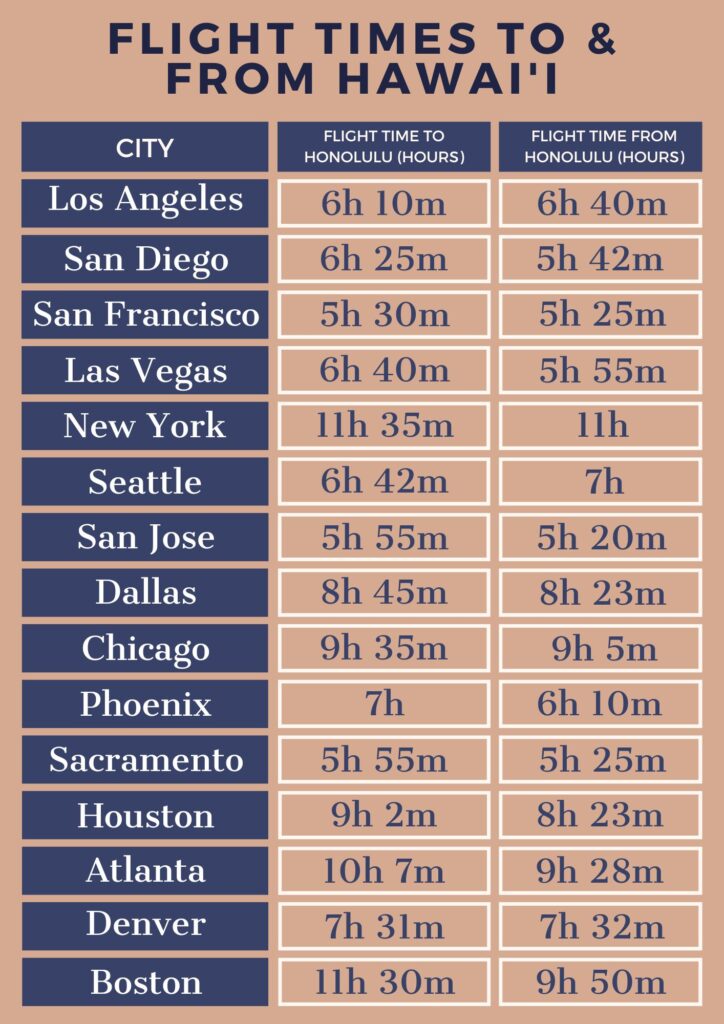
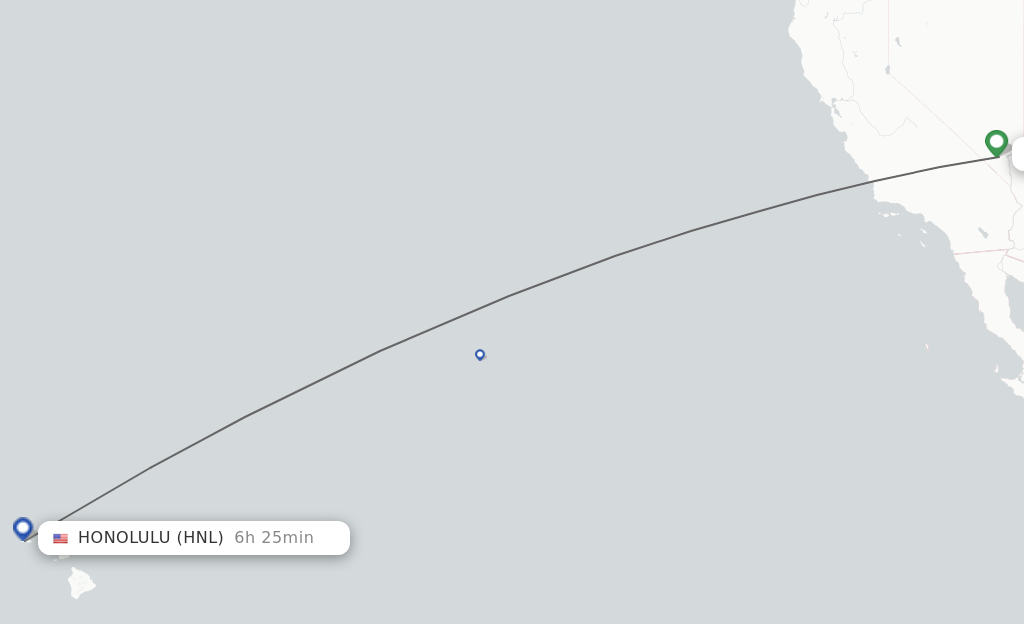
- To Honolulu (Oahu): Flights to Daniel K. Inouye International Airport (HNL) on Oahu, the most common arrival point, usually clock in around 5 hours and 45 minutes to 6 hours and 15 minutes. Oahu is home to the capital city of Honolulu and the iconic Waikiki Beach, making it a frequent first stop for visitors.
- To Kahului (Maui): For those heading to the “Valley Isle,” direct flights to Kahului Airport (OGG) in Maui typically take slightly longer, averaging 6 hours to 6 hours and 30 minutes. Maui is renowned for its stunning beaches, luxury resorts, and the scenic Road to Hana.
- To Kona / Hilo (Hawaii Island): The largest island, commonly known as the Big Island, has two main airports: Kona International Airport (KOA) on the west side and Hilo International Airport (ITO) on the east. Direct flights to either airport are less common from Las Vegas but, when available, would fall within the 6 hours to 6 hours and 30 minutes range, similar to Maui. Hawaii Island offers diverse landscapes, including the Hawaii Volcanoes National Park.
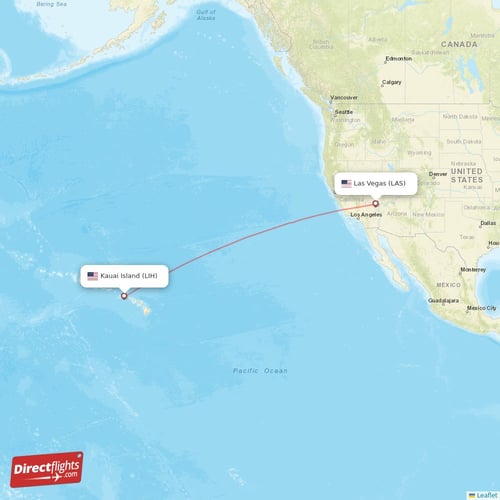
- To Lihue (Kauai): Direct flights to Lihue Airport (LIH) on Kauai, the “Garden Isle,” are also less frequent but generally take around 6 hours and 15 minutes to 6 hours and 45 minutes. Kauai is famous for its dramatic cliffs, such as the Na Pali Coast, and the sprawling Waimea Canyon.
It’s important to note that direct flights from Las Vegas are predominantly available to Honolulu (Oahu) and Kahului (Maui), with fewer options for the other islands.
Factors Influencing Direct Flight Duration
Even for direct flights, the exact time can fluctuate due to several variables:
- Tailwinds/Headwinds: The strongest natural influence on flight duration is wind. Flights traveling westward across the Pacific often contend with headwinds, which can slow down the aircraft and add time to the journey. Conversely, strong tailwinds can significantly reduce flight times.
- Aircraft Type: Different aircraft models have varying cruising speeds. While most airlines use similar wide-body or narrow-body jets for this route (e.g., Boeing 737, 757, 767, or Airbus A321, A330), minor differences in speed can add or subtract a few minutes.
- Air Traffic Control (ATC): Busy airspaces around Las Vegas or the Hawaiian airports can sometimes lead to slight delays in departure or arrival, impacting the overall block time (gate-to-gate).
- Flight Path Optimization: Airlines continuously optimize flight paths for fuel efficiency and speed, adjusting for weather patterns and air traffic, which can lead to slight variations in published flight times.
Navigating Non-Stop vs. Connecting Flights
While direct flights are often the preferred option for their convenience, connecting flights remain a viable and sometimes necessary alternative, especially if direct routes to your desired island are unavailable or prohibitively expensive. Understanding the trade-offs between these two options is crucial for informed travel planning.
The Benefits of Non-Stop Travel
Choosing a non-stop flight from Las Vegas to Hawaii offers several distinct advantages:
- Time Savings: This is the most obvious benefit. By eliminating layovers, baggage transfers, and the risk of missed connections, non-stop flights drastically reduce your total travel time. What might be a 6-hour flight could turn into an 8-12 hour journey with a stop.
- Convenience and Comfort: A single flight means less boarding and deplaning, less time spent in crowded airports, and generally a more relaxed travel experience. You can settle in for the long haul without interruption.
- Reduced Stress: The anxiety associated with navigating unfamiliar airports, rushing between gates, or worrying about checked luggage making it to the final destination is entirely removed with a non-stop option.
- Fewer Chances of Delays: While no flight is immune to delays, connecting flights introduce additional points of failure (e.g., a delay on your first leg impacting your connection), increasing the overall risk of disruptions.
When Connecting Flights Become Necessary or Advantageous
Despite the clear benefits of non-stop travel, connecting flights frequently serve a practical purpose:
- Cost Savings: Often, flights with one or more layovers can be significantly cheaper than direct flights, especially during peak travel seasons. This can be a major deciding factor for budget-conscious travelers.
- Access to Less Common Routes: If your final destination is one of Hawaii’s smaller airports or you wish to fly directly to an island like Kauai or Hawaii Island without a non-stop option from Las Vegas, a connecting flight becomes essential. You might fly direct to Honolulu and then take a short inter-island flight.
- Specific Airline Preference/Loyalty: Travelers loyal to a particular airline that doesn’t offer a non-stop route from Las Vegas may opt for a connecting flight through one of that airline’s hubs.
- Common Layover Cities: When flying from Las Vegas to Hawaii, common layover cities on the West Coast include Los Angeles (LAX), San Francisco (SFO), Phoenix (PHX), and Seattle (SEA). These layovers can add anywhere from 2 to 6+ hours to your total travel time, depending on the connection duration. A flight from Las Vegas to Los Angeles is typically about an hour, followed by a 5.5-6 hour flight to Hawaii, plus the layover time. Therefore, total travel time for a connecting flight could easily range from 8 to 12 hours or more.
Preparing for Your Trans-Pacific Journey
A journey from Las Vegas to Hawaii is a significant flight, crossing multiple time zones and covering thousands of miles. Proper preparation can make all the difference in ensuring you arrive refreshed and ready to enjoy your island escape.
Essential Pre-Flight Considerations
Before you even step foot in the airport, a few key decisions and preparations can streamline your travel experience:
- Booking Strategy: Begin looking for flights well in advance, especially if you’re traveling during peak seasons. Compare prices across different airlines like Southwest Airlines, Hawaiian Airlines, Delta Air Lines, United Airlines, and American Airlines, as they all operate routes to Hawaii from the mainland. Tuesdays, Wednesdays, and Saturdays are often the best days to find cheaper fares. Consider flying out early in the week to avoid weekend surges.
- Packing for a Long Flight: Comfort is paramount. Dress in loose, breathable layers. Pack essential items in your carry-on, including any medications, a change of clothes, and personal hygiene products. A travel pillow, eye mask, and noise-canceling headphones are invaluable for sleep and relaxation.
- Time Zone Changes: Las Vegas observes Pacific Time, while Hawaii observes Hawaii Standard Time. There is a significant time difference, typically 2-3 hours depending on daylight saving (Hawaii does not observe daylight saving). If you depart Las Vegas at noon Pacific Time, you’ll land in Honolulu around 2:00 PM Hawaii Standard Time after a 6-hour flight. This means you gain several hours in your day on arrival, but adjust your internal clock gradually. Try to shift your sleep schedule a few days before departure.
Making the Flight Comfortable and Productive
The roughly 6-hour flight is long enough to warrant proactive measures for comfort and even productivity:
- In-Flight Entertainment: Most major airlines offer seat-back entertainment systems with a wide selection of movies, TV shows, and music. However, it’s always a good idea to download your own content onto a tablet or smartphone as a backup. Books, e-readers, and puzzles can also help pass the time.
- Hydration and Movement: The dry cabin air can be dehydrating. Drink plenty of water before and during the flight, and limit caffeine and alcohol. Get up and move around the cabin every hour or two to promote circulation and prevent stiffness. Simple stretches in your seat can also help.
- Snacks and Meals: While airlines provide meals or snacks on longer flights, having your own healthy options can be a lifesaver. Pack non-perishable items like nuts, fruit, energy bars, or sandwiches.
- Sleep Strategies: If you plan to sleep, consider wearing comfortable clothing, using an eye mask and earplugs/noise-canceling headphones, and reclining your seat (when appropriate). Try to align your sleep with the destination’s time zone as much as possible to minimize jet lag.
Choosing Your Hawaiian Arrival Point: Island by Island
Your chosen Hawaiian island destination will not only dictate your exact flight time but also the type of experience you’ll have. Each island offers its unique charm and attractions, catering to different travel preferences.
Oahu (Honolulu)
Oahu is the most populous and developed of the Hawaiian islands, serving as the main gateway to the state via Daniel K. Inouye International Airport. It is ideal for travelers who enjoy a blend of vibrant city life and stunning natural beauty.
- Key Attractions: The world-famous Waikiki Beach, historic Pearl Harbor, the iconic Diamond Head crater hike, and the surf mecca of the North Shore.
- Vibe: Bustling, diverse, offering a mix of cultural experiences, shopping, dining, and outdoor activities.
Maui (Kahului)
Known as the “Valley Isle,” Maui strikes a balance between development and unspoiled natural splendor. It’s a favorite for honeymooners and those seeking a more relaxed yet adventurous vacation.
- Key Attractions: Watching the sunrise from Haleakala National Park, driving the scenic Road to Hana, snorkeling at Molokini Crater, and exploring the historic town of Lahaina.
- Vibe: Romantic, adventurous, with world-class resorts and breathtaking landscapes.
Hawaii Island (Big Island – Kona/Hilo)
The largest and youngest of the islands, Hawaii Island (often called the Big Island) offers incredibly diverse landscapes, from volcanic deserts to lush rainforests and snow-capped peaks.
- Key Attractions: Exploring Hawaii Volcanoes National Park, stargazing atop Mauna Kea, visiting Kona coffee farms, and discovering black sand beaches.
- Vibe: Adventurous, exploratory, showcasing the raw power and beauty of nature.
Kauai (Lihue)
Referred to as the “Garden Isle,” Kauai is characterized by its dramatic cliffs, emerald valleys, and cascading waterfalls. It’s ideal for nature lovers and those seeking solitude and outdoor adventure.
- Key Attractions: Hiking the Kalalau Trail along the Na Pali Coast, marveling at the vastness of Waimea Canyon (the “Grand Canyon of the Pacific”), and taking a helicopter tour over the island’s untouched interior.
- Vibe: Tranquil, rugged, perfect for hiking, kayaking, and immersing oneself in pristine natural environments.
In conclusion, a direct flight from Las Vegas to Hawaii is a manageable journey, typically spanning 5.5 to 6.5 hours depending on your final island destination. While connecting flights may offer cost savings, the efficiency and convenience of a non-stop option are often preferred for this trans-Pacific route. By understanding the factors that influence flight duration, preparing adequately for the journey, and choosing the island that best suits your travel style, you can ensure your transition from the dazzling lights of Las Vegas to the soothing shores of Hawaii is as smooth and enjoyable as the destination itself. The adventure begins the moment you board your flight, bringing you closer to the unparalleled beauty and spirit of Aloha.
LifeOutOfTheBox is a participant in the Amazon Services LLC Associates Program, an affiliate advertising program designed to provide a means for sites to earn advertising fees by advertising and linking to Amazon.com. Amazon, the Amazon logo, AmazonSupply, and the AmazonSupply logo are trademarks of Amazon.com, Inc. or its affiliates. As an Amazon Associate we earn affiliate commissions from qualifying purchases.