
Delano California, often recognized for its rich agricultural heritage and pivotal role in labor history, is a vibrant city nestled within the heart of California’s sprawling Central Valley. For travelers seeking to understand the geographical tapestry of the Golden State, pinpointing Delano’s exact location is crucial, as it serves as a gateway to diverse experiences, from exploring agricultural landscapes to accessing nearby natural wonders. This article delves into Delano’s precise geographical placement, its connectivity, and why its location makes it a noteworthy point of interest for various types of travel.
Pinpointing Delano: A Central Valley Gem
Understanding where Delano lies on the map provides context for its identity and its role within the broader Californian landscape. It’s a city deeply rooted in the fertile lands that define much of the state’s agricultural output, offering a distinct contrast to California’s more famous coastal or mountainous regions.
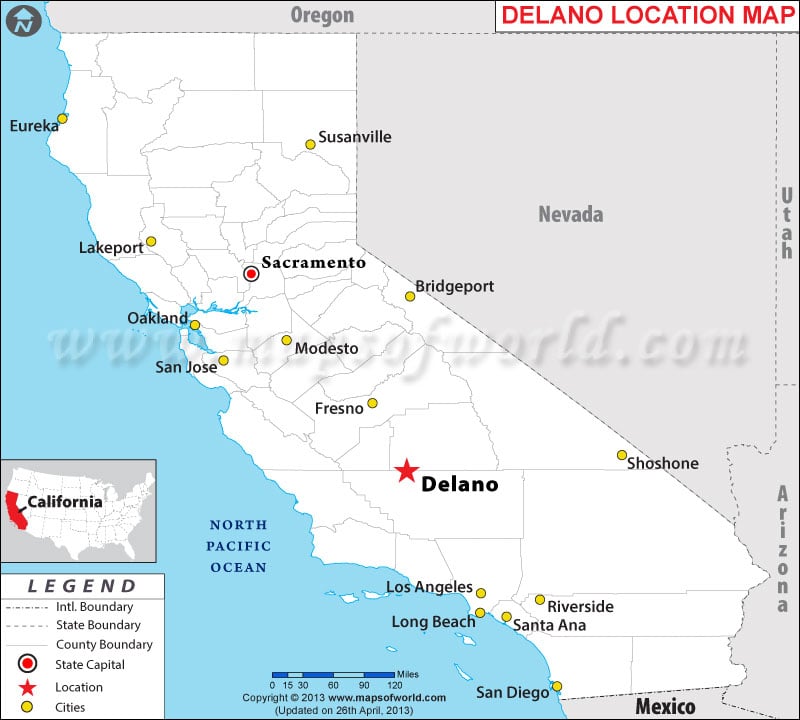
Geographical Coordinates and Context
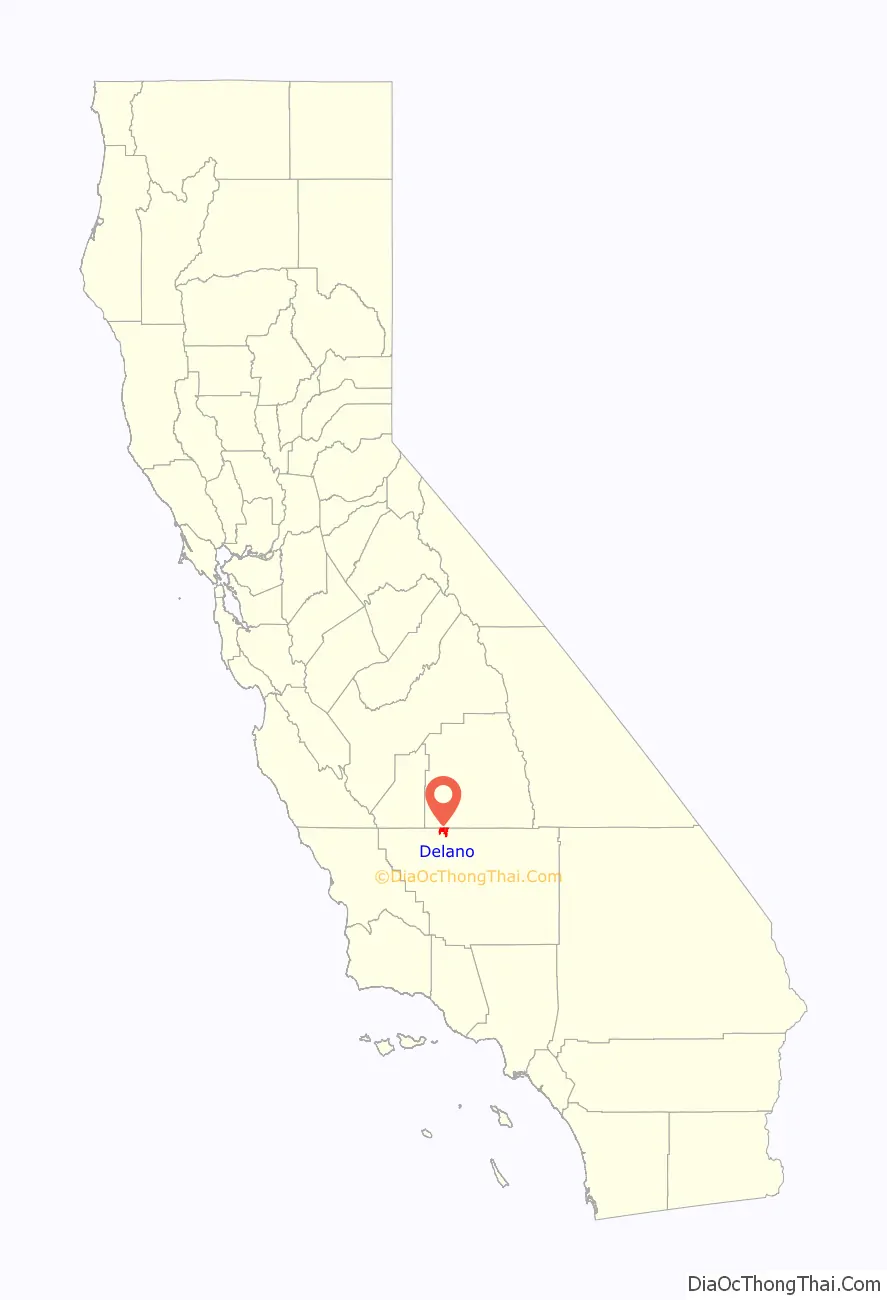
Delano is situated in the northern part of Kern County, approximately 30 miles north of Bakersfield and about 65 miles south of Fresno. Its geographical coordinates place it around 35.77° N latitude and 119.25° W longitude. This positioning firmly establishes it within the San Joaquin Valley, the southern half of the larger Central Valley. The valley floor here is remarkably flat, a characteristic that has profoundly shaped the region’s development, primarily revolving around large-scale agriculture. The climate is typical of an inland valley, characterized by hot, dry summers and mild, foggy winters, which influences both local life and travel considerations. The surrounding topography is dominated by vast tracts of farmland, extending as far as the eye can see, occasionally punctuated by small towns and the distant outlines of the Sierra Nevada Mountains to the east.
Proximity to Major Cities and Regions
While Delano itself is a community of modest size, its location offers surprisingly good access to some of California’s major urban centers and popular tourist regions. Traveling south, Bakersfield is less than an hour away, offering more extensive amenities and services. Further south, the sprawling metropolis of Los Angeles is roughly a 2.5 to 3-hour drive, making Delano a feasible stopover for those traveling between Northern and Southern California. To the north, Fresno, another significant Central Valley city, is about an hour’s drive. San Francisco and the Bay Area are approximately a 4-hour drive to the northwest, while the state capital, Sacramento, lies about 3.5 hours to the north. This central location makes Delano a strategic point for those exploring the less-traveled inland routes of California or those interested in understanding the backbone of the state’s agricultural economy.
The Heart of Agricultural California
Delano’s identity is inextricably linked to its position within one of the most productive agricultural regions in the world. The fertile soil and extensive irrigation systems of the San Joaquin Valley allow for the cultivation of a vast array of crops. Delano is particularly famous for its grape production, playing a significant role in California’s table grape industry. Beyond grapes, the surrounding fields yield citrus, nuts, cotton, and various vegetables. For travelers, this means a landscape dominated by endless rows of crops, processing plants, and a workforce that embodies the rich diversity of California. Agricultural tours, farm stands, and seasonal harvest festivals are common in the area, offering a unique travel experience focused on the origin of food and the hard work behind it. Understanding this agricultural context is key to appreciating Delano’s heritage and its ongoing contribution to the state’s economy and culture.
Accessibility and Transportation Hubs
Reaching Delano is relatively straightforward, thanks to its proximity to major highways and its position within a well-connected region. For travelers, understanding the primary routes and transportation options is vital for seamless journey planning.
Driving to Delano: Major Highways
The most common way to access Delano is by car. The city is conveniently located directly on California State Route 99 (Highway 99), a major north-south artery that runs through the entire Central Valley. This highway connects Delano to Bakersfield to the south and Fresno, Sacramento, and beyond to the north. For those traveling on Interstate 5, another primary north-south route that parallels Highway 99 to the west, Delano can be accessed via various east-west connectors, such as Highway 46 or Highway 58, which will lead travelers directly to Highway 99. The road infrastructure is generally well-maintained, offering smooth travel through the predominantly flat terrain. Travelers should be mindful of agricultural truck traffic, especially during harvest seasons, and potential fog during winter months, which can significantly impact visibility.
Nearest Airports and Train Services
While Delano does not have its own commercial airport, several regional and international airports serve the area, making air travel a viable option. The closest commercial airport is Meadows Field Airport (BFL) in Bakersfield, approximately 30 miles south. BFL offers connections to major hubs like Denver and Dallas/Fort Worth. Further north, Fresno Yosemite International Airport (FAT) is about 65 miles away, providing a broader range of domestic flights. For international travelers or those seeking more flight options, Los Angeles International Airport (LAX) is the largest and busiest option, requiring a scenic drive of approximately 2.5 to 3 hours upon arrival.
For those preferring rail travel, Amtrak offers services through the San Joaquin Valley, with a station conveniently located in Delano. The San Joaquins route connects riders from Bakersfield north to Oakland or Sacramento, providing a comfortable and scenic alternative to driving. This makes Delano accessible for those who wish to avoid renting a car for their entire journey, though a vehicle is often recommended for exploring the surrounding areas comprehensively.
Getting Around Delano
Once in Delano, getting around is relatively straightforward. The city’s grid-like layout makes navigation simple, and most key areas are within a short driving distance. Public transportation within Delano is provided by Delano Area Rapid Transit (DART), offering fixed-route and demand-response services. However, for travelers looking to explore the region’s agricultural fields, visit nearby towns like Richgrove, McFarland, or Earlimart, or venture into the natural parks, renting a car is highly recommended. Taxis and ride-sharing services may also be available, but their frequency and coverage might be limited compared to larger metropolitan areas.
Why Visit Delano? Beyond the Location
While its location might primarily suggest a transit point, Delano offers unique cultural and historical insights that make it a compelling destination for travelers interested in a deeper understanding of California’s social and agricultural fabric.
A Glimpse into Local History and Culture
Delano is perhaps most renowned for its pivotal role in American labor history, particularly as the birthplace of the Delano Grape Strike and the broader farm labor movement. It was here that Cesar Chavez and the United Farm Workers (UFW) began their historic struggle for farmworkers’ rights in 1965. Travelers can visit historic sites like Forty Acres, the former headquarters of the UFW, which is now a National Register of Historic Places landmark. This site offers a powerful educational experience, shedding light on a critical chapter in civil rights and labor activism. The city also hosts murals and memorials dedicated to this legacy, reflecting a strong sense of community and social justice. Exploring these historical sites provides a profound insight into the challenges and triumphs of ordinary people shaping national history.
Local Events and Community Spirit
Delano’s community spirit is vibrant, often expressed through its local events and festivals. The annual Harvest Holidays is a significant celebration that showcases the city’s agricultural roots, featuring parades, carnivals, and local produce. Other cultural events throughout the year reflect the diverse ethnic makeup of the community, including Filipino, Latino, and other cultural celebrations, offering visitors a chance to experience authentic local traditions, food, music, and dance. These events are excellent opportunities for travelers to engage with residents, taste local cuisine, and gain a more intimate understanding of Delano’s unique cultural blend.
Exploring Nearby Attractions and Natural Beauty
Delano’s location also serves as a convenient base for exploring a range of natural attractions. To the east, within a reasonable driving distance (approximately 1.5 to 2 hours), lie the majestic Sierra Nevada Mountains, home to Sequoia National Forest and Kings Canyon National Park. These parks are famous for their giant sequoia trees, stunning mountain scenery, hiking trails, and abundant wildlife, offering a stark contrast to the flat agricultural landscape of the valley. For outdoor enthusiasts, this proximity means that a trip focused on Delano’s cultural history can easily be combined with an adventure into some of California’s most breathtaking natural wonders. Furthermore, the region around Delano, including nearby cities like Tulare and Porterville, offers smaller local parks, lakes, and recreational areas for picnics, fishing, and boating, providing diverse options for travelers seeking both relaxation and adventure.
Planning Your Trip to Delano
A well-planned trip to Delano can ensure a fulfilling experience, whether you’re passing through or dedicating time to explore its unique offerings.
Best Time to Visit
The Central Valley climate means distinct seasons. Spring (March to May) and Fall (September to November) are generally considered the best times to visit Delano. During these months, temperatures are mild and pleasant, ideal for exploring historical sites, visiting farms, and enjoying outdoor activities. Summers (June to August) can be intensely hot, with temperatures often exceeding 100°F (38°C), making outdoor exploration less comfortable. Winters (December to February) are mild but can be prone to dense fog, known locally as “tule fog,” which can affect visibility and travel plans, especially on highways. Checking local weather forecasts closer to your travel date is always advisable.
Accommodation Options
As a smaller city, Delano offers a selection of budget-friendly to mid-range hotels and motels, primarily located near Highway 99 exits. These options provide comfortable and convenient stays for travelers. For those seeking more extensive choices or higher-end accommodations, Bakersfield, being a larger city, offers a broader array of hotels, including well-known chains and boutique options. Travelers might consider staying in Bakersfield and making day trips to Delano, especially if they plan to combine their visit with other attractions in Kern County. Additionally, for a more unique experience, local bed-and-breakfasts or vacation rentals in the surrounding agricultural areas might offer a charming, immersive stay, though these may require booking well in advance.
Dining and Local Flavors
Delano’s culinary scene reflects its diverse population and agricultural bounty. Visitors can expect to find a wide array of authentic Mexican, Filipino, and American dining options. Given its agricultural focus, local produce, especially grapes and other fruits, is often fresh and readily available at farmers’ markets and roadside stands during harvest seasons. Exploring local eateries provides an opportunity to savor home-style cooking and regional specialties that are distinct from what you might find in larger Californian cities. Don’t miss the chance to try locally grown produce, which is a highlight of any visit to the Central Valley.
Delano’s Role in the California Tapestry
Delano’s strategic location and historical significance weave it firmly into the larger narrative of California’s development and identity.
Economic Significance and Contribution
While often overshadowed by the tech hubs and entertainment industries, regions like Delano are the economic backbone of California’s agriculture. The produce cultivated in and around Delano feeds the nation and contributes significantly to the state’s economy. Understanding this agricultural powerhouse firsthand offers travelers a unique perspective on the intricate supply chains that underpin modern society. Visiting Delano allows for a deeper appreciation of the hard work and innovation that characterize California’s often-unseen industries. The city’s economic contribution extends beyond just production, encompassing processing, distribution, and the associated service industries, making it a crucial node in the state’s industrial fabric.
Gateway to Diverse California Experiences
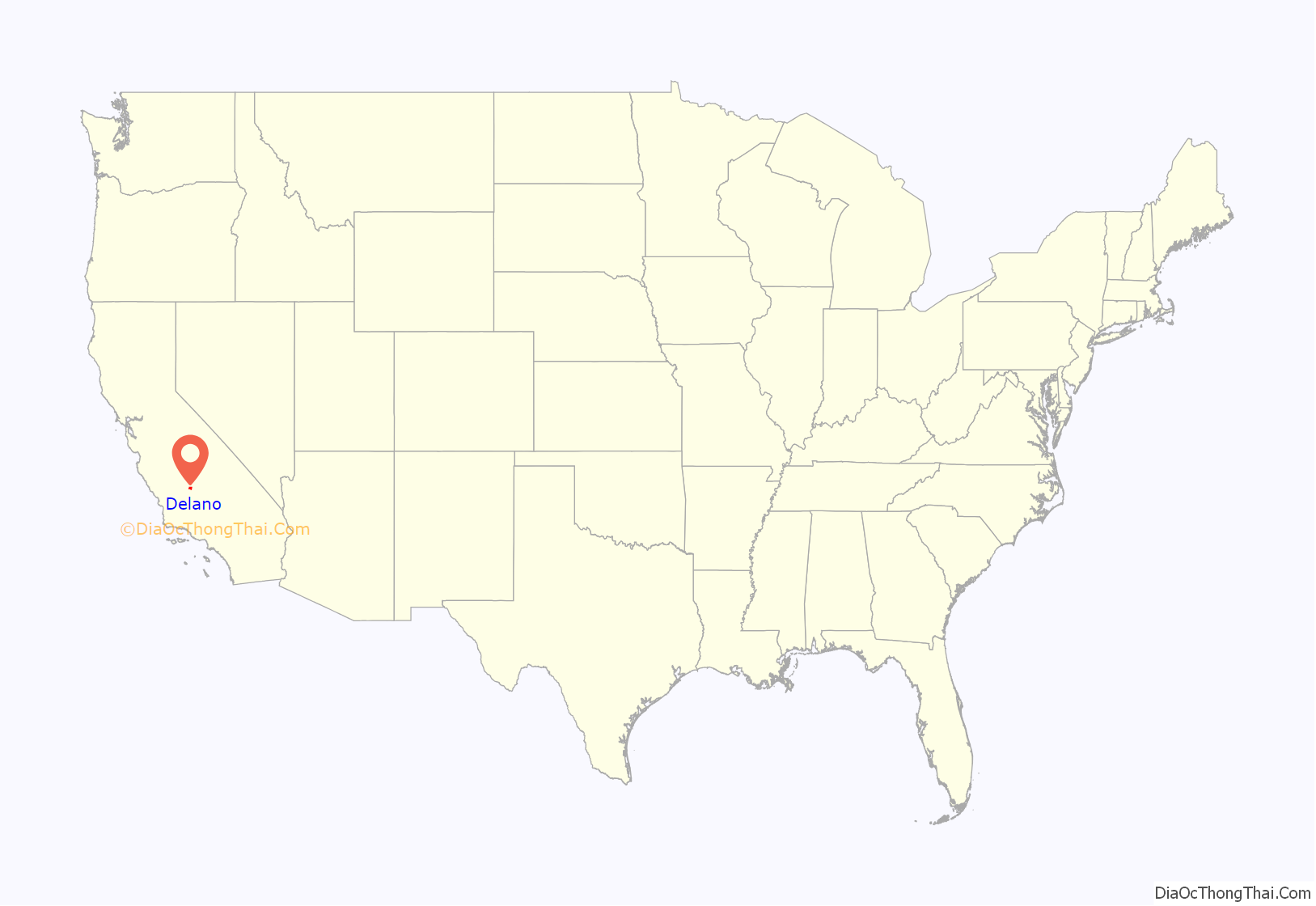
For the discerning traveler, Delano is more than just a dot on the map; it’s a launchpad for diverse Californian experiences. Its central location allows travelers to easily pivot from the historical insights of the Central Valley to the towering giants of Sequoia National Park, or to continue their journey north towards the Bay Area or south to Los Angeles. It represents the authentic, working heart of California, offering a compelling alternative or complement to the state’s more conventional tourist routes. By understanding “Where is Delano California located?”, travelers unlock a region rich in history, culture, and natural beauty, providing a more comprehensive and meaningful exploration of the Golden State.
LifeOutOfTheBox is a participant in the Amazon Services LLC Associates Program, an affiliate advertising program designed to provide a means for sites to earn advertising fees by advertising and linking to Amazon.com. Amazon, the Amazon logo, AmazonSupply, and the AmazonSupply logo are trademarks of Amazon.com, Inc. or its affiliates. As an Amazon Associate we earn affiliate commissions from qualifying purchases.