
Embarking on a journey from the sprawling urban landscape of Los Angeles to the sun-drenched shores of Australia is a quintessential bucket-list experience. Spanning the vast expanse of the Pacific Ocean, this trans-Pacific route connects two of the world’s most vibrant regions. However, for many travelers, the primary question before booking is the duration of the flight. Understanding how long it takes to traverse from North America to Oceania is crucial for effective itinerary planning, jet lag management, and ensuring a comfortable travel experience.
The flight from the United States West Coast to the “Land Down Under” is one of the longest commercial flight paths in the world. While the physical distance is immense—approximately 7,500 miles depending on the specific city—modern aviation technology and premium cabin services have made the journey more accessible and enjoyable than ever before. Whether you are heading to the iconic Sydney Opera House or the rugged beauty of the Great Barrier Reef, knowing what to expect in terms of time is the first step in your adventure.
Understanding Flight Durations to Major Australian Gateways
When flying from Los Angeles, your total travel time will largely depend on your specific arrival city. Australia is a massive continent, and flying into the East Coast is significantly shorter than attempting to reach the western regions in a single leap.
Los Angeles to Sydney
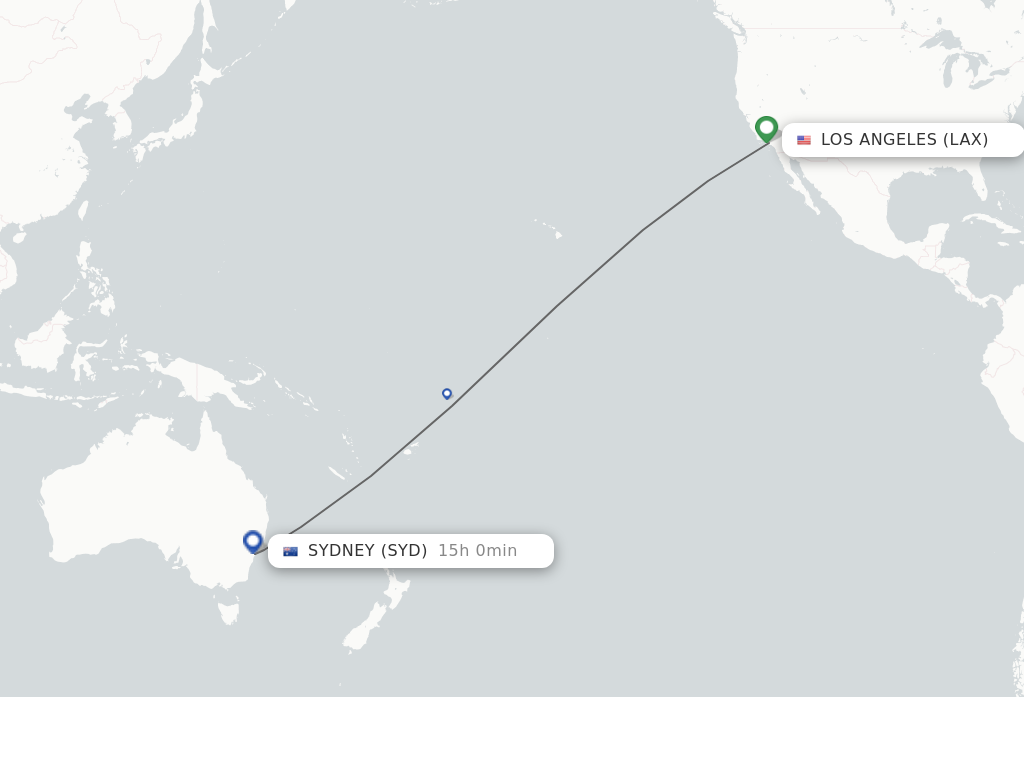
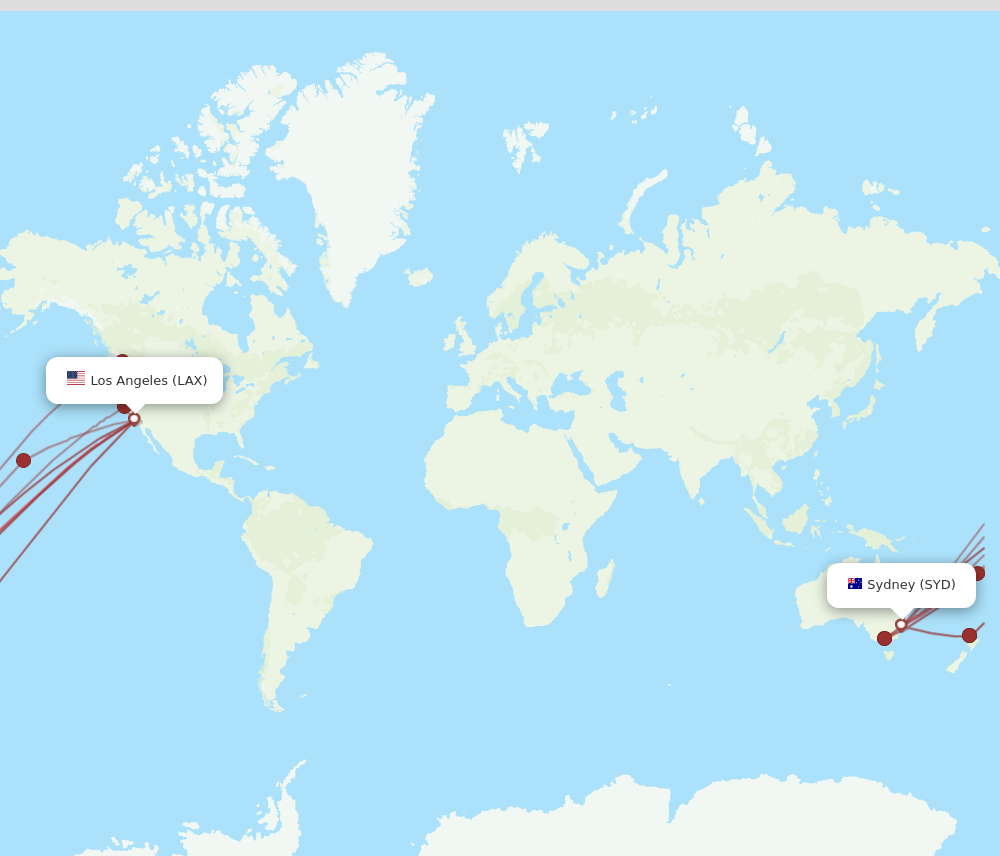
The route from Los Angeles to Sydney is the most popular and frequently serviced corridor. A direct flight typically lasts between 15 hours and 15 hours and 30 minutes. Most flights depart in the late evening from Los Angeles International Airport and arrive at Kingsford Smith Airport in the early morning, two days later. This “time skip” is due to crossing the International Date Line, a phenomenon that can be disorienting for first-time travelers.
Los Angeles to Melbourne
For those heading further south to the cultural capital of Melbourne, the flight duration increases slightly. A non-stop journey to Tullamarine Airport generally takes about 15 hours and 50 minutes to 16 hours and 15 minutes. Because Melbourne is located further south and west than Sydney, the flight path covers a bit more distance across the southern Pacific Ocean.
Los Angeles to Brisbane
Brisbane, the gateway to the Gold Coast and Queensland, is actually the closest major Australian port to the United States. Direct flights from Los Angeles to Brisbane are often the shortest, clocking in at approximately 13 hours and 45 minutes to 14 hours and 15 minutes. This makes it an attractive option for those who wish to minimize their time in the air before starting their holiday.
Factors Influencing Your Trans-Pacific Journey Time
While the flight schedules provided by airlines are a good baseline, several variables can shorten or extend your time in the air. From atmospheric conditions to the choice of airline, the “actual” time spent traveling can fluctuate.
Direct vs. Connecting Flights
The choice between a non-stop flight and a connecting flight is the most significant factor in your total travel time. While direct flights are the fastest, many travelers opt for connections in cities like San Francisco, Dallas, or Honolulu to save on costs or break up the long journey. A connecting flight can easily extend your total travel time to 20 or even 25 hours, depending on the length of the layover. If you are flying to smaller cities like Adelaide or Perth, a connection in a major hub like Sydney is almost always required, adding several hours to the itinerary.
The Impact of Jet Streams and Weather
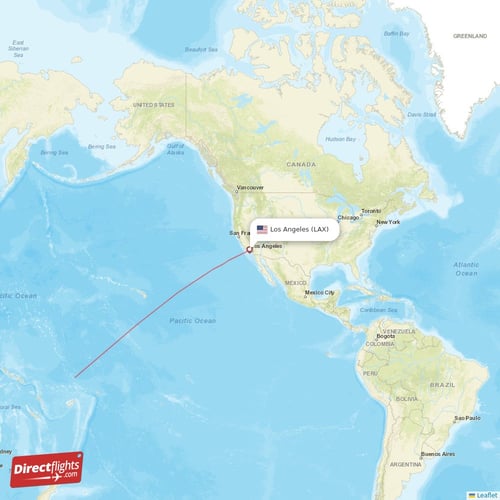
Aviation is heavily influenced by the jet stream—high-altitude air currents that move from west to east. When flying from Australia back to Los Angeles, these winds act as a “tailwind,” often shaving an hour or more off the flight time. Conversely, when flying westward from California to Australia, aircraft must fly against these “headwinds,” which is why the outbound flight is typically longer than the return leg. Seasonal weather patterns over the Pacific Ocean, such as tropical storms or turbulence near the equator, may also require pilots to adjust the flight path, slightly altering the duration.
Stopover Locations: Fiji, Hawaii, and New Zealand
For travelers who find 15 hours in a cabin daunting, the trans-Pacific route offers several stunning stopover opportunities. Many choose to fly with Fiji Airways and spend a few days in Nadi, or stop in Honolulu with Hawaiian Airlines. Another popular route involves flying Air New Zealand with a stop in Auckland. While these options increase the total number of days spent traveling, they reduce the continuous flight time and allow for the exploration of additional Polynesian or Melanesian cultures.
Navigating Airlines and In-Flight Services
Given the length of the flight, the airline you choose plays a pivotal role in how you perceive the time passing. Several world-class carriers service this route, offering varying levels of comfort, entertainment, and hospitality.
Leading Carriers: Qantas, United, and Delta
Qantas, the national carrier of Australia, is often the preferred choice for this route. They operate modern aircraft like the Boeing 787 Dreamliner and the Airbus A380, which are designed for ultra-long-haul comfort with better cabin pressure and humidity. United Airlines and Delta Air Lines also provide daily non-stop services, offering competitive amenities and extensive loyalty program benefits for American travelers. American Airlines also maintains a strong presence, often partnering with Qantas to provide a seamless booking experience across the Pacific Ocean.
Maximizing Comfort on Long-Haul Flights
On a 15-hour flight, the quality of the in-flight experience is paramount. Most carriers on this route offer seat-back entertainment systems with hundreds of movies, shows, and games to keep passengers occupied. For those who can afford the upgrade, Premium Economy, Business Class, or First Class provide lie-flat beds, which are game-changers for arriving in Australia feeling refreshed. Regardless of your cabin, experts recommend staying hydrated, avoiding excessive caffeine, and performing light stretches in the aisles to maintain circulation during the long hours over the ocean.
Practical Planning Tips for the LAX to Australia Route
Preparing for a flight of this magnitude requires more than just packing a suitcase. You are essentially moving through time and space in a way that challenges the human body’s internal clock.
Managing Time Zone Changes and Jet Lag
The time difference between Los Angeles and the East Coast of Australia is significant—usually between 17 to 19 hours depending on Daylight Savings. When you land in Sydney, your body will likely think it is the middle of the afternoon yesterday, while the locals are starting their workday. To combat jet lag, it is advisable to adjust your sleep schedule a few days before departure and to stay awake until at least 8:00 PM local time once you arrive in Australia. Exposure to natural sunlight upon arrival at Bondi Beach or the Royal Botanic Garden Sydney can help reset your circadian rhythm.
Essential Travel Documents and Entry Requirements
Before you board your flight at LAX, you must ensure your paperwork is in order. Most United States citizens require an Electronic Travel Authority (ETA) to enter Australia. This is a digital visa that is usually processed quickly but should be applied for at least a week before departure. Additionally, Australia has very strict biosecurity laws. During the flight, you will be given an Incoming Passenger Card. It is vital to declare any food, plant material, or animal products to avoid heavy fines upon arrival at airports in Brisbane, Melbourne, or Sydney.
Traveling from Los Angeles to Australia is an exercise in patience and an opportunity for reflection. As the aircraft glides over the Pacific Ocean, passing over tiny island nations and the vast blue wilderness, the 15-hour duration becomes a bridge between two worlds. By choosing the right flight, preparing for the time jump, and selecting a carrier that prioritizes comfort, the “long” flight becomes a manageable and exciting prologue to an unforgettable Australian adventure. Whether you are there to surf in Byron Bay, explore the outback near Alice Springs, or conduct business in the skyscrapers of Sydney, the journey is just as much a part of the story as the destination itself.
LifeOutOfTheBox is a participant in the Amazon Services LLC Associates Program, an affiliate advertising program designed to provide a means for sites to earn advertising fees by advertising and linking to Amazon.com. Amazon, the Amazon logo, AmazonSupply, and the AmazonSupply logo are trademarks of Amazon.com, Inc. or its affiliates. As an Amazon Associate we earn affiliate commissions from qualifying purchases.