
Embarking on a journey from the bustling streets of New York to the serene, tropical landscapes of Hawaii is one of the most ambitious domestic trips a traveler can take within the United States. Spanning nearly 5,000 miles across the continent and a significant portion of the Pacific Ocean, this trek transitions you from the “City That Never Sleeps” to the “Aloha State.” Understanding the logistics, flight durations, and travel options is essential for anyone looking to trade the skyscrapers of Manhattan for the volcanic peaks of Oahu or Maui.
Direct Flights: The Non-Stop Experience
For many travelers, the most efficient way to bridge the gap between North America and the Polynesian archipelago is a non-stop flight. These routes are prestigious and demanding, often utilizing wide-body aircraft designed for long-haul international travel.
Departure Points in the Tri-State Area
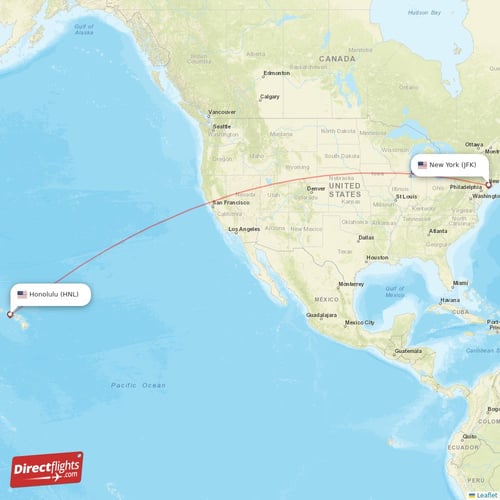
Most direct flights to Hawaii depart from two major hubs: John F. Kennedy International Airport (JFK) and Newark Liberty International Airport (EWR). While LaGuardia Airport handles a vast amount of regional traffic, its runway limitations and distance constraints mean it does not host these massive trans-Pacific routes.
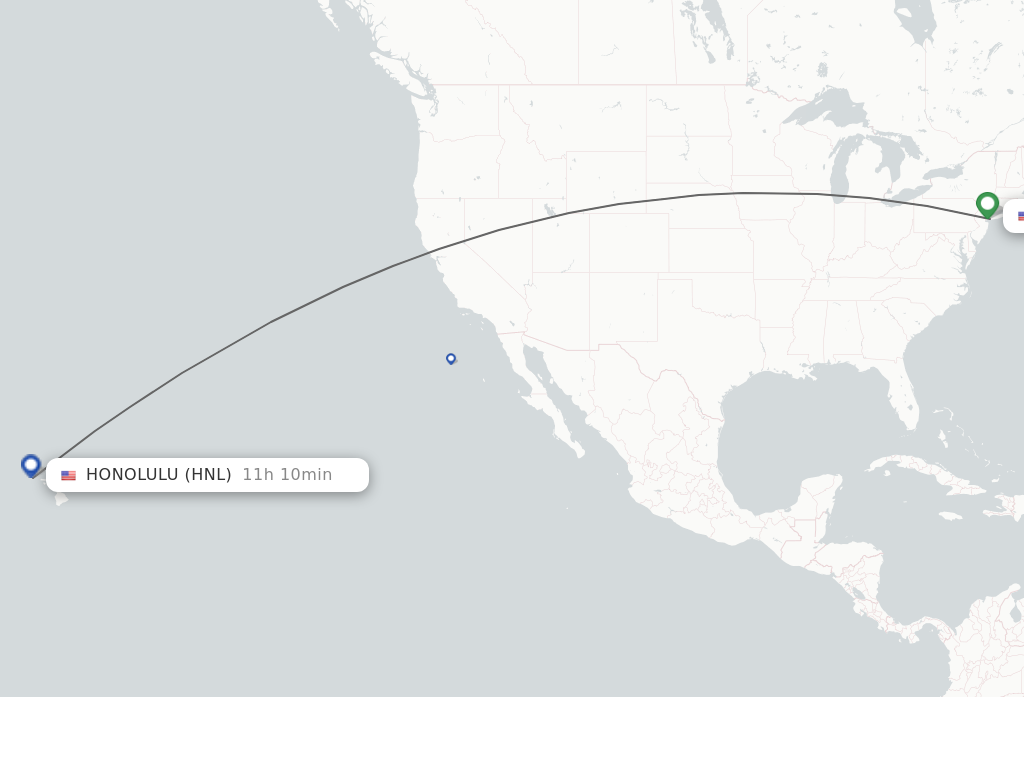
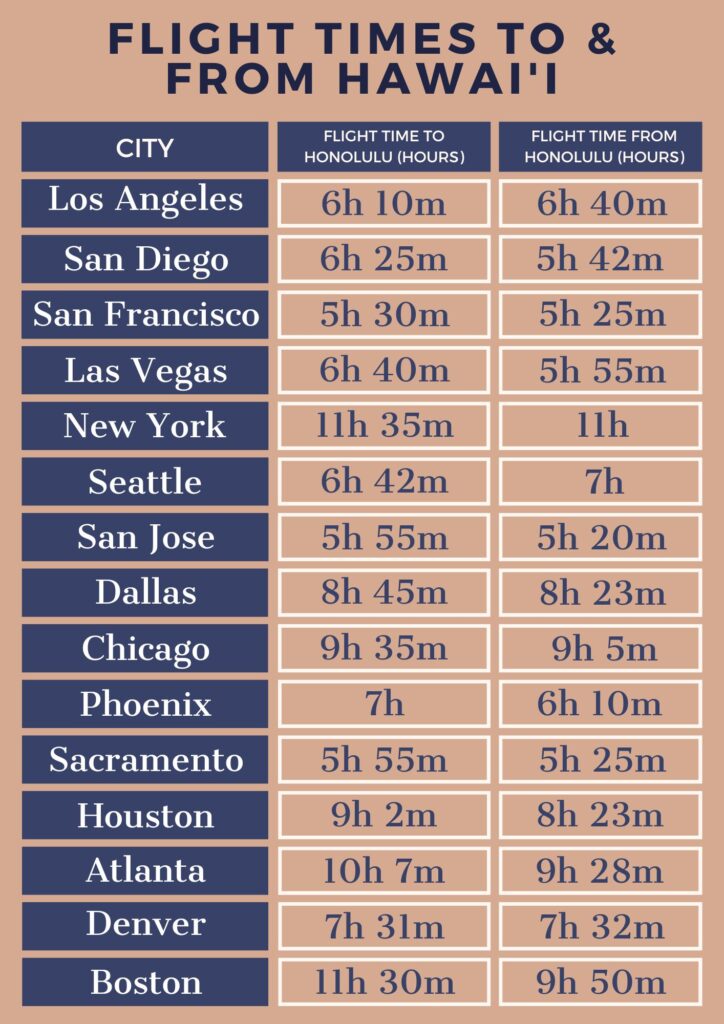
A direct flight from New York to Honolulu typically takes between 10 hours and 30 minutes to 11 hours and 15 minutes. The return journey is usually shorter, often clocked at around 9 hours and 30 minutes, thanks to the powerful tailwinds provided by the jet stream pushing the aircraft eastward.
Key Airlines Offering Direct Routes
Currently, a select few carriers dominate the non-stop market. Hawaiian Airlines is a primary choice for many, offering a themed experience that begins the moment you step on the plane at JFK. Their service to Daniel K. Inouye International Airport is a staple for East Coast travelers.
United Airlines operates extensively out of Newark, providing daily non-stop service to Honolulu and, seasonally, to other islands like Maui. Delta Air Lines also maintains a presence, connecting New York City directly to the islands, ensuring that travelers have a variety of loyalty programs and cabin classes to choose from.
Connecting Flights: Breaking Up the Journey
While non-stop flights are the fastest, many travelers opt for connecting flights. These can be more budget-friendly and allow for a much-needed stretch of the legs at a halfway point.
Common Layover Hubs
When flying from New York, the most common connection points are located on the West Coast or in major central hubs. Popular cities for layovers include Los Angeles, San Francisco, and Seattle. If you are flying with American Airlines, you might find yourself connecting through Dallas or Phoenix. Delta Air Lines passengers often route through Atlanta or Minneapolis, while United Airlines frequently uses Chicago or Denver.
Choosing a connection typically extends the total travel time to anywhere between 13 and 16 hours. However, for those traveling with children or those who find 11 hours in a cabin daunting, a three-hour stop in California can be a welcome reprieve.
Exploring Multiple Islands via Connections
Another advantage of connecting flights is the ability to fly directly into islands other than Oahu. While most non-stops from the East Coast land in Honolulu, a connection in Los Angeles can put you on a direct path to Kahului Airport in Maui, Lihue Airport in Kauai, or Ellison Onizuka Kona International Airport on the Big Island. This saves you the additional step of taking an inter-island “puddle jumper” once you arrive in the state.
Navigating the Arrival: Hawaii’s Primary Gateways
Once the long flight concludes, you will land at one of the several specialized airports throughout the islands. Each serves as a unique gateway to the diverse environments of Hawaii.
Daniel K. Inouye International Airport (Oahu)
As the largest airport in the state, HNL is the primary entry point for international and long-haul domestic flights. Located just west of downtown Honolulu, it offers immediate access to Waikiki and iconic landmarks like Pearl Harbor. The open-air terminals and lush gardens within the airport immediately signal that you have arrived in the tropics.
Kahului Airport (Maui)
If your destination is the “Valley Isle,” you will likely land at OGG. This airport is the gateway to the famous Road to Hana and the breathtaking Haleakala National Park. The flight from New York to Maui via a connection is a popular route for honeymooners and families seeking the resort life of Wailea or Ka’anapali.
Lihue Airport (Kauai)
Travelers heading to the “Garden Isle” land at LIH. This smaller, more relaxed airport provides quick access to the stunning Na Pali Coast and Waimea Canyon State Park. Because there are fewer non-stop options from the East Coast to Kauai, most visitors will connect through Honolulu or a West Coast city.
Kona and Hilo (The Big Island)
The Big Island is served by two main airports: Kona on the dry, leeward side and Hilo on the lush, windward side. Kona International Airport is unique for its outdoor terminals built on lava fields. It is the best place to land if you are visiting Hawaii Volcanoes National Park or the coffee plantations of the Kona district.
Tips for Managing the 11-Hour Leap
Crossing six time zones (or five, depending on Daylight Savings, which Hawaii does not observe) requires preparation to ensure you don’t spend your entire vacation recovering from the journey.
Mastering the Time Change
The time difference between New York and Hawaii is significant. To combat jet lag, experts suggest adjusting your sleep schedule a few days before departure. Once on the plane, try to align your meals and sleep with the destination’s time zone. If you arrive in Honolulu in the late afternoon, stay awake until at least 8:00 PM local time to help your internal clock reset.
In-Flight Comfort and Essentials
Since you will be in the air for nearly half a day, choosing the right seat is paramount. Many travelers find that upgrading to Premium Economy or First Class is worth the investment for a flight of this magnitude. Regardless of your cabin, staying hydrated is the most important factor. The dry air of the cabin can be taxing, so drink plenty of water and avoid excessive caffeine or alcohol.
Pack a “long-haul kit” in your carry-on, including noise-canceling headphones, a neck pillow, and a portable charger. While most planes on this route like the Airbus A330 or Boeing 787 Dreamliner have robust entertainment systems, having your own movies or books is a good backup.
Seasonal Variations in Flight Times
While the distance remains the same, seasonal weather patterns can impact flight duration. During the winter months, the jet stream is particularly strong. This means your flight from Newark to Honolulu might face strong headwinds, potentially adding 30 to 45 minutes to the journey. Conversely, your return flight to New York might be exceptionally fast, sometimes landing nearly an hour ahead of schedule.
Beyond the Flight: Beginning Your Hawaiian Adventure
Landing in the islands is just the beginning. Once you have cleared the airport, the diverse landscapes of the Pacific await. Whether you are staying in the high-rise luxury of Waikiki or a secluded villa on the North Shore, the transition from the fast pace of the Northeast to the “Island Time” of Hawaii is a profound experience.
For many, the first stop after a long flight from JFK is a visit to a local spot for some fresh poke or a hike up Diamond Head to get a panoramic view of the coastline. Others might prefer to take a short connecting flight to the smaller islands like Lanai or Molokai for ultimate seclusion.
The journey from New York to Hawaii is undoubtedly long, but it is a rite of passage for many American travelers. By understanding the flight durations, choosing the right airline, and preparing for the time shift, you can ensure that the 5,000-mile trek is as comfortable and rewarding as the destination itself. From the moment you see the first glimpse of the Emerald Cliffs from your window to the first warm breeze as you exit the terminal, the long flight becomes a distant memory replaced by the beauty of the islands.
LifeOutOfTheBox is a participant in the Amazon Services LLC Associates Program, an affiliate advertising program designed to provide a means for sites to earn advertising fees by advertising and linking to Amazon.com. Amazon, the Amazon logo, AmazonSupply, and the AmazonSupply logo are trademarks of Amazon.com, Inc. or its affiliates. As an Amazon Associate we earn affiliate commissions from qualifying purchases.