
Securing a long-term stay, particularly through homeownership, involves a comprehensive understanding of various financial and legal obligations. Among these, homeowners insurance stands as a crucial element, providing a safety net for what is often an individual’s most significant asset. When considering a permanent residence in California, a state renowned for its diverse landscapes, vibrant cities like Los Angeles and San Francisco, and unique environmental challenges, the question of whether homeowners insurance is a mandate often arises. While the state itself does not legally compel every homeowner to purchase a policy, the practical realities and financial implications strongly dictate its necessity for anyone seeking to establish a secure long-term dwelling.
The Legal Landscape of Homeowners Insurance in California
The concept of “required” can be nuanced when it comes to insurance for a long-term accommodation. Unlike auto insurance, which is a state-mandated requirement for drivers, homeowners insurance operates under a different framework in California. Understanding this distinction is vital for prospective and current homeowners.
State Regulations and Lender Mandates
From a purely state-level perspective, the State of California does not have a statute that explicitly makes homeowners insurance compulsory for all property owners. If you own your home outright, with no outstanding mortgage, you are technically not legally obligated by the state to carry homeowners insurance. In such a scenario, the decision rests solely on your personal risk assessment and financial planning. However, this is where the influence of financial institutions becomes paramount.
For the vast majority of homeowners, purchasing a property involves securing a mortgage. Lenders, such as banks, credit unions, and other financial institutions, view the property as collateral for the loan they provide. To protect their investment against potential losses due to unforeseen events like fire, theft, or natural disasters, these lenders universally mandate that borrowers maintain adequate homeowners insurance throughout the life of the mortgage. This requirement is a standard clause in nearly all mortgage agreements. Failure to maintain a policy can lead to the lender purchasing “force-placed” insurance, which is typically more expensive and offers less comprehensive coverage than a policy you would procure independently, or even trigger a default on your loan. Therefore, while not a state law, for anyone financing their long-term accommodation, homeowners insurance is an unavoidable contractual obligation.
Understanding the “Required” Aspect
The distinction between a state requirement and a lender requirement is crucial. While California respects an individual’s right to manage their property as they see fit, the financial system designed around property acquisition necessitates this protective measure. For a homeowner in Sacramento or San Diego, the “requirement” for homeowners insurance effectively stems from their mortgage agreement. This ensures that in the event of catastrophic damage, both the homeowner’s equity and the lender’s investment are safeguarded, allowing for the repair or rebuilding of the accommodation and minimizing financial disruption. Beyond the legal or contractual “requirement,” the prudent financial management of a long-term stay strongly advocates for comprehensive insurance coverage, mitigating the potential for devastating out-of-pocket expenses should disaster strike.
Key Coverages Every California Homeowner Needs
Navigating the intricacies of homeowners insurance in California means understanding not just its necessity, but also the specific types of coverage that offer robust protection for your long-term accommodation. The state’s unique geographical and environmental characteristics—ranging from earthquake zones to wildfire-prone areas—underscore the importance of tailored policies.
Dwelling and Personal Property Coverage
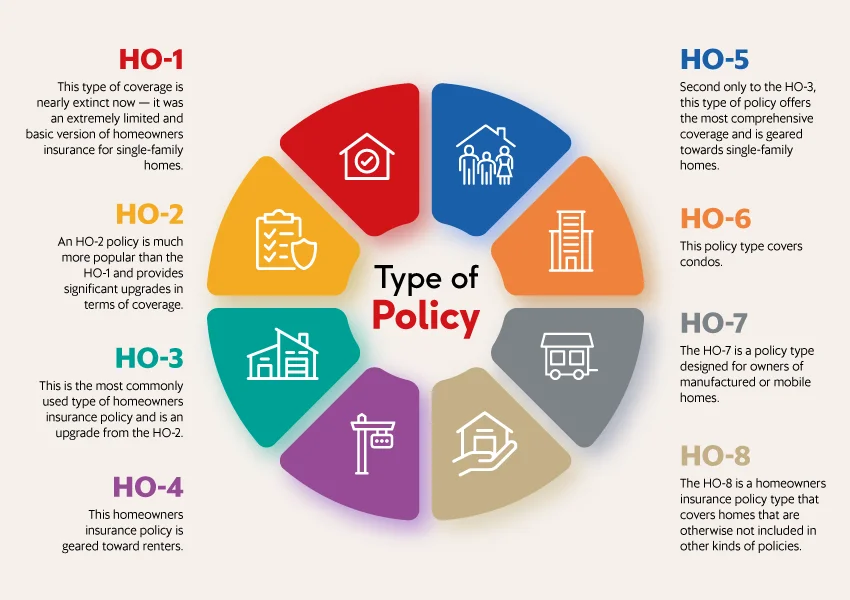
At its core, a standard homeowners insurance policy (often referred to as an HO-3 policy in the industry) provides two primary forms of protection:
- Dwelling Coverage: This protects the physical structure of your home, including the roof, walls, foundation, and attached structures like garages, from perils such as fire, windstorms, vandalism, and theft. Given the construction costs in areas like Santa Rosa or Malibu, ensuring your dwelling coverage is sufficient to rebuild your home entirely is paramount for a secure long-term stay.
- Personal Property Coverage: This extends to your belongings inside the home, such as furniture, electronics, clothing, and other personal items. Most policies offer coverage for personal property on a broad named-peril basis, meaning it’s covered against specific risks listed in the policy. It’s often recommended to conduct a home inventory to accurately assess the value of your possessions and ensure adequate coverage limits.
Liability Protection
An often-overlooked but critically important component of homeowners insurance is liability coverage. This protects you financially if someone is injured on your property and you are found legally responsible. For instance, if a guest slips and falls, or if your dog bites someone, liability coverage can help cover medical expenses, legal fees, and potential settlement costs. This protection is not just for accidents occurring within your long-term accommodation but can also extend to incidents that happen away from your home if you or a family member are found liable. For residents of bustling communities, understanding the scope of this protection can offer significant peace of mind.
Additional Living Expenses (ALE)
Should your home become uninhabitable due to a covered loss (e.g., a fire), Additional Living Expenses (ALE) coverage, also known as Loss of Use coverage, pays for the extra costs of living elsewhere temporarily. This can include hotel stays, meals, and other necessary expenses incurred while your home is being repaired or rebuilt. For individuals whose long-term stay is suddenly disrupted, ALE is an invaluable buffer against unexpected financial strain, ensuring that a temporary displacement doesn’t compound the distress of property damage.
Navigating California-Specific Risks (Earthquakes, Wildfires, Floods)
California’s natural beauty comes with inherent risks that are not always covered by a standard homeowners insurance policy.
- Earthquake Insurance: Standard policies explicitly exclude earthquake damage. Given California’s seismic activity, separate earthquake insurance is a critical consideration for homeowners. This can be purchased as an endorsement to an existing policy or through a standalone policy from the California Earthquake Authority (CEA) or private insurers.
- Wildfire Insurance: While fire damage is typically covered by standard policies, the increasing frequency and intensity of wildfires in areas like Napa Valley, Sonoma County, and the Sierra Nevada have led to challenges. Some insurers are restricting coverage or increasing premiums in high-risk zones. Homeowners in these areas may need to explore options like the California FAIR Plan, which acts as an insurer of last resort for properties unable to obtain coverage in the voluntary market.
- Flood Insurance: Damage from flooding, whether from overflowing rivers, heavy rain, or coastal surges along the Pacific Ocean, is also excluded from standard homeowners policies. Flood insurance is available through the National Flood Insurance Program (NFIP), administered by FEMA, or from private insurers. Homeowners in designated flood zones are often required by lenders to carry this specific coverage.
Understanding and addressing these California-specific risks is fundamental to ensuring the long-term viability and security of any home within the state.
Factors Influencing Insurance Costs in California
The cost of homeowners insurance in California, much like the cost of a long-term accommodation itself, is subject to a multitude of variables. These factors can significantly impact your annual premium, making it essential to understand how they are assessed.
Location and Property Characteristics
Where your long-term accommodation is situated within California plays a monumental role in determining your insurance costs. Properties in high-risk wildfire areas (such as parts of Mendocino County or near Lake Tahoe) or designated flood zones will face higher premiums due to the increased likelihood of claims. Proximity to fire stations and hydrants, local crime rates, and the quality of emergency services in your municipality also factor in.
Beyond location, the specific characteristics of your home are evaluated. This includes:
- Age and Construction Type: Older homes, particularly those not updated to modern building codes, may cost more to insure. Materials used (e.g., wood vs. concrete), roof type, and foundation strength are all considered.
- Reconstruction Cost: Insurers estimate the cost to rebuild your home from the ground up, not its market value. This is a primary driver of dwelling coverage premiums.
- Safety Features: Homes equipped with features like smoke detectors, burglar alarms, sprinkler systems, and reinforced roofs (for hail/wind resistance) can often qualify for discounts.
Deductibles and Coverage Limits
Your choices regarding deductibles and coverage limits directly influence your premium.
- Deductible: This is the amount you pay out-of-pocket before your insurance coverage kicks in for a claim. Opting for a higher deductible typically lowers your premium, as it means you share more of the initial risk. However, ensure you can comfortably afford your chosen deductible in case of a claim.
- Coverage Limits: These are the maximum amounts your insurer will pay for a covered loss. Higher limits for dwelling, personal property, and liability coverage will result in higher premiums, but they also provide greater financial protection for your long-term accommodation and assets. It’s crucial to set limits that accurately reflect the replacement cost of your home and the value of your possessions.
Insurer Choices and Discounts
The insurance market in California has experienced significant shifts, with some major insurers scaling back their operations or adjusting their offerings. This makes comparing policies from different providers more important than ever. Each insurer has its own underwriting criteria and pricing models.
Additionally, many insurers offer a range of discounts that can help reduce your premium:
- Multi-Policy Discounts: Bundling your homeowners and auto insurance with the same company.
- Loyalty Discounts: For long-term customers.
- Home Renovation Discounts: For upgrades that improve safety or reduce risk (e.g., new roof, plumbing updates).
- Claim-Free Discounts: For homeowners with a history of no claims.
Proactively seeking quotes from multiple reputable insurers and inquiring about all available discounts is a strategic approach to managing the costs associated with securing your long-term accommodation in California.
The Challenges and Future of Homeowners Insurance in California
The landscape of homeowners insurance in California is dynamic, facing unprecedented challenges that directly impact the affordability and availability of coverage for long-term accommodations. These shifts necessitate a proactive approach from homeowners and a collective effort from regulators and insurers to ensure a stable market.
Market Volatility and Availability
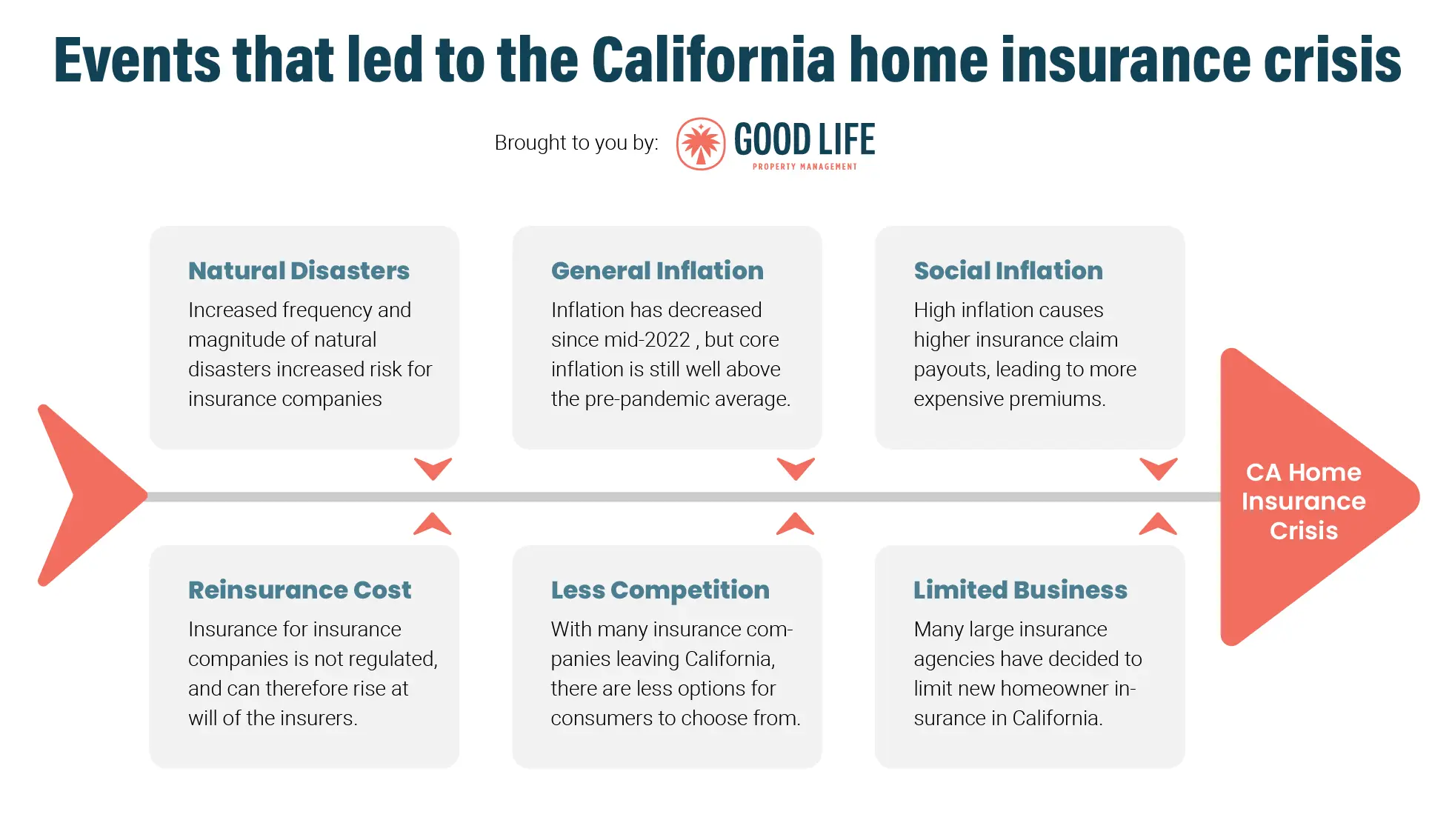
In recent years, California has grappled with escalating natural disaster risks, primarily driven by severe wildfires and, to a lesser extent, concerns around seismic activity and flooding. This heightened risk profile has led to significant market volatility. Some major insurance carriers have either pulled back from writing new policies in certain high-risk areas or have decided to limit their overall exposure in the state. This reduction in available options in the voluntary market means that homeowners, particularly those in areas prone to wildfires, are often left with fewer choices and face considerably higher premiums.
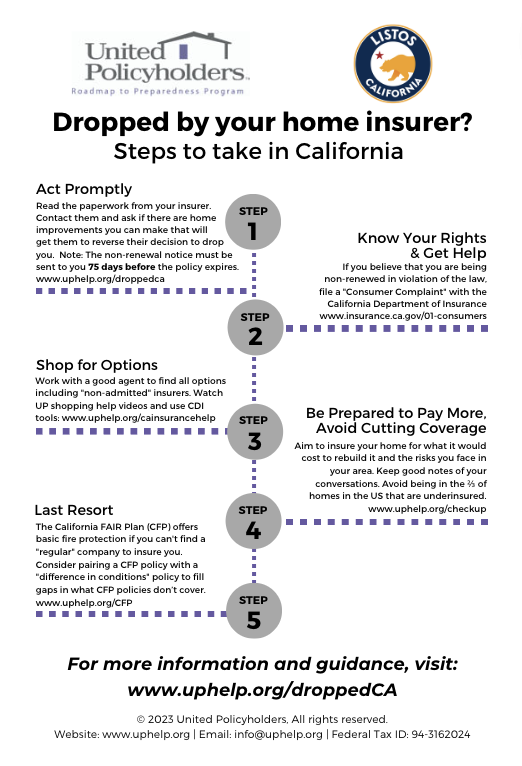
The increasing cost of reinsurance (insurance for insurance companies) and the state’s regulatory environment regarding rate increases have also contributed to the market’s challenges. When insurance companies face higher costs and find it difficult to adjust their rates to reflect actual risk adequately, they may reduce their presence. This trend can push more homeowners towards the California FAIR Plan, the state’s insurer of last resort. While the FAIR Plan provides essential basic fire coverage, it often requires homeowners to purchase a separate “difference in conditions” policy for other perils like liability and theft, making comprehensive coverage more complex and potentially more expensive. This evolving situation underscores the importance of staying informed about market conditions and exploring all available options for securing your long-term accommodation.
Preparing for a Resilient Long-Term Stay
Given these challenges, homeowners in California must adopt a strategy of resilience and adaptability when it comes to insuring their long-term stay.
- Risk Mitigation: Invest in hardening your home against specific California risks. For wildfire-prone areas, this includes creating defensible space, using fire-resistant building materials, and regularly clearing vegetation. For earthquake preparedness, consider retrofitting older homes to meet current seismic standards. These measures not only protect your property but can also make your home more attractive to insurers and potentially qualify for discounts.
- Proactive Shopping: Do not wait until your current policy is up for renewal to explore options. Begin searching for new quotes well in advance, especially if you reside in a high-risk area or have faced non-renewal notices. Work with independent insurance agents who have access to multiple carriers, including specialty insurers that might cater to unique California risks.
- Understand Your Policy: Thoroughly review your policy documents, understanding what is covered, what is excluded, and any specific endorsements or limitations. Pay close attention to deductibles, especially for perils like wind, hail, or wildfires, which may have percentage-based deductibles rather than fixed dollar amounts.
While homeowners insurance might not be strictly “required” by state law for every resident, it is an indispensable component of responsible homeownership and vital for ensuring the financial security of your long-term accommodation in California’s unique environment. Navigating its complexities with knowledge and foresight is key to protecting your investment and peace of mind.
LifeOutOfTheBox is a participant in the Amazon Services LLC Associates Program, an affiliate advertising program designed to provide a means for sites to earn advertising fees by advertising and linking to Amazon.com. Amazon, the Amazon logo, AmazonSupply, and the AmazonSupply logo are trademarks of Amazon.com, Inc. or its affiliates. As an Amazon Associate we earn affiliate commissions from qualifying purchases.