
Embarking on a journey from the bustling metropolis of New York to the timeless allure of Italy is a dream for many. Whether you envision yourself wandering through the ancient ruins of Rome, savoring gelato in the charming streets of Florence, or soaking in the romantic canals of Venice, understanding the flight duration is a crucial first step in planning your unforgettable Italian adventure. This guide delves into the various factors influencing your transatlantic flight time, providing a comprehensive overview to help you pack your bags and prepare for the skies.
Understanding Flight Durations: Direct vs. Indirect Routes
The primary determinant of how long your flight from New York to Italy will be is whether you opt for a direct (non-stop) flight or one with layovers. While the allure of reaching your destination with minimal interruptions is strong, the choice between direct and indirect routes significantly impacts both your travel time and often, your budget.
Direct Flights: The Swift Passage
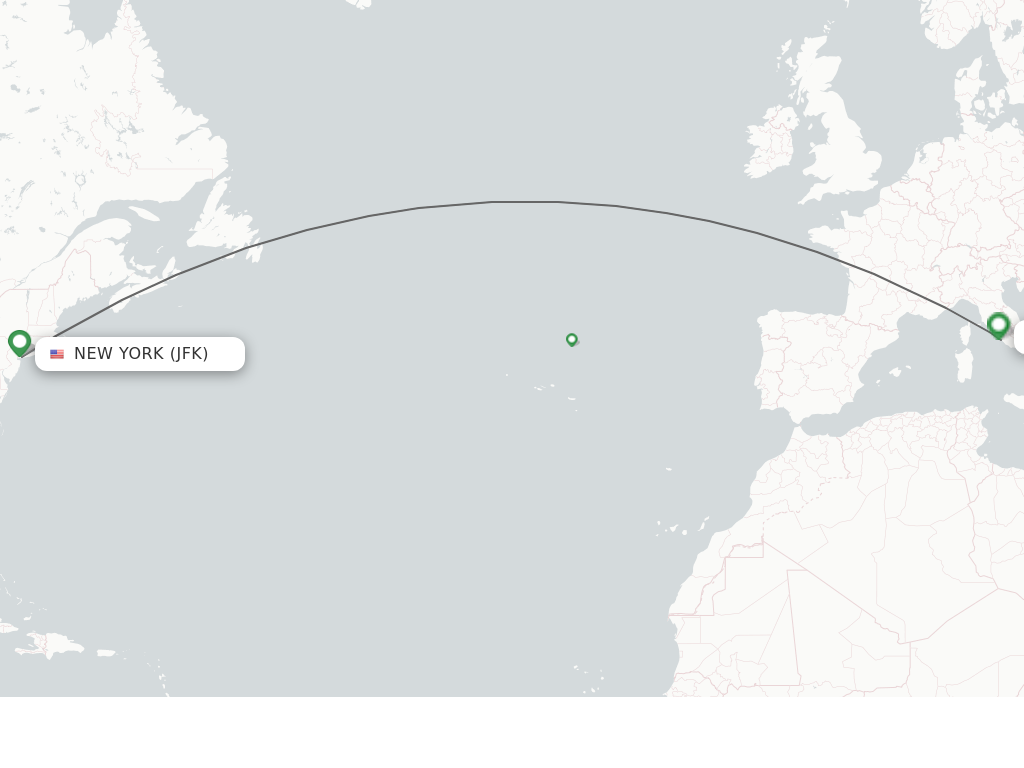
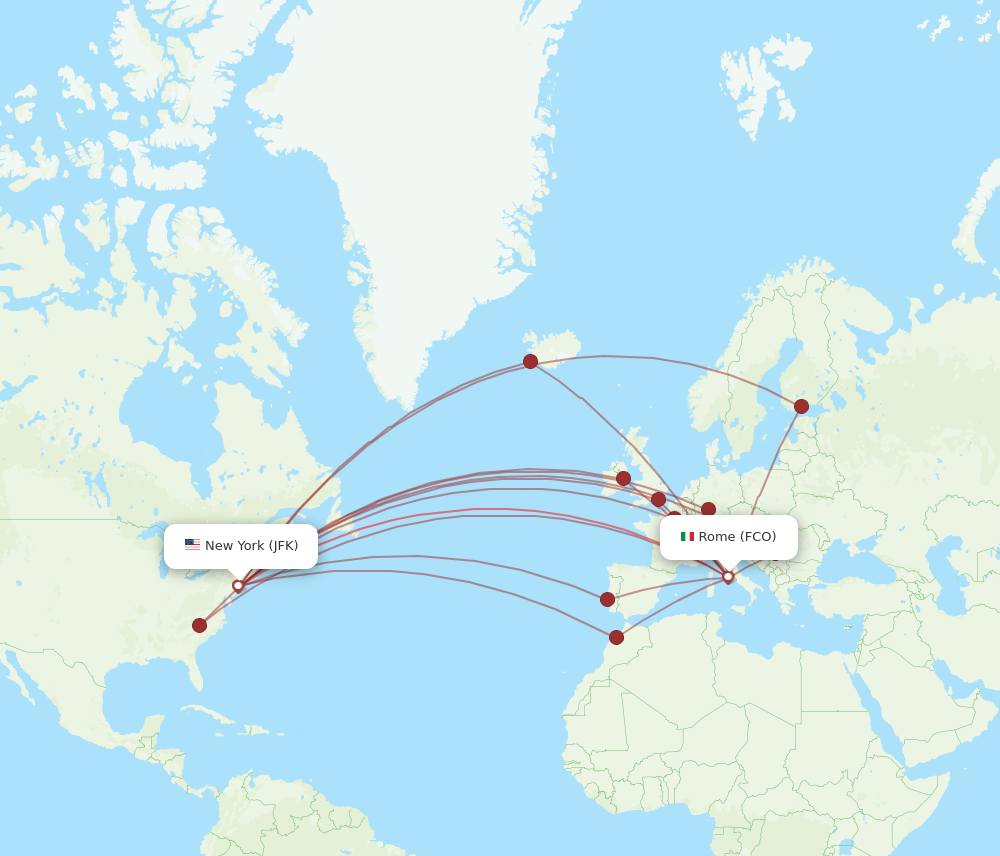
Direct flights from New York to major Italian cities like Rome, Milan, or Naples offer the most efficient way to travel. These flights bypass the need for multiple takeoffs and landings, directly connecting you to your Italian gateway. The typical flight duration for a non-stop journey from New York airports, such as John F. Kennedy International Airport (JFK) or Newark Liberty International Airport (EWR), to an Italian hub generally falls within the range of 7.5 to 8.5 hours.
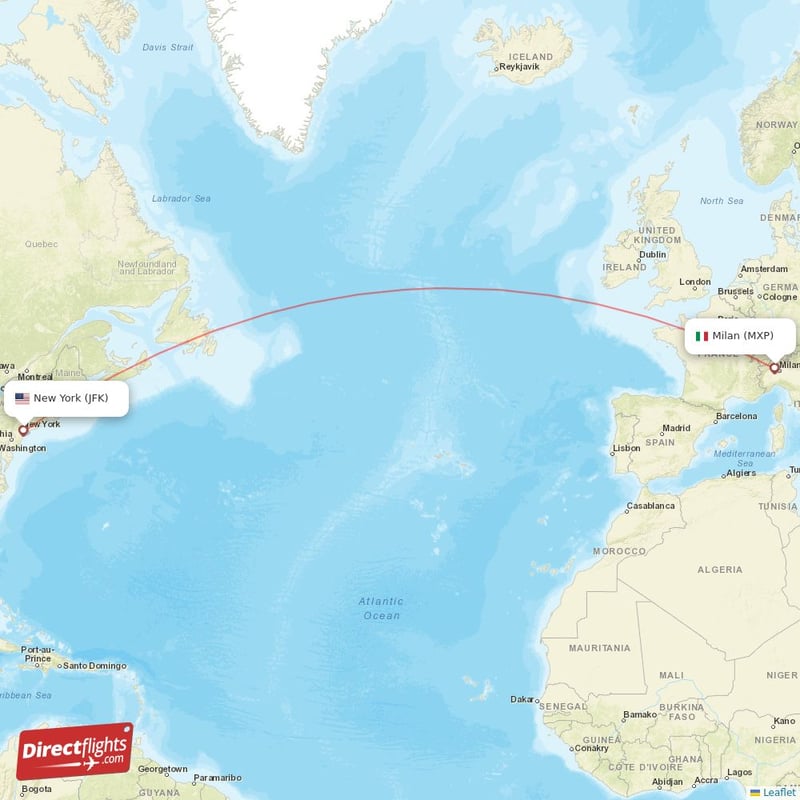
Several factors can influence this seemingly consistent timeframe. The specific destination within Italy plays a role; for instance, flying into Rome Fiumicino Airport (FCO) might be slightly shorter than flying into Milan Malpensa Airport (MXP) due to geographical positioning relative to New York. Furthermore, prevailing wind patterns, known as jet streams, can marginally affect flight times. Flights traveling eastward often benefit from tailwinds, potentially shortening the journey, while westbound flights might encounter headwinds that extend the travel time. Airlines such as Delta Air Lines, United Airlines, and ITA Airways regularly operate direct routes between these two vibrant regions.
When considering a direct flight, it’s essential to factor in the time spent at the airport before departure. Arriving at JFK or EWR at least three hours before an international flight is recommended for check-in, security screening, and boarding procedures. Similarly, upon arrival in Italy, you’ll need to disembark, go through immigration and customs, and collect your luggage, which can add another hour or more to your overall travel experience.
Flights with Layovers: Extended Journeys
Flights with one or more layovers are a common alternative, often chosen for their potential cost savings or for travelers who prefer to break up their journey. However, these flights significantly extend your total travel time. A flight from New York to Italy with a layover can range anywhere from 11 hours to well over 20 hours, depending on the duration and location of the stopover.
Common layover cities for flights from New York to Italy include major European hubs like London, Paris, Amsterdam, Frankfurt, or even Dublin. The length of your layover is the most critical factor determining the total travel time. A short, efficient layover of 1-2 hours might add only a couple of hours to your journey, while a longer layover of 4-6 hours or more will substantially increase the overall duration.
When booking a flight with layovers, it’s crucial to pay close attention to the total advertised travel time, which includes the time spent on the ground during the stopover. Airlines like Lufthansa, KLM, British Airways, and Air France frequently offer routes with convenient layovers. Consider the benefits and drawbacks: while you might save money, the extended travel time can lead to fatigue and a potential disruption to your initial plans upon arrival. For those with ample time and a desire to explore a new city briefly, a longer layover could even be an opportunity for a short excursion, though this requires careful planning to avoid missing your connecting flight.
Factors Influencing Your Flight Time
Beyond the direct versus indirect route distinction, several other elements can subtly or significantly influence the actual duration of your flight from New York to Italy. Understanding these variables can help you set more realistic expectations and plan your itinerary accordingly.
Aircraft Type and Airline Efficiency
While less impactful than direct routes, the specific aircraft model and the airline’s operational efficiency can contribute to minor variations in flight time. Modern, larger aircraft, such as the Boeing 777 or Airbus A350, are designed for long-haul flights and often incorporate advanced aerodynamics and fuel efficiency, which can translate into slightly faster travel times. Similarly, airlines with well-established international routes and efficient air traffic control management may experience more consistent flight schedules. However, these differences are typically measured in minutes rather than hours for direct flights.
Weather Conditions and Jet Streams
As mentioned earlier, weather plays a significant role in air travel. Crucially, the jet stream, a high-altitude air current that flows from west to east, can dramatically impact flight times. When flying eastward from New York to Italy, a strong tailwind from the jet stream can significantly reduce flight duration. Conversely, flying against the jet stream or encountering adverse weather conditions like thunderstorms or strong headwinds can lead to delays and longer flight times. Air traffic control also prioritizes safety, and in cases of severe weather, flights might be rerouted, adding to the overall journey.
Time of Day and Day of the Week
While not directly affecting the airborne time, the time of day and day of the week can influence overall travel time due to airport congestion. Flights departing during peak hours from New York airports might experience longer taxi times before takeoff. Similarly, arriving at Rome or Milan during busy periods can lead to longer queues at immigration and baggage claim. Weekend travel is often busier than weekday travel, so anticipating potential delays at the airport is a good strategy.
Specific Italian Destination
Italy is a country rich in diverse regions, and the specific airport you choose to fly into will affect your flight duration. Major international airports like Rome Fiumicino Airport (FCO), Milan Malpensa Airport (MXP), and Venice Marco Polo Airport (VCE) are the most common gateways from North America. Flights to these destinations from New York will generally have similar durations. However, if your final destination is a smaller Italian city, you might need to take a domestic connecting flight after landing at a major hub, adding to your overall travel time. For example, flying into Naples International Airport (NAP) might involve a slightly different flight path than a direct route to Rome.
Planning Your Italian Escape: Beyond the Flight Time
While the flight duration is a critical piece of information, planning your trip to Italy involves much more than just knowing how long you’ll be in the air. To ensure a seamless and enjoyable experience, consider these additional aspects:
Choosing Your Italian Gateway
Italy boasts numerous world-class airports. The choice of your arrival airport can influence both your flight duration and the ease of accessing your final destination.
- Rome Fiumicino Airport (FCO): As Italy’s largest airport, FCO serves as a primary entry point for many international travelers. It offers excellent connectivity to Rome and the rest of Italy via high-speed rail.
- Milan Malpensa Airport (MXP): Located in northern Italy, MXP is a major hub for flights to and from North America. It’s an ideal gateway for exploring cities like Milan, Lake Como, and the Italian Alps.
- Venice Marco Polo Airport (VCE): For those dreaming of a romantic escape to the unique city of canals, VCE is your arrival point. It’s also a convenient option for exploring the Veneto region.
- Naples International Airport (NAP): Serving the vibrant southern region of Campania, NAP is perfect for exploring the Amalfi Coast, Pompeii, and the city of Naples itself.
Accommodation and Arrival Experiences
Once you’ve landed in Italy, your accommodation choice will further shape your experience. From luxurious suites in boutique hotels in Florence to charming apartments in the historic centers of Rome, booking in advance is highly recommended, especially during peak tourist seasons. Consider proximity to attractions, transportation links, and the overall ambiance you seek for your stay. For a truly immersive experience, consider a villa rental in the Tuscan countryside or a resort along the Italian Riviera.
For those seeking a unique lodging experience, exploring options like the historic Grand Hotel Tremezzo on Lake Como, or a contemporary stay at a design hotel in Milan, can elevate your journey. The type of accommodation might even influence your arrival plans. For instance, if you’re staying at a remote villa, you might arrange for a private transfer, whereas if you’re in a city center hotel, public transport or a taxi might be more efficient.
Embracing the Italian Lifestyle and Culture
Your flight to Italy is merely the prelude to an immersive cultural experience. To make the most of your trip, consider embracing the local lifestyle. This includes:
- Savoring the Cuisine: From authentic Neapolitan pizza in Naples to handmade pasta in Bologna and world-renowned wines in the Tuscan countryside, Italian food is a cornerstone of its culture. Seek out trattorias, osterias, and local markets for the most authentic flavors.
- Exploring Local Attractions: Beyond the iconic landmarks like the Colosseum in Rome or the Uffizi Gallery in Florence, delve into lesser-known gems. Wander through charming medieval villages, discover hidden piazzas, and experience the art, history, and natural beauty that Italy offers.
- Understanding Local Customs: A little knowledge of Italian etiquette can go a long way. Learning a few basic Italian phrases, understanding dining customs, and respecting local traditions will enhance your interactions and enrich your overall travel experience.
Whether you opt for a quick direct flight to maximize your time exploring the wonders of Rome, or a more extended journey with a layover in a charming European city, your adventure from New York to Italy promises to be an unforgettable exploration of history, culture, and breathtaking landscapes. Understanding the flight duration is just the first step in crafting your perfect Italian sojourn.
LifeOutOfTheBox is a participant in the Amazon Services LLC Associates Program, an affiliate advertising program designed to provide a means for sites to earn advertising fees by advertising and linking to Amazon.com. Amazon, the Amazon logo, AmazonSupply, and the AmazonSupply logo are trademarks of Amazon.com, Inc. or its affiliates. As an Amazon Associate we earn affiliate commissions from qualifying purchases.