
San Francisco, a city synonymous with iconic landmarks, vibrant culture, and breathtaking vistas, presents a unique climate that plays a significant role in shaping the visitor experience. Nestled on the tip of the San Francisco Peninsula, this bustling metropolis is influenced by the cool currents of the Pacific Ocean, creating a temperate maritime climate that is distinct from many other major cities. Understanding the temperature in San Francisco is crucial for anyone planning a trip, whether for leisurely exploration, business, or a long-term stay. This guide delves into the nuances of San Francisco’s weather, its seasonal variations, and how it impacts everything from packing your bags to choosing the perfect accommodation and planning your activities.
Understanding San Francisco’s Unique Climate
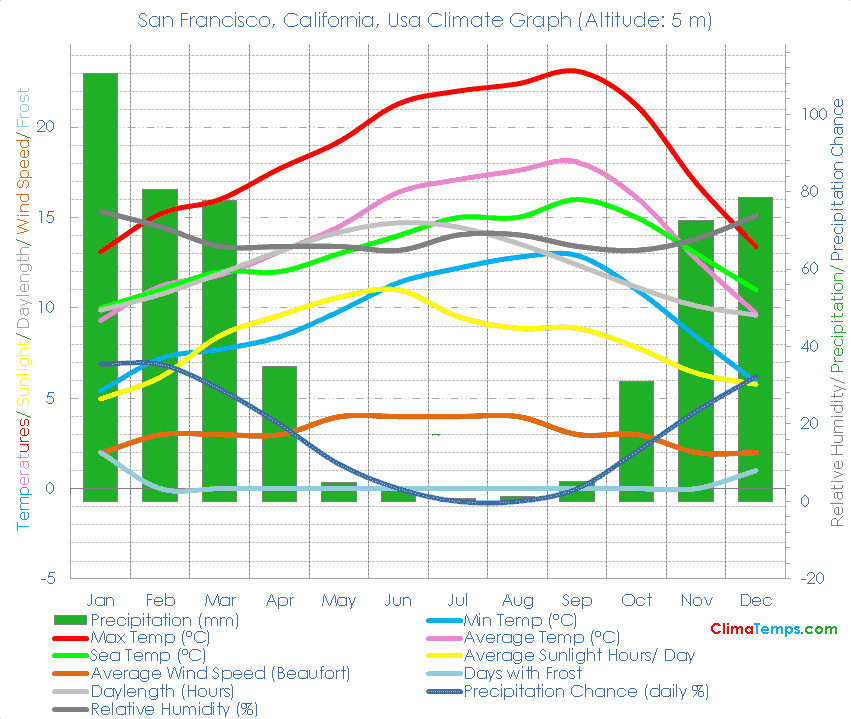
San Francisco’s weather is often characterized by its mild temperatures year-round and the pervasive presence of fog. Unlike many cities that experience distinct hot summers and cold winters, San Francisco enjoys a relatively narrow temperature range. The city’s geography, with its hills and proximity to the ocean, contributes to microclimates, meaning temperatures can vary significantly even within different neighborhoods. The infamous San Francisco fog, a natural air conditioning system, rolls in from the Pacific, particularly during the summer months, often shrouding the city in a cool, damp blanket. This phenomenon, while sometimes obscuring views, also contributes to the city’s unique charm and moderates extreme temperatures.
Seasonal Temperature Breakdown
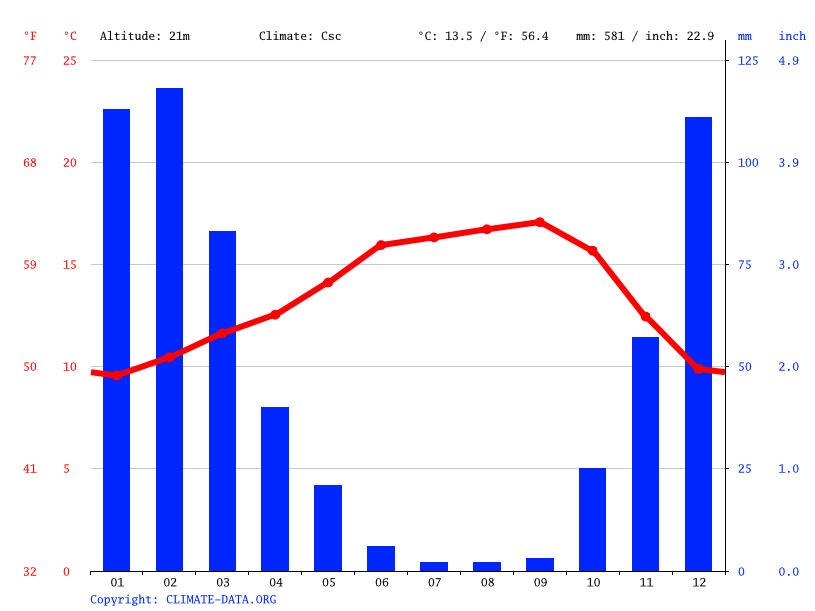
To effectively plan your visit, it’s essential to understand how the temperature in San Francisco fluctuates throughout the year. While you won’t find sweltering heatwaves or deep freezes, each season offers a distinct weather profile.
Spring (March – May)
Spring in San Francisco is a season of awakening, with the city shedding its winter chill and beginning to bloom. The temperatures are generally mild and pleasant, making it an excellent time for outdoor activities. Average daytime temperatures typically hover in the mid-60s Fahrenheit (around 18-20 degrees Celsius). Evenings can still be cool, with temperatures dropping into the 50s Fahrenheit (10-15 degrees Celsius), so layering is always recommended. Rainfall decreases as the season progresses, and you might start to see clearer skies, although fog can still be a common occurrence, especially in the mornings and evenings along the coast.
Typical Spring Temperatures:
- March: Highs around 63°F (17°C), Lows around 50°F (10°C)
- April: Highs around 65°F (18°C), Lows around 52°F (11°C)
- May: Highs around 67°F (19°C), Lows around 53°F (12°C)
Spring is a fantastic time to explore the city’s numerous attractions without the peak summer crowds. Imagine strolling through the colorful blooms at the Japanese Tea Garden or enjoying a bike ride across the Golden Gate Bridge under a gentle sun. The mild weather also makes it ideal for exploring the vibrant neighborhoods and their culinary delights.
Summer (June – August)
Contrary to what many expect from a summer destination, San Francisco’s summers are famously cool and often foggy. The ocean’s influence is most pronounced during these months. While inland areas might experience heat, the city itself rarely gets uncomfortably hot. The fog, often referred to as “Karl” by locals, frequently blankets the western parts of the city, keeping temperatures in the 60s Fahrenheit (15-20 degrees Celsius). The eastern parts, like the Financial District, can be slightly warmer and sunnier. Mornings and evenings are almost always cool and require a jacket.
Typical Summer Temperatures:
- June: Highs around 66°F (19°C), Lows around 54°F (12°C)
- July: Highs around 67°F (19°C), Lows around 55°F (13°C)
- August: Highs around 68°F (20°C), Lows around 56°F (13°C)
Despite the cooler temperatures, summer is a peak tourist season due to school holidays and a generally more settled weather pattern in terms of rain. Visitors should be prepared for the iconic fog by packing layers. This is the perfect time to visit indoor attractions like the California Academy of Sciences or enjoy a performance at the War Memorial Opera House. Even with the fog, the city’s energy is palpable, and iconic sights like Alcatraz Island are still very popular.
Autumn (September – November)
Autumn is often considered San Francisco’s best-kept secret and, for many, the ideal time to visit. The fog typically recedes, leading to some of the warmest and sunniest days of the year, especially in September and October. The temperatures are wonderfully mild, offering a comfortable balance between the coolness of summer and the approaching winter. Daytime highs can reach into the low 70s Fahrenheit (21-23 degrees Celsius), while evenings remain pleasant, usually in the 50s Fahrenheit (10-15 degrees Celsius). This “Indian summer” period is perfect for exploring the city’s numerous outdoor landmarks and enjoying its vibrant street life.
Typical Autumn Temperatures:

- September: Highs around 71°F (22°C), Lows around 57°F (14°C)
- October: Highs around 70°F (21°C), Lows around 56°F (13°C)
- November: Highs around 66°F (19°C), Lows around 53°F (12°C)
This is an excellent time for activities like exploring Golden Gate Park, enjoying a picnic with views of the bay, or taking a scenic drive along the coast. The city’s culinary scene also shines in the fall, with fresh produce from local farms becoming more prominent.
Winter (December – February)
Winter in San Francisco is mild and characterized by increased rainfall. Freezing temperatures are rare, and snow is virtually unheard of within the city limits. Daytime temperatures typically range from the low to mid-60s Fahrenheit (15-18 degrees Celsius), with evenings dropping into the 40s Fahrenheit (4-9 degrees Celsius). The cooler temperatures are often accompanied by wind and rain, making it essential to pack waterproof clothing. Despite the potential for wet weather, winter offers its own unique charm, with fewer crowds and cozy indoor activities.
Typical Winter Temperatures:
- December: Highs around 60°F (16°C), Lows around 48°F (9°C)
- January: Highs around 59°F (15°C), Lows around 47°F (8°C)
- February: Highs around 61°F (16°C), Lows around 48°F (9°C)
Winter is a great time to experience the city’s renowned museums, such as the de Young Museum, or enjoy the festive atmosphere during the holiday season. Cozying up in a charming cafe or exploring the historic streets like Lombard Street (the “most crooked street”) can be a delightful experience, even with an umbrella.
Packing for San Francisco’s Weather
Given the city’s famously fickle weather and microclimates, packing smart is key to enjoying your time in San Francisco. The mantra for San Francisco dressing is “layers, layers, layers.”
- Lightweight Jacket or Fleece: Essential year-round, even in summer. A windproof and water-resistant jacket is highly recommended.
- Sweaters and Long-Sleeved Shirts: Perfect for layering over t-shirts or under your jacket.
- T-shirts and Blouses: Comfortable basics for warmer indoor environments or sunny days.
- Comfortable Walking Shoes: You’ll be doing a lot of exploring, so prioritize comfort.
- Jeans or Trousers: Versatile for most weather conditions.
- Scarf: A light scarf can add warmth and style.
- Rain Gear (Winter Months): A waterproof jacket with a hood and an umbrella are advisable from December to February.
Avoid packing heavy, bulky winter coats unless you are visiting during the coldest months and plan to spend significant time outdoors. Even then, a good quality, layered approach will serve you better. Remember that the temperature can change dramatically as you move from the coast to the inland neighborhoods, or ascend one of the city’s many hills.
Planning Your San Francisco Experience Around the Temperature
The temperature in San Francisco directly influences how you can best experience its diverse offerings, from its stunning natural landmarks to its bustling urban life.
Outdoor Adventures and Sightseeing
San Francisco boasts an abundance of outdoor attractions that are best enjoyed in pleasant weather.
- Parks and Nature: Golden Gate Park offers endless opportunities for exploration, from its botanical gardens to its museums. The cooler months are perfect for a brisk walk, while the warmer autumn days invite leisurely picnics. Visiting Muir Woods National Monument to see the giant redwood trees requires comfortable layers, as the shaded forest floor can be cool year-round.
- Iconic Landmarks: Walking or biking across the Golden Gate Bridge is an experience not to be missed. While it can be windy and foggy at any time of year, particularly in summer, the crisp air of spring and autumn often provides clearer views and more comfortable conditions. Exploring the historic streets of neighborhoods like North Beach or walking along the waterfront to see the sea lions at Pier 39 are also weather-dependent activities.
- Bay Cruises: Taking a cruise on the San Francisco Bay offers spectacular views of the city skyline, Alcatraz Island, and the Golden Gate Bridge. Even on a sunny day, it can be chilly on the water, so a jacket is always a good idea.
Accommodation and Lifestyle Choices
The temperate climate influences the type of accommodation and lifestyle experiences that are popular in San Francisco.
- Hotels and Resorts: Whether you’re looking for a luxury suite at the Fairmont San Francisco or a charming boutique hotel, most accommodations in San Francisco are designed for comfort year-round. Many offer amenities like indoor pools or cozy common areas to enjoy regardless of the weather outside.
- Apartments and Long-Term Stays: For those considering a longer stay, the mild climate makes San Francisco an attractive option. You can enjoy the city’s vibrant lifestyle without the extreme weather challenges found elsewhere.
- Dining and Entertainment: San Francisco’s culinary scene is world-renowned, and many restaurants, from casual eateries in the Mission District to fine dining establishments, offer both indoor and outdoor seating. The comfortable temperatures, especially in spring and autumn, encourage dining al fresco. The city’s lively arts and culture scene, with numerous theaters, galleries, and music venues, provides excellent entertainment options no matter the weather.
In conclusion, understanding the temperature in San Francisco is more than just knowing the numbers; it’s about embracing the city’s unique atmospheric character. From the refreshing summer fog to the crisp autumn air, each season offers a distinct yet equally captivating way to experience this unforgettable destination. By packing wisely and planning your activities with the weather in mind, you’re sure to have a memorable journey.
LifeOutOfTheBox is a participant in the Amazon Services LLC Associates Program, an affiliate advertising program designed to provide a means for sites to earn advertising fees by advertising and linking to Amazon.com. Amazon, the Amazon logo, AmazonSupply, and the AmazonSupply logo are trademarks of Amazon.com, Inc. or its affiliates. As an Amazon Associate we earn affiliate commissions from qualifying purchases.