
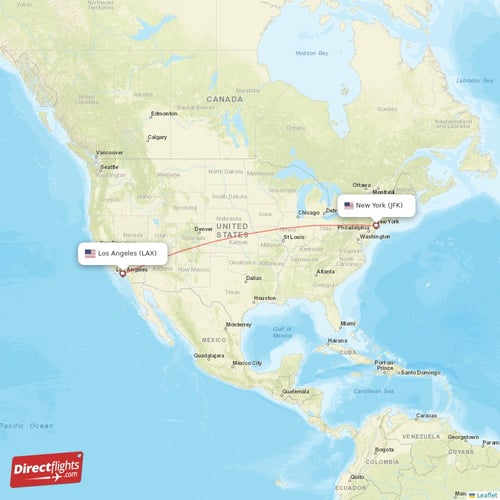
The question of “How long is a flight from New York to Los Angeles?” is a fundamental one for any traveler planning this iconic cross-country journey. While seemingly straightforward, the answer involves a nuanced understanding of various factors that influence flight duration, from aircraft type to prevailing atmospheric conditions. This route, a staple for both business and leisure travelers, connects two of the most vibrant and distinct metropolises in the United States.
Understanding the Factors Influencing Flight Time
The actual time spent airborne between New York and Los Angeles is not a fixed number. Several critical elements contribute to the variability, making it essential for travelers to have a comprehensive grasp of these determinants.
Direct vs. Connecting Flights
The most significant factor impacting flight duration is whether the journey is direct or involves layovers.
Direct Flights
A direct flight, by definition, travels from origin to destination without any intermediate stops. For the New York to Los Angeles route, direct flights are the most common and sought-after option for those prioritizing speed and convenience. These flights bypass the need to deplane, navigate terminals, and wait for subsequent boarding, thus significantly reducing overall travel time. The typical duration for a direct flight on this route hovers around the 5.5 to 6.5-hour mark. This timeframe is largely dictated by the distance and the speed of the aircraft.
Connecting Flights
Conversely, flights with one or more layovers will invariably take considerably longer. The length of the layover itself, coupled with the time spent on the ground at the connecting airport, adds substantial hours to the total journey. Travelers opting for connecting flights often do so to secure lower ticket prices or to reach specific, less-trafficked airports. However, it is crucial to factor in the potential for delays at the connecting hub, which can further extend the travel duration. A connecting flight can easily stretch a journey from 8 hours to well over 12 hours, depending on the efficiency of the connection and the chosen layover city.
Aircraft Type and Speed
The specific model of aircraft operated by an airline plays a role, albeit a secondary one, in flight duration. Modern commercial jets, such as the Boeing 737 or Airbus A320 families, are designed for efficiency and speed. While the cruising speeds of these aircraft are generally comparable, slight variations can contribute to minor differences in flight times. The sheer size and range capabilities of these planes allow them to traverse the continental United States efficiently.
Wind Patterns and Jet Streams
Perhaps the most dynamic factor influencing flight times is the influence of prevailing winds, particularly the powerful jet streams. When flying westbound from New York to Los Angeles, aircraft typically encounter headwinds, which are winds blowing against the direction of travel. These headwinds can slow down the aircraft, extending the flight duration. Conversely, flying eastbound from Los Angeles to New York, flights benefit from tailwinds—winds blowing in the same direction as the aircraft’s travel. These tailwinds can significantly shorten the flight time by several minutes, sometimes even up to an hour. Airlines actively monitor weather patterns and jet stream positions to optimize flight paths and minimize delays caused by adverse winds.
Airport Congestion and Air Traffic Control
The busiest airports in the nation, including John F. Kennedy International Airport (JFK) and Los Angeles International Airport (LAX), often experience significant air traffic congestion. This can lead to delays in both departing and arriving flights, as aircraft wait for clearance from air traffic control. While this does not affect the time spent in the air, it contributes to the overall travel time from the moment a passenger arrives at the airport until they reach their final destination. Factors such as weather conditions, runway closures, or the sheer volume of flights can create bottlenecks that impact scheduled departure and arrival times.
Time Zones
While not directly affecting the duration of the flight itself, the significant time zone difference between New York (Eastern Time) and Los Angeles (Pacific Time) is a crucial aspect of planning. There is a three-hour difference, with Los Angeles being three hours behind New York. This means that a 6-hour flight departing New York at 1 PM Eastern Time will arrive in Los Angeles at approximately 4 PM Pacific Time, despite the flight being airborne for 6 hours. This time difference is a key consideration for scheduling meetings, making onward travel arrangements, and adjusting to local rhythms upon arrival.
Typical Flight Durations
To provide a clearer picture, let’s delineate the expected flight times for direct services.
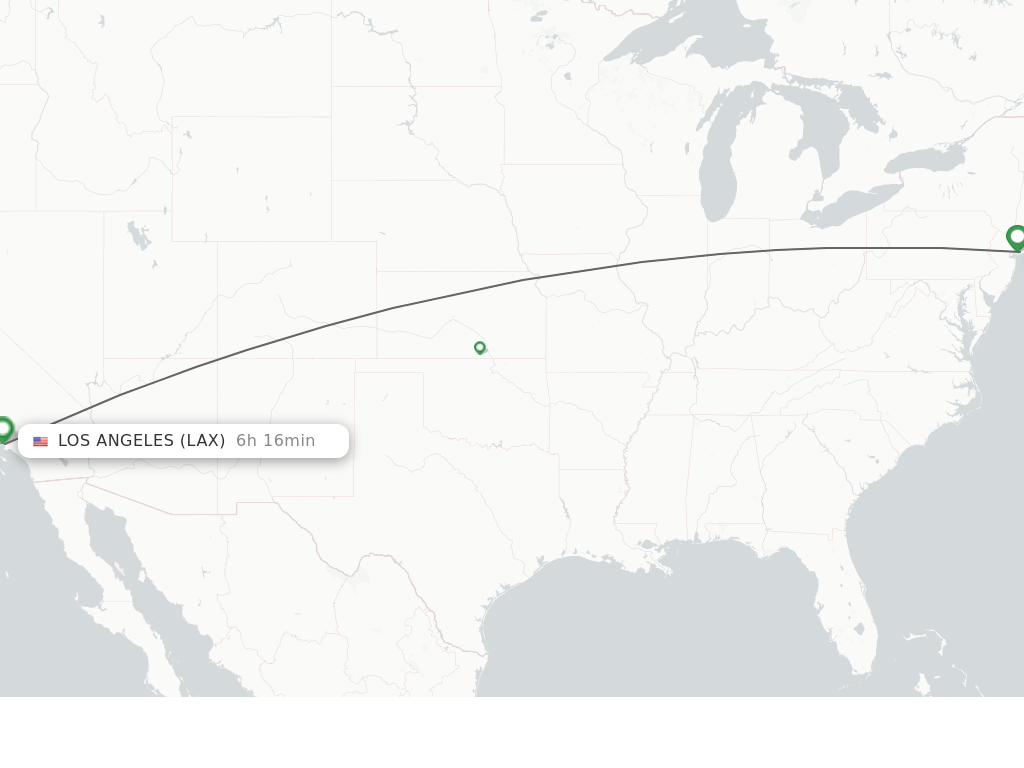
Average Direct Flight Time
On average, a direct flight from New York to Los Angeles will take approximately 5 hours and 45 minutes to 6 hours and 30 minutes. This range accounts for the typical variances in wind conditions and air traffic. Airlines aim for schedules that reflect these averages, but it’s always prudent to check the specific estimated flight time provided by the airline at the time of booking.
Factors Affecting Scheduled Times
Airlines build buffer times into their schedules to account for the variables mentioned above. Therefore, the scheduled departure and arrival times may not precisely reflect the actual flight duration. For instance, a flight scheduled for 6 hours might land in 5 hours and 40 minutes due to favorable tailwinds, or it might take 6 hours and 20 minutes due to headwinds. These are routine occurrences in air travel.
Planning Your Journey: Tips for Travelers
Understanding the nuances of flight duration allows for more effective travel planning.
Booking Strategies
When booking, pay close attention to the listed flight duration. A significantly shorter duration for a direct flight might indicate exceptionally favorable wind conditions, while a longer duration might suggest less ideal weather or a route planned to accommodate potential delays. Compare options from various airlines, considering not just price but also the scheduled flight times and potential layover durations if choosing a connecting flight. Major carriers like American Airlines, Delta Air Lines, and United Airlines operate numerous flights daily on this popular route.
Arrival and Departure Considerations
Given the flight duration and time zone change, it’s advisable to book flights that allow ample time for arrival procedures at Los Angeles International Airport, especially during peak travel periods. Similarly, when departing from New York airports such as LaGuardia Airport or Newark Liberty International Airport, allow sufficient time for security checks and boarding. For business travelers, factoring in the time difference is critical for scheduling meetings and ensuring punctuality. A flight arriving in Los Angeles in the late afternoon or early evening may still allow for a productive evening or an early start the next day, depending on how the traveler adjusts to the local time.
Comfort on Long Flights
While the flight duration is manageable, packing essentials for comfort can enhance the experience. This includes neck pillows, eye masks, noise-canceling headphones, and entertainment options. Staying hydrated and moving around the cabin periodically can also help mitigate the effects of prolonged sitting. Some travelers opt for airlines that offer premium economy or business class seats for added comfort on this transcontinental journey, which can make the 5.5 to 6.5-hour flight feel considerably shorter and more restful.
Navigating the Skies: The Eastbound vs. Westbound Difference
A unique aspect of this route is the noticeable difference in flight times between traveling west and east.
The Westbound Advantage (NYC to LA)
As previously mentioned, flights heading west from New York to Los Angeles generally face headwinds. These winds, originating from the Pacific Ocean and moving eastward across the continent, create resistance against the aircraft’s forward motion. While modern aircraft are powerful, these headwinds do add to the flight duration, pushing the typical flight time towards the longer end of the spectrum. This is the primary reason why a flight from New York to Los Angeles is usually longer than the return journey.
The Eastbound Advantage (LA to NYC)
The journey from Los Angeles back to New York often benefits from the prevailing jet stream flowing from west to east. This powerful current of air acts as a tailwind, propelling the aircraft forward and significantly reducing the time required to cover the distance. Consequently, flights from Los Angeles to New York are typically shorter, often landing in the 5-hour to 5-hour 30-minute range. This difference is a consistent meteorological phenomenon that airline operations account for in their scheduling.
Conclusion: Timing Your Transcontinental Trip
The flight from New York to Los Angeles is a quintessential American travel experience, bridging the nation’s East and West Coasts. While the direct flight time averages between 5.5 and 6.5 hours, understanding the contributing factors—including direct versus connecting routes, aircraft capabilities, wind patterns, and airport operations—provides a clearer perspective. Being aware of the consistent time difference and the eastbound/westbound variations allows travelers to plan their itineraries more effectively, ensuring a smoother and more predictable journey across the skies.
LifeOutOfTheBox is a participant in the Amazon Services LLC Associates Program, an affiliate advertising program designed to provide a means for sites to earn advertising fees by advertising and linking to Amazon.com. Amazon, the Amazon logo, AmazonSupply, and the AmazonSupply logo are trademarks of Amazon.com, Inc. or its affiliates. As an Amazon Associate we earn affiliate commissions from qualifying purchases.