
Understanding the precise time in California is far more than a simple curiosity for the savvy traveler; it’s a fundamental pillar for planning and experiencing one of the United States‘ most diverse and captivating destinations. From coordinating flight arrivals and hotel check-ins to scheduling coveted restaurant reservations and embarking on unforgettable tours across the state’s sprawling landscapes, time zone awareness is paramount. California is a land of vibrant cities, majestic national parks, sun-drenched beaches, and world-class attractions, all operating on a unified time schedule that travelers must understand to maximize their adventures. This guide delves into the specifics of California’s time zones, offering insights and practical tips to ensure your visit is seamless, stress-free, and perfectly timed.
Understanding California’s Time Zone: Pacific Standard Time (PST) and Pacific Daylight Time (PDT)
California observes the Pacific Time Zone, which fluctuates between Pacific Standard Time (PST) and Pacific Daylight Time (PDT) depending on the time of year. Knowing when and how this change occurs is crucial for any traveler.
The Basics of PST/PDT
During the winter months, typically from early November to mid-March, California operates on PST. This time zone is eight hours behind Coordinated Universal Time (UTC-8). When daylight saving time begins, usually on the second Sunday in March, the clocks “spring forward” one hour, shifting California to PDT. PDT is seven hours behind Coordinated Universal Time (UTC-7) and remains in effect until the first Sunday in November, when clocks “fall back” to PST. This annual adjustment is a critical detail for travelers, as it can subtly impact scheduled events if not accounted for. For instance, a flight booked for “9 AM local time” in early November could mean 9 AM PST on the day of travel, even if PDT was active a day prior. Always confirm the exact date of the time change relative to your travel dates.
Why Time Zones Matter for Travelers
The seemingly simple act of knowing the time becomes a cornerstone of successful travel planning, particularly in a diverse state like California. Missed connections, late arrivals for pre-booked tours, and confusion over reservation times can quickly sour a trip. For instance, imagine booking a sunrise hot air balloon ride over Temecula Valley or a guided hike in Big Sur. A miscalculation of even one hour due to time zone differences or the daylight saving transition could lead to missing these time-sensitive experiences entirely. Similarly, hotel check-in and check-out times, car rental pick-up, and dinner reservations are all firmly tethered to local time, necessitating accurate awareness to avoid fees or inconveniences. For business travelers, being punctual for meetings with clients or colleagues in cities like San Francisco or Silicon Valley is non-negotiable.
Navigating Time Differences for West Coast Adventures
Traveling to California from elsewhere in the United States or internationally brings its own set of time-related challenges, primarily concerning the adjustment to the local Pacific Time.
East Coast vs. West Coast
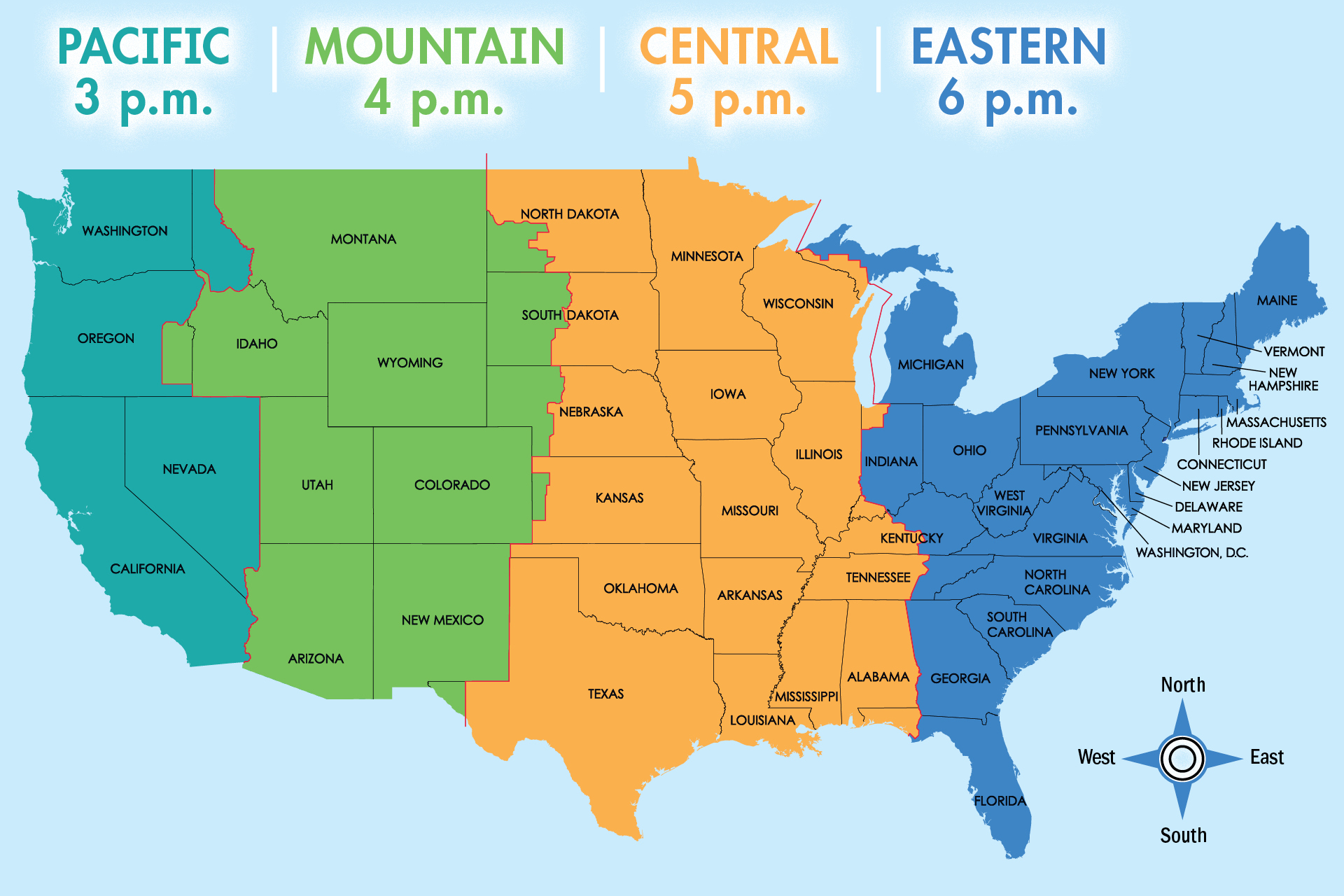
For domestic travelers, the most common time difference scenario involves adjusting from the Eastern Time Zone or Central Time Zone. California is three hours behind the Eastern Time Zone (EST/EDT) and two hours behind the Central Time Zone (CST/CDT). This means a 9 AM flight departure from New York (EDT) would land in Los Angeles (PDT) much earlier in the local day than one might initially perceive. For example, a five-hour flight leaving New York at 9 AM EDT would arrive in Los Angeles around 11 AM PDT, effectively feeling like a midday arrival from an East Coast perspective. This adjustment is crucial for scheduling immediate activities upon arrival, like picking up a rental car or heading straight to an attraction.
International Considerations
International travelers face an even greater time disparity, often arriving from time zones 8-12+ hours different from California’s. Visitors from Europe might experience an 8-9 hour difference, while those from Asia or Australia could be looking at a 15-19 hour gap. This significant difference is the primary cause of jet lag, which can severely impact the initial days of a trip. Strategies for mitigating jet lag become critical for international travelers. Understanding this time shift proactively allows for better planning of rest periods, scheduling less demanding activities for the first few days, and adjusting expectations for energy levels.
Practical Tools and Tips
To avoid time-related mishaps, several tools and habits can be incredibly beneficial:
- World Clock Apps: Utilize smartphone apps or online world clocks to keep track of both your home time and California time simultaneously.
- Adjust Your Watch Early: Before landing, set your watch or phone to California time. This helps your brain and body begin to adjust and prevents confusion upon arrival.
- Confirm All Bookings: Double-check all flight times, hotel reservations, tour departure times, and event schedules, ensuring they are confirmed for local California time.
- Communicate Clearly: When speaking with tour operators, hotel staff, or friends and family, explicitly state “California time” or “local time” to prevent any ambiguity.
Optimizing Your California Itinerary with Time in Mind
Beyond mere awareness, strategic use of California’s time zone can significantly enhance your travel experience, allowing you to optimize activities and avoid crowds.
Early Birds and Night Owls
Understanding the local rhythm can dictate your daily itinerary. For early birds, the cooler morning hours are perfect for hiking in Yosemite National Park or exploring the coastal trails of Laguna Beach before the midday sun. Many popular attractions like Disneyland Park or Universal Studios Hollywood open early, offering a chance to enjoy fewer crowds. Night owls, on the other hand, can leverage California’s vibrant nightlife, enjoying evening shows in Las Vegas (which operates on PDT as well) or exploring the bustling restaurant scene in San Diego. The later sunset during PDT provides ample opportunity for evening strolls along the Santa Monica Pier or enjoying sunset views from the Golden Gate Bridge.
Maximizing Daylight Hours
When PDT is in effect, California benefits from extended daylight hours, which is a boon for travelers. Sunsets can occur as late as 8:30 PM or 9:00 PM in the height of summer, providing more time for outdoor activities, sightseeing, and al fresco dining. This is particularly advantageous for exploring vast natural landscapes like Death Valley National Park, where prolonged daylight allows for more extensive exploration without the rush. Coastal destinations such as Santa Barbara and Monterey also shine during these extended evenings, offering beautiful light for photography and leisurely enjoyment. Planning outdoor adventures during these longer days allows for a more relaxed pace and a fuller experience.
Avoiding Peak Times and Crowds
Time awareness isn’t just about synchronizing your watch; it’s also about strategically timing your visits to popular attractions. Arriving at major landmarks like Alcatraz Island or the Hollywood Walk of Fame right at opening time, or during the late afternoon, often means fewer crowds and a more intimate experience. Understanding that most tourists operate on similar daily schedules can give you an edge. For example, visiting popular wineries in Napa Valley or Sonoma County during weekdays or outside of peak lunch hours can lead to a more personalized tasting experience. By thinking about local time and typical tourist flows, you can cleverly navigate California’s most beloved spots.
Conquering Jet Lag for a Smoother California Trip
Jet lag can turn dream vacations into groggy ordeals. However, with proactive planning and smart strategies, travelers can minimize its effects and fully enjoy their California experience from day one.
Pre-Trip Preparation
Begin adjusting your internal clock a few days before your departure. If you’re traveling west to California, try to shift your sleep schedule later by 30-60 minutes each night. Conversely, if coming from further west (e.g., Asia), try to go to bed and wake up earlier. Gradual changes make the final jump much less jarring. Ensure you get plenty of rest in the days leading up to your flight to build up your energy reserves.
During Your Flight
On the plane, try to trick your body into the new time zone. Set your watch to California time as soon as you board and try to sleep or stay awake according to that schedule. Hydration is key; drink plenty of water and avoid excessive alcohol and caffeine, which can dehydrate you and disrupt sleep patterns. If possible, wear comfortable clothing and bring a neck pillow and eye mask to aid relaxation.

Upon Arrival
The most critical step in combating jet lag is immediate immersion into California time. Resist the urge to nap for long periods, even if you feel exhausted. Instead, try to stay awake until the local bedtime. Seek out natural sunlight as soon as possible; sunlight helps reset your circadian rhythm. Take a walk along the beach in Santa Monica, explore a local park in San Francisco, or simply sit outdoors at a café. Light exercise can also help. Eat meals at local times, even if you’re not hungry, to further synchronize your body. If needed, a short power nap (20-30 minutes) can provide a boost without throwing off your night’s sleep.
In conclusion, knowing “What Time Is It In California Now?” is more than a trivial piece of information; it is an indispensable element of comprehensive travel planning. From the rhythmic shift between PST and PDT to the multi-hour difference for international travelers, every aspect of your California journey will be influenced by the clock. By understanding, anticipating, and strategically managing these time-related nuances, you unlock the full potential of your trip, ensuring punctuality, maximizing experiences, and allowing you to fully immerse yourself in the golden state’s unparalleled offerings. So, check the time, plan wisely, and embark on an unforgettable California adventure with confidence.
LifeOutOfTheBox is a participant in the Amazon Services LLC Associates Program, an affiliate advertising program designed to provide a means for sites to earn advertising fees by advertising and linking to Amazon.com. Amazon, the Amazon logo, AmazonSupply, and the AmazonSupply logo are trademarks of Amazon.com, Inc. or its affiliates. As an Amazon Associate we earn affiliate commissions from qualifying purchases.