
The allure of the Hawaiian Islands beckons travelers from around the globe with its pristine beaches, vibrant culture, and breathtaking natural beauty. For many on the West Coast of the United States, the journey begins in the bustling city of San Francisco, a major gateway to the Pacific. A common and crucial question for aspiring visitors is, “How long is the flight from San Francisco to Hawaii?” Understanding the duration of this trans-Pacific journey, along with the myriad factors that influence it, is essential for planning a smooth and enjoyable escape to paradise.
This article delves into the specifics of flight times, explores the various elements that can affect your travel duration, and provides comprehensive guidance for planning every aspect of your Hawaiian adventure, from choosing your island destination to securing the best accommodation and embracing the unique island lifestyle. Whether you’re dreaming of the vibrant city life of Honolulu, the serene beaches of Maui, the lush landscapes of Kauai, or the volcanic wonders of the Big Island, preparing for your journey begins with knowing what to expect in the air.
The Journey Across the Pacific: How Long Does It Really Take?
Embarking on a journey from the mainland U.S. to the remote islands of Hawaii is an exciting prospect. The flight itself is a significant part of the experience, offering stunning views of the vast Pacific Ocean and the anticipation of island life. While the exact duration can vary slightly, understanding the average times and influencing factors will help you set realistic expectations for your travel day.
Average Flight Duration to Key Hawaiian Islands
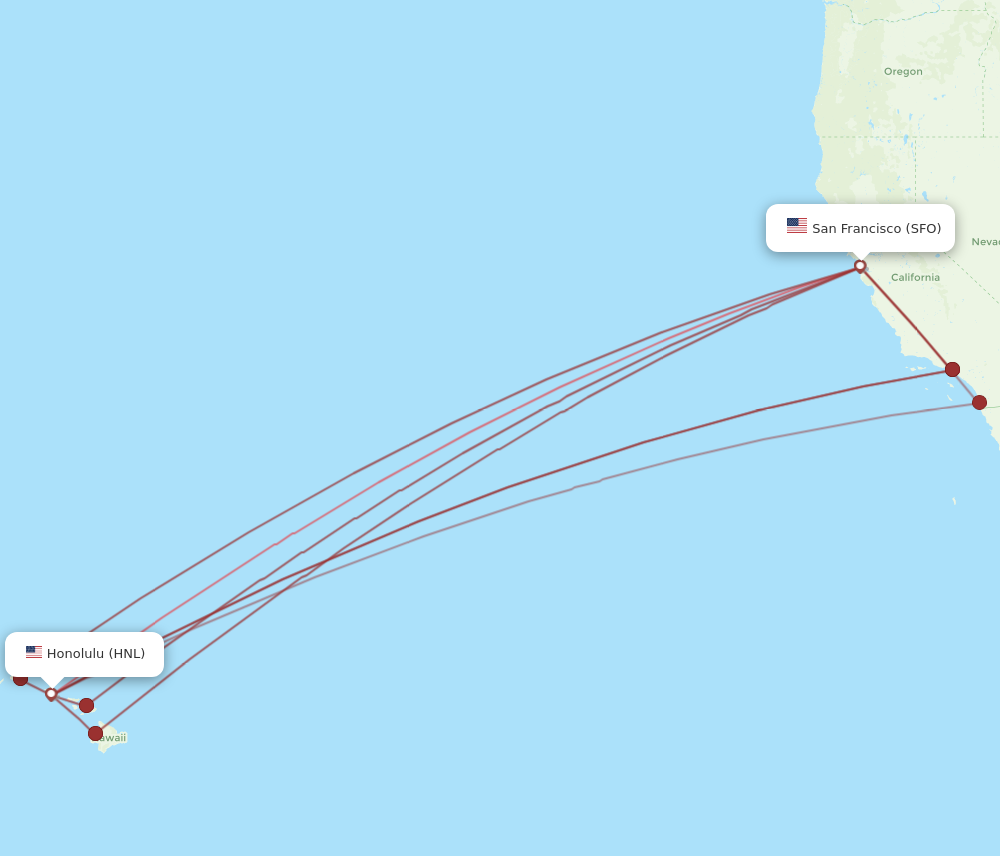
Most direct flights from San Francisco to Hawaii fall within a relatively consistent timeframe. The primary factor determining the length is the specific Hawaiian island you choose as your destination. Generally, flights from the San Francisco Bay Area to Hawaii range from approximately 5 hours to 6 hours and 30 minutes.
Here are the typical direct flight durations to the most popular Hawaiian airports:
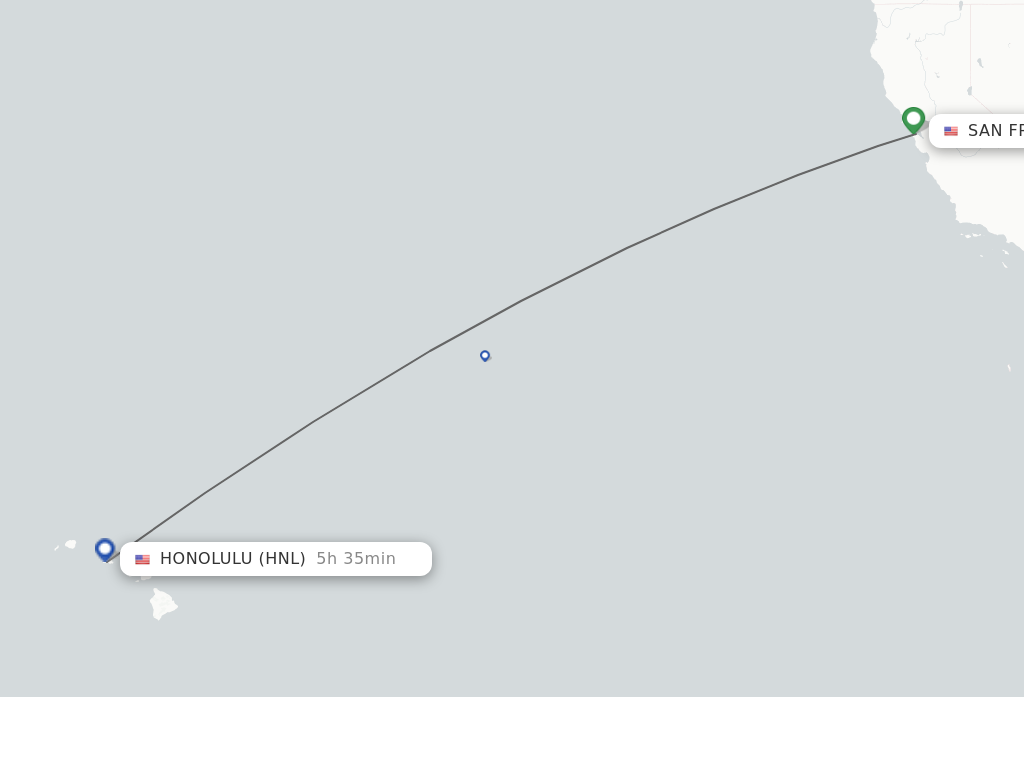
- To Honolulu (Daniel K. Inouye International Airport, HNL) on Oahu: This is the most common route and typically the shortest, usually taking around 5 hours to 5 hours 30 minutes. Honolulu is the capital city and the most populated area, serving as a hub for inter-island travel.
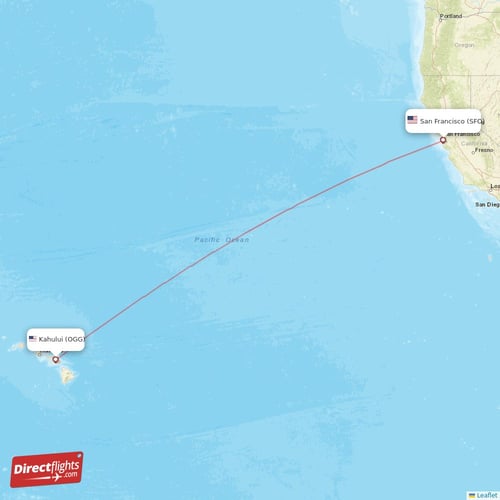
- To Kahului (Kahului Airport, OGG) on Maui: Flights to the “Valley Isle” are slightly longer, typically ranging from 5 hours 20 minutes to 5 hours 50 minutes. Maui is renowned for its luxurious resorts and breathtaking natural wonders.
- To Lihue (Lihue Airport, LIH) on Kauai: Known as the “Garden Isle,” Kauai offers dramatic cliffs and lush rainforests. Direct flights usually take approximately 5 hours 30 minutes to 6 hours.
- To Kona (Kona International Airport, KOA) or Hilo (Hilo International Airport, ITO) on the Big Island: The Big Island is the largest and furthest east. Flights here can be the longest, from 5 hours 45 minutes to 6 hours 30 minutes. The slight variation depends on whether you land on the leeward (west, Kona) or windward (east, Hilo) side.
It’s important to remember that these are direct flight times. If your itinerary includes a layover on the mainland or another Hawaiian island, your total travel time will, of course, be significantly longer.
Factors Affecting Flight Time
While the above figures provide a solid estimate, several factors can influence the actual flight duration:
- Wind Patterns (Jet Stream): This is arguably the most significant variable. Flights traveling westbound (from San Francisco to Hawaii) often encounter headwinds, which can slow the aircraft down. Conversely, eastbound flights (from Hawaii back to San Francisco) typically benefit from tailwinds, making the return journey quicker, sometimes by as much as 30-60 minutes.
- Aircraft Type: Modern aircraft like the Boeing 787 Dreamliner or Airbus A330 are designed for efficiency and speed over long distances, potentially shaving a few minutes off the journey compared to older models. The cruising speed of the specific aircraft will play a role.
- Air Traffic Control (ATC) Delays: While less common for long-haul flights across the ocean, ground delays at departure or arrival airports due to heavy air traffic, weather conditions, or operational issues can impact total travel time. However, once airborne and over the Pacific, direct routes generally minimize such delays.
- Route Optimization: Airlines continuously optimize flight paths based on real-time weather data, air traffic, and fuel efficiency. Minor adjustments to the flight path can result in slight changes to the overall flight time.
The Impact of Aircraft Type and Air Traffic
The type of aircraft used by airlines for the San Francisco-Hawaii route is generally efficient for trans-Pacific travel. Major carriers like United Airlines, Hawaiian Airlines, Alaska Airlines, Southwest Airlines, Delta Air Lines, and American Airlines primarily deploy wide-body aircraft or newer narrow-body jets with extended range capabilities, ensuring a comfortable and relatively swift journey. These aircraft are chosen for their ability to cover the roughly 2,400-mile distance efficiently.
While air traffic can cause delays at departure or upon arrival, especially during peak travel seasons, the oceanic portion of the flight is usually smooth and direct. The airspace over the Pacific is less congested than continental routes, allowing pilots to maintain optimal cruising speeds and altitudes for the majority of the flight.
Planning Your Seamless Escape: From San Francisco to the Aloha State
A successful trip to Hawaii involves more than just knowing your flight duration; it requires meticulous planning. From selecting the right airports to snagging the best deals and preparing for your departure, thoughtful preparation can significantly enhance your travel experience.
Best Airports for Departure and Arrival
Your journey to Hawaii will most likely originate from one of the major airports in the San Francisco Bay Area:
- San Francisco International Airport (SFO): SFO is the primary international gateway and offers the most frequent direct flights to all major Hawaiian islands. It boasts a wide array of airlines, services, and amenities, making it a popular choice.
- Oakland International Airport (OAK): Located in the East Bay, OAK is often a more convenient and potentially less crowded option for travelers living outside San Francisco proper. It also offers numerous direct flights to Hawaii, particularly with budget-friendly carriers like Southwest Airlines.
- Mineta San Jose International Airport (SJC): Serving the Silicon Valley, SJC provides another excellent alternative, especially for those in the South Bay. It also features direct connections to the islands, balancing convenience with competitive pricing.
Upon arrival, your destination airport in Hawaii will depend on your chosen island:
- Daniel K. Inouye International Airport (HNL) on Oahu: The busiest airport, serving Honolulu and the popular Waikiki Beach area.
- Kahului Airport (OGG) on Maui: The main airport for Maui, located centrally for access to Lahaina, Kihei, and Ka’anapali.
- Lihue Airport (LIH) on Kauai: Serves the Garden Isle, offering proximity to Poipu and Princeville.
- Kona International Airport (KOA) and Hilo International Airport (ITO) on the Big Island: KOA is on the drier west coast, convenient for resorts and coffee farms, while ITO is on the wetter east side, closer to Hawaii Volcanoes National Park and lush rainforests.
Booking Your Flight: When and How to Get the Best Deals
Securing affordable flights to Hawaii requires strategic planning.
- Book in Advance: Generally, the sweet spot for booking international (or long-haul domestic, like Hawaii) flights is 3 to 6 months before your travel date. Prices tend to rise as the departure date approaches.
- Be Flexible with Dates: If your schedule allows, consider traveling during the off-season (late spring or fall, excluding holidays). Mid-week flights (Tuesday-Thursday) are often cheaper than weekend travel.
- Utilize Flight Comparison Websites: Websites like Google Flights, Skyscanner, Kayak, and Expedia allow you to compare prices across multiple airlines and identify the best deals. Set up price alerts to be notified when fares drop.
- Consider Budget Airlines: Southwest Airlines has expanded its routes to Hawaii and often offers competitive pricing, though their fares might not appear on all third-party comparison sites.
- Check Airline Websites Directly: Sometimes, airlines offer exclusive deals or package options (flight + hotel) directly on their websites that aren’t available elsewhere.
- Loyalty Programs: If you’re part of an airline’s loyalty program, consider using accumulated points or miles for your flight, or look for promotions that offer bonus miles for booking.
Essential Pre-Flight Preparations
A smooth journey begins long before you reach the airport.
- Packing for Paradise: Pack light, breathable clothing suitable for a tropical climate. Don’t forget swimwear, reef-safe sunscreen (required in Hawaii), a hat, sunglasses, and comfortable walking shoes. Consider a light jacket or sweater for cooler evenings or higher elevations (Haleakala National Park, Mauna Kea).
- Documentation: Ensure your government-issued ID (driver’s license or passport) is valid and easily accessible. While Hawaii is a U.S. state, having a Real ID compliant license or passport is crucial for air travel.
- Time Zone Adjustment: Hawaii operates on Hawaii Standard Time (HST), which does not observe Daylight Saving Time. This means a significant time difference from San Francisco (e.g., 2-3 hours behind, depending on the time of year). Factor this into your arrival plans and consider adjusting your sleep schedule a few days before departure to minimize jet lag.
- In-Flight Comfort and Entertainment: A 5-6 hour flight is long enough to warrant some personal entertainment. Download movies, podcasts, or e-books. Bring a neck pillow, eye mask, and noise-canceling headphones for maximum comfort. Stay hydrated and move around the cabin when possible.
- Rental Car Reservations: Public transportation is limited on most Hawaiian islands, making a rental car almost essential for exploring. Book your car well in advance, especially during peak season, as availability can be limited and prices can surge.
Discovering Hawaii’s Diverse Charms: Choosing Your Island Paradise
Each of Hawaii’s main islands offers a distinct experience, catering to different travel styles and preferences. Understanding what makes each unique is key to choosing your perfect island paradise.
Oahu: The Gathering Place
Oahu is the most populated and bustling island, known as “The Gathering Place.” It perfectly blends vibrant city life with iconic natural beauty and historical significance.
- Highlights: Explore the world-famous Waikiki Beach with its surfing lessons, upscale resorts, and lively entertainment. Delve into history at Pearl Harbor and the USS Arizona Memorial. Hike to the summit of Diamond Head for panoramic views of Honolulu and the coastline. Experience local culture at the Polynesian Cultural Center or catch epic waves on the North Shore during winter months.
- Lifestyle: Ideal for travelers seeking a mix of city amenities, nightlife, historical exploration, and classic beach experiences. Great for first-time visitors to Hawaii and families.
- Accommodation: Offers a vast range from luxury high-rise resorts like Hilton Hawaiian Village Waikiki Beach Resort to boutique hotels, budget-friendly apartments, and vacation rentals.
Maui: The Valley Isle
Maui, “The Valley Isle,” is synonymous with luxury resorts, stunning beaches, and diverse landscapes, from volcanic craters to lush rainforests.
- Highlights: Drive the scenic Hana Highway, a winding road through tropical forests, past waterfalls and black sand beaches. Witness a breathtaking sunrise or sunset from the summit of Haleakala National Park. Stroll through the charming historic town of Lahaina, once a whaling village. Enjoy world-class snorkeling, diving, and whale watching (in season) off its golden shores.
- Lifestyle: Perfect for couples, honeymooners, and families looking for a more relaxed yet upscale vacation with opportunities for adventure and romance.
- Accommodation: Home to some of Hawaii’s most opulent resorts, such as Grand Wailea, A Waldorf Astoria Resort, along with numerous condominiums, villas, and boutique hotels, particularly in areas like Wailea and Ka’anapali.
Kauai: The Garden Isle
Kauai, “The Garden Isle,” is renowned for its dramatic, verdant landscapes, rugged cliffs, and pristine, undeveloped beauty. It’s a paradise for nature lovers and adventurers.
- Highlights: Marvel at the awe-inspiring Na Pali Coast, best viewed by helicopter, boat tour, or a challenging hike on the Kalalau Trail. Explore the “Grand Canyon of the Pacific,” Waimea Canyon, with its stunning vistas and hiking trails. Discover hidden beaches, lush valleys, and sparkling waterfalls.
- Lifestyle: Ideal for those seeking tranquility, outdoor adventures, and a closer connection with nature. Less crowded and developed than Oahu or Maui.
- Accommodation: Features a range of boutique hotels, luxury resorts (particularly in Poipu and Princeville), vacation rentals, and more secluded villas.
Big Island (Hawaii): The Orchid Isle
The Big Island, officially Hawaii Island, is the youngest and largest of the islands, offering incredible ecological diversity, from active volcanoes to snow-capped peaks.
- Highlights: Witness the raw power of creation at Hawaii Volcanoes National Park, home to Kilauea, one of the world’s most active volcanoes. Visit black sand beaches, swim with manta rays, or snorkel in vibrant coral reefs. Explore lush coffee plantations in Kona or stargaze from Mauna Kea.
- Lifestyle: Perfect for adventurous travelers interested in unique geological phenomena, diverse ecosystems, and authentic local experiences.
- Accommodation: Offers everything from expansive luxury resorts on the Kona coast (like Mauna Lani, Auberge Resorts Collection) to charming bed and breakfasts in Hilo and countless vacation rentals across the island.
Accommodation Choices Across the Islands
Regardless of your chosen island, Hawaii provides a rich tapestry of accommodation options to suit every budget and travel style:
- Resorts: From sprawling, amenity-rich luxury resorts with multiple pools, restaurants, and activities to smaller, more intimate boutique resorts. Ideal for those seeking convenience, pampering, and a comprehensive holiday experience.
- Hotels: A broad category encompassing international chains, local hotels, and charming guesthouses. Prices and amenities vary widely.
- Apartments/Condos: Especially popular for longer stays or families, offering kitchen facilities and often more space than a standard hotel room. Many resort areas feature condo complexes with access to amenities.
- Villas/Vacation Rentals: Perfect for groups, families, or those seeking privacy and a home-away-from-home feel. Platforms like Airbnb and Vrbo offer a vast selection.
- Comparison and Reviews: Always use booking platforms to compare prices, read recent reviews, and check for specific amenities (e.g., beachfront, pool, kitchen, family-friendly options). Consider what’s most important for your trip before making a final decision.
Enhancing Your Hawaiian Experience: Tips for an Unforgettable Trip
Once your flights are booked and your island selected, it’s time to focus on making your Hawaiian trip truly unforgettable. From getting around to immersing yourself in the local culture, these tips will help you maximize your time in paradise.
Navigating Local Transportation
Understanding how to get around each island is crucial for a stress-free vacation.
- Rental Cars: For most islands (Maui, Kauai, Big Island), a rental car is highly recommended, if not essential, for independent exploration. Book well in advance, especially for SUVs or vans.
- Rideshares & Taxis: Services like Uber and Lyft are available, particularly on Oahu and in busier areas of Maui. Taxis are also an option from airports and major hotels but can be more expensive.
- Public Transportation: Oahu has the most extensive public bus system, TheBus, which is an affordable way to get around Honolulu and reach many attractions. Other islands have more limited public transport, typically serving local residents rather than tourists.
- Inter-island Flights: If you plan to visit multiple islands, inter-island flights are the fastest and most common method of travel. Hawaiian Airlines and Southwest Airlines offer frequent connections.
Embracing Hawaiian Culture and Cuisine
Hawaii is rich in history and tradition. Engaging with its culture and savoring its unique flavors will deepen your experience.
- The Aloha Spirit: The “Aloha Spirit” (Aloha Spirit) is more than a greeting; it’s a way of life emphasizing mutual respect, love, and compassion. Embrace it by being friendly, patient, and respectful of the land and its people.
- Luau Experience: Attend a traditional luau for a feast of Hawaiian food, music, and hula dancing. Many resorts offer authentic luau experiences.
- Local Cuisine: Indulge in local delicacies like poke (diced raw fish), shave ice, kalua pig, fresh seafood, and tropical fruits. Visit farmers’ markets for fresh produce and local treats.
- Cultural Sites: Explore historical sites, ancient temples (heiau), and museums to learn about Hawaii’s rich Polynesian heritage.
Sustainable Tourism Practices
Protecting Hawaii’s fragile ecosystem and unique culture is paramount. Practice mindful and sustainable tourism.
- Reef-Safe Sunscreen: Use mineral-based sunscreens that do not contain oxybenzone or octinoxate, as these chemicals harm coral reefs. Hawaii has banned the sale of sunscreens containing these chemicals.
- Respect Nature: Stay on marked trails, do not touch or disturb marine life (including sea turtles and monk seals), and never take sand, rocks, or plants.
- Reduce Waste: Bring a reusable water bottle, coffee cup, and shopping bags to minimize plastic waste.
- Support Local: Choose local businesses, eat at local restaurants, and buy products from local artisans to support the island communities.
Packing Essentials for Your Island Getaway
Beyond the basics, a few specific items will make your Hawaiian vacation more comfortable:
- Light Layers: For evenings or air-conditioned spaces.
- Comfortable Footwear: Sandals, water shoes for rocky beaches, and hiking shoes for trails.
- Waterproof Bag: To protect electronics on boat tours or at the beach.
- Portable Charger: For your devices while out exploring.
- Camera: To capture the stunning landscapes.
- Travel Insurance: Always a wise investment for any trip.
In conclusion, the flight from San Francisco to Hawaii is a relatively short and manageable journey, typically ranging from 5 to 6.5 hours, depending on your final island destination and various atmospheric factors. With proper planning – from booking flights and accommodation strategically to understanding local transportation and embracing the spirit of aloha – your long-anticipated escape to the Hawaiian Islands will undoubtedly be an unforgettable experience filled with adventure, relaxation, and cultural immersion.
LifeOutOfTheBox is a participant in the Amazon Services LLC Associates Program, an affiliate advertising program designed to provide a means for sites to earn advertising fees by advertising and linking to Amazon.com. Amazon, the Amazon logo, AmazonSupply, and the AmazonSupply logo are trademarks of Amazon.com, Inc. or its affiliates. As an Amazon Associate we earn affiliate commissions from qualifying purchases.