
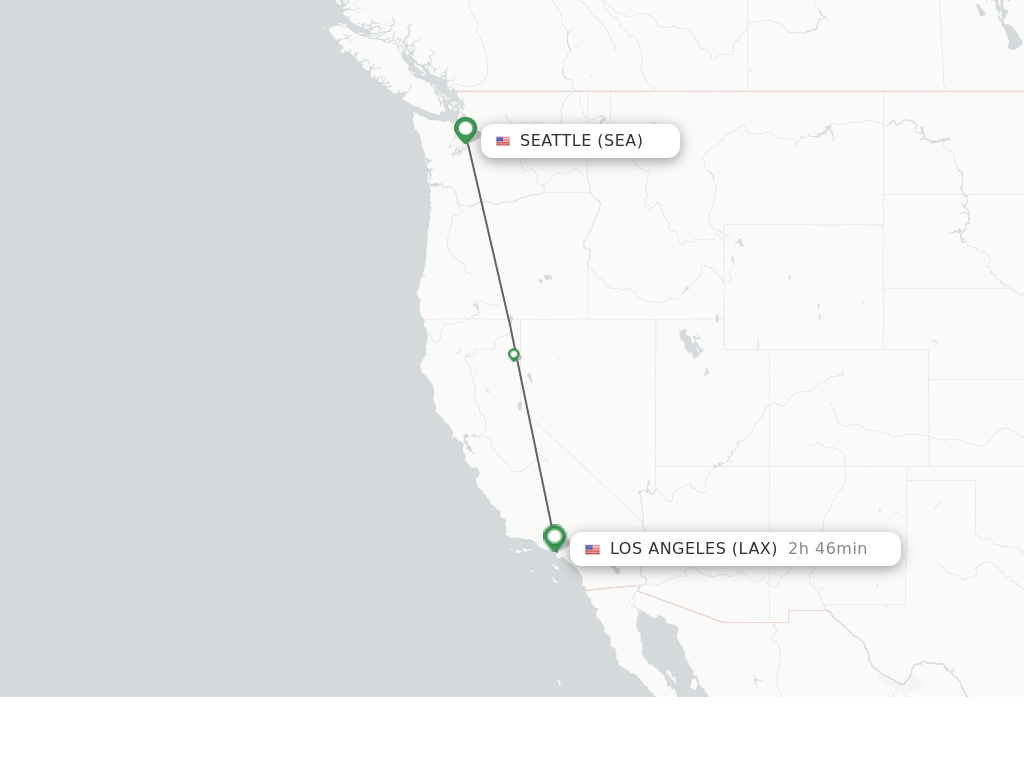
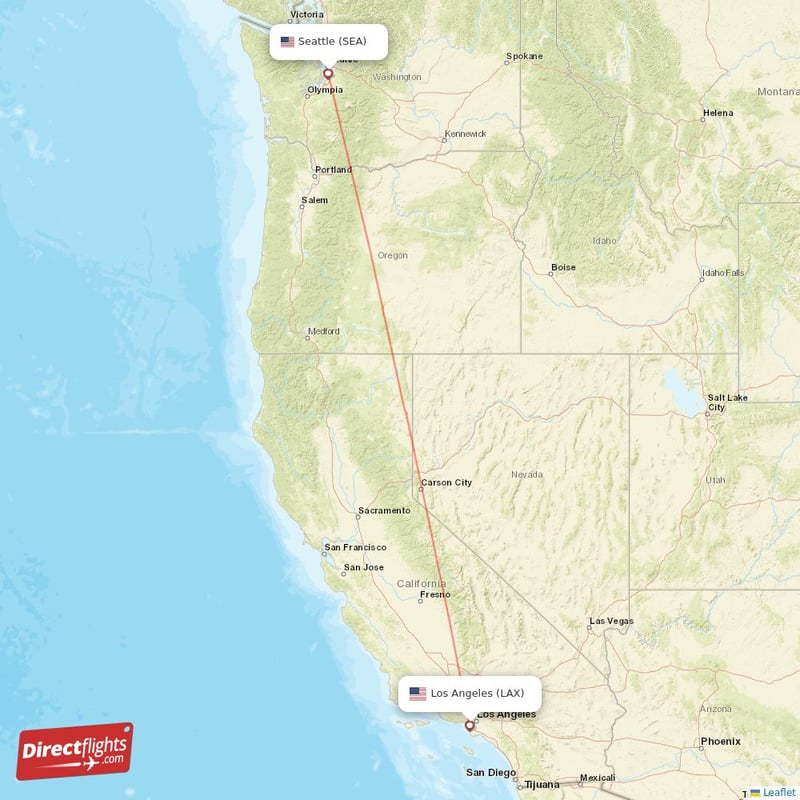
The route between Seattle and Los Angeles is one of the most popular corridors on the United States West Coast. Whether you are traveling for business, visiting family, or heading out for a weekend getaway, understanding the logistics of this flight is essential for planning a seamless journey. Spanning approximately 960 miles, this flight is relatively short, yet several factors can influence how much time you actually spend in the air and how long the entire travel day will take.
Understanding Flight Duration and Airtime
When you search for flights, you will often notice a discrepancy between the advertised flight time and the actual time spent cruising at altitude. For a direct flight from Seattle-Tacoma International Airport (SEA) to Los Angeles International Airport (LAX), the scheduled duration is typically between 2 hours and 30 minutes to 2 hours and 50 minutes.
The Role of Atmospheric Conditions
While the distance between these two hubs is constant, the wind patterns—specifically the jet stream—can significantly impact your flight time. Because flights generally move from north to south, they often encounter favorable tailwinds. On a good day, the actual time spent in the air can be as brief as 2 hours and 15 minutes. Conversely, if there are unusual wind patterns or if air traffic control mandates a holding pattern due to congestion, the flight time can stretch toward the three-hour mark.
Aircraft Type and Efficiency
The airlines operating this route, including Alaska Airlines, Delta Air Lines, United Airlines, and American Airlines, primarily utilize narrow-body aircraft such as the Boeing 737 or the Airbus A320 series. These planes are highly efficient for short-haul flights. While the specific model of the aircraft might shave five or ten minutes off the total travel time, the difference is negligible for the average passenger. The most significant variances in duration are dictated by air traffic flow management at the destination airport.
Navigating Airport Logistics
For many travelers, the “total travel time” is far more important than the “time in the air.” Navigating the complexities of Washington and California airport infrastructure requires a bit of strategy.
Seattle-Tacoma International Airport (SEA) Experience
Seattle is a major hub, and the airport is consistently busy. It is recommended that travelers arrive at least two hours before a domestic flight. The check-in and security processes at SEA have been streamlined through technologies like SEA Spot Saver, but the sheer volume of passengers can lead to unexpected delays at the TSA checkpoints. If you are checking luggage, ensure you arrive early enough to meet the carrier’s cutoff times, which are typically 45 minutes before departure for domestic flights.
Arrival at Los Angeles International Airport (LAX)
LAX is one of the busiest airports in the world. Even after you land, your journey is not finished. Taxiing time at LAX can sometimes take 15 to 20 minutes, depending on which runway you land on and how congested the tarmac is. Once you deplane, the time required to reach baggage claim and exit the airport can vary wildly depending on the terminal. If you are planning ground transportation, such as a ride-share or a rental car, be aware that getting out of the central terminal area can take significant time during peak hours.
Factors Influencing Your Total Travel Time
Beyond the flight itself, several variables can either compress or extend your travel day. Recognizing these factors allows you to manage expectations and plan accordingly.
Time of Day and Peak Travel Hours
Flights departing in the early morning often have a higher “on-time” performance rate. As the day progresses, minor delays in the national airspace system compound, often resulting in “cascading delays.” If your flight from Seattle is scheduled for the evening, there is a statistically higher probability of encountering a delay compared to an early morning flight.
The Impact of Seasonality
Weather in the Pacific Northwest can be unpredictable, especially during the fall and winter months. Heavy rain, fog, or snow at Seattle-Tacoma International Airport can ground flights or slow down takeoff queues significantly. Conversely, Los Angeles generally enjoys mild weather, but it is not immune to the “marine layer” or heavy fog, which can occasionally disrupt flight schedules. Always check the long-range weather forecast for both cities 48 hours before your departure.
Connecting Flights vs. Direct Options
While direct flights are the gold standard for this route, some travelers opt for connecting flights to save on costs. If you choose a flight with a layover—perhaps in San Francisco, Portland, or Salt Lake City—your total travel time will increase dramatically, often doubling to five or six hours. While these options are budget-friendly, they introduce the risk of missed connections and luggage handling issues. Given the proximity of Seattle and Los Angeles, a direct flight is almost always worth the investment for the time saved.

Maximizing Your Journey
To ensure your travel experience is as smooth as possible, consider these professional travel tips:
- Join Loyalty Programs: If you travel frequently, stick to one major carrier. Frequent flier status often provides access to priority security lines, which can save you significant time at both SEA and LAX.
- Use TSA PreCheck: This is perhaps the single most effective way to reduce the stress of air travel. It significantly speeds up the security screening process, allowing you to bypass the long lines that plague major transit hubs.
- Download Airline Apps: Always have the official app for your airline downloaded on your smartphone. These apps provide real-time updates regarding gate changes, boarding times, and potential flight delays, giving you a head start if plans change.
- Consider Ground Transport Before Landing: Because Los Angeles traffic is notoriously unpredictable, having a plan for how you will get from the airport to your final destination—whether it’s Santa Monica, Beverly Hills, or Downtown Los Angeles—is crucial. Use GPS apps to check traffic conditions before you even board your flight in Washington.
Ultimately, the flight from Seattle to Los Angeles is a short, manageable journey. By preparing for the airport environment and understanding the nature of flight schedules, you can ensure your travel day remains efficient and stress-free. Whether you are traveling for the iconic sights of Hollywood or the booming tech scene of Seattle, the air corridor between these two cities remains one of the most convenient ways to traverse the West Coast.
LifeOutOfTheBox is a participant in the Amazon Services LLC Associates Program, an affiliate advertising program designed to provide a means for sites to earn advertising fees by advertising and linking to Amazon.com. Amazon, the Amazon logo, AmazonSupply, and the AmazonSupply logo are trademarks of Amazon.com, Inc. or its affiliates. As an Amazon Associate we earn affiliate commissions from qualifying purchases.