
Nestled within the undulating hills of the Westside region of Los Angeles, Bel Air stands as an enduring symbol of exclusivity and prestige. Often spoken of in the same breath as its neighboring communities of Beverly Hills and Holmby Hills, this residential enclave occupies a unique position in the geography of California. For those unfamiliar with the sprawling layout of Southern California, pinpointing the exact coordinates of this neighborhood can be challenging due to its secluded nature and lack of commercial signage.
The Geographic Context of the Platinum Triangle
To understand where Bel Air sits, one must first recognize its role within the “Platinum Triangle.” This term refers to the three most affluent neighborhoods in Los Angeles County: Bel Air, Beverly Hills, and Holmby Hills.

Proximity to Major Landmarks
Bel Air is situated north of Wilshire Boulevard and immediately west of the San Diego Freeway, also known as the 405. Its southern boundary is marked by Sunset Boulevard, a legendary artery that connects the high-energy lifestyle of West Hollywood to the coastal breeze of Pacific Palisades. To the north, the neighborhood climbs into the rugged Santa Monica Mountains, where the topography shifts from suburban development to winding, narrow canyons and pristine ridgelines.
The Ease of Access
While the neighborhood feels miles away from the urban bustle, it is surprisingly accessible. Visitors entering the area typically do so via Stone Canyon Road or Bel Air Road. These gateways serve as thresholds between the public thoroughfares of Los Angeles and the private, gated estates that define the character of the community.
Historical Foundations and Architectural Significance
The history of Bel Air is intrinsically linked to the vision of its founder, Alphonzo Bell. In the early 1920s, Bell envisioned a community that prioritized privacy, natural beauty, and a distinct lack of commercial interference. This philosophy continues to dictate the neighborhood’s layout today, characterized by large lots, mature landscaping, and an absence of sidewalks or streetlights in many sections.
Architecture Through the Decades
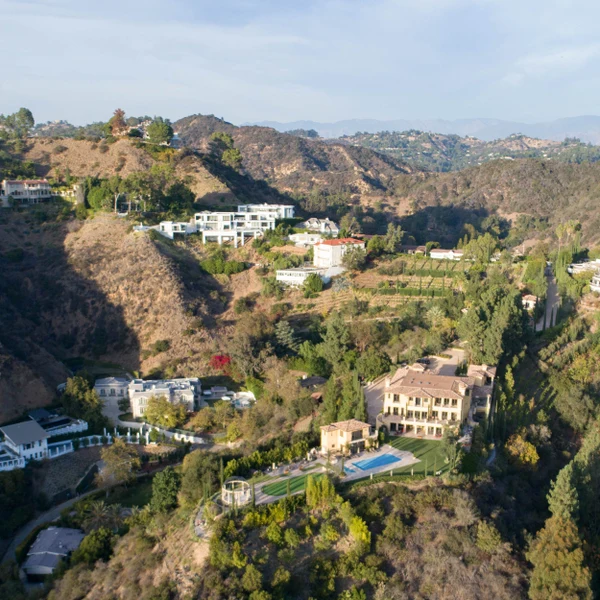
The architectural landscape of Bel Air is a timeline of luxury design. One can find everything from mid-century modern masterpieces to sprawling Mediterranean-style villas. Because the lots are massive and often obscured by thick foliage, the houses themselves serve as private sanctuaries. Many properties are designed by world-renowned architects, serving as functional art pieces that overlook the Los Angeles Basin.
The Role of Private Estates
Unlike other neighborhoods in Southern California, the residential nature of Bel Air is strictly protected. There are no strip malls, retail centers, or public parks within the residential zones. This creates a quiet atmosphere that is highly coveted by residents who value tranquility above all else.
Key Neighborhood Features and Attractions
While Bel Air is primarily residential, it contains several landmarks that have put the neighborhood on the global map. These sites highlight the blend of nature, culture, and high-end hospitality that defines the area.
The Bel-Air Country Club
Located at the heart of the community, the Bel-Air Country Club is one of the most prestigious private golf courses in the United States. Its iconic suspension bridge, which spans the canyon floor, is a recognizable landmark that symbolizes the intersection of civil engineering and high-end leisure.
Hotel Bel-Air
Perhaps the most famous commercial entity in the neighborhood is the Hotel Bel-Air. Set within 12 acres of lush gardens, this resort has hosted royalty, political figures, and Hollywood icons for decades. It is a prime example of Old Hollywood glamour, offering a level of service and seclusion that few luxury hotels in the world can replicate.
The Getty Center
Although technically situated on the western edge of the community, the Getty Center is the cultural anchor for Bel Air. Sitting atop a hill overlooking the 405, this massive museum complex houses an extensive collection of European paintings, sculptures, and decorative arts. The Getty Center provides a rare opportunity for the general public to experience the stunning vistas and curated beauty of this elevated region without needing to be a local resident.
Navigating the Neighborhood: Tips for Visitors
Because Bel Air is a residential neighborhood, visitors should approach it with a different mindset than they would Santa Monica or Downtown Los Angeles. There is no “downtown” Bel Air to explore, and the privacy of residents is held in high regard.
Respecting Privacy and Local Regulations
If you are planning to drive through Bel Air, it is important to remember that these are private, winding roads often shared with local residents and service vehicles. Traffic can be unpredictable, particularly during rush hour, as the neighborhood serves as a corridor between the San Fernando Valley and the Westside. Always adhere to local traffic laws and respect the residential character of the streets.
Best Times to Visit
For those interested in the architecture or the natural beauty of the Santa Monica Mountains, the spring and early summer months are ideal. The gardens at the Hotel Bel-Air are in full bloom, and the skies above Los Angeles are typically clear, providing breathtaking views of the Pacific Ocean and the cityscape below.

Staying Connected
If you are visiting for an extended stay, consider basing yourself near Sunset Boulevard. This allows for quick access to the gate of Bel Air while keeping you close to the dining and retail opportunities available in neighboring Beverly Hills and West Hollywood.
Bel Air remains an essential component of the Los Angeles identity. Its physical isolation from the surrounding metropolis serves to protect its serene, garden-like atmosphere. Whether you are visiting the Getty Center for an afternoon of art or simply driving through the winding canyons to admire the architectural diversity, the neighborhood offers a glimpse into a lifestyle that is uniquely California. Understanding its location, its history, and its commitment to privacy is the key to appreciating what makes this corner of the world so perpetually fascinating.
LifeOutOfTheBox is a participant in the Amazon Services LLC Associates Program, an affiliate advertising program designed to provide a means for sites to earn advertising fees by advertising and linking to Amazon.com. Amazon, the Amazon logo, AmazonSupply, and the AmazonSupply logo are trademarks of Amazon.com, Inc. or its affiliates. As an Amazon Associate we earn affiliate commissions from qualifying purchases.