
Embarking on a transatlantic journey from the bustling metropolis of New York City to the historic and vibrant capital of the United Kingdom, London, is a common aspiration for travelers worldwide. Understanding the duration of this flight is a crucial first step in planning any such adventure. While the distance between these two iconic global cities might suggest a consistent flight time, a variety of factors can influence how long you’ll spend airborne. This comprehensive guide will delve into the intricacies of flight durations, from the average travel time to the elements that can cause variations, ensuring you have a clear picture of what to expect when booking your passage across the Atlantic.
The Average Flight Duration: A Baseline for Your Journey
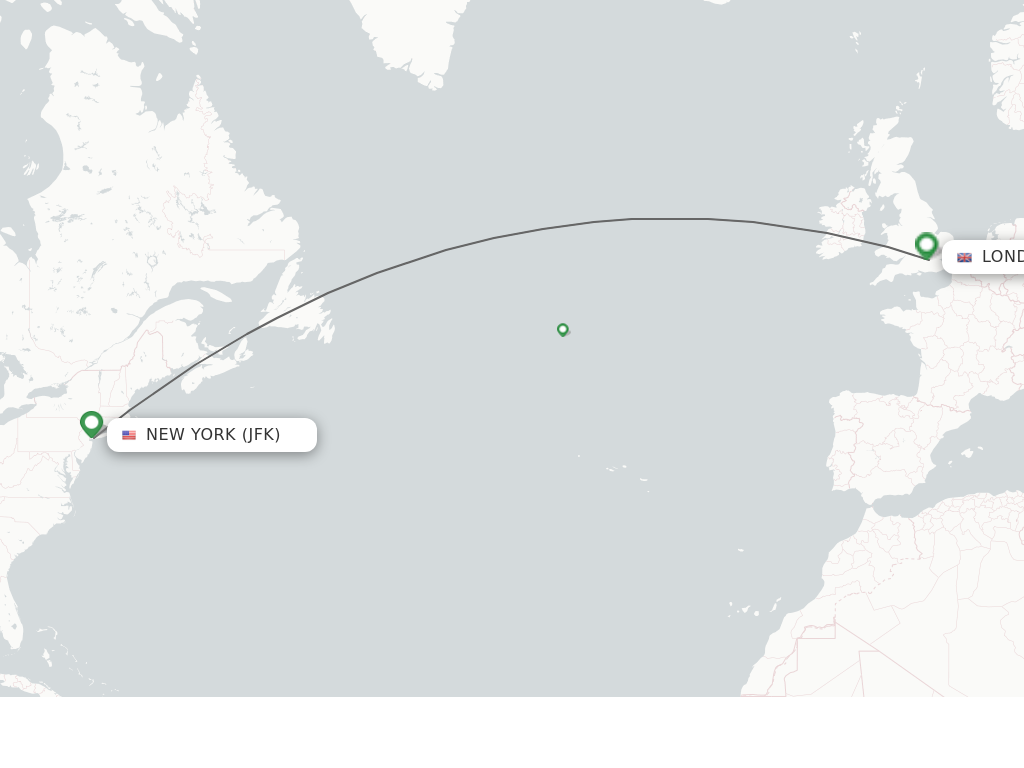
When discussing the flight from New York City to London, it’s essential to establish a baseline understanding of the typical flight time. This average provides a solid foundation for your travel planning, allowing you to anticipate your arrival and make arrangements accordingly.
Direct vs. Connecting Flights: The Primary Differentiator
The most significant factor influencing flight duration is whether your journey involves a direct flight or requires one or more layovers.
Direct Flights: The Swift Crossing
A direct flight, often referred to as a non-stop flight, offers the most time-efficient way to travel between New York City and London. These flights bypass any intermediate stops, taking you directly from one continent to the other. For this particular route, direct flights typically range from 5.5 to 6.5 hours. This timeframe is influenced by factors such as the specific aircraft, prevailing wind conditions, and the chosen flight path. Airlines like British Airways, Virgin Atlantic, and United Airlines commonly operate these direct services, catering to travelers who prioritize speed and convenience.
Connecting Flights: The Extended Itinerary
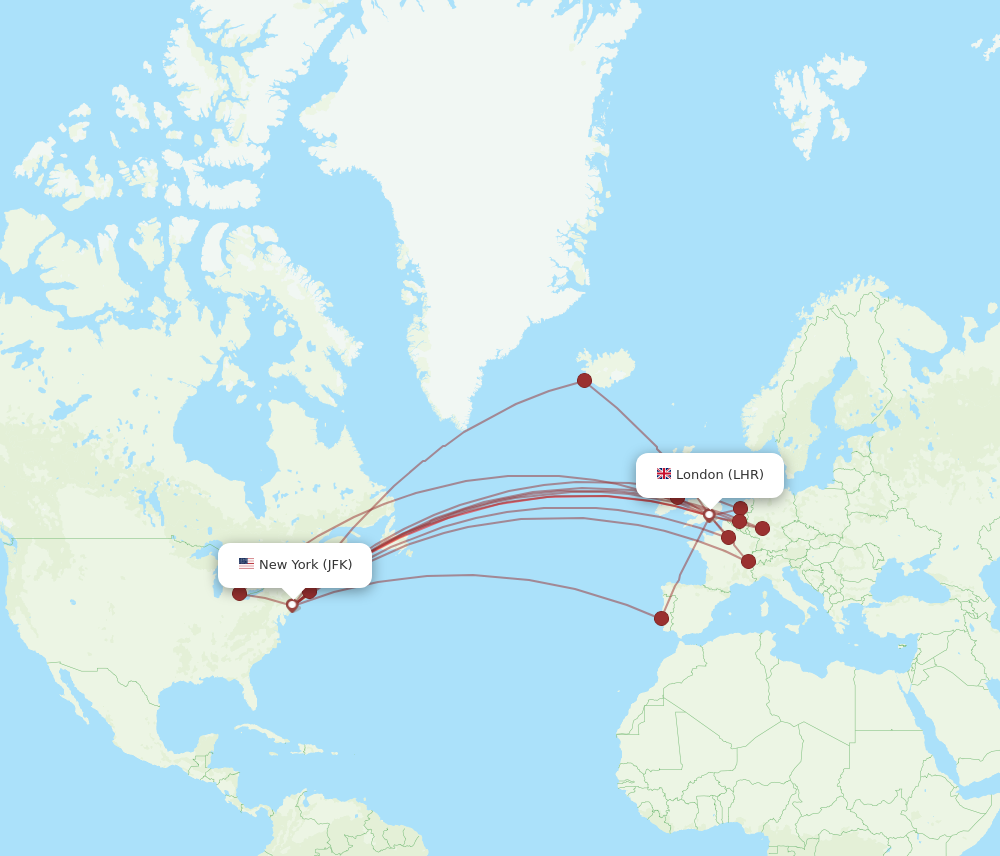
Connecting flights, while often more budget-friendly, inherently increase the total travel time. These journeys involve a stopover at an intermediate airport, where passengers may need to disembark and re-board a different aircraft, or simply wait for their connecting flight. The duration of a connecting flight can vary dramatically depending on the length of the layover. A short layover might add only a couple of hours to your total trip, while a longer one, especially if it necessitates an overnight stay, can extend the journey to 10 hours, 15 hours, or even considerably longer. Airports such as Dublin, Reykjavik, or even other cities within the United States or Europe can serve as common connection points. It is crucial to meticulously review the total journey time when booking connecting flights to ensure it aligns with your travel plans and expectations.
Factors Influencing Flight Time: Beyond the Schedule
While airline schedules provide an estimated flight duration, several dynamic elements can subtly or significantly impact how long your flight actually takes. Understanding these variables can help you better interpret arrival times and prepare for potential adjustments.
Jet Streams: The Invisible Tailwind
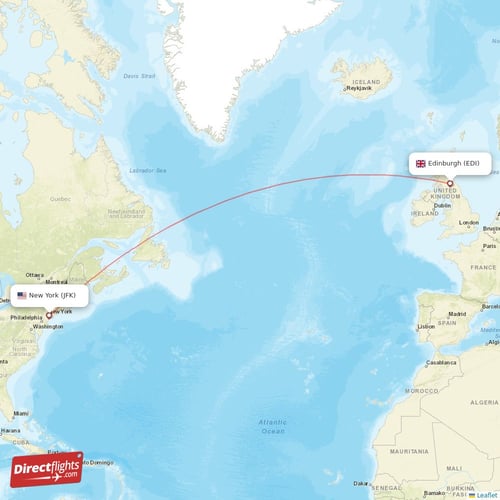
One of the most significant natural influences on transatlantic flight times is the jet stream. This high-altitude, fast-flowing air current can act as a powerful tailwind, dramatically reducing flight times when flying eastward from New York City to London. Conversely, the same jet stream can create a headwind when flying westward, increasing the flight duration. Pilots utilize these powerful air currents to their advantage whenever possible to optimize fuel efficiency and flight times. A favorable jet stream can shave off precious minutes, making a 6-hour flight feel even shorter.
Aircraft Type and Speed: The Mach Factor
The specific aircraft model used for your flight also plays a role in its duration. Modern commercial airliners are designed for optimal efficiency and speed, but subtle differences exist between them. Larger wide-body jets, commonly used for long-haul routes like this, often have different cruising speeds compared to their counterparts. Factors like engine efficiency, aerodynamic design, and maximum cruising speed all contribute to the potential time savings. While the differences might be marginal in terms of overall flight time, they are a consideration in airline scheduling and operational efficiency.
Air Traffic Control and Routing: The Navigational Dance
The skies are a complex network managed by air traffic control. Flight paths are meticulously planned to ensure safety and efficiency, but they are not always direct straight lines. Factors such as weather patterns, other aircraft in the vicinity, and airspace restrictions can necessitate deviations from the most direct route. Air traffic control directives can influence the speed at which aircraft can fly and the precise path they must take. While pilots and air traffic controllers work tirelessly to minimize any delays, these elements can occasionally add a few minutes to the overall flight duration.
Planning Your Arrival: Beyond Just the Flight Time
Successfully navigating your journey from New York City to London involves more than just understanding the flight duration. It’s about comprehensively planning your arrival, taking into account all the associated elements.
Time Zone Differences: The Chronological Shift
One of the most immediate and impactful aspects of arriving in London from New York City is the time zone difference. London is typically five hours ahead of New York City. This means that even if your flight is only 6 hours long, you will effectively “gain” time upon arrival. For instance, a flight departing New York at 7:00 PM might arrive in London at 7:00 AM the next day, despite the relatively short flight time. This significant time difference requires careful consideration when planning onward travel, hotel check-ins, and any scheduled activities upon your arrival in the United Kingdom.
Airport Procedures: The Gate to the City
Upon landing at one of London’s major airports, such as Heathrow Airport or Gatwick Airport, the flight time is only one part of your journey’s completion. You will still need to navigate immigration and customs procedures, collect your luggage, and make your way to your final destination within the city. These processes can add a significant amount of time, often ranging from 30 minutes to over an hour, depending on the airport’s busyness and your individual situation. Allowing ample time for these post-flight procedures is crucial for a smooth transition into your London experience.
Jet Lag Management: Adapting to a New Rhythm
The considerable time zone shift between New York City and London often leads to jet lag, a common travel ailment that can affect your ability to enjoy your initial days in the new city. Jet lag is characterized by fatigue, sleep disturbances, and general disorientation as your body’s internal clock adjusts to the new time zone. Proactive strategies, such as gradually shifting your sleep schedule before your trip, staying hydrated during the flight, and immediately embracing the local time upon arrival, can significantly mitigate its effects. Understanding the duration of your flight is the first step in preparing yourself for the subsequent temporal adjustments that will be necessary to fully immerse yourself in the wonders of London.
LifeOutOfTheBox is a participant in the Amazon Services LLC Associates Program, an affiliate advertising program designed to provide a means for sites to earn advertising fees by advertising and linking to Amazon.com. Amazon, the Amazon logo, AmazonSupply, and the AmazonSupply logo are trademarks of Amazon.com, Inc. or its affiliates. As an Amazon Associate we earn affiliate commissions from qualifying purchases.