
Embarking on a journey from the bustling metropolis of New York to the tranquil shores of Hawaii represents one of the longest domestic flights within the United States. It’s a significant undertaking, traversing thousands of miles across a continent and a vast ocean. While the allure of tropical beaches, volcanic landscapes, and the unique aloha spirit beckons, prospective travelers often first ponder the practicalities of such an extensive aerial voyage. The duration of this flight isn’t just a simple number; it’s influenced by a myriad of factors, from the specific departure and arrival airports to prevailing wind conditions and aircraft type. Understanding these elements is key to planning a comfortable and enjoyable journey to paradise.
Unpacking the Flight Duration: A Journey Across Continents
The question of “how long” is paramount for anyone planning this remarkable trip. While there’s no single definitive answer that applies to every single flight, a clear range can be provided, along with an exploration of what makes these flights vary in length.
The Non-Stop Reality: Direct Flight Times
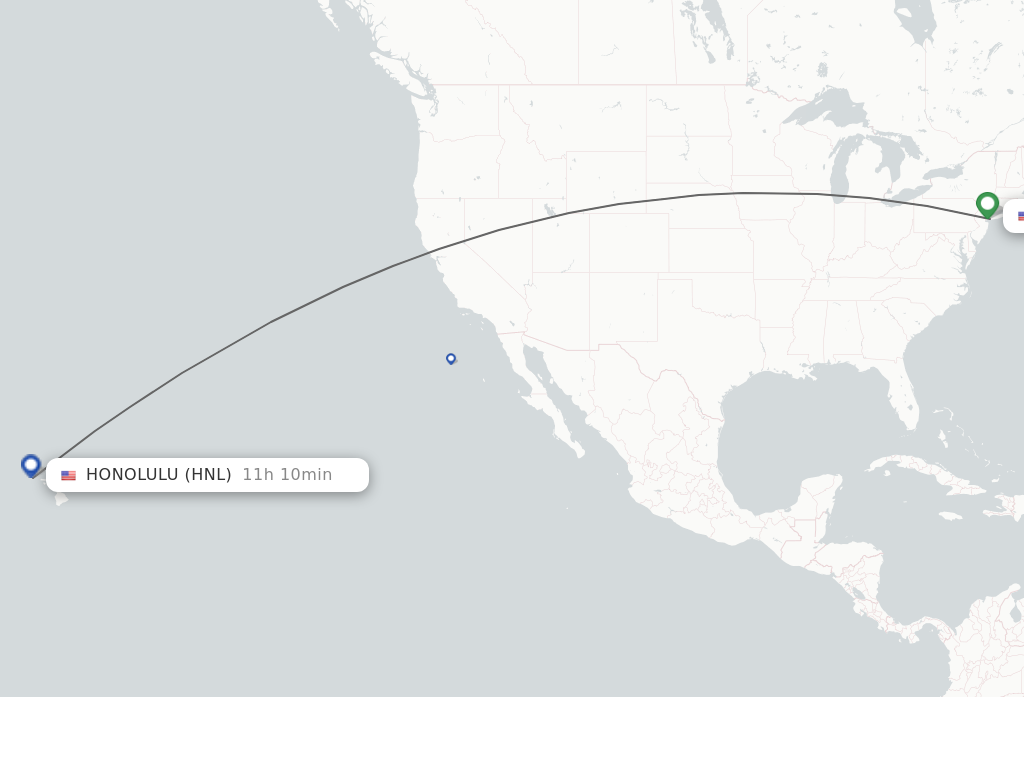
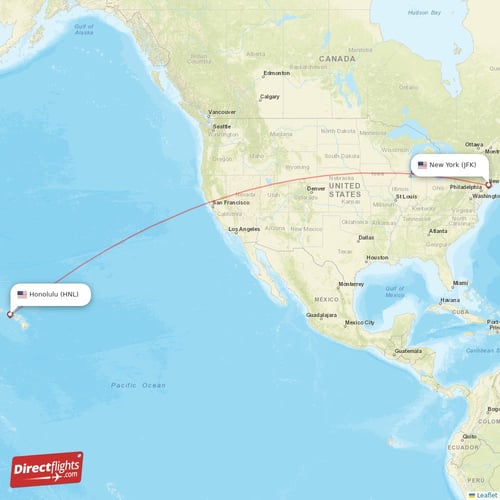
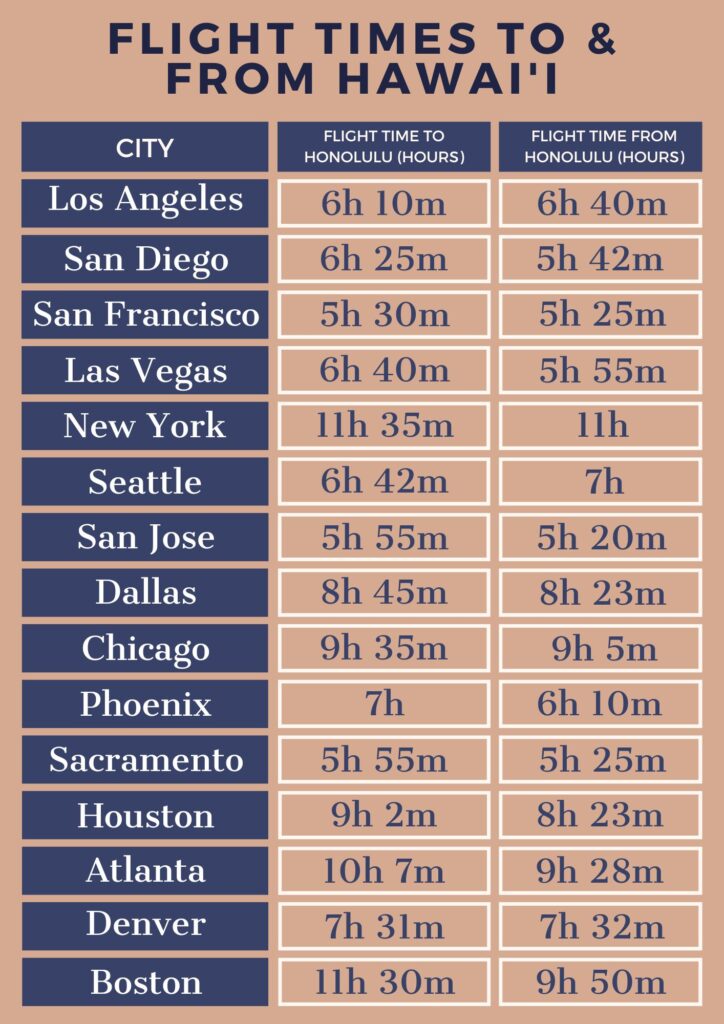
For travelers prioritizing speed and convenience, non-stop flights are the gold standard. A direct flight from the New York metropolitan area to Hawaii typically ranges from 10 to 11 hours.
- From John F. Kennedy International Airport (JFK) or Newark Liberty International Airport to Daniel K. Inouye International Airport (HNL) in Honolulu, Oahu, the flight time is usually around 10 hours and 30 minutes to 11 hours.
- Flights to other major Hawaiian islands like Maui (Kahului Airport – OGG) or the Island of Hawaii (often referred to as the Big Island) (Kona International Airport – KOA) can be slightly longer, occasionally stretching to 11 hours and 30 minutes due to slight variations in flight paths and landing procedures.
It’s crucial to note that these times refer to actual airborne duration. Factoring in boarding, taxiing, and deplaning, the total airport-to-airport experience will naturally be longer.
Factors Influencing Flight Length
While the 10-11 hour window is a solid estimate, several variables can subtly alter the actual flight time:
- Tailwinds and Headwinds: The most significant meteorological factor is wind. Flights traveling westward from New York to Hawaii often encounter prevailing headwinds, which can add 30-60 minutes or even more to the journey. Conversely, eastbound flights benefit from tailwinds, making the return trip noticeably shorter, often around 9-9.5 hours.
- Aircraft Type: Modern, fuel-efficient long-haul aircraft like the Boeing 787 Dreamliner or Airbus A330 and A350 series are designed for optimal speed and range. Older or different models might have slightly varied cruising speeds, leading to minor differences in flight duration.
- Air Traffic Control (ATC) and Route Optimization: Air traffic congestion, particularly around busy departure and arrival airports, can lead to delays on the ground or in the air. ATC also dictates specific flight paths, which are continuously optimized for efficiency but can change based on weather, military operations, or other airspaces restrictions.
- Layovers: While the focus here is on direct flights, it’s worth mentioning that connecting flights will significantly increase overall travel time. A typical flight with one layover (e.g., in Los Angeles, San Francisco, or Chicago) can stretch the total journey to 14-18 hours or even more, depending on the length of the layover.
Understanding Time Zones: The 6-Hour Difference
Beyond the sheer duration of the flight, travelers must also contend with a substantial time zone change. New York operates on Eastern Standard Time (EST), while Hawaii observes Hawaii Standard Time (HST). HST is 5 hours behind EST during standard time and 6 hours behind EST when daylight saving time is in effect in New York (as Hawaii does not observe daylight saving).
This significant difference means that even if you depart JFK at 9:00 AM EST, after an 11-hour flight, you would arrive in Honolulu around 2:00 PM HST the same calendar day. While this “time travel” effect can feel beneficial on arrival, it also sets the stage for potential jet lag, a crucial consideration for planning your initial days in paradise.
Key Gateways: Departing from New York, Arriving in Hawaii
Understanding the primary airports and airlines that facilitate this long-haul route is essential for booking and planning. Both New York and Hawaii boast world-class facilities to handle the extensive passenger traffic.
New York’s Major Hubs
Travelers from the New York metropolitan area typically depart from one of two major international airports:
- John F. Kennedy International Airport (JFK): Located in Queens, JFK is the busiest international air passenger gateway into North America. It offers a wide array of non-stop and connecting flights to Hawaii from various carriers.
- Newark Liberty International Airport (EWR): Situated in Newark, New Jersey, just southwest of Manhattan, EWR serves as a major hub for several airlines, including United Airlines, which offers direct flights to Hawaii.
While LaGuardia Airport (LGA) is another prominent airport in New York, it primarily handles domestic flights, usually within a certain range, and does not typically offer direct flights to Hawaii.
Hawaiian Arrival Points
Hawaii is comprised of several distinct islands, each with its own charm and appeal. Direct flights from New York primarily land at the following airports:
- Daniel K. Inouye International Airport (HNL) in Honolulu, Oahu: This is the main gateway to Hawaii and the busiest airport in the state. Most non-stop flights from the East Coast land here.
- Kahului Airport (OGG) in Kahului, Maui: Maui is a popular destination, and some airlines offer direct service from New York to OGG, bypassing Honolulu for added convenience for Maui-bound travelers.
- Kona International Airport (KOA) in Kona, Island of Hawaii: The Big Island also receives a limited number of direct flights from the East Coast, primarily serving its western side.
- Lihue Airport (LIH) in Lihue, Kauai: While less common for direct flights from New York, Kauai often requires an inter-island connection from HNL.
Major Airlines Servicing the Route
Several major United States carriers offer direct or connecting flights from New York to Hawaii:
- United Airlines: A significant player on this route, especially with its hub at Newark Liberty International Airport.
- Delta Air Lines: Offers direct flights from JFK to Honolulu and occasionally to Maui.
- American Airlines: Also provides direct service from JFK to Honolulu.
- Hawaiian Airlines: The state’s flag carrier, Hawaiian Airlines, also offers non-stop flights from JFK to Honolulu, providing an authentic Hawaiian experience from the moment you board.
- Alaska Airlines: While less frequent for direct New York to Hawaii routes, Alaska Airlines is a strong contender for connecting flights via its West Coast hubs.
It’s always recommended to compare fares and schedules across these airlines, especially considering factors like baggage allowances, in-flight amenities, and loyalty programs.
Mastering the Long-Haul: Strategies for a Comfortable Flight
An 11-hour flight can be daunting, but with the right preparation and mindset, it can be a comfortable and even enjoyable part of your travel experience.
Pre-Flight Preparations
Thoughtful planning before you even reach the airport can make a world of difference.
- Booking and Seat Selection: Book your flight well in advance to secure preferred seats. For such a long flight, consider splurging on extra legroom seats (like economy plus, comfort+, or exit rows), or even premium economy or business class if your budget allows. Window seats offer views, while aisle seats provide easier access for stretching.
- Packing Essentials for Your Carry-On: Your personal item and carry-on are your lifelines. Pack items like:
- Entertainment: Fully charged devices (tablet, e-reader, phone), noise-canceling headphones, and downloaded movies, shows, podcasts, or music.
- Comfort Items: A neck pillow, eye mask, earplugs, warm socks, and a light blanket or shawl (cabin temperatures can fluctuate).
- Hydration & Snacks: An empty reusable water bottle to fill after security, and healthy snacks to supplement airline meals.
- Toiletries: Travel-sized toothbrush, toothpaste, moisturizer, lip balm, and hand sanitizer.
- Medications: Any essential prescription medications, pain relievers, and motion sickness remedies.
- Dress in Layers: Airplane cabins can be notoriously temperamental with temperature. Wearing comfortable, loose-fitting clothing and layering allows you to adjust to changing conditions.
In-Flight Comfort and Wellness
Once airborne, proactive measures will help mitigate the challenges of a lengthy journey.
- Stay Hydrated: This is paramount. Drink plenty of water and avoid excessive alcohol and caffeine, which can contribute to dehydration and disrupt sleep.
- Move Regularly: Deep vein thrombosis (DVT) is a concern on long flights. Get up and walk the aisle every 1-2 hours. If you’re unable to move around, perform simple stretches and exercises in your seat, such as ankle circles, foot pumps, and shoulder rolls.
- Utilize In-Flight Entertainment: Most modern aircraft on this route offer extensive in-flight entertainment systems. Immerse yourself in movies, TV shows, or games to help pass the time.
- Attempt to Sleep: If your flight is overnight or you want to arrive refreshed, try to sleep. Use your neck pillow, eye mask, and earplugs to create a conducive environment. Consider setting your watch to Hawaii time early in the flight to help mentally adjust.
- Eat Light and Mindfully: While airline meals are provided, opt for lighter choices and try to align your eating schedule with your destination time zone as much as possible.
Overcoming Jet Lag
The 6-hour time difference can significantly impact your body’s natural rhythm. Preparing for and managing jet lag is crucial for enjoying your Hawaii vacation from day one.
- Adjust Before You Go: A few days before departure, try to gradually shift your sleep schedule closer to Hawaii time by going to bed and waking up earlier.
- Embrace the Light: Upon arrival, expose yourself to natural sunlight as much as possible. Sunlight helps reset your body clock. Conversely, avoid bright lights when it’s supposed to be night in Hawaii.
- Stay Active (But Don’t Overdo It): Gentle activity, like a walk on the beach, can help you feel more alert. Avoid strenuous exercise on your first day.
- Hydrate Continuously: Continued hydration helps combat the dehydrating effects of flying and jet lag.
- Prioritize Sleep: Resist the urge to nap for too long during the day. Go to bed at a reasonable local time, even if you don’t feel tired. A short power nap (20-30 minutes) might be acceptable, but avoid extended daytime sleep.
Beyond the Skies: Your Hawaiian Welcome
After traversing thousands of miles, the descent into Hawaii is often accompanied by breathtaking views of verdant mountains, turquoise waters, and vibrant coral reefs. Your journey doesn’t end when the wheels touch down; understanding the next steps is key to a smooth transition into your island escape.
Entry Requirements and Customs
Since Hawaii is a U.S. state, domestic travelers from New York do not need a passport or to go through customs for entry, making the arrival process relatively straightforward compared to international travel. However, always have a valid government-issued ID ready. Agricultural inspections are mandatory for all passengers arriving in Hawaii to prevent the introduction of invasive species. Be prepared to declare any plants, fruits, or animals you may be carrying.
Getting Around the Islands
Once you’ve collected your luggage, your mode of transport will depend on your chosen island and itinerary.
- Car Rentals: On most islands, particularly Maui, the Big Island, and Kauai, renting a car is highly recommended for exploring at your own pace. Book well in advance, especially during peak season.
- Ride-sharing/Taxis: Services like Uber and Lyft are available in Honolulu and other larger areas. Taxis are also readily available at airports.
- Public Transportation: Oahu has an extensive bus system called “TheBus,” which is an affordable way to get around Honolulu and beyond. Other islands have more limited public transport options.
- Inter-island Flights: If your itinerary includes island hopping, you’ll rely on short inter-island flights, primarily operated by Hawaiian Airlines or Mokulele Airlines. These flights are generally quick (20-45 minutes) but require additional airport time.
First Impressions: Embracing Aloha
From the moment you step off the plane, you’ll notice the distinct difference in atmosphere. The warm, humid air, the scent of plumeria, and the ubiquitous greeting of “Aloha” signal your arrival in a truly unique destination. Hawaii offers a rich tapestry of experiences, from the vibrant surf culture of Waikiki Beach on Oahu to the majestic slopes of Haleakala National Park on Maui, or the dramatic cliffs of the Napali Coast on Kauai. Take a deep breath, relax, and prepare to immerse yourself in the beauty and hospitality of the islands.
Crafting Your Dream Itinerary: Maximizing Your Hawaiian Adventure
Knowing the flight duration is just the first step. To make the most of your significant journey, a well-thought-out itinerary is crucial. Hawaii offers diverse experiences, and choosing the right island(s) and time to visit can profoundly impact your trip.
Popular Island Destinations
Each of Hawaii’s main islands has a distinct personality, catering to different types of travelers:
- Oahu: The Gathering Place: Home to Honolulu, Waikiki Beach, Pearl Harbor, and the iconic Diamond Head crater. It’s the most developed island, offering a blend of city life, historical sites, and world-famous surfing spots on the North Shore.
- Maui: The Valley Isle: Renowned for its stunning beaches, the scenic Road to Hana, and the breathtaking sunrises from Haleakala National Park. It’s a popular choice for romantic getaways and those seeking a mix of adventure and relaxation.
- Kauai: The Garden Isle: Characterized by lush rainforests, dramatic cliffs, and cascading waterfalls. The Napali Coast and Waimea Canyon are must-sees for nature lovers and adventurers.
- Island of Hawaii (The Big Island): The Orchid Isle: The largest and youngest island, famous for Hawaii Volcanoes National Park with its active volcanoes, diverse landscapes ranging from black sand beaches to snow-capped peaks, and the Kona coffee region.
Consider how many islands you wish to visit based on your trip length. For a typical 7-10 day trip, focusing on one or two islands allows for a more immersive experience without feeling rushed.
Best Times to Visit
Hawaii enjoys a tropical climate year-round, but there are subtle seasonal differences:
- Peak Season (Mid-December to Mid-April and June to August): These periods coincide with holidays and school breaks, meaning higher prices for flights and accommodations, and more crowded attractions. Weather is generally excellent, with slightly cooler temperatures in winter.
- Shoulder Season (April-May and September-November): Often considered the sweet spot. You’ll find fewer crowds, potentially lower prices, and still fantastic weather. The ocean temperatures are ideal for swimming and snorkeling.
- Hurricane Season (June to November): While direct hits are rare, tropical storms and hurricanes can bring heavy rain and strong winds. Travelers during this time should monitor weather forecasts.
Budgeting for Paradise
A trip to Hawaii from New York is a significant investment. Beyond the flight cost, budget for:
- Accommodation: Options range from luxury resorts in Maui to boutique hotels in Honolulu and vacation rentals across all islands. Book early for the best rates.
- Transportation: Car rentals, inter-island flights, and fuel expenses.
- Food: Dining out can be expensive, but local eateries, food trucks, and grocery shopping can help manage costs.
- Activities: Tours, luaus, surfing lessons, snorkeling trips, and park entrance fees.
- Travel Insurance: Given the long flight and investment, travel insurance is highly recommended.
The journey from New York to Hawaii is indeed a long one, typically lasting 10-11 hours in the air for direct flights. However, with careful planning, attention to comfort, and an understanding of the beautiful destination awaiting you, this extensive flight becomes a small price to pay for the unparalleled experience of the Hawaiian islands. Prepare for your adventure, embrace the journey, and get ready to say “Aloha” to an unforgettable escape.
LifeOutOfTheBox is a participant in the Amazon Services LLC Associates Program, an affiliate advertising program designed to provide a means for sites to earn advertising fees by advertising and linking to Amazon.com. Amazon, the Amazon logo, AmazonSupply, and the AmazonSupply logo are trademarks of Amazon.com, Inc. or its affiliates. As an Amazon Associate we earn affiliate commissions from qualifying purchases.