
Las Vegas, Nevada, a city synonymous with dazzling lights, world-class entertainment, and unparalleled luxury, often captivates visitors with its vibrant energy and unique offerings. Yet, beneath the neon glow and architectural marvels lies a foundational geographical characteristic that profoundly shapes its climate, environment, and even the visitor experience: its elevation. Understanding the elevation of the “Entertainment Capital of the World” offers crucial insights into its distinctive desert landscape, the challenges it has overcome, and the opportunities it presents for exploration beyond the famous Las Vegas Strip.
Far from sea level, Las Vegas sits in a basin within the Mojave Desert, cradled by majestic mountain ranges. This specific topographical placement isn’t merely a trivial geological fact; it dictates the region’s arid climate, influences the types of outdoor activities available, and informs the infrastructure and water management strategies that have allowed such a bustling metropolis to thrive in an otherwise inhospitable environment. For travelers, appreciating this elevation can enhance planning, from understanding temperature fluctuations to preparing for exhilarating excursions into the surrounding natural beauty.
The Geographical Reality: Understanding Las Vegas’s Elevation
To truly grasp what defines Las Vegas, one must first appreciate its precise location and the natural forces that have sculpted its unique setting. The city is nestled in a high desert environment, a characteristic that differentiates it significantly from many other major urban centers.
Pinpointing the Average Elevation
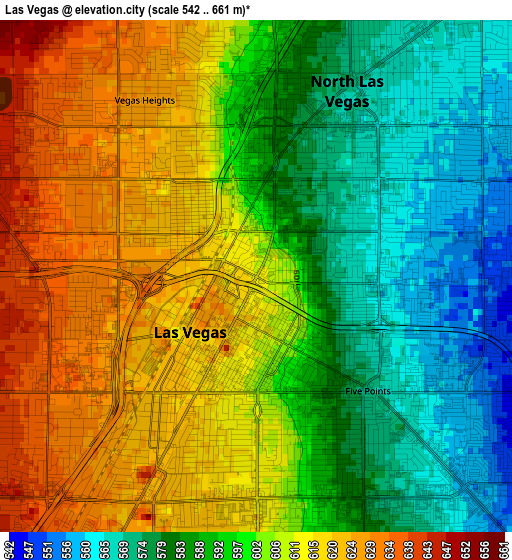
The average elevation of the Las Vegas metropolitan area is approximately 2,030 feet (620 meters) above sea level. This figure, however, represents an average, as the elevation can vary considerably across the sprawling Las Vegas Valley. The famous Las Vegas Strip itself generally hovers around this average, with specific points varying slightly. For instance, the McCarran International Airport (now Harry Reid International Airport) sits at roughly 2,181 feet (665 meters). This mid-range elevation, while not considered “high-altitude” in the medical sense (which typically starts around 8,000 feet), is still a significant factor in the region’s climate and ecological profile. It places Las Vegas in a category distinct from coastal cities or those situated in expansive plains, influencing everything from air pressure to average daily temperatures.
Topography and Variation Across the Valley
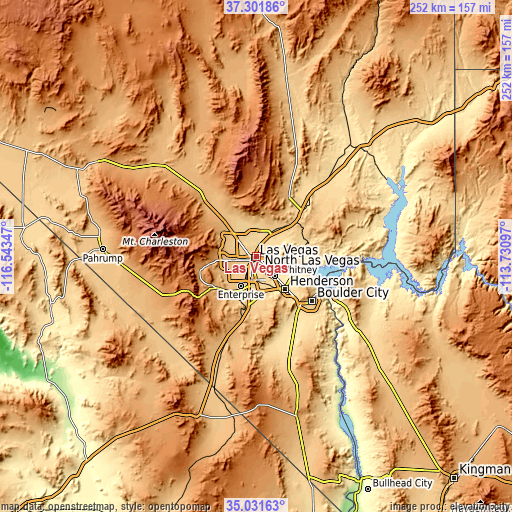
The Las Vegas Valley is not uniformly flat. It’s a complex basin surrounded by several mountain ranges that contribute to its varied topography. To the west, the Spring Mountains rise dramatically, featuring peaks like Mount Charleston, which soars to over 11,918 feet (3,632 meters). To the east, the River Mountains and Muddy Mountains delineate the valley, while the Sheep Range and Gass Peak dominate the northern skyline. These surrounding highlands mean that while the urban core maintains a relatively consistent elevation, venturing to the outskirts or into the adjacent natural areas can quickly lead to substantial elevation changes. For example, Red Rock Canyon National Conservation Area, a popular attraction just a short drive west, sees elevations ranging from 3,600 to 4,800 feet (1,100 to 1,460 meters), offering distinct microclimates and panoramic views. This varied topography creates diverse landscapes and recreational opportunities, from the relatively flat valley floor to challenging mountain trails.
The Mojave Desert Context
Las Vegas’s elevation is intrinsically linked to its position within the Mojave Desert, one of the largest and driest deserts in North America. This desert landscape is characterized by its basin-and-range topography, a result of tectonic activity that has lifted mountain blocks and dropped valleys over millions of years. Las Vegas itself sits within the Great Basin physiographic region, known for its internal drainage where water does not flow out to the ocean. The combination of elevation and desert geography ensures extremely low humidity and significant temperature swings between day and night, contributing to the iconic “dry heat” that many visitors experience. Understanding this desert context is key to appreciating both the natural beauty and the engineering marvels required to sustain a major city in such an environment.
How Elevation Shapes Las Vegas’s Climate and Environment
The elevation of Las Vegas is not just a number on a map; it’s a fundamental determinant of the city’s climate, directly influencing temperature, precipitation, and the overall environmental conditions that define the Mojave Desert experience.
Temperature Dynamics: Hot Days, Cooler Nights
One of the most immediate effects of Las Vegas’s high desert elevation is its impact on temperature. The dry air, typical of high desert regions, holds less moisture, meaning it heats up quickly during the day and cools down rapidly at night. This results in significant diurnal temperature variations. While summer days can soar well into the triple digits Fahrenheit (above 38°C), evenings often bring a welcome drop in temperature, making it more comfortable for outdoor activities once the sun sets. The lack of atmospheric moisture at this elevation allows solar radiation to heat the ground efficiently during the day, and then for that heat to escape quickly into space once the sun goes down. This dramatic swing is less pronounced in humid, sea-level environments where water vapor acts as a blanket, trapping heat. Visitors are often surprised by how pleasant summer nights can be, despite scorching daytime highs.
Aridity and Low Humidity
The elevation of Las Vegas, combined with its location deep within the Mojave Desert, results in an extremely arid climate characterized by very low humidity. The surrounding mountain ranges create a rain shadow effect, blocking moisture-laden air from the Pacific Ocean. As air masses rise to clear the peaks, they release their moisture on the western slopes before descending dry and warm into the Las Vegas Valley. This phenomenon, known as adiabatic heating, further contributes to the region’s dryness. The low humidity at 2,000 feet above sea level means that sweat evaporates quickly, leading to the sensation of “dry heat,” which, while intense, can feel less oppressive than humid heat at lower elevations. However, this also means a higher risk of dehydration for those not accustomed to such dry conditions. Precipitation is scarce, with Las Vegas receiving an average of only about 4 to 5 inches (100-125 mm) of rain annually, predominantly during winter months and occasional summer monsoons.

Surrounding Mountain Ranges and Their Influence
The mountain ranges encircling Las Vegas play a critical role in defining its environment. The towering Spring Mountains to the west, for example, create a significant topographical barrier. While they contribute to the rain shadow effect for the valley, their higher elevations (especially Mount Charleston) capture more moisture, supporting diverse ecosystems, including pine forests and even winter snow. This creates dramatic ecological contrasts within a short drive. The cooler, more humid conditions at higher elevations offer a stark respite from the valley’s heat and aridity, providing a valuable natural playground for locals and tourists seeking hiking, skiing, or simply cooler temperatures. These mountains not only provide breathtaking backdrops but also influence local wind patterns and contribute to the distinct microclimates found throughout the region, further emphasizing the impact of elevation on this unique destination.
Elevation’s Impact on the Las Vegas Traveler Experience
For the millions of people who visit Las Vegas each year, the city’s elevation is an often-unseen but impactful factor in their travel experience. From health considerations to leisure activities, understanding the effects of being 2,000 feet above sea level can significantly enhance a trip.
Health and Comfort Considerations for Visitors
While Las Vegas’s elevation is not high enough to cause acute mountain sickness for most people, it can still present subtle challenges, particularly for those coming from sea level or very humid environments. The dry air and slightly lower atmospheric pressure can lead to increased fluid loss through respiration and perspiration. Visitors might notice dryness of the skin, eyes, or nasal passages. It’s common for individuals to feel slightly more tired or dehydrated than usual, especially when combining the dry air with the city’s demanding pace and consumption of alcohol. Asthmatics or individuals with respiratory conditions might find the air a little thinner, though typically not to a problematic degree. The key takeaway for travelers is the increased importance of proactive hydration, which is vital for maintaining comfort and health throughout their stay.
Outdoor Adventures and High-Altitude Excursions
Las Vegas’s elevation is a gateway to a myriad of outdoor adventures, many of which involve significant elevation changes. The proximity of the Spring Mountains and Red Rock Canyon National Conservation Area means that within minutes, visitors can ascend thousands of feet, transitioning from the desert floor to cooler, more mountainous terrain. Hiking and rock climbing in Red Rock Canyon offer incredible vistas but also demand awareness of the higher elevation’s effects on physical exertion. A strenuous hike at 4,000 feet will feel different than the same hike at sea level. Even more dramatic is an excursion to Mount Charleston, where elevations reach nearly 12,000 feet. Here, visitors can experience snow in winter and significantly cooler temperatures in summer, engaging in activities like skiing, snowboarding, or serious mountaineering. These high-altitude experiences require proper gear, awareness of weather changes, and careful acclimatization, ensuring safety and enjoyment amidst stunning natural beauty.
Hydration and Sun Protection at Altitude
Given the combination of elevation and desert aridity, hydration and sun protection are paramount for any visitor to Las Vegas. The dry air accelerates dehydration, and the intense desert sun, especially at 2,000 feet where the atmosphere is slightly thinner, can lead to sunburn much faster than at lower elevations. It is crucial to drink plenty of water throughout the day, even if not feeling particularly thirsty, and to limit dehydrating beverages like excessive alcohol or caffeine. Wearing broad-spectrum sunscreen with a high SPF, even on cloudy days, is non-negotiable. Hats, sunglasses, and lightweight, long-sleeved clothing also provide excellent protection. These precautions are essential not only for comfort but also for preventing heat exhaustion, heatstroke, and severe sunburn, ensuring that travelers can fully enjoy all that Las Vegas and its surrounding natural wonders have to offer without health setbacks.
Las Vegas: A City Defined by Its Unique Topography
The very existence and success of Las Vegas are a testament to human ingenuity and perseverance in the face of challenging geographical realities. Its elevation, coupled with its arid desert location, has shaped its historical development, its engineering marvels, and its enduring identity as a truly unique global destination.
Historical Development and Water Management
The settlement of Las Vegas was initially fueled by its natural springs, which provided a rare oasis in the parched Mojave Desert. However, for the city to grow into the metropolis it is today, overcoming the limitations imposed by its elevated, arid environment was paramount. The most significant challenge was water. The solution arrived in the form of the Colorado River and the construction of the Hoover Dam in the 1930s. This monumental engineering feat created Lake Mead, one of the largest man-made reservoirs in North America, which now serves as the primary water source for Las Vegas and surrounding communities. The city’s water infrastructure, including extensive pumping systems to bring water from Lake Mead up to the valley’s elevation, is a marvel of modern engineering, essential for sustaining its population and lush resort landscapes. This historical reliance on external water sources highlights how profoundly the natural topography and climate dictate urban planning and resource management.
Engineering Marvels and Urban Expansion
The elevation and geographical constraints of the Las Vegas Valley have spurred innovative engineering and urban planning. Building a city of this magnitude in a desert basin at 2,000 feet required not only water solutions but also sophisticated infrastructure for power, transportation, and waste management. The city’s expansion has consistently balanced the desire for growth with the realities of its environment, from constructing massive resort complexes that defy the desert heat to developing sustainable technologies aimed at conserving precious resources. The very architecture of the city, with its air-conditioned indoor environments and elaborate water features, is designed to counteract the dry, hot conditions inherent to its elevated desert setting. These developments demonstrate a continuous effort to adapt and thrive, transforming a once-barren landscape into a vibrant urban ecosystem.
A Destination Elevated: Beyond the Glitz
Ultimately, Las Vegas’s elevation is more than just a scientific datum; it’s an integral part of its identity as a travel destination. It contributes to the city’s unique climate, shapes the breathtaking natural landscapes that surround it, and informs the incredible human achievements required to build such a city in such a place. For the curious traveler, understanding this geographical context adds depth to the experience, allowing for a greater appreciation of the glittering casinos, the refreshing resort pools, and the majestic desert vistas alike. Whether gazing at the distant Spring Mountains, feeling the dry desert air on a warm evening, or marveling at the sheer scale of the Hoover Dam, visitors are constantly interacting with the realities of Las Vegas’s elevated position. It underscores that while the city itself is a man-made wonder, its foundation is firmly rooted in the spectacular and challenging topography of the Nevada desert.
LifeOutOfTheBox is a participant in the Amazon Services LLC Associates Program, an affiliate advertising program designed to provide a means for sites to earn advertising fees by advertising and linking to Amazon.com. Amazon, the Amazon logo, AmazonSupply, and the AmazonSupply logo are trademarks of Amazon.com, Inc. or its affiliates. As an Amazon Associate we earn affiliate commissions from qualifying purchases.