
Embarking on a journey from the bustling metropolis of New York to the enchanting landscapes and vibrant cities of Japan is an experience that promises a rich tapestry of culture, history, and modernity. For many prospective travelers, a fundamental question that looms large in the planning phase is the duration of the flight. Understanding the flight times, potential layovers, and the various factors that influence this lengthy transatlantic trip is crucial for setting realistic expectations and optimizing your travel itinerary. This comprehensive guide delves into the intricacies of flights from New York to Japan, aiming to equip you with the knowledge needed for a smoother journey.
Direct vs. Connecting Flights: The Time Equation
The most significant determinant of your flight duration from New York to Japan is whether you opt for a direct flight or one with one or more layovers. While direct flights offer unparalleled convenience and save valuable travel time, they are not always readily available or the most economical choice.
The Efficiency of Non-Stop Journeys
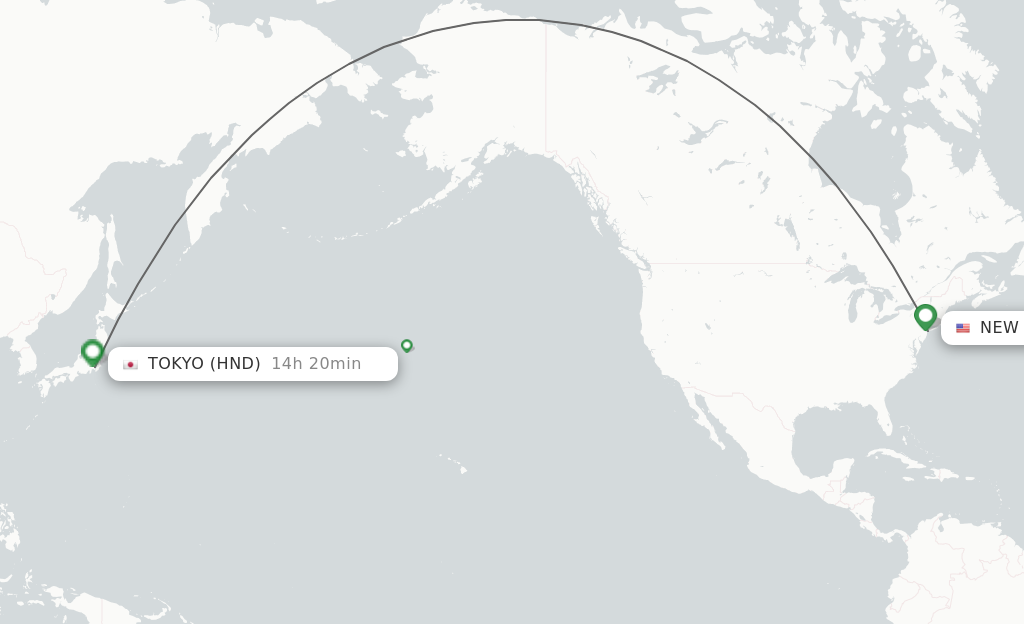
Direct flights from New York (typically departing from John F. Kennedy International Airport (JFK) or Newark Liberty International Airport (EWR)) to major Japanese hubs like Tokyo (Narita International Airport (NRT) or Haneda Airport (HND)) are the most time-efficient option. These flights traverse a significant portion of the globe, covering vast distances over the North American continent, the Pacific Ocean, and finally reaching the Japanese archipelago.
The typical flight time for a non-stop journey from New York to Tokyo is approximately 13 to 14 hours. This figure can fluctuate slightly based on prevailing wind conditions, the specific flight path taken by the airline, and the aircraft type. For instance, tailwinds can sometimes reduce flight times, while headwinds can extend them. It’s essential to remember that this is pure flying time; it does not include the time spent on the ground at the airport for check-in, security, boarding, deplaning, and baggage claim.
The Trade-offs of Layover Flights
When direct flights are unavailable, too expensive, or you’re seeking a more budget-friendly option, connecting flights become the prevalent choice. These itineraries involve one or more stops at intermediate airports, allowing passengers to switch planes. While connecting flights can offer significant cost savings and sometimes more flexible scheduling, they inevitably increase the total travel time.
The duration of a connecting flight can vary dramatically depending on the layover city, the length of the layover, and the airline’s operational efficiency. Common layover points for flights from New York to Japan include cities in Canada (such as Vancouver or Toronto), cities on the US West Coast (like San Francisco or Los Angeles), or even cities in Alaska.
A connecting flight can range anywhere from 17 hours to well over 24 hours, and in some cases, even longer. This extended duration is a cumulative effect of the flight segments themselves, plus the time spent on the ground during layovers. A short layover might be as little as 1.5 to 2 hours, while a longer one could be 4 to 6 hours or more, especially if it involves a lengthy transit or a repositioning between terminals. Some travelers even opt for “long layovers” of 12 hours or more, using the stopover to briefly explore the layover city, adding a mini-adventure to their primary journey.
Factors Influencing Flight Duration
Beyond the simple distinction between direct and connecting flights, several other variables can subtly influence the total time you spend in transit from New York to Japan. Understanding these factors can help you interpret flight schedules more accurately.
Airline and Aircraft Type
Different airlines may have varying flight paths or operational preferences that can lead to minor differences in flight duration. Similarly, the type of aircraft used can play a role. Larger, more modern aircraft are often capable of higher cruising speeds, which can shave a few minutes off the journey. However, the most significant impact of aircraft type is usually on passenger comfort and fuel efficiency rather than a drastic reduction in flight time. Airlines like Japan Airlines (JAL) and All Nippon Airways (ANA), along with major US carriers, operate these long-haul routes, and their specific flight plans are optimized for efficiency.
Weather and Air Traffic Control
The unpredictable nature of weather systems is a constant factor in aviation. Strong headwinds over the Pacific Ocean can significantly slow down an aircraft, leading to longer flight times. Conversely, favorable tailwinds can provide a speed boost. Air traffic control also plays a role; during periods of high air traffic volume, especially around busy airport hubs, aircraft may be required to circle or queue for landing, adding to the overall flight duration. While these delays are usually minor on intercontinental flights, they can contribute to slight variations in scheduled times.
Time Zones and Jet Lag Considerations

While not directly related to flight duration, understanding the time difference is crucial for planning your arrival and mitigating jet lag. Japan is 13 hours ahead of New York during standard time (EST) and 14 hours ahead during daylight saving time (EDT). This substantial time difference means that a flight departing New York in the afternoon might arrive in Tokyo in the late afternoon or early evening of the next day. This is a common point of confusion for travelers and contributes to the feeling of a “lost” day of travel. Planning your activities and rest upon arrival with this time difference in mind is key to a successful transition.
Navigating Arrival Airports in Japan
Upon completing your extensive journey, you will likely arrive at one of two major international gateways serving the Tokyo metropolitan area: Narita International Airport (NRT) or Haneda Airport (HND). Both airports offer excellent facilities and are well-connected to the city center, but their locations and transportation options differ slightly.
Narita International Airport (NRT): The Gateway to the East
Narita International Airport is located approximately 60 kilometers (about 37 miles) east of central Tokyo. This distance means that ground transportation from NRT to the city takes a considerable amount of time.
- Narita Express: This limited-stop, comfortable train service is one of the most popular ways to reach major Tokyo stations like Tokyo Station, Shinjuku Station, and Shibuya Station. The journey typically takes between 60 to 90 minutes, depending on the destination station.
- Limousine Bus: Limousine buses provide direct service to numerous hotels and key points throughout Tokyo and surrounding areas. Travel times can vary significantly due to road traffic, often ranging from 70 to 120 minutes or more.
- Local Trains: Slower, more affordable local train services are also available, but these are generally not recommended for travelers with heavy luggage due to multiple stops and potential transfers.
Haneda Airport (HND): Closer to the City Center
Haneda Airport, officially known as Tokyo International Airport, is located much closer to central Tokyo, on an island in the Tokyo Bay. This proximity translates to shorter ground travel times.
- Keikyu Line: This commuter train line offers quick and efficient access to central Tokyo, including Shinagawa Station, from which you can transfer to the JR Yamanote Line for further reach. The journey to Shinagawa takes around 15-20 minutes.
- Tokyo Monorail: This scenic monorail route also connects Haneda to central Tokyo, with a popular terminus at Hamamatsucho Station, another transfer point to the JR network. Travel time is approximately 15-20 minutes.
- Limousine Bus: Similar to NRT, Limousine Buses are available from HND to various destinations in Tokyo, with travel times generally shorter than from Narita due to the airport’s closer proximity.
When factoring in your total travel time from New York to your final destination within Japan, always consider the ground transportation time from the airport, especially if you are arriving at Narita. This is an essential part of the journey that can add an extra hour or more to your overall transit.
Planning Your Extended Journey
A flight from New York to Japan is a significant undertaking, and meticulous planning can transform a potentially arduous experience into a manageable and even enjoyable part of your adventure. By understanding the flight durations, considering the implications of layovers, and factoring in ground transportation, you can better prepare for your trip.
Booking Strategies for Optimal Travel Time
When booking your flights, several strategies can help you optimize your travel time and experience.
- Prioritize Direct Flights: If your budget allows and availability permits, always look for direct flights. These are the quickest and most convenient options, minimizing travel fatigue and lost time. Airlines such as Japan Airlines and All Nippon Airways often operate direct routes.
- Evaluate Layover Durations Carefully: For connecting flights, pay close attention to the length of the layover. Extremely short layovers (under 1.5 hours) can be risky, especially if the first flight is delayed, potentially leading to missed connections. Conversely, excessively long layovers can lead to prolonged travel fatigue and are best reserved for planned stopovers. Aim for a comfortable layover of 2-4 hours if possible.
- Consider the Arrival Airport: As discussed, arriving at Haneda Airport generally means a quicker journey into central Tokyo compared to Narita International Airport. If both are options for your itinerary, this could be a deciding factor.
- Book in Advance: Booking flights several months in advance often secures better prices and a wider selection of routes, including direct flights. This also gives you more time to research and plan for your journey.
Preparing for Long-Haul Travel
The length of the flight necessitates certain preparations to ensure comfort and well-being.
- Pack Smart: Carry-on luggage should include essentials for the long journey: a neck pillow, eye mask, earplugs, comfortable clothing, entertainment devices, and any necessary medications. A change of clothes can also make a significant difference in feeling refreshed upon arrival.
- Stay Hydrated and Move: Drink plenty of water throughout the flight and avoid excessive alcohol or caffeine, which can contribute to dehydration. Get up and walk the aisles periodically to improve circulation and reduce the risk of deep vein thrombosis.
- Embrace the Journey: Long flights can be a unique opportunity to disconnect, catch up on reading, watch movies, or simply relax. Viewing the extended travel time as an integral part of the overall experience, rather than a mere inconvenience, can shift your perspective. Consider exploring the different classes of service offered by airlines like Japan Airlines or All Nippon Airways, as a more comfortable cabin can significantly enhance the journey.
By understanding the nuances of flight durations from New York to Japan, travelers can approach their journey with confidence, ensuring that their passage across continents is as smooth and enjoyable as possible.
LifeOutOfTheBox is a participant in the Amazon Services LLC Associates Program, an affiliate advertising program designed to provide a means for sites to earn advertising fees by advertising and linking to Amazon.com. Amazon, the Amazon logo, AmazonSupply, and the AmazonSupply logo are trademarks of Amazon.com, Inc. or its affiliates. As an Amazon Associate we earn affiliate commissions from qualifying purchases.