
While the allure of New York State is undeniable, drawing travelers from across the globe to its bustling metropolises like New York City and its breathtaking natural landscapes, from the majestic Niagara Falls to the serene shores of Lake Placid, understanding the financial aspects of living or extended stays within its borders is crucial. For those contemplating a more permanent presence, perhaps purchasing a vacation home in the picturesque Adirondack Mountains or investing in a property near the vibrant arts scene of Saratoga Springs, the question of income tax rates becomes a significant consideration. This article aims to demystify the income tax structure in New York State, providing clarity for residents and long-term visitors alike, touching upon aspects relevant to various lifestyle choices, from luxury travel to more budget-conscious experiences.
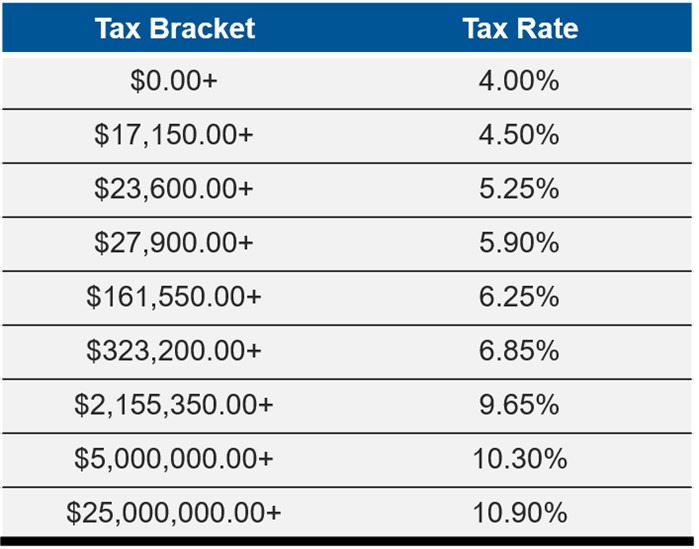
Understanding New York State Income Tax Brackets and Rates
New York State employs a progressive income tax system, meaning that higher earners are taxed at a higher rate. This system is designed to ensure that those with greater financial capacity contribute a larger proportion of their income to public services. The tax rates are not a single, flat percentage applied to everyone; instead, they are tiered, with specific income ranges falling into different tax brackets. These brackets and their corresponding rates are subject to change, often adjusted annually by the New York State Department of Taxation and Finance to account for inflation and economic shifts.
For the most recent tax year, New York State has several income tax brackets for single filers, married couples filing jointly, heads of household, and married individuals filing separately. The specific thresholds for these brackets will vary depending on your filing status. For instance, a single individual earning a modest income might fall into a lower tax bracket with a lower percentage rate, while a high-earning couple might find a larger portion of their income taxed at a higher rate.
Key Components of New York State Income Tax
The tax rates are applied to your New York adjusted gross income (NYAGI). This is generally your federal adjusted gross income with certain additions and subtractions specific to New York State tax law. It’s important to distinguish between your gross income and your taxable income. Taxable income is what remains after you’ve applied all allowable deductions and exemptions. For example, if you are a resident of New York State, you may be able to deduct certain expenses related to your income.
The tax rates themselves are progressive. This means that the first portion of your income is taxed at the lowest rate, the next portion at a slightly higher rate, and so on, until you reach the highest tax bracket for your income level. For example, the lowest tax rate in New York State typically hovers around 4%, while the highest marginal tax rate can reach up to 10.9% or more for the highest income earners. These rates are applied to income that falls within specific ranges.
To illustrate, consider a simplified example:
- Income from $0 to $10,000 might be taxed at 4%.
- Income from $10,001 to $20,000 might be taxed at 4.5%.
- Income above $20,000 might be taxed at 5%.
In a progressive system, you don’t pay the highest rate on all your income. Instead, you pay the rate corresponding to the bracket each portion of your income falls into. So, in the simplified example above, someone earning $25,000 would pay 4% on the first $10,000, 4.5% on the next $10,000, and 5% on the final $5,000. This calculation ensures fairness and aligns with the principle of ability to pay.
It is also important to be aware of the New York City local income tax, which is separate from the state income tax. Residents of New York City will have to pay both state and city income taxes, which can significantly increase their overall tax burden. Other localities within New York State may also have their own local income taxes, though this is less common than in New York City.
Factors Influencing Your New York State Income Tax Liability
Beyond the standard income tax brackets, several other factors can influence how much income tax you ultimately owe to New York State. These can range from your residency status to specific tax credits and deductions available to you. Understanding these nuances is essential for accurate tax planning, especially if you’re considering a long-term stay or relocation, perhaps to enjoy the vibrant cultural experiences in Buffalo or the natural beauty of the Hudson Valley.
Residency and Non-Residency
Your residency status is perhaps the most critical factor determining your New York State income tax obligations. Generally, if you are considered a resident of New York State, you are taxed on your income from all sources, both within and outside the state. This includes wages, salaries, investment income, and any other earnings.
Determining residency can be complex and is not solely based on where you spend the majority of your time. New York State has specific tests to establish residency, which often involve analyzing your domicile (your permanent home), the amount of time spent in the state, and the location of your “safe harbor” – a place where you have a permanent abode and to which you intend to return whenever you are absent. If you maintain a residence in New York State while working elsewhere, such as on a temporary assignment in California or for a business trip to Texas, your residency status will dictate how your income is taxed.
Non-residents, on the other hand, are typically taxed only on income derived from New York State sources. This could include income from a job performed within the state, rental income from property located in New York State, or profits from a business conducted in the state. For those who travel frequently for business or leisure, perhaps staying in hotels like the Plaza Hotel or a resort in the Catskill Mountains, understanding the rules around part-time residency or temporary presence is vital.

Tax Credits and Deductions
New York State offers various tax credits and deductions designed to reduce your overall tax liability. These can significantly impact the amount of tax you owe, making it crucial to identify all eligible credits and deductions.
Tax Credits: Credits are generally more valuable than deductions because they directly reduce the amount of tax you owe, dollar for dollar. New York State offers a range of credits, some of which are refundable (meaning you can get them back as a refund if they exceed your tax liability) and some are non-refundable. Examples of common credits might include:
- Child Tax Credit: For taxpayers with qualifying children.
- Earned Income Tax Credit (EITC): For low-to-moderate income individuals and families.
- Property Tax Relief Credit: For eligible homeowners.
- College Tuition Credit: For expenses related to higher education.
The availability and amount of these credits often depend on your income level, family size, and specific circumstances. For instance, families planning extended stays or vacations with children might benefit from specific child-related tax provisions.
Deductions: Deductions reduce your taxable income, meaning less of your income is subject to taxation. New York State allows for various deductions, some of which mirror federal deductions, while others are unique to the state. Common deductions might include:
- Standard Deduction: A fixed amount that you can deduct, which varies by filing status.
- Itemized Deductions: If your itemized deductions exceed the standard deduction, you can opt to itemize. These might include:
- State and local taxes (SALT) – though there are limitations.
- Home mortgage interest.
- Charitable contributions.
- Medical expenses (above a certain threshold).
For individuals who invest in New York State real estate, perhaps purchasing a villa for long-term stays or a suite in a luxury resort like the Omni Berkshire Place, deductions related to property ownership and related expenses might be applicable. Similarly, those engaged in business activities within the state may be able to deduct business-related expenses.
Navigating Tax Obligations for Different Lifestyles in New York
The lifestyle choices of individuals living or spending significant time in New York State can have a profound impact on their income tax situation. Whether you are a frequent luxury traveler, a budget-conscious explorer, a family on an extended vacation, or a business professional on a long-term stay, understanding how your activities intersect with tax laws is crucial. The diversity of experiences available, from the historic charm of Albany to the natural wonders of the Finger Lakes, offers unique opportunities, but also unique tax considerations.
Business Stays and Investment Income
For individuals undertaking business stays in New York State, the nature of their income and their residency status will be paramount. If you are an employee working temporarily for a company in New York City or Schenectady, your wages will likely be subject to New York State income tax, regardless of your permanent residence. However, your home state might offer a tax credit for taxes paid to New York State, preventing double taxation.
If you are self-employed or own a business operating within New York State, your business income generated from the state will be taxable. This includes income from services rendered, goods sold, or any other business activities. You may also be subject to New York State franchise taxes, depending on the structure of your business. For those investing in New York State property for business purposes, such as a commercial property in Rochester or a serviced apartment complex, rental income and capital gains from the sale of such properties would also be subject to taxation.
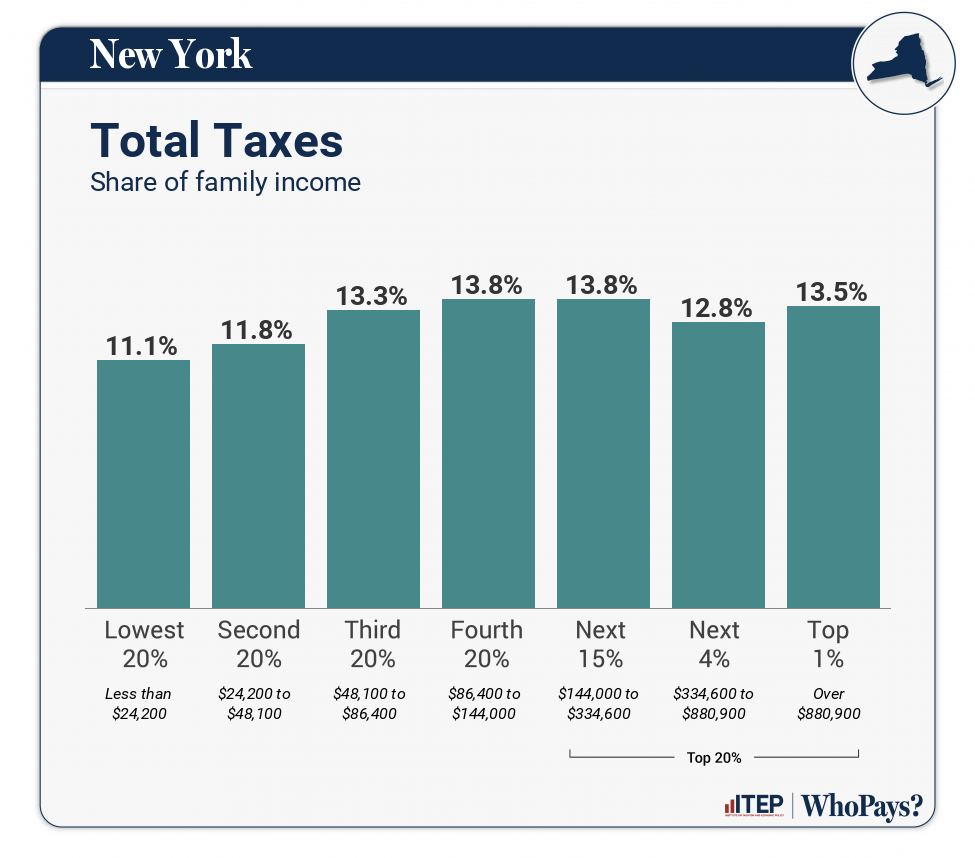
Tourism, Accommodation, and Lifestyle Choices
While tourism and short-term stays for vacation purposes generally do not create New York State income tax liability for non-residents, the situation changes if these activities become more prolonged or involve generating income. For instance, if you rent out a property you own in New York State for a significant portion of the year, you may be considered to have New York State source income, even if you are not a full-time resident. This could apply to vacation apartments or villas booked through platforms similar to Booking.com or Airbnb.
Luxury travel, while offering unparalleled experiences at destinations like the Adirondack Park or hotels such as the St. Regis New York, primarily involves consumption taxes and potentially spending that could be considered for deductions if you are a resident and the expenses are business-related. However, for non-residents, the tax implications are usually limited to sales tax on goods and services.
Budget travel, on the other hand, involves careful consideration of spending, but the income tax aspect for non-residents remains the same – generally, no income tax is due on tourist spending. For families on extended trips, the primary tax considerations would revolve around residency and any potential tax credits for dependents, particularly if they are New York State residents.
Understanding the progressive nature of the tax rates, the impact of residency, and the availability of credits and deductions is key to accurately assessing your income tax liability in New York State. Whether you are planning to explore the historic sites of Syracuse, enjoy the tranquility of the Thousand Islands, or establish a more permanent base, informed financial planning is an integral part of the experience. Consulting with a qualified tax professional is always recommended to ensure compliance with the latest regulations and to optimize your tax strategy.
LifeOutOfTheBox is a participant in the Amazon Services LLC Associates Program, an affiliate advertising program designed to provide a means for sites to earn advertising fees by advertising and linking to Amazon.com. Amazon, the Amazon logo, AmazonSupply, and the AmazonSupply logo are trademarks of Amazon.com, Inc. or its affiliates. As an Amazon Associate we earn affiliate commissions from qualifying purchases.