
When travelers ask about the length of Mardi Gras in New Orleans, the answer is rarely a simple number of days. While many outsiders associate the celebration solely with the wild final day of festivities, locals know that the season is a meticulously calculated, weeks-long cultural marathon. Understanding the true duration of this phenomenon is essential for anyone planning a trip to the Crescent City to experience the height of Louisiana revelry.
The Liturgical and Cultural Calendar
To grasp the length of the season, one must first understand its foundations. The timeline of Mardi Gras is inextricably linked to the Christian liturgical calendar, specifically the date of Easter. Because Easter is a movable feast, the entire Carnival season shifts annually.

Twelfth Night: The Official Kick-Off
The season technically begins on January 6th, known as the Twelfth Night or the Feast of the Epiphany. This date marks the end of the Christmas season and the official commencement of Carnival. From this evening forward, the city begins a transition. You will see the first King Cakes appearing in bakeries throughout Metairie and Downtown New Orleans, and the social calendar begins to fill with Krewe balls and private celebrations.
The Fluctuating Duration
Because the season ends on Fat Tuesday, which occurs exactly forty-seven days before Easter, the duration of the Carnival season can vary significantly from year to year. A “short” season may span only a few weeks, creating a high-intensity, condensed schedule of parades. Conversely, a “long” season—where Easter falls late in the spring—can extend the festivities for nearly two months. This variability dictates the pace of the city; in a short year, the momentum builds rapidly, while in a long year, the energy is sustained through a more gradual, deliberate progression of events.
The Progression of Parades and Events
While the season opens in early January, the physical spectacle of the parades—the aspect most visitors identify with Mardi Gras—typically ramps up during the final two weekends before the end of the season.
The Pre-Peak Buildup
During the weeks leading up to the final stretch, St. Charles Avenue and the French Quarter become hubs of activity. Smaller parades and walking krewes begin to weave through the historic Garden District, offering a more intimate look at the artistry and community involvement that define the season. For the uninitiated, these early weeks are the best time to appreciate the craftsmanship of the floats and the elaborate costumes without the crushing crowds of the final days.

The Final Five Days
The true crescendo of the season occurs over the final five days. This is when the majority of the “super krewes” take to the streets. During this period, the city undergoes a total transformation. The logistics of the city shift entirely to accommodate massive crowds, street closures, and the immense cleanup crews that labor through the night to prepare the city for the next day’s processions. Visitors arriving during this window are witnessing the culmination of an entire year of planning, fundraising, and float construction.
The Significance of Fat Tuesday
The final day, known globally as Mardi Gras Day, is the apex of the experience. Contrary to popular belief, the festivities do not stretch into the following Wednesday morning; the season ends abruptly at midnight.
A Midnight Deadline
As the clock strikes twelve on Tuesday night, the magic ends. This is a moment of profound cultural significance, marked by the Ash Wednesday transition into the Lenten season. Throughout the United States, there is a misconception that the partying continues for days; in reality, the city transitions into a period of reflection and solemnity almost instantly. The sight of police horses riding down Canal Street to signal the end of the parade route is a powerful, almost jarring, reminder that the revelry has a definitive expiration date.
Why Timing Your Visit Matters
If you are planning a trip to New Orleans, deciding when to visit within this window depends on your tolerance for crowds and your desire for authenticity. Visiting in the early weeks offers a chance to engage with the local culture, visit the Backstreet Cultural Museum, and enjoy the culinary delights of the season—such as Gumbo and Jambalaya—without the frantic pace of the final weekend. Visiting during the final days provides the visceral, high-octane experience that has made the city famous worldwide.
Maximizing Your Experience
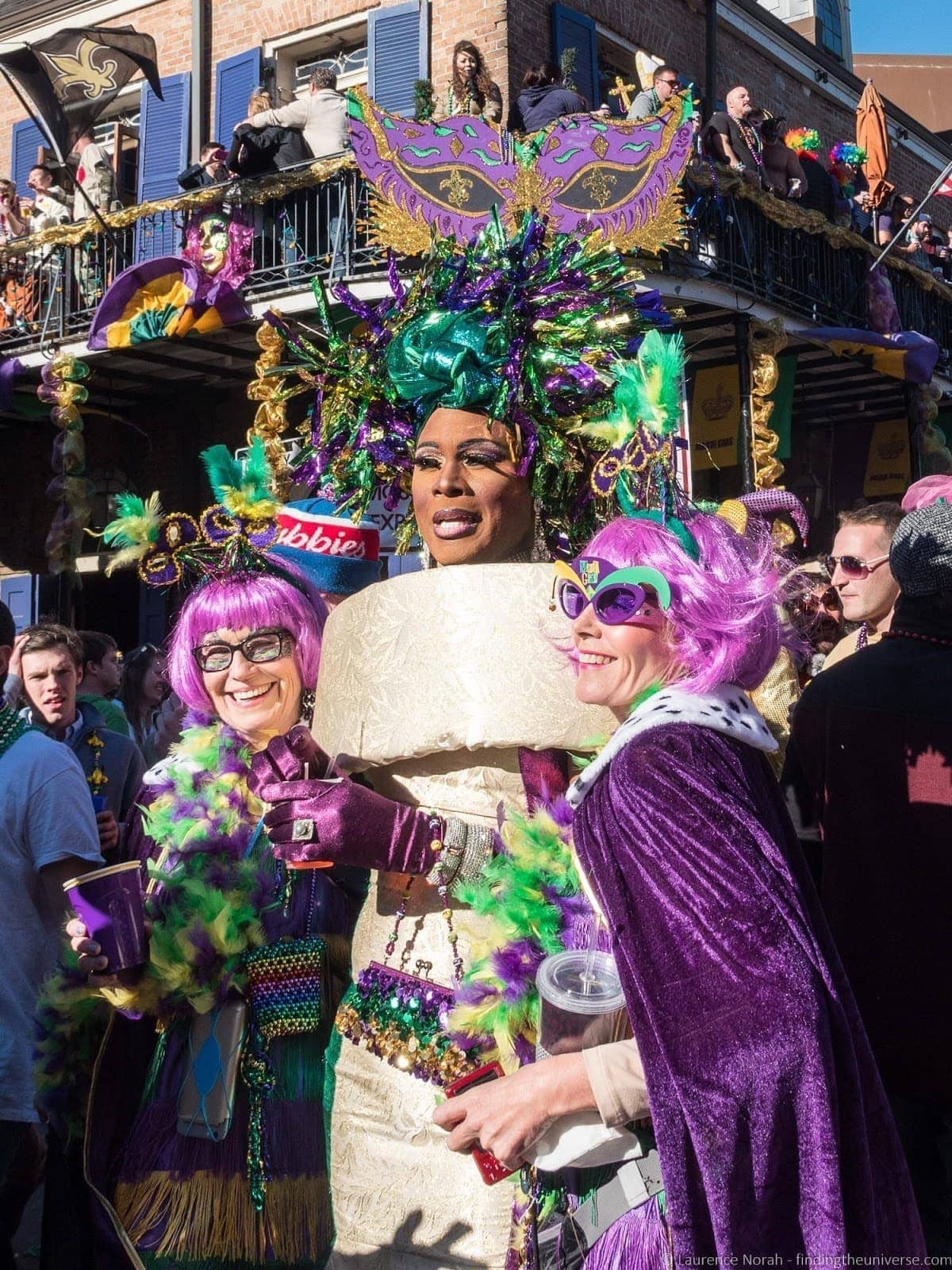
Navigating the length of the season requires foresight and an appreciation for the local rhythm. Whether you are there for a brief three-day stint at the very end or a week-long immersion in the mid-season, the key is to embrace the flow of the city.
Tips for Navigating the Season
- Research the Parade Schedule: Always consult the official Mardi Gras New Orleans listings to know which krewes are parading on your specific travel dates.
- Prioritize Neighborhoods: While the French Quarter is iconic, neighborhoods like Marigny and Bywater often host the most creative, community-centric celebrations.
- Respect the Traditions: Remember that this is a season of deep historical significance for the residents of Louisiana. Engaging with local customs, such as catching beads responsibly and respecting the boundaries of the parade routes, ensures a better experience for everyone.
- Plan for Logistics: Since the entire city operates on a “Mardi Gras schedule” during the final week, ensure your transportation and dining plans are solidified months in advance. The city becomes a single, cohesive entity working toward one goal: the successful execution of the season’s grand finale.
Ultimately, the length of Mardi Gras is defined by the energy you bring to it. While the dates on the calendar provide the framework, the heartbeat of the season is found in the music, the food, and the enduring traditions of the people who call New Orleans home. Whether it lasts three weeks or eight, the season remains a testament to the city’s unparalleled ability to celebrate life, art, and community.
LifeOutOfTheBox is a participant in the Amazon Services LLC Associates Program, an affiliate advertising program designed to provide a means for sites to earn advertising fees by advertising and linking to Amazon.com. Amazon, the Amazon logo, AmazonSupply, and the AmazonSupply logo are trademarks of Amazon.com, Inc. or its affiliates. As an Amazon Associate we earn affiliate commissions from qualifying purchases.