
Navigating the complex landscape of healthcare coverage is a fundamental aspect of life for anyone residing in New York State. Whether you are a long-term resident or someone looking to relocate to this vibrant region, understanding how to secure health insurance is essential for maintaining your well-being. The state offers a robust framework for residents to access high-quality medical services, largely facilitated by the official marketplace, which serves as a central hub for individual, family, and small business coverage.
Understanding the New York State of Health Marketplace
The core of insurance procurement in the region is the New York State of Health marketplace. This platform was established to simplify the process of shopping for, comparing, and enrolling in health plans. It acts as a one-stop shop where residents can determine their eligibility for various programs based on income, household size, and specific personal requirements.

Eligibility and Enrollment Periods
To utilize this resource, you must be a resident of the state. While many people believe they can only sign up during specific windows, understanding the nuances of enrollment is key. The Open Enrollment Period typically occurs once a year, allowing anyone to sign up for coverage starting the following year. However, certain “Qualifying Life Events”—such as moving to a new city like New York City, getting married, having a child, or losing other health coverage—may grant you a Special Enrollment Period.
Income-Based Financial Assistance
One of the most significant advantages of using the state marketplace is the availability of financial assistance. Depending on your adjusted gross income, you may qualify for tax credits that significantly reduce monthly premiums. For those with lower incomes, programs such as Medicaid or the Essential Plan may be available, often providing comprehensive coverage with little to no monthly cost.
Types of Health Insurance Plans Available
Once you enter the marketplace, you will be presented with various tiers of coverage. Understanding these categories is vital for choosing a plan that fits both your health needs and your financial situation.
Metal Levels Explained
The marketplace organizes plans into “metal” levels: Bronze, Silver, Gold, and Platinum. These levels do not reflect the quality of care—all plans are required to cover essential health benefits—but rather how you and the insurance company share the costs.
- Bronze Plans: These typically have lower monthly premiums but higher out-of-pocket costs when you receive care.
- Silver Plans: A middle-ground option that offers a balance between premiums and deductibles. Notably, if you qualify for cost-sharing reductions, the Silver plan becomes the most advantageous choice for minimizing out-of-pocket expenses.
- Gold and Platinum Plans: These carry higher monthly premiums but offer the lowest out-of-pocket costs for doctor visits, surgeries, and prescriptions. They are often ideal for individuals who require frequent medical attention.
Managed Care and Networks
When choosing a plan, it is critical to look at the provider network. Plans in Albany may differ significantly from those available in Buffalo or Rochester. Always verify that your preferred hospitals, primary care physicians, and specialists are “in-network.” Out-of-network care can lead to substantial, unexpected medical bills that are not covered by your insurance carrier.
Navigating Private Insurance and Employer Coverage

While the marketplace is an excellent resource for those who are self-employed or do not have access to employer-sponsored benefits, many residents obtain coverage through their workplace.
Employer-Sponsored Health Plans
If you are employed by a company based in United States, your employer may offer a group health insurance plan. These plans are often subsidized by the company, making them a cost-effective choice. It is standard practice to review your plan’s Summary of Benefits and Coverage (SBC) during your company’s annual open enrollment period. If you find that your employer’s plan does not meet your needs, you can still compare it against the offerings on the public marketplace.
Off-Marketplace Options
Some insurance carriers offer plans directly to consumers outside of the state marketplace. While these plans might provide specific benefits or networks not found elsewhere, it is important to note that you cannot receive federal tax credits or state-specific subsidies if you purchase a plan directly through an insurance company. For most individuals, the marketplace remains the most transparent and financially beneficial path.
Important Considerations for Specialized Needs
Healthcare is not one-size-fits-all. Depending on your personal circumstances, you may need to look into specialized programs or additional coverage options to ensure full protection.
Short-Term and Catastrophic Coverage
For young adults under the age of 30 or individuals facing specific financial hardships, a “Catastrophic” health plan might be an option. These plans have very low premiums and cover essential health benefits, but they have very high deductibles. They are designed to protect you from worst-case scenarios, such as a major accident or a sudden, severe illness, rather than routine doctor visits.
Dental and Vision Insurance
Many standard health insurance plans do not include comprehensive dental or vision coverage. While pediatric dental and vision benefits are considered essential health benefits for children, adults often need to purchase separate, supplemental insurance. Many insurers offer “add-on” plans that can be bundled with your primary health coverage. When considering these, evaluate your historical usage; if you only need biannual cleanings, a discount program might be more cost-effective than a traditional insurance policy.
Mental Health and Substance Abuse Services
Under state and federal law, most health plans are required to provide parity for mental health and substance abuse services. This means that if your plan covers medical/surgical procedures, it must provide the same level of coverage for mental health treatment. When selecting a plan, verify the network of therapists and psychiatric facilities near your home, whether you reside in the bustling streets of Brooklyn or the serene landscapes of the Adirondack Mountains.
Taking the First Step Toward Coverage
Securing the right health insurance in North America is an empowering step toward safeguarding your future. By utilizing the official state tools, comparing your metal tiers, and being mindful of your network requirements, you can find a plan that provides both peace of mind and financial security.
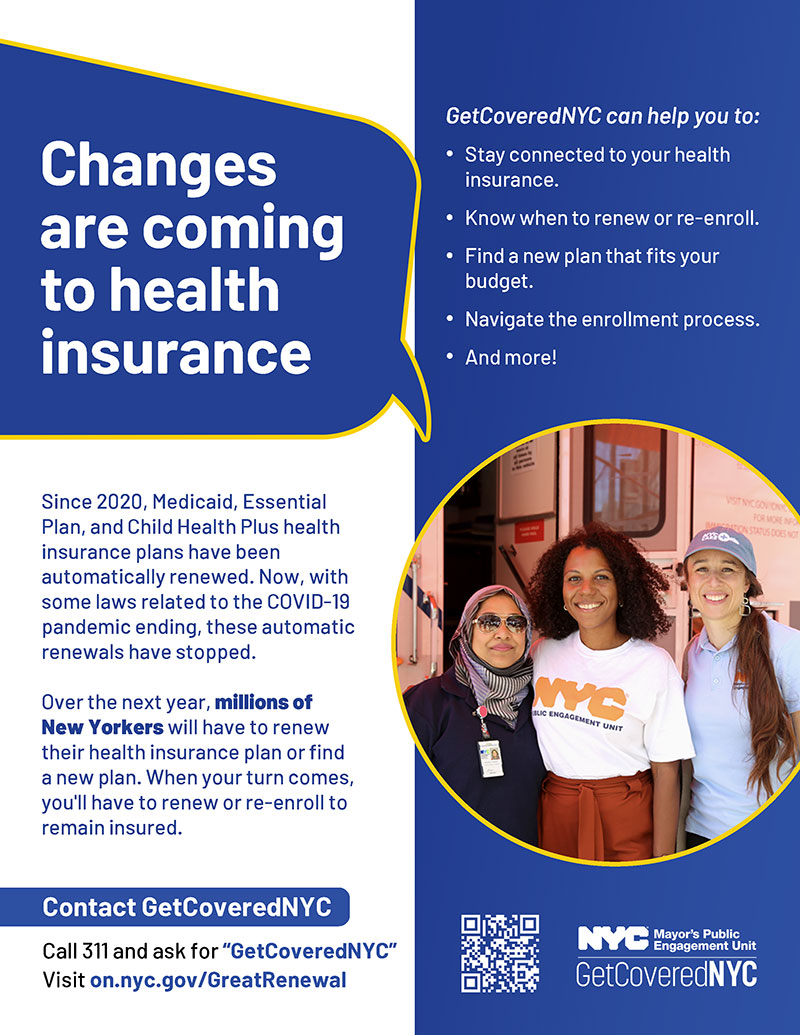
If the process feels overwhelming, do not hesitate to seek assistance. The marketplace provides free support from “Navigators”—professionals trained to help you understand your options and complete your enrollment application. They can clarify the differences between HMOs, PPOs, and EPOs, ensuring that you select a plan that aligns with your specific health goals.
Remember, your health is your most valuable asset. Take the time to research your options thoroughly, read the fine print regarding co-pays and deductibles, and reach out to the customer support teams provided by the insurance carriers if you have specific questions about coverage limits. By being proactive and informed, you can navigate the complexities of the New York healthcare system with confidence, ensuring you have access to the care you need when you need it most.
LifeOutOfTheBox is a participant in the Amazon Services LLC Associates Program, an affiliate advertising program designed to provide a means for sites to earn advertising fees by advertising and linking to Amazon.com. Amazon, the Amazon logo, AmazonSupply, and the AmazonSupply logo are trademarks of Amazon.com, Inc. or its affiliates. As an Amazon Associate we earn affiliate commissions from qualifying purchases.