
The allure of New York City, a global epicenter of culture, finance, and innovation, draws millions of travelers annually. From the glittering lights of Times Square to the serene pathways of Central Park and the world-class collections of the Metropolitan Museum of Art, the city offers an unparalleled array of experiences. But before you can immerse yourself in the vibrant energy of the Big Apple, a fundamental question arises: “How long is New York flight?” The answer is far from simple, as flight duration is a complex interplay of geography, logistics, and even meteorology. Whether you’re planning a quick business trip, a family vacation, or an extended stay to explore local culture and unique attractions, understanding the variables that influence your travel time is crucial for efficient trip planning and a comfortable journey. This comprehensive guide will delve into the factors dictating flight durations from various corners of the globe, offering insights into what to expect and how to optimize your travel experience to this iconic destination.
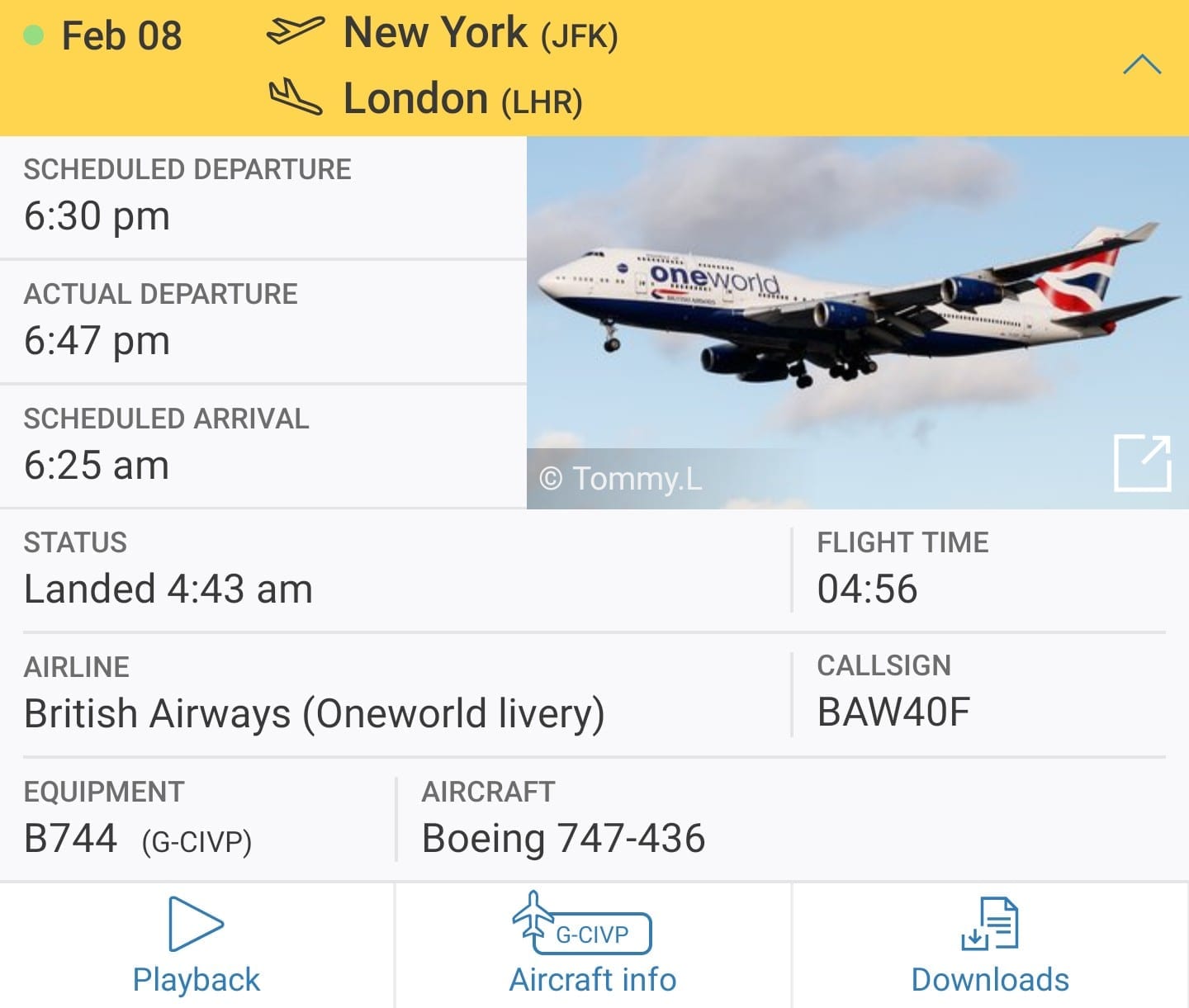
Understanding Flight Duration: Key Factors at Play
The seemingly straightforward query about flight duration to New York City unravels into a fascinating discussion influenced by a multitude of factors. From the moment you search for a flight, you’re interacting with a complex system designed to transport you across vast distances safely and efficiently. Understanding these variables can help travelers better anticipate their journey and make informed decisions, whether they are focused on budget travel or seeking luxury accommodations.
Distance and Geographic Location
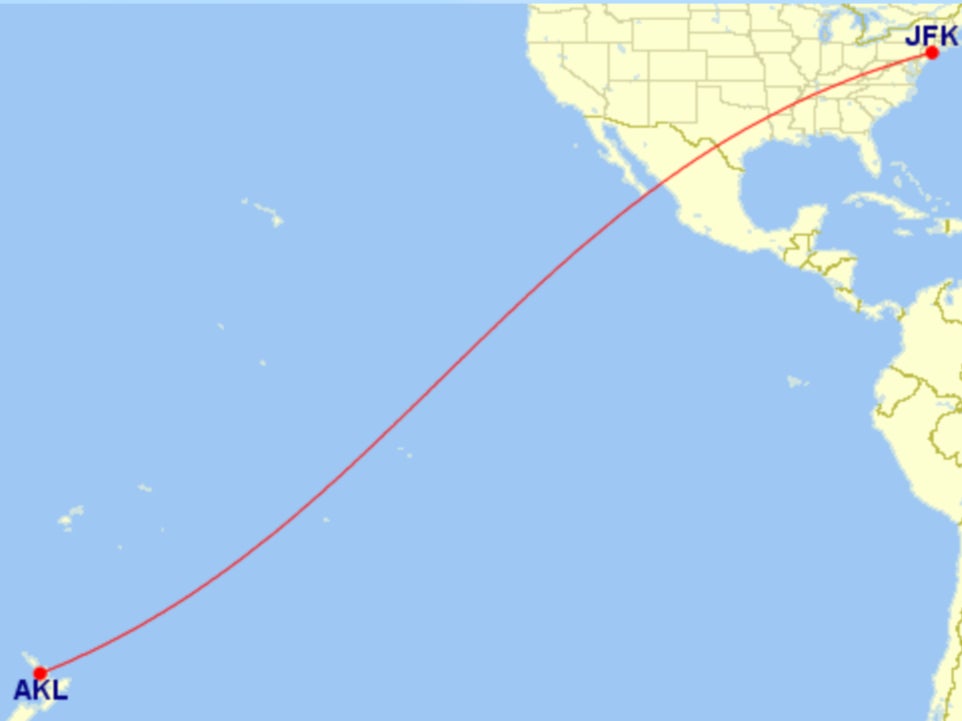
The most obvious determinant of flight time is the geographical distance between your departure city and New York City. Flights originating from closer cities, like those within the northeastern United States or neighboring Canada, will naturally be shorter than those traversing continents or oceans. A journey from Boston to New York City might take just over an hour, while a flight from Sydney, Australia, can span more than 20 hours. The Earth’s curvature and great circle routes also play a role, as airlines often fly the shortest possible path, which may not appear as a straight line on a flat map. This fundamental principle underpins all long-haul and short-haul flights, directly impacting the overall travel experience and the need for well-planned accommodation upon arrival.
The Role of Layover and Connections
While not strictly “flight time,” layovers significantly extend the total travel duration from gate to gate. A direct, non-stop flight will always offer the shortest possible journey. However, connecting flights are often more economical or may be the only option for less common routes. A layover can range from a quick 45-minute sprint between gates to an overnight stay requiring temporary accommodation near the airport. While connecting flights provide flexibility and often lower fares, they introduce additional variables like potential delays and the hassle of navigating multiple airports, such as JFK, LaGuardia, or Newark Liberty International Airport, for onward travel. When comparing flight options, it’s essential to consider the total travel time, including all layovers, to accurately gauge your overall journey length.
Aircraft Type and Air Speed
The type of aircraft used for a flight also impacts its speed and efficiency. Modern commercial jets, such as the Boeing 787 Dreamliner or the Airbus A350, are designed for longer ranges and higher cruising speeds than older models. These advanced aircraft often feature better fuel efficiency and passenger comfort for long-haul routes. Supersonic travel, like the now-retired Concorde, drastically cut flight times but came with significant operational costs and environmental considerations. For most commercial flights today, speeds typically range between 550 to 600 miles per hour (885-965 km/h) at cruising altitude. Newer aircraft technologies continually push these boundaries, striving for shorter travel times while balancing fuel economy and passenger capacity, which is a key consideration for airlines offering diverse travel experiences.
Atmospheric Conditions and Air Traffic Control
Even with a fixed distance and aircraft type, external factors can influence flight duration. Headwinds can slow a plane down, increasing travel time, while tailwinds provide a boost, allowing for faster journeys. The jet stream, a powerful ribbon of wind high in the atmosphere, is often utilized by eastbound transatlantic flights to reduce travel time significantly. Conversely, westbound flights often fight against it. Air traffic control (ATC) also plays a critical role. Congestion in the airspace around major hubs like New York City’s JFK or LaGuardia can lead to holding patterns or slower descent speeds, adding minutes or even hours to a flight. Adverse weather conditions, from thunderstorms to heavy snow, can also cause delays, reroutes, or cancellations, underscoring the dynamic nature of air travel and the importance of checking flight statuses. These variables, though beyond a traveler’s control, are integral to the actual “wheels up” to “wheels down” duration.
Domestic Flights to New York: A Coast-to-Coast Perspective
Traveling within the United States to reach New York City offers a wide spectrum of flight durations, largely dictated by the distance from your starting point. Whether you’re embarking on a short hop from a neighboring state or a cross-country odyssey, domestic flights require careful planning, especially when considering the busy nature of New York City’s airports and the diverse range of experiences awaiting you.
East Coast and Central U.S. Departures
Flights from the East Coast and central regions of the United States to New York City are generally shorter, often providing convenient options for business travelers or weekend getaways.
- From Boston or Washington D.C.: These flights are among the shortest, typically ranging from 1 hour to 1 hour 30 minutes. The proximity makes New York City an accessible destination for quick trips, often allowing travelers to arrive and immediately dive into local culture and attractions.
- From Miami, Florida: A popular route, flights from Miami usually take about 2 hours 30 minutes to 3 hours. These flights connect the sun-drenched beaches of South Florida with the urban jungle of New York City, catering to both leisure and business travelers.
- From Chicago, Illinois: As a major hub, Chicago offers frequent flights to New York City, with an average duration of 2 hours to 2 hours 30 minutes. This central connection is vital for many domestic travelers, linking the Midwest to the East Coast metropolis.
- From Houston, Texas: Flights from Houston span approximately 3 hours to 3 hours 30 minutes. This longer but still manageable flight connects the energy capital of Texas to New York City, offering access for diverse lifestyle travelers.
- From Denver, Colorado: A flight from the Mile High City typically clocks in at around 3 hours 30 minutes to 4 hours 30 minutes. This route bridges the mountainous West with the urban East, accommodating those seeking different travel experiences.
West Coast Journeys
Traveling from the U.S. West Coast to New York City involves a cross-continental journey, representing the longer end of domestic flight durations. These flights are often considered long-haul by domestic standards, requiring more preparation for comfort.
- From Los Angeles, California: One of the busiest domestic air routes, flights from Los Angeles generally take between 5 hours 30 minutes and 6 hours 30 minutes. The journey connects two of the nation’s most iconic cities, popular among tourists and business travelers alike. Many airlines offer premium cabins on this route, reflecting its importance for luxury travel.
- From San Francisco, California: Similar to Los Angeles, flights from San Francisco typically range from 5 hours 30 minutes to 6 hours 30 minutes. This route links the tech hub of the Bay Area to the financial heart of New York City.
- From Seattle, Washington: From the Pacific Northwest, flights to New York City are usually in the range of 5 hours 30 minutes to 6 hours 30 minutes. Travelers on these routes often opt for direct flights to minimize travel time and maximize their stay, whether they are visiting New York City’s landmarks or experiencing its vibrant local culture.
For all domestic flights, travelers should factor in airport security, boarding, and potential taxiing delays, which can add an hour or two to the door-to-door travel time. Planning seamless accommodation upon arrival, whether at a boutique hotel or a resort, becomes crucial for a smooth transition into your New York City experience.
International Voyages to the Big Apple
New York City’s status as a global hub means it attracts visitors from every continent, making international flight durations highly diverse. These journeys often involve significant time zone changes, longer flight times, and specific immigration procedures, all of which contribute to the overall travel experience.
From Europe: The Transatlantic Experience
Transatlantic flights from Europe represent a significant portion of international arrivals in New York City. These journeys are typically long-haul but are usually offered by a wide range of airlines, including budget and luxury options.
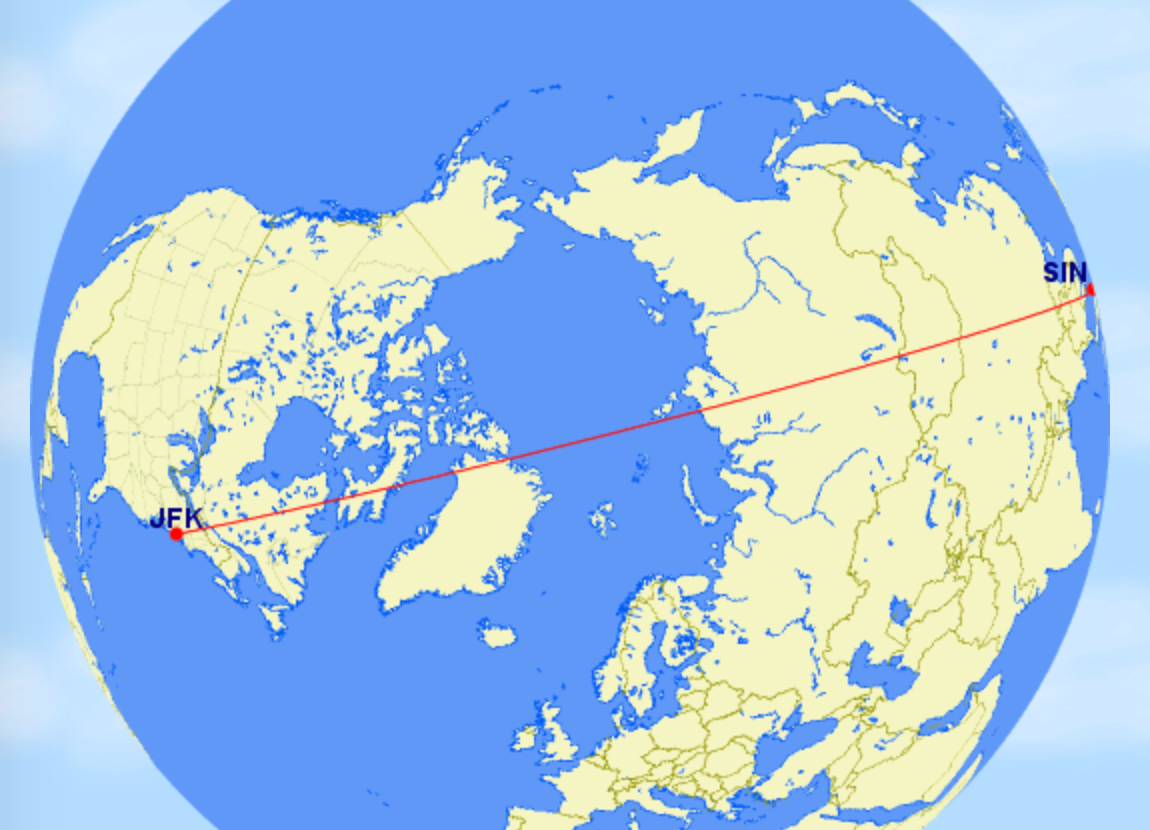
- From London, United Kingdom: One of the busiest international routes, flights from London generally take 7 to 8 hours. Eastbound flights back to London are often shorter due to the jet stream.
- From Paris, France: Similar to London, flights from Paris to New York City average 7 to 8 hours.
- From Frankfurt, Germany: Flights from Frankfurt are typically around 8 to 8 hours 30 minutes.
- From Madrid, Spain: Expect a flight duration of about 7 hours 30 minutes to 8 hours 30 minutes.
- From Rome, Italy: Flights from Rome are usually longer, ranging from 8 hours 30 minutes to 9 hours 30 minutes.
- From Amsterdam, Netherlands: Flights typically take 7 hours 30 minutes to 8 hours 30 minutes.
- From Dublin, Ireland: A slightly shorter journey, usually 6 hours to 7 hours.
These transatlantic journeys, often taken as red-eye flights, require passengers to manage jet lag and plan their arrival strategically. Many travelers opt for comfortable hotels or resorts with good amenities to recover and start exploring New York City’s famous places.
Asia and Oceania: Epic Journeys
Flights from Asia and Oceania to New York City are among the longest commercial routes in the world, often involving ultra-long-haul travel and significant time zone shifts.
- From Tokyo, Japan: Flights from Tokyo can range from 13 hours to 14 hours.
- From Shanghai, China: Expect a journey of approximately 14 hours to 15 hours.
- From Hong Kong: Flights from Hong Kong are usually in the range of 15 hours to 16 hours.
- From Singapore: This is one of the world’s longest flights, often exceeding 18 hours.
- From Sydney or Melbourne, Australia: These epic journeys often involve at least one stop and total travel times can exceed 20 hours, easily reaching 22-24 hours with connections. Direct flights, when available, are usually around 18-19 hours.
For these extremely long flights, comfort is paramount. Travelers often invest in premium economy or business class for a better experience, and pre-booked accommodation is essential to ease the transition after such an extensive journey.
Africa, Middle East, and Latin America
Flights from these regions also present a wide array of durations, reflecting their varying distances from New York City.
- From Dubai, UAE: Flights from Dubai are typically around 13 hours to 14 hours.
- From Johannesburg, South Africa / Cape Town, South Africa: These flights are very long, often 14 hours to 16 hours for direct routes, if available, or even longer with layovers, marking them as some of the longest journeys from Africa to North America.
- From Rio de Janeiro or São Paulo, Brazil: Flights from Brazil usually take about 9 hours 30 minutes to 10 hours 30 minutes.
- From Buenos Aires, Argentina: A slightly longer flight, typically 10 hours 30 minutes to 11 hours 30 minutes.
- From Mexico City, Mexico: Flights are relatively shorter, ranging from 4 hours 30 minutes to 5 hours 30 minutes.
These diverse international routes underscore the importance of checking visa requirements, understanding customs procedures, and ensuring your accommodation booking is flexible enough to account for potential delays.
North American Neighbors
Flights from Canada and Mexico are generally shorter and more frequent, making New York City a highly accessible destination for travelers from these countries.
- From Toronto, Canada: A very popular and short route, typically 1 hour 30 minutes to 2 hours.
- From Vancouver, Canada: A cross-continental flight within North America, usually 5 hours to 5 hours 30 minutes.
For all international arrivals, travelers must account for immigration and customs processing times at New York City’s airports, which can add significant time to the overall arrival experience.
Maximizing Your New York Flight Experience
Beyond merely knowing “how long is New York flight,” truly maximizing your journey involves a holistic approach to planning, preparation, and managing your time in the air. This ensures that you arrive in the Big Apple refreshed and ready to explore its countless offerings, from iconic landmarks to hidden local gems.
Choosing the Right Flight and Airline
Selecting your flight goes beyond just finding the cheapest ticket. Consider the following:
- Direct vs. Connecting Flights: While direct flights offer the shortest travel time, connecting flights can be significantly cheaper. Weigh the trade-off between cost savings and the added travel time and potential stress of layovers. For very long journeys, a layover can sometimes be beneficial, breaking up the flight and allowing for a stretch or a meal in a different environment.
- Airline Reputation and Comfort: Especially for long-haul international flights, the airline’s reputation for service, seat comfort, and in-flight amenities can make a huge difference. Research airlines and aircraft types. Some airlines, for instance, offer more legroom in economy or superior entertainment systems. For those seeking luxury travel, opting for business or first class can transform an arduous journey into a comfortable, even enjoyable, experience with lie-flat seats and gourmet meals.
- Timing of Arrival: Consider what time you’ll land in New York City. An early morning arrival might mean battling rush hour traffic to your accommodation, while a late-night arrival could limit transportation options. Factor in jet lag, especially for flights crossing multiple time zones. Arriving earlier in the day might give you time to settle in and gently adjust.
- Booking Flexibly: Utilize flight comparison websites and consider booking tools that offer flexibility. Reviews of booking platforms can also guide your choice, ensuring reliable service and easy management of your itinerary.
Preparing for a Comfortable Journey
Once your flight is booked, thoughtful preparation can significantly enhance your comfort, particularly on longer journeys to New York City.
- In-Flight Essentials: Pack a small bag with items like a neck pillow, eye mask, earplugs or noise-canceling headphones, and a light blanket or shawl. Hydration is key; carry an empty reusable water bottle to fill after security. Bring snacks, especially if you have dietary restrictions or prefer healthier options than airline food.
- Entertainment: Load up your devices with movies, TV shows, podcasts, or e-books. Don’t rely solely on in-flight entertainment, which can sometimes be limited or glitchy. A good book or a travel journal can also provide a welcome break from screen time.
- Comfortable Attire: Dress in loose, comfortable layers. Compression socks can be beneficial for long flights to promote circulation and prevent swelling.
- Movement and Hydration: Stand up, stretch, and walk around the cabin every few hours, if possible. This helps prevent deep vein thrombosis (DVT) and reduces stiffness. Drink plenty of water and avoid excessive alcohol or caffeine, which can contribute to dehydration and worsen jet lag.
- Sleep Strategy: For long flights, especially those crossing many time zones, try to adjust your sleep schedule to your destination’s time a few days before departure. Once on the plane, try to sleep during New York City’s nighttime hours.
Arriving in New York: Beyond the Airport
Landing at one of New York City’s major airports – JFK, LaGuardia, or Newark Liberty International Airport (technically in New Jersey, but a primary gateway) – marks the beginning of your New York City adventure.
- Airport Transfers: Research your ground transportation options in advance. JFK and Newark are connected to the city’s public transport systems (AirTrain to LIRR or subway for JFK; AirTrain to NJ Transit for Newark), while LaGuardia is primarily served by buses and taxis/ride-shares. Pre-booking a shuttle or private car can offer peace of mind, especially after a long flight.
- Accommodation: Have your hotel booking details readily accessible. Whether you’ve chosen a luxury suite, a boutique hotel, a serviced apartment, or a budget-friendly option, a smooth check-in will make a significant difference. Many hotels in New York City are strategically located near popular landmarks and attractions, offering a convenient base for exploring.
- First Impressions: Take a moment to soak in the bustling atmosphere. The journey to the city center is an experience in itself, offering glimpses of the diverse neighborhoods and vibrant life that define New York City.
Ultimately, while the duration of your flight to New York City is a key data point, your ability to plan, prepare, and manage the journey will largely determine the quality of your travel experience. By focusing on comfort, efficiency, and thoughtful logistics, you can ensure your arrival in this magnificent city is as smooth and enjoyable as possible, setting the stage for an unforgettable visit filled with tourism, unique activities, and cherished memories.
LifeOutOfTheBox is a participant in the Amazon Services LLC Associates Program, an affiliate advertising program designed to provide a means for sites to earn advertising fees by advertising and linking to Amazon.com. Amazon, the Amazon logo, AmazonSupply, and the AmazonSupply logo are trademarks of Amazon.com, Inc. or its affiliates. As an Amazon Associate we earn affiliate commissions from qualifying purchases.