
The question “Who discovered the Mississippi River?” is more complex than it first appears, stirring debates between historical accuracy and the Eurocentric perspective that often dominates narratives of “discovery.” While European explorers were the first to document their encounters with this monumental waterway for the Western world, millions of indigenous people had lived along, navigated, and revered the Mississippi River for thousands of years prior. Their deep knowledge and intricate relationship with the river represent the true, original “discovery” of this vital North American artery.
Today, the Mississippi River remains a majestic landmark and a vibrant travel destination, offering a unique blend of history, culture, and natural beauty. Understanding its “discovery” involves tracing the footsteps of both ancient civilizations and European adventurers, and appreciating the diverse experiences it continues to offer.
The Original Guardians: Indigenous Peoples of the Mississippi
Long before any European set foot on the continent, the Mississippi River was the lifeblood of numerous indigenous civilizations. For millennia, these Native American communities thrived along its banks, establishing complex societies, vast trade networks, and sophisticated cultures. To speak of “discovery” without acknowledging their enduring presence is to overlook a foundational chapter of North American history.
A Legacy Spanning Millennia
From its northern headwaters in what is now Minnesota to its delta in the Gulf of Mexico, the Mississippi River supported a staggering diversity of tribes. Groups like the Ojibwe and Sioux in the north, the Illinois, Osage, and Quapaw in the central regions, and the Chickasaw, Choctaw, Natchez, and Tunica in the south, all relied on the river for sustenance, transportation, and spiritual connection.
These societies developed intricate knowledge of the river’s currents, seasonal floods, and abundant resources. They fished its waters, hunted the wildlife along its shores, and cultivated fertile floodplains. The river served as a natural highway, facilitating extensive trade routes that connected communities across vast distances, exchanging goods such as copper, shells, and obsidian.
One of the most remarkable examples of indigenous civilization along the Mississippi is the ancient city of Cahokia, located near modern-day St. Louis, Missouri. Flourishing between 1050 and 1200 AD, Cahokia was a sprawling urban center, larger than London at its peak, boasting an estimated population of 10,000 to 20,000 people. Its monumental earth mounds, particularly Monks Mound, testify to a highly organized society with advanced architecture and social structures. Today, the Cahokia Mounds State Historic Site is a UNESCO World Heritage site, a powerful reminder of the sophisticated Native American legacy that predates European arrival. Visiting this landmark offers an invaluable perspective on the river’s history and the continent’s first inhabitants, making it a crucial stop for anyone interested in cultural tourism and the true roots of this land.
European Encounters: The First Documented Sightings
While indigenous peoples lived alongside the Mississippi River for millennia, European explorers arrived with different motivations: conquest, trade, and the mapping of new territories. Their “discovery” refers to their first documented encounters and their subsequent efforts to chart the river and claim its surrounding lands for European crowns. Several key figures are associated with these early European sightings and explorations.
Hernando de Soto: The Spanish Expedition
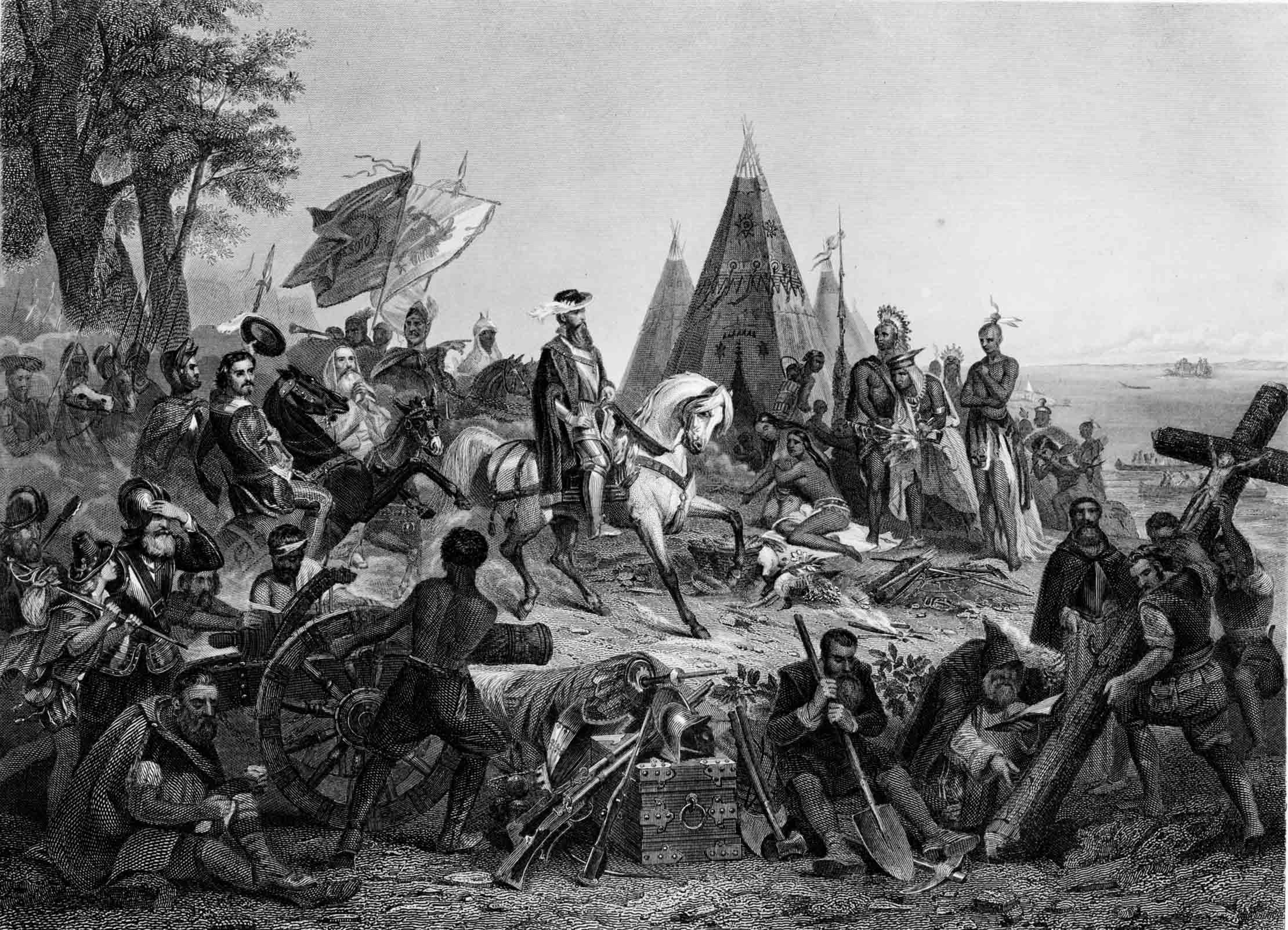
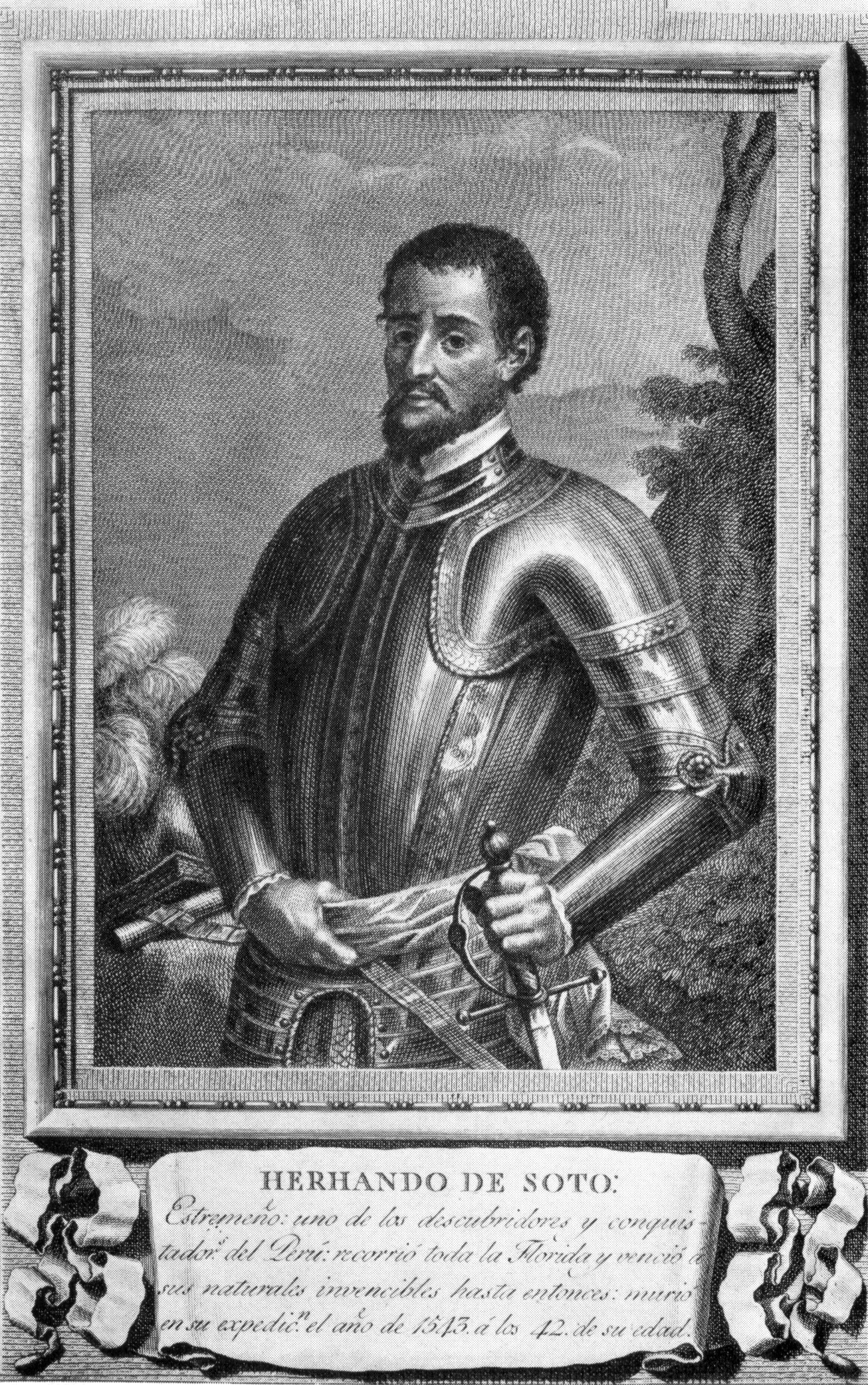
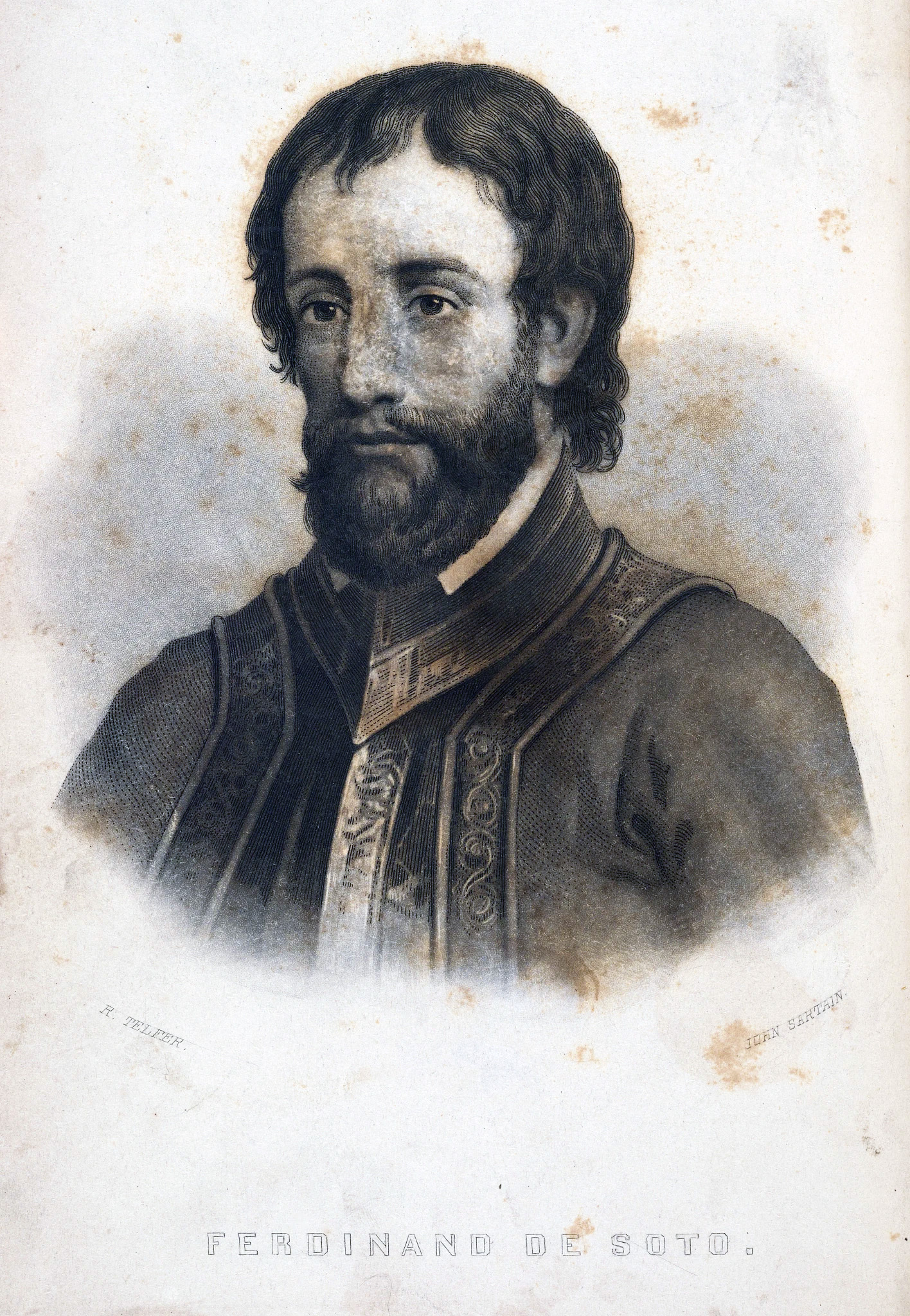
The first European credited with documenting his sighting of the Mississippi River was the Spanish conquistador, Hernando de Soto, in 1541. Leading a vast expedition through what he called La Florida (a territory much larger than the modern state), de Soto was driven by the quest for gold and other riches, similar to his experiences with Pizarro in Peru.
His arduous journey began in 1539 from Tampa Bay, leading his army of soldiers, priests, and enslaved Native Americans through the rugged terrain of the Southeast United States, including modern-day Florida, Georgia, South Carolina, North Carolina, Alabama, and Mississippi. After two years of brutal encounters with indigenous tribes, disease, and the relentless search for elusive treasure, de Soto and his weary men reached the banks of a massive river in May 1541, near what is now Memphis, Tennessee.
They named it the “Rio del Espíritu Santo” (River of the Holy Spirit). For a month, de Soto’s men constructed barges to cross the formidable current, eventually continuing their exploration westward. De Soto himself died of a fever in 1542 and was reportedly buried in the river he had “discovered” to hide his death from the Native Americans, whom he had terrorized. His expedition, though a military failure, left a lasting mark, introducing European diseases that decimated indigenous populations and providing the first detailed, albeit biased, accounts of the interior of North America. Today, travelers interested in this era can visit historical sites and museums in the Southeast United States that trace de Soto’s ill-fated route, offering a glimpse into the early collisions of cultures.
Marquette and Jolliet: Charting the Upper Mississippi
More than a century after de Soto, two French explorers embarked on a journey that would provide the first comprehensive mapping of a significant portion of the Mississippi River. In 1673, Father Jacques Marquette, a Jesuit missionary, and Louis Jolliet, a fur trader and cartographer, set out from St. Ignace, Michigan, with the ambitious goal of finding the fabled Northwest Passage to Asia and expanding French influence and trade.
Their journey was meticulously planned and executed with the help of Native American guides who provided invaluable knowledge of the waterways. They paddled canoes across Lake Michigan, up Green Bay, then along the Fox River. From there, they portaged to the Wisconsin River, which eventually led them to the mighty Mississippi River in June 1673, near what is now Prairie du Chien, Wisconsin.
For weeks, Marquette and Jolliet journeyed south, navigating the vast river, documenting its tributaries, and interacting peacefully with numerous Native American tribes, including the Illinois and Quapaw. They confirmed that the river flowed south into the Gulf of Mexico, not west to the Pacific Ocean, disproving the Northwest Passage theory for this route. They turned back when they reached the mouth of the Arkansas River, fearing encounters with hostile Spanish settlements further south. Their detailed maps and journals were instrumental in opening the interior of North America to French fur traders and missionaries, paving the way for further exploration and settlement. Today, routes inspired by Marquette and Jolliet’s journey are popular for historical travel and canoeing adventures, allowing modern-day explorers to connect with the raw beauty and history of these waterways.
René-Robert Cavelier, Sieur de La Salle: Claiming Louisiana
Following in the wake of Marquette and Jolliet’s groundbreaking expedition, René-Robert Cavelier, Sieur de La Salle, completed the French exploration of the Mississippi River to its mouth. His ambition was grand: to establish a vast French empire stretching from the Great Lakes to the Gulf of Mexico, controlling the entire river basin for trade and strategic advantage.
In 1682, La Salle led an expedition that successfully descended the entire Mississippi River from the Illinois River to its delta. On April 9, 1682, at the mouth of the Mississippi, La Salle formally claimed the entire river basin and all the lands watered by it and its tributaries for France, naming it “Louisiana” in honor of King Louis XIV.
This audacious claim set the stage for future French colonization and eventually led to the founding of important cities like New Orleans in 1718. La Salle’s expedition cemented France’s position as a major colonial power in North America and dramatically altered the geopolitical landscape of the continent. The legacy of his claim endured until the Louisiana Purchase in 1803, which profoundly shaped the future of the United States. Visitors today can explore the rich French heritage in cities like New Orleans and Baton Rouge, which owe their existence to these early explorations and colonial claims.
The Mississippi River Today: A Journey Through History and Culture
While the historical narrative of “discovery” is filled with complexity, the Mississippi River endures as a powerful symbol and a vibrant artery of life. Today, it offers an incredible range of travel experiences, connecting travelers with both its ancient past and its dynamic present.
Navigating the Modern Mississippi
The Mississippi River, stretching approximately 2,340 miles from its source at Lake Itasca in Minnesota to the Gulf of Mexico, is a destination in itself. For an immersive experience, consider a river cruise, offering a leisurely journey through diverse landscapes and cultural hubs. Companies like American Cruise Lines and Viking River Cruises offer itineraries that delve into the river’s history, music, and cuisine, providing a luxurious way to explore its many facets.
Alternatively, embark on a road trip along scenic byways that parallel the river, stopping at charming small towns and bustling cities. Cycling enthusiasts can enjoy sections of the Mississippi River Trail, a network of roads and trails ideal for active travel.
Key cities along the river offer distinct flavors of American culture. In the north, Minneapolis and St. Paul, the “Twin Cities,” blend urban sophistication with natural beauty. Further south, St. Louis boasts iconic landmarks and a rich pioneer history. Memphis, Tennessee, is the birthplace of the Blues and home to Graceland, while Vicksburg, Mississippi, offers profound Civil War history. Finally, the vibrant Baton Rouge and enchanting New Orleans in Louisiana immerse visitors in Cajun and Creole cultures, renowned for their music, food, and festivals like Mardi Gras.
Where to Stay Along the Great River
The diversity of destinations along the Mississippi means a wide array of accommodation options to suit every lifestyle and budget. Whether you’re planning a luxury travel escape, a family trip, or a budget-friendly adventure, you’ll find perfect hotels, resorts, or unique stays.
In New Orleans, for example, you can indulge in historic elegance at The Roosevelt New Orleans, A Waldorf Astoria Hotel, famous for its Sazerac Bar, or immerse yourself in the literary charm of Hotel Monteleone in the French Quarter. Both offer exquisite suites and top-tier amenities for a truly memorable stay. For a taste of St. Louis’s architectural grandeur, consider Hotel Saint Louis, Autograph Collection, housed in a stunning historic building with modern comforts.
Throughout the river towns, you’ll also find charming bed & breakfasts, boutique hotels, and well-known hotel chains, providing comfortable bases for exploring. For those seeking longer stays or more independent options, serviced apartments and vacation villas are increasingly available, especially in larger cities, offering home-like amenities and flexibility. Many properties offer convenient booking options online, often with helpful reviews and comparison tools to help you find the best deal for your long-term stay or short getaway.
Unmissable Attractions and Experiences
A journey along the Mississippi is replete with attractions and activities that cater to every interest:
- Gateway Arch National Park in St. Louis: Ascend this iconic monument for panoramic views of the city and the Mississippi River, symbolizing America’s westward expansion.
- Graceland in Memphis: Pay homage to the “King of Rock and Roll,” Elvis Presley, and explore the vibrant Beale Street for live Blues and Jazz music.
- French Quarter and Mardi Gras in New Orleans: Wander through historic streets, savor Creole cuisine, enjoy live Jazz, and experience the festive spirit of this unique city.
- Vicksburg National Military Park: Explore the site of a pivotal Civil War siege, offering a deep dive into American history through preserved trenches, monuments, and a national cemetery.
- Headwaters of the Mississippi at Itasca State Park: Walk across the small, shallow stream where the mighty river begins, a truly humbling and fascinating experience that connects you to its very source.
- Steamboat tours: Many river cities offer scenic steamboat tours, providing historical commentary and picturesque views, evoking the romance of Mark Twain’s era.
- Local Culture and Cuisine: From Minnesota walleye to Louisiana gumbo, the river’s diverse regions offer a culinary journey as rich as its history. Embrace the local culture, attend festivals, and discover hidden gems recommended in travel guides or by locals.
In conclusion, the question “Who discovered the Mississippi River?” invites a multifaceted answer. While Hernando de Soto, Marquette and Jolliet, and La Salle are historically recognized as the first Europeans to explore and document parts of the river, it is crucial to remember the countless generations of Native American peoples who understood, navigated, and lived harmoniously with the river for thousands of years. Their legacy is an indelible part of the Mississippi’s story. Today, this iconic waterway continues to be a powerful magnet for travelers, inviting exploration of its vibrant cities, tranquil natural parks, and profound historical sites, offering a journey that is as educational as it is breathtaking. Planning a trip along its banks means stepping into a living history book, a unique travel experience that reveals the true depth and breadth of North American heritage.
LifeOutOfTheBox is a participant in the Amazon Services LLC Associates Program, an affiliate advertising program designed to provide a means for sites to earn advertising fees by advertising and linking to Amazon.com. Amazon, the Amazon logo, AmazonSupply, and the AmazonSupply logo are trademarks of Amazon.com, Inc. or its affiliates. As an Amazon Associate we earn affiliate commissions from qualifying purchases.