
Navigating the journey into parenthood is a transformative experience, profoundly reshaping one’s lifestyle. In California, understanding the nuances of pregnancy and parental leave isn’t just about job protection or financial security; it’s a fundamental piece of the puzzle for crafting the lifestyle you envision for your growing family. The duration of this leave directly impacts your ability to bond with your newborn, manage household changes, and even plan those all-important first family experiences, whether a cozy staycation or an adventurous road trip. For many, the question of “how long” isn’t merely administrative; it’s about defining the precious early months of family life.
Crafting Your Family Lifestyle Around Parental Leave
The initial weeks and months following a child’s birth are a unique period of adjustment and profound connection. In California, the framework of state and federal leave laws offers a significant opportunity for new parents to dedicate time to their family without immediate career pressures. This flexibility empowers families to design a lifestyle that prioritizes bonding, recuperation, and the joy of new beginnings. The length of available leave directly influences the scope of these lifestyle choices, from extended periods of quiet family time at home to planning gentle excursions that introduce the newest member to the world.
Pre-Arrival Lifestyle Adjustments: The “Babymoon” and Beyond
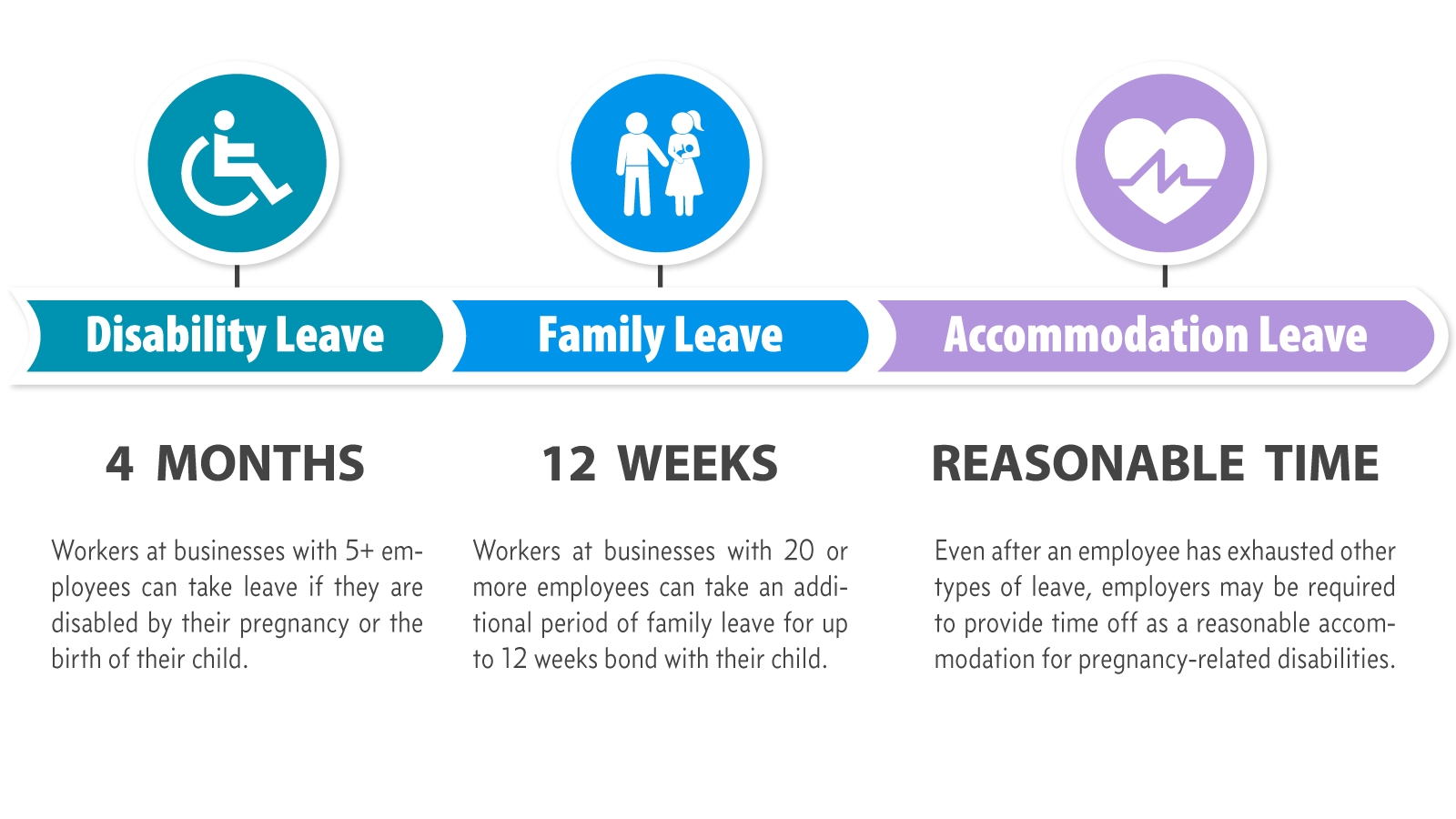
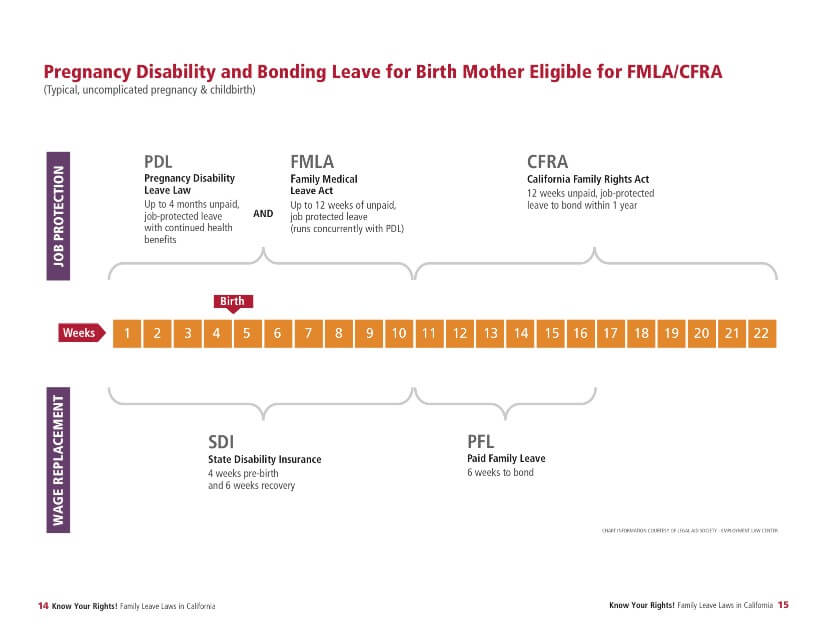
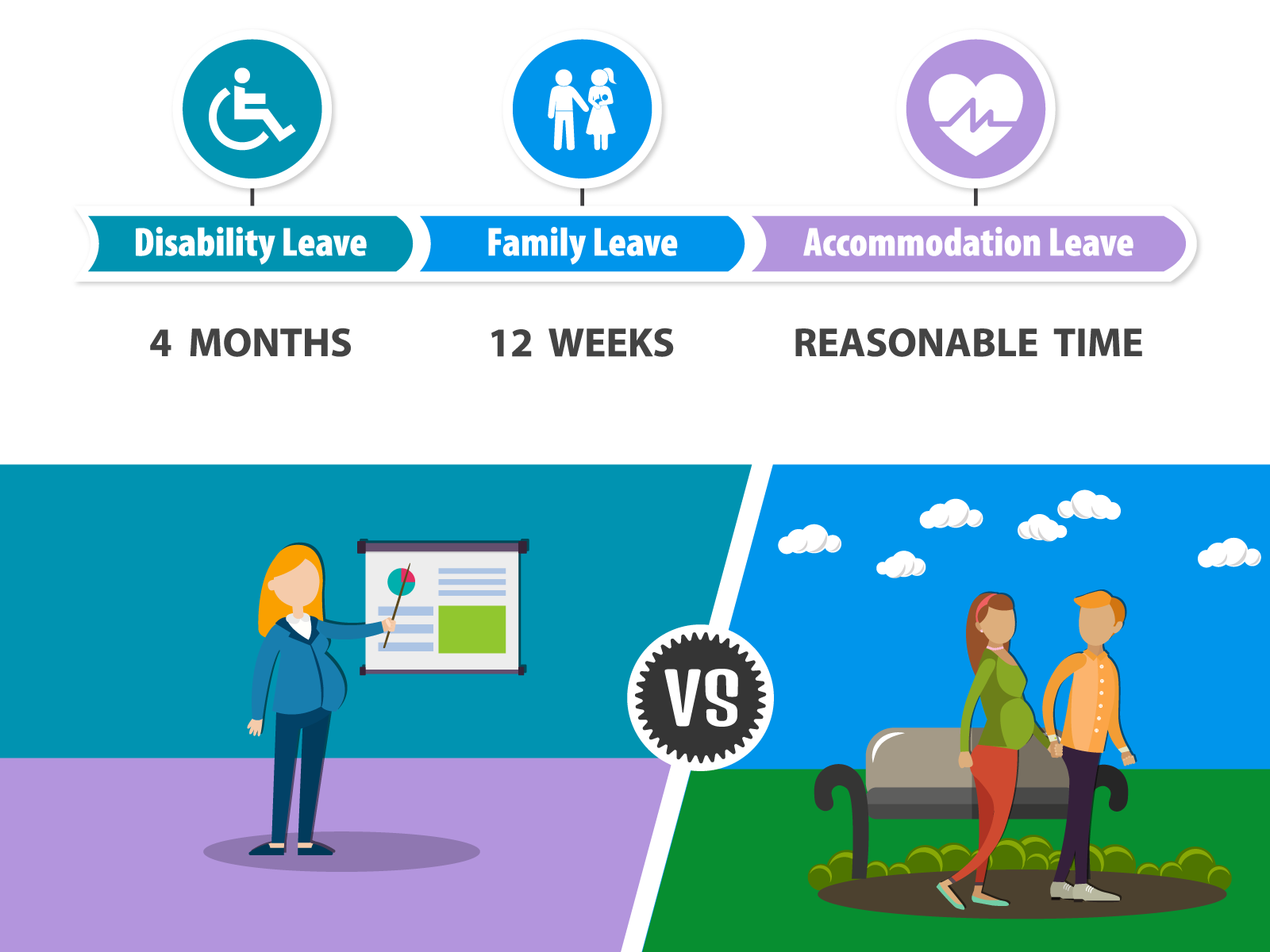
Even before the baby’s arrival, the anticipation of parental leave can influence lifestyle decisions. Many expecting parents in California choose to embark on a “babymoon,” a final trip as a couple before their family expands. The expected duration of post-birth leave often informs the budget and ambition for such a trip, knowing that income streams may temporarily shift. Destinations like Napa Valley for relaxation or a peaceful retreat along the Pacific Coast Highway become popular choices, allowing expectant parents to recharge and connect before their lives irrevocably change. Understanding the maximum potential leave, including Pregnancy Disability Leave (PDL), which can allow for up to four months off for disability related to pregnancy and childbirth, provides a clear timeline for these pre-baby adventures and the subsequent transition. This knowledge enables families to plan for a period of relaxation and self-care, acknowledging that the upcoming months will be intensely focused on their child. This proactive lifestyle adjustment sets a positive tone for the parental journey ahead.
Post-Arrival Bonding: Maximizing Time with Your New Family Member
Once the baby arrives, the true value of parental leave length becomes apparent. California’s robust leave policies, including the California Family Rights Act (CFRA) and Paid Family Leave (PFL), ensure that eligible parents can take significant time off to bond with their child. CFRA allows for up to 12 weeks of job-protected leave for baby bonding, which can be taken concurrently or consecutively with PDL for birth mothers. PFL provides wage replacement during parts of this bonding period. The combined effect of these provisions means many parents can enjoy several months at home.
This extended period is crucial for establishing routines, navigating sleep schedules, and simply savoring the fleeting moments of infancy. For lifestyle considerations, this means:
- Extended Staycations: Instead of rushing back to work, families can enjoy extended periods at home, discovering local parks, exploring neighborhood cafes, or simply creating a serene home environment for their newborn. This is a lifestyle choice that values slow living and deep connection.
- Gentle First Outings: The flexibility of a longer leave allows for gradual introduction to the outside world. A leisurely stroll along the beaches of San Diego or a visit to a botanical garden in Los Angeles can become treasured first “family trips,” fostering a sense of shared adventure from the very beginning.
- Family Support & Integration: A longer leave facilitates easier integration of extended family support. Grandparents or other relatives can visit for longer periods, participating in the new family dynamic and allowing parents to share responsibilities and experiences. This promotes a lifestyle rich in intergenerational connection.
- Prioritizing Wellness: The ability to take ample time off supports the physical recovery of the birth parent and the mental well-being of both parents. This translates into a healthier, more balanced family lifestyle, reducing stress and enhancing the overall enjoyment of new parenthood.
The cumulative effect of these leaves can mean up to 6-7 months or more of protected time off for a birth parent in California, combining PDL, CFRA, and PFL. This substantial duration is a cornerstone for designing a family lifestyle that emphasizes presence, connection, and holistic well-being during a critical developmental stage.
Financial Lifestyle Planning: Navigating Leave Benefits
While the emotional and physical aspects of parental leave are paramount, the financial implications are equally critical for maintaining a desired family lifestyle. Understanding the wage replacement benefits available in California is essential for effective budgeting, enabling families to continue enjoying certain lifestyle elements or plan for future family trips without undue financial strain. The goal is to ensure that the joy of a new arrival isn’t overshadowed by financial worries, allowing for a lifestyle that embraces new experiences.
Understanding Paid Family Leave for Lifestyle Sustainability
California’s Paid Family Leave (PFL) program is a cornerstone of financial support during bonding leave. It provides up to eight weeks of partial wage replacement for eligible individuals who need to take time off to bond with a new child. For most workers, PFL replaces 60-70% of their wages, up to a weekly maximum. Additionally, State Disability Insurance (SDI) covers a portion of wages during pregnancy disability.
This wage replacement is vital for lifestyle sustainability. It allows families to:
- Maintain Essential Living Standards: While not a full income replacement, PFL significantly reduces the financial shock of reduced work hours, helping cover mortgages, utilities, and daily expenses. This ensures that the foundational elements of a family’s lifestyle remain stable.
- Budget for Baby Essentials: Funds received through PFL can be allocated towards critical baby supplies, from diapers and formula to nursery furniture. This prevents the need to dip into savings reserved for broader lifestyle goals, such as future vacations or home improvements.
- Plan for Future Family Adventures: Knowing that a portion of income is replaced can free up other savings to be used for family-focused lifestyle activities. Perhaps a first trip to Disneyland when the child is a bit older, or a weekend getaway to the Redwood National Park once the baby is ready for longer car rides. These plans contribute to a family’s desired lifestyle narrative.
- Reduce Financial Stress: Perhaps the most significant lifestyle benefit of PFL is the reduction of financial stress. A calmer, less anxious household is a hallmark of a healthy family lifestyle, allowing parents to focus their energy on their child rather than on money concerns.
For many California families, the availability of these paid leave benefits is a game-changer, turning what might otherwise be a period of significant financial hardship into a manageable transition, thereby preserving and even enhancing their quality of life.
Budgeting for Family Adventures During and After Leave
Armed with an understanding of paid leave benefits, new parents can strategically budget for family adventures that fit their desired lifestyle. During the immediate leave period, while grand international travel might be challenging with a newborn, local experiences can be cherished. Consider:
- Local Exploration: Utilize the newfound free time to explore local attractions in San Francisco, San Jose, or your hometown. Many museums offer free days, and parks are always an accessible option. These small outings become memorable “first trips” for your baby.
- Staycation Splurges: With some wage replacement, a family might budget for a weekend in a charming California boutique hotel or a cozy cabin rental, offering a change of scenery without the stress of long-distance travel. This mini-break can rejuvenate parents and introduce the baby to a new environment in a controlled way.
- Future Travel Fund: By carefully managing expenses during paid leave, families can earmark savings for more ambitious trips once the baby is older and travel becomes more feasible. This long-term lifestyle planning ensures that a passion for travel remains an integral part of family life.
The key is proactive financial planning, integrating knowledge of California’s leave benefits into a broader family budget that supports both daily needs and aspirational lifestyle goals. This thoughtful approach empowers parents to define their family’s journey, making intentional choices about how they spend their time and resources.
Work-Life Integration for New Parents in the Golden State
The length of pregnancy and parental leave in California doesn’t just impact the immediate post-birth period; it has profound implications for long-term work-life integration and the evolving lifestyle of new parents. The ability to ease back into work or recalibrate career goals is heavily influenced by the initial time afforded away from the workplace. This flexibility is key to fostering a sustainable and fulfilling lifestyle that balances professional aspirations with personal and family commitments.
Balancing Career Aspirations with Family Moments
California’s generous leave policies provide a critical buffer that allows parents to thoughtfully consider their career trajectory in light of their new family responsibilities. Having several months away from work means parents aren’t forced into immediate, difficult decisions about childcare or career changes. Instead, they can:
- Gradual Return to Work: Some employers offer flexible return-to-work options, often spurred by the duration of statutory leave. This could involve part-time hours initially or a phased return, which allows parents to slowly re-engage with their professional life while maintaining a strong family presence. This flexible lifestyle choice reduces burnout and supports adaptation.
- Re-evaluating Priorities: The extended time off provides an opportunity for deep reflection on career goals and how they align with family values. For some, this might mean seeking roles with more flexibility or remote work options, prioritizing work-life balance over rapid career advancement, thus shifting their professional lifestyle.
- Investing in Skills: For those considering a career pivot or wanting to stay current, the leave period can be used for online learning or professional development at a relaxed pace, preparing for a refreshed return to the workforce without sacrificing precious family time. This contributes to a dynamic and evolving personal and professional lifestyle.
This period of protected leave serves as a bridge, allowing parents to thoughtfully integrate their new identity as a parent with their existing professional self, fostering a more harmonious work-life balance in the long run.
The Long-Term Lifestyle Impact of Early Family Time
The quality and duration of early family time, facilitated by comprehensive parental leave, create ripples that extend throughout a family’s life. Children who receive extensive parental care in their early months often benefit from stronger attachment and developmental advantages. For parents, this early investment translates into:
- Stronger Family Bonds: The foundational bonding established during leave sets a precedent for a family lifestyle centered on connection and mutual support. This can lead to more resilient family relationships over time.
- Reduced Parental Burnout: Having adequate time to recover and adjust significantly reduces the risk of parental burnout, allowing parents to return to work feeling more refreshed and capable. This, in turn, contributes to a more positive and energetic lifestyle within the family unit.
- Increased Parental Confidence: Navigating the challenges of new parenthood with the support of extended leave builds confidence and competence. This empowerment translates into all aspects of life, from managing household responsibilities to pursuing personal passions, thereby enriching one’s overall lifestyle.
- Shaping Future Family Traditions: The early months of leave often lay the groundwork for family traditions – from morning routines to weekend outings. These traditions become integral to the family’s lifestyle, creating lasting memories and a sense of shared identity.
In essence, the “how long” of pregnancy leave in California is a crucial determinant of the “how well” and “how joyfully” a family embarks on its new chapter. It’s an investment in a lifestyle rich with presence, connection, and mindful growth, setting the stage for a lifetime of shared adventures and cherished moments.
LifeOutOfTheBox is a participant in the Amazon Services LLC Associates Program, an affiliate advertising program designed to provide a means for sites to earn advertising fees by advertising and linking to Amazon.com. Amazon, the Amazon logo, AmazonSupply, and the AmazonSupply logo are trademarks of Amazon.com, Inc. or its affiliates. As an Amazon Associate we earn affiliate commissions from qualifying purchases.