
The question of “how long” summer vacation truly is in California transcends a simple duration; it profoundly shapes the lifestyle choices, planning strategies, and overall experience for residents and visitors alike. Far from a uniform period, the length of this cherished annual break is a nuanced landscape influenced by educational institutions, personal flexibility, and regional variations, dictating everything from family trip timing to the pace of a solo adventure. Understanding these dynamics is key to crafting an ideal summer lifestyle in the Golden State, whether you’re a parent orchestrating a family getaway, a student seeking personal enrichment, or a flexible traveler embracing an extended stay.
Understanding California’s School Calendar: The Core of Summer Break
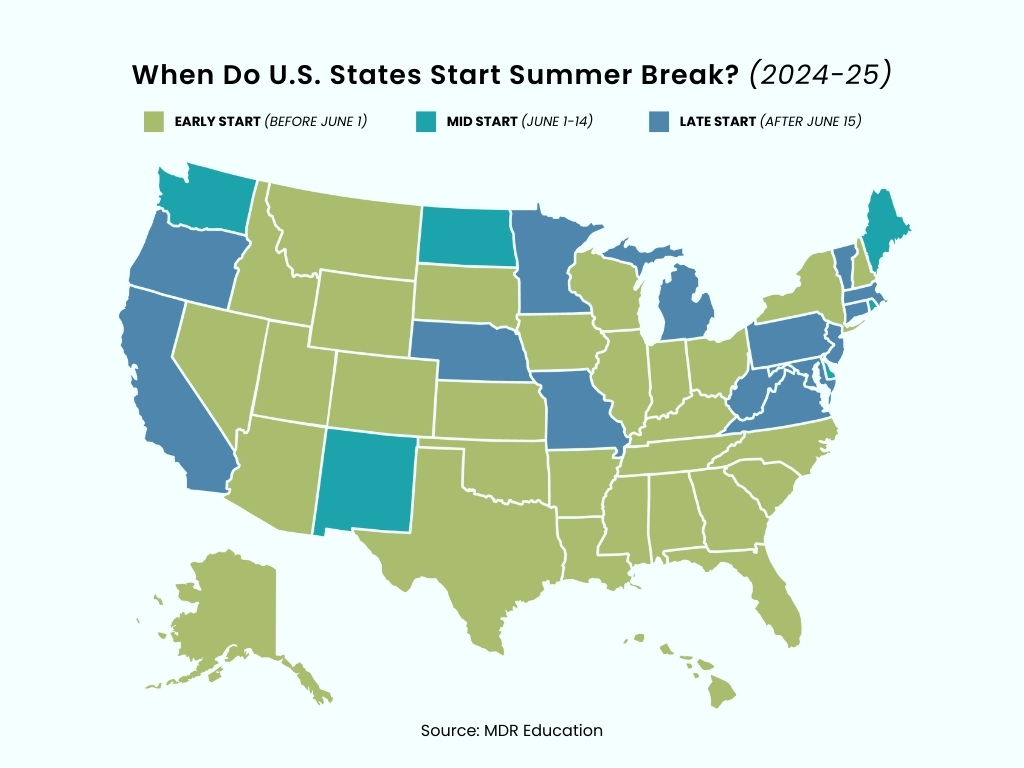
For many, the definition of summer vacation is intrinsically linked to the academic calendar, particularly for families with school-aged children. California’s diverse educational landscape means there isn’t a single, statewide start and end date, but rather a general pattern with significant variations.
Public Schools: A General Overview
Most public school districts in California typically conclude their academic year in late May or early June, with the summer break extending through mid-August. This traditional schedule offers roughly 10 to 11 weeks of freedom for students and, by extension, their families. For instance, districts in Los Angeles County might dismiss students around the first week of June, with classes resuming in the second or third week of August. Similarly, in the San Francisco Bay Area, schools often follow a comparable timeline. This 2.5 to 3-month window forms the foundational block for most summer lifestyle planning, influencing everything from the timing of family vacations to the availability of summer camps and recreational programs. The consistency of this general pattern allows families to anticipate their window for extended trips, home renovations, or simply a slower pace of life.
Private Schools and Year-Round Schedules: Variations to Consider
While public schools largely adhere to the traditional summer break, private institutions and an increasing number of public schools adopting year-round schedules introduce significant variability. Private schools often have more flexibility, sometimes ending earlier in May and resuming later in August or even early September, thereby offering an extended break. Conversely, year-round schools operate on a different rhythm, featuring shorter, more frequent breaks throughout the year instead of one long summer vacation. These “intercessions” might be 3-4 weeks long, spread across the year, dramatically altering the traditional concept of a summer lifestyle. For families tied to these schedules, summer vacation might be shorter (e.g., 6-8 weeks) or even non-existent in the conventional sense, necessitating a different approach to long-term planning and relaxation. Understanding your specific school district’s calendar is paramount for any family-focused lifestyle planning.
Impact on Family Travel Planning and Lifestyle
The varying lengths of summer vacation directly impact family lifestyle choices, especially concerning travel. Families with traditional school schedules often face the challenge of planning trips during peak season (mid-June to mid-August), when popular destinations like Disneyland, Yosemite National Park, and San Diego’s beaches are at their busiest. This concentration of demand during a relatively short, fixed window means higher prices for flights and accommodations, and larger crowds at attractions. For families with more flexible or year-round schedules, there’s an opportunity for a different lifestyle approach: traveling during shoulder seasons (late May/early June or late August/early September) when crowds are thinner and costs potentially lower. This strategic timing can allow for a more relaxed and budget-friendly family experience, aligning the vacation with a broader lifestyle goal of efficiency and enjoyment.
Maximizing Your California Summer: Strategic Planning for Diverse Lifestyles
The length of California’s summer vacation, whether long or short, dictates a strategic approach to fully embracing the Golden State’s offerings. Different lifestyles call for different tactics, especially when navigating the ebb and flow of tourist activity and resource availability.
The Rush of Mid-Summer: What to Expect
For families and individuals with a fixed 10-11 week summer break, mid-June through mid-August represents the prime window for leisure and recreation. This period, often seen as the “heart” of summer, is characterized by vibrant energy and peak demand. From the bustling piers of Santa Monica to the scenic trails of Lake Tahoe, attractions are fully operational, events are plentiful, and the weather is typically ideal across the state. However, this popularity comes with lifestyle trade-offs: expect larger crowds at major landmarks and theme parks, longer wait times for dining, and significantly higher prices for hotels and other services. For a family lifestyle focused on popular attractions, early booking is not just recommended, it’s essential, often months in advance, to secure desired experiences and manage budgets effectively. This also applies to individuals planning a specific, high-demand summer retreat.
Strategic Timing: Leveraging Shoulder Seasons
For those whose summer vacation length allows for more flexibility, leveraging the shoulder seasons (late May to early June and late August to mid-September) can unlock a distinct and often more rewarding lifestyle experience. During these periods, the weather remains pleasant, many attractions are still open with full operating hours, but the intense summer crowds begin to dissipate. This translates into a more relaxed atmosphere, shorter lines, and potentially better deals on accommodations and activities. A family whose children start school a week later in August, for instance, might find a quick trip to San Diego or a camping adventure in Big Sur to be significantly more enjoyable without the peak season rush. For solo travelers or couples, these shoulder months offer a serene setting for exploring Napa Valley’s wineries or hiking in the Sierra Nevada foothills, embodying a slower, more immersive lifestyle.
Budgeting and Availability Considerations
The length of your summer vacation directly impacts financial planning and access to desired experiences. A longer vacation period might necessitate a stricter daily budget, encouraging a lifestyle that embraces more free or low-cost activities like beach days, hiking, or exploring state parks. Conversely, a shorter, more intense vacation might allow for a splurge on a luxury experience or a concentrated tour of several high-demand attractions. Availability is another critical factor. Popular destinations, particularly those requiring permits like some areas in Yosemite National Park, often require reservations made months in advance, regardless of your personal vacation length. Understanding these booking windows and aligning them with your chosen lifestyle and available vacation time is crucial for a seamless California summer.

Beyond the School Bell: Summer Opportunities for All Ages
While “summer vacation” often evokes images of school breaks, the Golden State’s inviting climate and diverse offerings create extended summer lifestyle opportunities for a much broader demographic, unconstrained by academic calendars.
College Students and Young Professionals: Extended Getaways
For college students, the summer break can often stretch from early May to late August or early September, a significantly longer period than K-12 students. This extended freedom provides a unique opportunity for developing a self-reliant lifestyle through internships, summer jobs in tourist hotbeds like Santa Cruz or Lake Tahoe, or embarking on ambitious, budget-friendly road trips across the state. Young professionals, often with more flexible work arrangements or accrued vacation time, can also craft longer summer experiences. This might involve an extended stay in a new California city to explore career opportunities, a month-long surf expedition along the Pacific Coast Highway, or a series of weekend camping trips that cumulatively create a substantial summer adventure lifestyle. The absence of strict academic deadlines allows for a deeper dive into personal interests and skill development, fostering a lifestyle of growth and exploration.
Retirees and Flexible Travelers: The Enduring Appeal of California Summers
Retirees, digital nomads, and others with no fixed work or school schedules enjoy the ultimate flexibility in defining their “summer vacation” length. For this demographic, California’s summer can extend for several months, often from May through October, allowing for an unhurried, immersive lifestyle. This flexibility means they can avoid peak season crowds entirely, choosing to experience destinations like the wine regions of Sonoma in spring or the desert beauty of Palm Springs in late fall. Their summer lifestyle might involve weeks spent volunteering at a national park, exploring different California cities for several days each, or even temporary relocation to a cooler coastal town to escape inland heat. This demographic exemplifies how the concept of summer vacation can transition into a continuous lifestyle of exploration and enjoyment, dictated solely by personal preference and the allure of the Golden State.
Seasonal Employment and Lifestyle Adjustments
For many, the summer months in California are defined not by vacation, but by seasonal employment. From lifeguards in Orange County to park rangers in the Redwood National Park, or hospitality staff in San Francisco, a significant portion of the population adopts a working summer lifestyle. While these individuals may not experience a traditional “vacation,” their jobs often immerse them in the very heart of California’s summer attractions. This presents a unique lifestyle: working amidst the summer buzz, enjoying local amenities during off-hours, and often fostering a vibrant community among fellow seasonal workers. For some, these jobs are a means to save money for post-summer travel, effectively extending their lifestyle experience beyond the immediate summer months.
Crafting Your Ideal California Summer Lifestyle
Regardless of how long your summer vacation truly is, or whether you define it by school breaks or personal flexibility, California offers an unparalleled canvas for diverse lifestyle experiences. The key lies in strategic planning and aligning your choices with your personal priorities and available time.
Family-Focused Itineraries
For families navigating the standard 10-11 week school break, the summer lifestyle often revolves around creating memorable, child-friendly experiences. A typical itinerary might balance high-energy theme park visits (such as Disneyland in Anaheim) with relaxing beach days in Coronado or explorations of the California Academy of Sciences in San Francisco. Planning for shorter, concentrated bursts of activity interspersed with downtime allows for sustainable enjoyment. Leveraging state parks for affordable camping or glamping offers a nature-centric lifestyle without breaking the bank, providing an ideal balance for family bonding within the summer timeframe.
Solo Adventures and Self-Discovery
Individuals with extended summer freedom or those intentionally planning a solo journey can curate a lifestyle of deep personal exploration. A solo summer might involve a multi-week road trip along the entire California coast, stopping to surf, hike, or simply reflect. This lifestyle choice allows for spontaneous detours, connecting with nature in places like the Joshua Tree National Park, or immersing oneself in the artistic communities of Laguna Beach. A longer summer provides ample time for self-reflection, learning new skills (like photography or pottery in a summer workshop), and embracing an independent, self-directed lifestyle.
Luxury and Indulgence Lifestyles
For those whose summer vacation allows for a more opulent lifestyle, California offers world-class experiences. This could mean a week-long stay at a five-star resort in Beverly Hills, indulging in spa treatments and gourmet dining. Alternatively, a luxury summer lifestyle might involve private wine tours through Napa Valley, a yacht charter off the coast of Malibu, or bespoke guided tours through San Francisco’s culinary scene. While these experiences can be enjoyed within a shorter vacation, a longer summer allows for a more relaxed, unhurried indulgence, savoring each moment without the pressure of a tight schedule.

Budget-Conscious and Community-Focused Lifestyles
Even with a limited budget, a fulfilling summer lifestyle in California is entirely achievable. This involves prioritizing free attractions such as beaches, public parks, hiking trails, and the numerous free festivals and events held in cities like Sacramento and Oakland. Camping, staying in hostels, or utilizing home-sharing platforms can significantly reduce accommodation costs, allowing funds to be allocated to unique local experiences like farmers markets or community concerts. This lifestyle choice embraces local culture, sustainable practices, and often leads to more authentic interactions, proving that a rich California summer doesn’t always necessitate a large financial outlay.
Ultimately, the actual length of “summer vacation” in California is less about a universal fixed period and more about how individuals and families creatively leverage their available time to craft a desired lifestyle. Whether it’s a meticulously planned family adventure or an open-ended personal journey, the Golden State provides the backdrop for a summer experience tailored to every aspiration.
LifeOutOfTheBox is a participant in the Amazon Services LLC Associates Program, an affiliate advertising program designed to provide a means for sites to earn advertising fees by advertising and linking to Amazon.com. Amazon, the Amazon logo, AmazonSupply, and the AmazonSupply logo are trademarks of Amazon.com, Inc. or its affiliates. As an Amazon Associate we earn affiliate commissions from qualifying purchases.