
The Boston Marathon is not just a race; it’s an institution, a vibrant cultural event deeply woven into the fabric of Boston, Massachusetts, and the broader sporting world. For travelers planning a visit to this historic city, whether as a participant, a supporter, or simply a curious tourist, understanding the scale and impact of this legendary event is key to experiencing it fully. One of the most common questions for first-time visitors or those less familiar with marathon distances is simple yet fundamental: “How long is the Boston Marathon?”

The answer, in precise terms, is 26.2 miles (or 42.195 kilometers). This standardized marathon distance, established at the 1908 London Olympics, covers a challenging course from the pastoral New England town of Hopkinton to the bustling streets of Boston’s Copley Square. But the distance merely quantifies the physical challenge; it doesn’t begin to capture the rich history, the electrifying atmosphere, or the profound community spirit that defines Marathon Monday.
Beyond the athletic endeavor, the Boston Marathon offers an unparalleled opportunity for tourism and travel, drawing hundreds of thousands of spectators and visitors to the region each year. It’s an ideal time to explore Boston’s landmarks, indulge in its culinary scene, and soak in the unique lifestyle of one of America’s oldest cities. This guide delves into the marathon’s epic journey, offers insights for planning your visit, and highlights how to maximize your experience beyond the race itself.
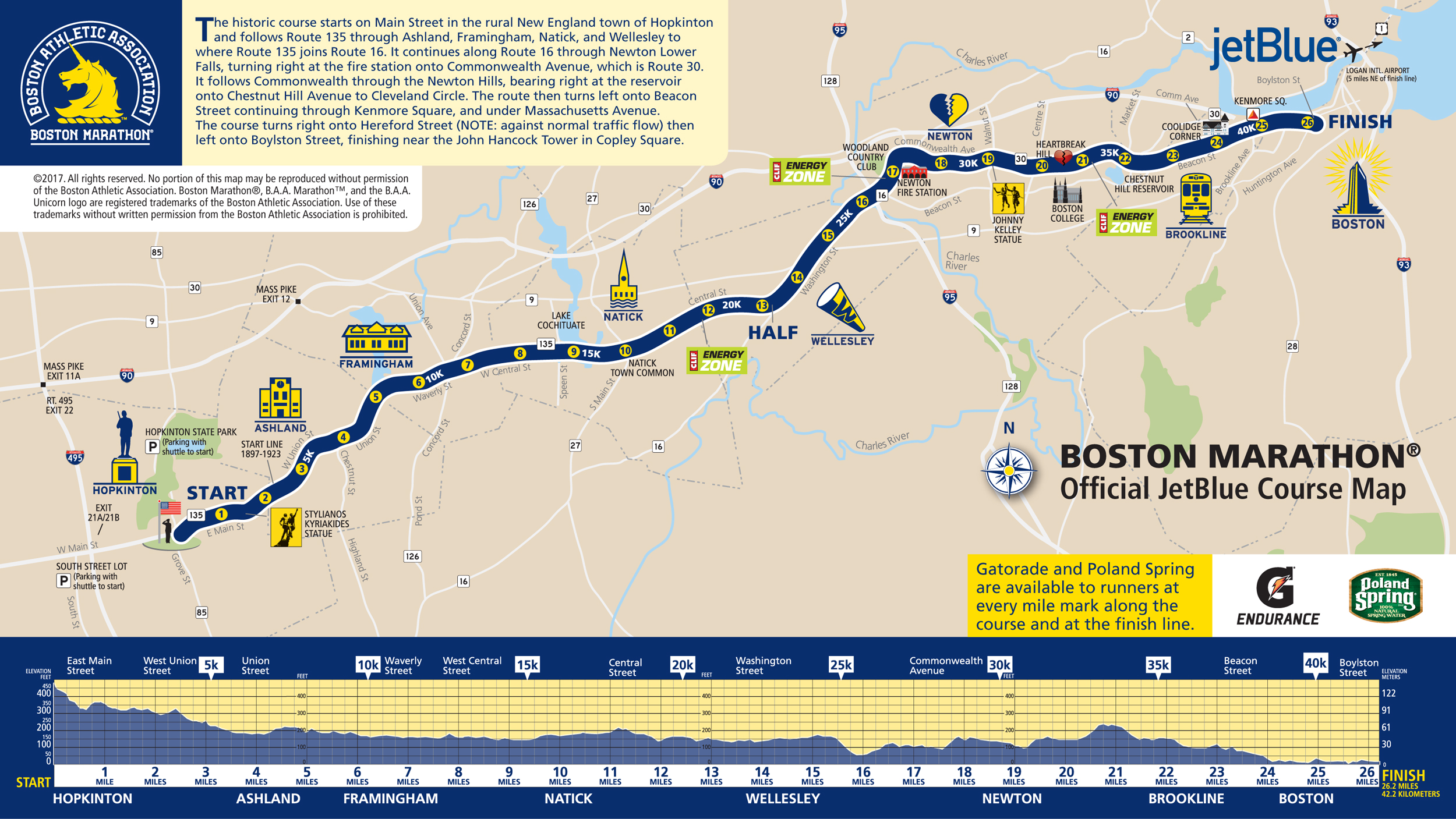
The Historic Route: From Hopkinton to Copley Square
The Boston Marathon course is as iconic as the race itself, a point-to-point journey that winds through eight cities and towns, each contributing to its legendary status. Understanding the route not only helps spectators find the best viewing spots but also offers a deeper appreciation for the runners’ incredible feat.
Starting Line Excitement in Hopkinton
The race begins in the charming small town of Hopkinton, approximately 26 miles west of Boston. The atmosphere here on race morning is electric, a mix of nervous energy, anticipation, and camaraderie among thousands of runners from all corners of the globe. For spectators, arriving in Hopkinton early offers a unique chance to witness the athletes gather, stretch, and prepare for the long journey ahead. Public transportation or designated shuttle services are often the best way to reach the starting area, as parking is extremely limited. While runners are staged in waves, the initial roar of the gun sends chills down the spine, marking the official start of their arduous adventure towards the finish line.
Iconic Milestones Along the Way
As runners make their way through the picturesque New England landscape, they pass through a series of towns, each with its own character and challenges.
- Ashland & Framingham (Miles 2-7): The early miles are generally downhill, tempting runners to go out too fast. Spectators here can enjoy a more relaxed atmosphere compared to the later, more crowded sections.
- Natick & Wellesley (Miles 7-15): The crowds begin to thicken here, especially as runners approach Wellesley College. This section is famous for the “Wellesley Scream Tunnel,” where students line the road, offering loud cheers, motivational signs, and even kisses to passing runners. It’s an unforgettable experience for both athletes and onlookers, a true testament to the unique spirit of the Boston Marathon.
- Newton (Miles 16-21): This is where the real test begins, particularly with the infamous “Heartbreak Hill.” This roughly 0.6-mile climb is the last of four hills in the Newton section, coming at a point when many runners are already fatigued. The crowds along Heartbreak Hill are legendary, their roars providing crucial encouragement to struggling athletes. It’s a prime location for those who want to witness raw determination and human endurance.
- Brookline (Miles 21-25): After conquering the Newton hills, runners enter Brookline, a more urban stretch that signals the home stretch. The energy from the crowds here is palpable, knowing the finish line is just around the corner. Passing landmarks like Cleveland Circle and heading down Commonwealth Avenue, the metropolitan feel intensifies.
- Boston (Miles 25-26.2): The final miles through Boston are a triumphal procession. Runners turn onto Hereford Street, then make the iconic right onto Boylston Street. The roar of the crowd here is deafening, pushing every last runner to the finish. The backdrop of historical buildings and the sheer volume of cheering spectators create an unforgettable finale.
The Triumphant Finish at Copley Square
The grand finale of the Boston Marathon takes place on Boylston Street, culminating directly in front of the Boston Public Library in Copley Square. This area transforms into a massive celebration zone, where exhausted but jubilant runners cross the finish line to thunderous applause. For spectators, securing a spot along Boylston Street is highly sought after but can be challenging due to the immense crowds. Many opt to watch from viewing areas near Copley Square, Kenmore Square, or Commonwealth Avenue for a slightly less congested experience before converging on the finish area for post-race festivities.
Around Copley Square, several iconic buildings frame the celebration, including the Fairmont Copley Plaza hotel, the majestic Trinity Church, and the soaring John Hancock Tower (officially 200 Clarendon Street). These landmarks add to the historical weight and grandeur of the moment, making the finish line not just an athletic endpoint but a cultural tableau.
Planning Your Boston Marathon Experience: Beyond the Race
Attending the Boston Marathon is much more than just watching a race; it’s an immersive travel experience. For those looking to make the most of their visit, thoughtful planning regarding accommodation, local exploration, and culinary adventures is essential.
Where to Stay: Hotels and Accommodation for Every Budget
Given the immense popularity of the Boston Marathon, securing appropriate accommodation requires foresight, often booking several months to a year in advance. Hotels around Copley Square and Back Bay are highly coveted for their proximity to the finish line and the vibrant post-race atmosphere.
- Luxury Options: For a truly indulgent stay, consider the Mandarin Oriental, Boston or The Lenox Hotel, both offering unparalleled service and amenities within steps of the course. The Fairmont Copley Plaza is another timeless choice, embodying historic elegance.
- Mid-Range Choices: Hotel Commonwealth near Kenmore Square provides excellent access to the race route and nearby attractions like Fenway Park. Other options in the Seaport District or Downtown Crossing offer modern comforts with good public transport links.
- Budget-Friendly Stays: For those on a tighter budget, consider accommodation slightly outside the immediate city center, perhaps in neighboring towns accessible by the MBTA (Boston’s public transit system). Hostels in areas like Cambridge or even booking an Airbnb further afield can provide more economical options. Remember that prices surge during Marathon Monday weekend, so early booking is paramount.

Exploring Boston: Landmarks and Attractions
While the marathon is the main draw, Boston is a treasure trove of historical and cultural landmarks that warrant exploration. Dedicate a few extra days to immerse yourself in the city’s rich heritage.
- History Buffs: Walk the Freedom Trail, a 2.5-mile red-lined path that leads to 16 historically significant sites, including the Paul Revere House, Faneuil Hall, and the Old North Church. Explore the historic North End for a glimpse into colonial Boston and its vibrant Italian-American community.
- Art and Culture: Visit the renowned Museum of Fine Arts, home to a vast collection spanning millennia, or the intimate and captivating Isabella Stewart Gardner Museum. Catch a show at the historic Boston Opera House or explore the innovative campuses of MIT and Harvard University just across the Charles River in Cambridge.
- Family Fun: The New England Aquarium offers an engaging experience for all ages, while a swan boat ride in the Public Garden or a stroll through Boston Common provides relaxing outdoor activities.
- Sports Enthusiasts: Beyond the marathon, consider a tour of Fenway Park, the oldest ballpark in Major League Baseball, home to the beloved Boston Red Sox.
Culinary Delights: Food and Drink in Boston
Boston’s food scene is a delightful blend of historical tradition and modern innovation. From classic New England dishes to diverse international cuisine, there’s something to satisfy every palate.
- Seafood Staples: A visit to Boston wouldn’t be complete without indulging in authentic New England Clam Chowder and fresh Lobster rolls. Head to the Seaport District or Legal Sea Foods for excellent options.
- Italian Immersion: Explore the North End for a truly immersive Italian dining experience. From family-run trattorias to bustling bakeries like Mike’s Pastry and Modern Pastry, you’ll find delectable pasta, pizza, and cannolis.
- Market Finds: Quincy Market near Faneuil Hall offers a lively food hall experience with a wide variety of casual eateries, perfect for sampling local favorites.
- Craft Beer Scene: Boston and its surrounding areas boast a thriving craft brewery scene. Consider a tour and tasting at Samuel Adams Brewery or explore one of the many microbreweries that have popped up across the city.
Lifestyle and Logistics: Tips for Spectators and Travelers
Navigating the Boston Marathon as a spectator requires some strategic planning, especially if you want to follow a specific runner or experience multiple sections of the course.
Best Viewing Spots and Transportation
The most effective way to get around Boston on Marathon Monday is by using the MBTA (subway and bus system). Roads along the course are closed, and driving is highly discouraged. Purchase a CharlieCard for easy access to the subway, often referred to as “the T.”
- Multiple Viewpoints: Plan your day by identifying 2-3 key locations you’d like to visit. For example, you could start in Wellesley for the “Scream Tunnel,” then take the commuter rail or MBTA to Newton for Heartbreak Hill, and finally head to Back Bay to catch the finish.
- Finish Line Access: Access to the immediate finish line area on Boylston Street is typically restricted to ticketed grandstand seating or areas accessible only to official personnel. Spectators usually line the barriers further down Boylston Street or near Commonwealth Avenue. The Prudential Center and Copley Place offer indoor viewing spots for some sections of the final mile, often with cafes and restrooms.
- Family Meeting Points: Establish a clear meeting point away from the immediate finish line chaos. Many families choose a specific landmark or a quieter café in the Back Bay area for reunification after the race.
Packing Essentials and Local Tips
New England weather in April can be famously unpredictable, ranging from warm and sunny to cold and rainy, sometimes all in the same day.
- Layer Up: Dress in layers to adapt to changing temperatures. A waterproof outer layer is always a good idea.
- Comfortable Shoes: You’ll be doing a lot of walking, so comfortable footwear is non-negotiable.
- Stay Hydrated and Nourished: Carry water and snacks, especially if you plan to move between viewing spots. Food vendors will be present, but lines can be long.
- Respect the Course: Follow instructions from volunteers and law enforcement. Do not impede runners or cross the course.
- Embrace the Spirit: Join in the cheering, make signs, and high-five runners. The energy of the crowd is a huge part of the Boston Marathon experience.
Beyond Marathon Monday: Maximizing Your Stay
Consider extending your trip beyond Marathon Monday to truly immerse yourself in all that Boston and the surrounding region have to offer. Whether you prefer luxury travel or a budget-friendly trip, there are options for every lifestyle. Explore Cape Cod, visit the historic whaling city of New Bedford, or delve into the art scene of Provincetown. The post-marathon glow offers a unique time to experience the city, as the crowds thin slightly, but the celebratory mood lingers. Many restaurants and attractions offer special deals or events in the days following the race.
The Spirit of the Boston Marathon: A Global Phenomenon
The Boston Marathon is much more than a 26.2-mile footrace; it is a profound testament to human resilience, community spirit, and the enduring power of sport. Organized by the Boston Athletic Association, it stands as the world’s oldest annual marathon, attracting elite athletes, dedicated amateurs, and charity runners from over 100 countries. Each stride taken from Hopkinton to Copley Square is supported by countless volunteers and spectators, making it a truly collective endeavor.
For the United States and indeed the world, the Boston Marathon embodies hope and determination. It has overcome challenges and continues to inspire millions, proving that with perseverance, any distance can be conquered, and any obstacle overcome. Whether you’re standing at the start line, cheering from Heartbreak Hill, or celebrating at the finish, the experience of the Boston Marathon is a powerful reminder of human potential and the vibrant tapestry of global tourism and shared travel experiences. Plan your visit thoughtfully, and prepare to be swept away by an event that transcends sport and truly captivates the soul.
LifeOutOfTheBox is a participant in the Amazon Services LLC Associates Program, an affiliate advertising program designed to provide a means for sites to earn advertising fees by advertising and linking to Amazon.com. Amazon, the Amazon logo, AmazonSupply, and the AmazonSupply logo are trademarks of Amazon.com, Inc. or its affiliates. As an Amazon Associate we earn affiliate commissions from qualifying purchases.