
Alaska, often referred to as “The Last Frontier,” is a land of superlatives. It boasts the largest land area of any state in the United States, home to towering peaks like Mount Denali, vast wilderness, and an incredible array of wildlife. Yet, despite its colossal size, Alaska maintains one of the smallest populations in the nation. This unique demographic landscape profoundly shapes everything from its infrastructure and economy to, most importantly for travelers, the very essence of the Alaskan travel experience. Understanding the population of Alaska isn’t just about a number; it’s about grasping the sense of scale, the untouched wilderness, and the distinctive local cultures that make this state an unparalleled destination for adventure, relaxation, and discovery.
The sparse population means that vast expanses remain wild and undeveloped, offering unparalleled opportunities for immersive nature experiences. For the discerning traveler, this translates into unique accommodation options, from remote wilderness lodges to cozy cabins nestled amidst stunning landscapes. It influences the type of tourism that thrives here— ecotourism, adventure tourism, and cultural immersion, rather than bustling city breaks. This article delves into Alaska’s population figures and, more significantly, explores how these demographics sculpt the extraordinary journeys awaiting those who venture into its majestic embrace.

Understanding Alaska’s Unique Demographics and Geographic Scope
The sheer scale of Alaska is difficult to comprehend until you witness it firsthand. Covering an astonishing 665,384 square miles, it’s larger than Texas, California, and Montana combined. This immense landmass, coupled with a relatively small population, creates a unique environment where nature truly dominates, and human settlements are often isolated pockets of civilization.
The Latest Population Figures
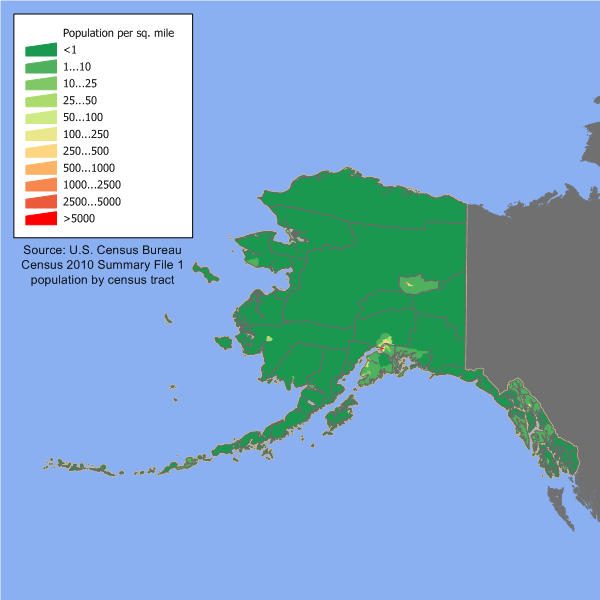
As of recent estimates (typically reflecting data from the U.S. Census Bureau), the population of Alaska hovers around 730,000 to 735,000 residents. To put this into perspective, many major cities in the lower 48 United States have larger populations within a fraction of Alaska’s land area. This makes Alaska one of the least densely populated states, with less than two people per square mile. This statistic is perhaps the most crucial element in understanding the character of the state and why it appeals to specific types of travelers. It promises solitude, pristine environments, and an escape from the crowds often found in other popular tourist destinations.
A Vast Land, Sparsely Populated
The low population density means that most of Alaska remains untouched wilderness. From the sprawling tundra of the Arctic Circle to the temperate rainforests of the Inside Passage, vast regions are without permanent human habitation. This is precisely what makes Alaska a dream destination for nature lovers and adventure seekers. National parks like Denali National Park and Preserve, Glacier Bay National Park and Preserve, and Kenai Fjords National Park protect millions of acres of this pristine land, offering visitors unparalleled opportunities for wildlife viewing, hiking, kayaking, and glacier exploration. The minimal human footprint here ensures that encounters with grizzlies, moose, whales, and eagles are genuinely wild and unforgettable.

Key Population Centers and Their Character
While the majority of Alaska is wilderness, its population is concentrated in a handful of urban and semi-urban centers. These cities and towns serve as vital hubs for commerce, services, and, significantly for tourism, as gateways to the surrounding natural wonders.
- Anchorage: By far the largest city, Anchorage is home to roughly 290,000 people, representing over 40% of the entire state’s population. It acts as the primary economic and transportation hub, complete with an international airport, diverse dining, and a range of accommodation options from luxury hotels to boutique hotels and apartments. For many visitors, Anchorage is the starting point for their Alaskan adventure, offering a balance of urban conveniences and immediate access to outdoor activities in places like Chugach State Park.
- Fairbanks: Located in the Interior region, Fairbanks is the second-largest city, with a population of around 32,000. It’s renowned as the “Golden Heart City” and is a primary gateway to the Arctic, a fantastic place for viewing the Northern Lights in winter, and a base for exploring the vast wilderness to its north.
- Juneau: The capital city, Juneau, is unique in that it’s only accessible by air or sea due to its mountainous terrain. Its population is approximately 32,000. Juneau is a popular cruise ship port, offering access to the majestic Mendenhall Glacier and the sprawling Juneau Icefield.
- Smaller Towns: Other significant towns like Ketchikan, Sitka, Skagway, Homer, and Seward dot the coastline or are nestled inland, each offering distinct charms and serving as important cultural or economic centers for their respective regions. Their smaller populations often mean a more intimate, local experience for travelers.
How Population Density Shapes the Alaskan Travel Experience
The low population density of Alaska is not merely a statistical anomaly; it is the fundamental characteristic that defines the travel and tourism landscape of the state. It influences everything from the type of activities available to the accessibility of destinations and the very nature of human interaction.
The Allure of Wilderness and Solitude
For many, the primary draw of Alaska is its unparalleled wilderness and the promise of solitude. In a world increasingly crowded and connected, Alaska offers a genuine escape. The vast, undeveloped lands mean that outdoor activities are not confined to designated parks but are a way of life. Imagine fly-fishing in a remote river without seeing another soul for days, hiking through a pristine forest where the only sounds are the rustling leaves and distant calls of wildlife, or kayaking through a fjord with towering glaciers as your only companions.
This allure caters specifically to travelers seeking authentic adventure travel, ecotourism, and immersive nature experiences. Wildlife viewing is not a guided tour through a reserve but an organic encounter with creatures in their natural habitats. Whether it’s bear viewing in Katmai National Park and Preserve, whale watching in Prince William Sound, or observing salmon runs on the Kenai Peninsula, the raw, untamed nature of Alaska is its greatest asset, directly attributable to its sparse population.
Impact on Infrastructure and Accessibility
The low population density also has a significant impact on infrastructure. Road networks are extensive but often lead to the most popular destinations, while vast regions remain accessible only by air (bush planes), sea (ferries, cruise ships), or off-road vehicles. This challenge in accessibility is, for many, part of the adventure. It means that traveling in Alaska requires careful planning and often involves unique modes of transport.
- Air Travel: Bush planes are iconic in Alaska, linking remote villages and lodges that are otherwise unreachable. This opens up opportunities for truly off-the-beaten-path experiences, from remote fishing trips to visiting Alaskan Native cultures in their ancestral lands.
- Marine Travel: The Inside Passage cruise is a quintessential Alaskan experience, allowing travelers to explore coastal towns and glaciers that are difficult to reach by road. The Alaska Marine Highway System, a ferry service, is another vital link for residents and tourists alike, connecting communities along the coast and to the lower 48 United States and Canada.
- Rail Travel: The historic Alaska Railroad offers breathtaking scenic journeys between major cities like Seward, Anchorage, and Fairbanks, providing a comfortable way to witness the interior’s vast landscapes.
- Roads: While key arteries like the Alaska Highway and the Dalton Highway exist, many roads are gravel, and services can be few and far between. This necessitates thorough preparation for road trips, emphasizing the self-reliant spirit of Alaskan travel.
Distinctive Accommodation Options
The accommodation landscape in Alaska is as diverse as its geography, directly influenced by the population distribution. While cities like Anchorage and Fairbanks offer a range of modern hotels, including resorts and familiar chains, the true Alaskan experience often lies in more specialized lodging.
- Wilderness Lodges: Scattered throughout remote areas, these lodges offer comfort amidst stunning natural beauty. Accessible often by small plane or boat, they provide an intimate connection with nature, frequently including guided excursions like bear viewing, fishing, and hiking. These cater to travelers seeking a luxury travel experience with unparalleled natural immersion.
- Cozy Cabins and B&Bs: In smaller towns and scenic locations, cabins and bed-and-breakfasts provide a more personal, home-away-from-home feel. Many offer rustic charm with modern comforts, perfect for family trips or those looking for a quiet retreat.
- Camping and RV Parks: For budget travel enthusiasts and those who truly want to immerse themselves in the outdoors, Alaska offers numerous camping and RV options, particularly within its extensive State of Alaska parks and federal lands managed by the National Park Service and National Forest Service. This allows for incredible flexibility and the chance to wake up to breathtaking views every day.
- Cruise Ship Accommodation: For many, the cruise ship itself serves as their floating hotel, providing all amenities while navigating the scenic coastal waters of the Inside Passage or beyond to the Gulf of Alaska.
Major Destinations and Their Population Dynamics
While the overall population is low, how these residents are distributed gives each region and city a distinct character, directly impacting the tourist experience. From bustling hubs to serene fishing villages, Alaska’s destinations offer varied encounters.
Anchorage: The Urban Gateway
As the largest city, Anchorage is the undisputed urban heart of Alaska. Its population density, while still low by national standards, is a stark contrast to the rest of the state. This means a more developed infrastructure, a wider array of restaurants, shops, and cultural institutions like the Anchorage Museum and the Alaska Native Heritage Center. For travelers, Anchorage serves as the primary arrival point and a convenient base for exploring south-central Alaska. From here, one can embark on day trips to Seward for Kenai Fjords National Park cruises, to Talkeetna for flightseeing tours around Mount Denali, or enjoy urban trails like the Tony Knowles Coastal Trail. The blend of city amenities and immediate access to wilderness defines Anchorage’s appeal.
Juneau: The Capital City’s Charm
Juneau, with its relatively small population and unique isolation, offers a different urban experience. As a city nestled between mountains and the sea, its character is defined by its stunning natural setting. The cruise ship industry significantly swells its daily population during the summer, creating a vibrant, bustling atmosphere around the waterfront while maintaining a serene, close-knit community feel in residential areas. Tourists come for the Mendenhall Glacier, whale watching in the surrounding waters, and the charm of its historic downtown. Juneau embodies the coastal Alaskan lifestyle, where fishing and outdoor recreation are paramount.
Fairbanks: Gateway to the Arctic
Fairbanks, situated closer to the Arctic Circle, has a rugged, frontier feel shaped by its climate and location. Its population, though small, is known for its resilience and hospitality. Fairbanks is a hub for interior Alaska and a prime location for experiencing the Northern Lights in winter. Attractions like the University of Alaska Fairbanks’s Museum of the North and the nearby Chena Hot Springs provide cultural insights and relaxation opportunities. From Fairbanks, adventurers can embark on overland journeys north to the North Slope and Prudhoe Bay via the Dalton Highway, or explore the region’s rich gold rush history.
Smaller Towns and Remote Outposts
Beyond these major cities, the majority of Alaska’s smaller towns and villages offer a glimpse into truly local life. Places like Ketchikan, known for its totem poles and rainforest, or Homer, the “Halibut Fishing Capital of the World,” thrive on their unique industries and tight-knit communities. Kodiak Island is famous for its massive brown bears, while the Aleutian Islands off the Bering Sea offer a remote, windswept beauty distinct from the mainland. These smaller settlements, with their populations often numbering in the hundreds or low thousands, are where travelers can truly connect with the Alaskan lifestyle, participate in local events, and experience the profound sense of community forged by living in such a demanding yet rewarding environment.
Embracing the Alaskan Lifestyle: Beyond the Numbers
The small state population fosters a culture of self-reliance, community, and a deep respect for nature. This inherent lifestyle is what many travelers find most captivating, offering a stark contrast to the hustle and bustle of more densely populated areas.
Connecting with Local Culture and Community
One of the most enriching aspects of visiting Alaska is the opportunity to engage with its diverse cultures. The state is home to numerous Alaskan Native cultures, including Inupiaq, Yup’ik, Aleut, Athabascan, Tlingit, Haida, and Tsimshian peoples, each with their own distinct traditions, languages, and art forms. These communities, often located in remote areas, maintain a strong connection to their ancestral lands and traditions. Tourism plays a vital role in sharing these cultures, offering visitors a chance to learn about traditional hunting and fishing practices, witness native dances, and appreciate intricate artworks. The unique history of Alaska, from the Russian colonial period to the Klondike Gold Rush and the present-day resource industries, is palpable in its museums and historic landmarks.
Moreover, the tight-knit communities foster a welcoming atmosphere. Locals are often eager to share their experiences and insights into living in such a unique environment. This personal connection often becomes a highlight of any trip, providing a deeper understanding of the Alaskan spirit.
Tailoring Your Alaskan Adventure
Understanding Alaska’s population dynamics allows travelers to tailor their trips to their desired level of immersion and solitude.
- For the Ultimate Wilderness Seeker: Focus on destinations like Denali National Park and Preserve, Lake Clark National Park and Preserve, or the Arctic National Wildlife Refuge, where human presence is minimal, and the emphasis is purely on nature. This might involve staying in wilderness lodges, remote cabins, or backcountry camping.
- For a Blend of Nature and Comfort: Base yourself in or near cities like Anchorage or Juneau, utilizing their range of hotels and infrastructure for day trips or organized tours to nearby natural attractions. Cruise itineraries also offer this balance, combining scenic views with comfortable shipboard amenities.
- For Cultural Immersion: Seek out tours that focus on Alaskan Native cultures, visit cultural centers, or explore towns like Sitka or Ketchikan, which have strong indigenous heritage. Visiting during festivals or events can offer a vibrant glimpse into local life.
- For Winter Wonderlands: Fairbanks is your prime destination for Northern Lights viewing and winter sports, offering dog sledding, ice sculpting, and opportunities to witness the Iditarod Trail Sled Dog Race or the Yukon Quest International Sled Dog Race.
Planning Your Visit: Logistics and Considerations
The sparse population means that services can be spread out, and planning ahead is crucial. Whether you’re booking accommodation, flights, or rental cars, anticipate higher demand during the peak summer season (June to August) due to the limited options available relative to the state’s size and the influx of tourists. Booking well in advance is highly recommended, especially for popular tours and unique lodging experiences. Consider travel insurance, especially for remote excursions, and always be prepared for changing weather conditions, as Alaska’s climate can be unpredictable.
In conclusion, Alaska’s state population, while a simple number, is a powerful indicator of the type of experience it offers. It signifies a land where nature remains untamed, where communities are resilient and welcoming, and where adventures are truly boundless. Far from being a mere statistic, the population figure of Alaska serves as a profound invitation to explore one of the world’s last great wildernesses, promising memories that will last a lifetime.
LifeOutOfTheBox is a participant in the Amazon Services LLC Associates Program, an affiliate advertising program designed to provide a means for sites to earn advertising fees by advertising and linking to Amazon.com. Amazon, the Amazon logo, AmazonSupply, and the AmazonSupply logo are trademarks of Amazon.com, Inc. or its affiliates. As an Amazon Associate we earn affiliate commissions from qualifying purchases.