
The journey between two of the Pacific Northwest’s most vibrant cities, Seattle and Vancouver, is a popular route for both leisure and business travelers. Understanding the driving time, potential delays, and optimal travel strategies is crucial for a smooth and enjoyable experience. This guide delves into the nuances of this approximately 140-mile (225 km) drive, offering insights to help you plan your trip effectively.
Estimating Your Travel Time
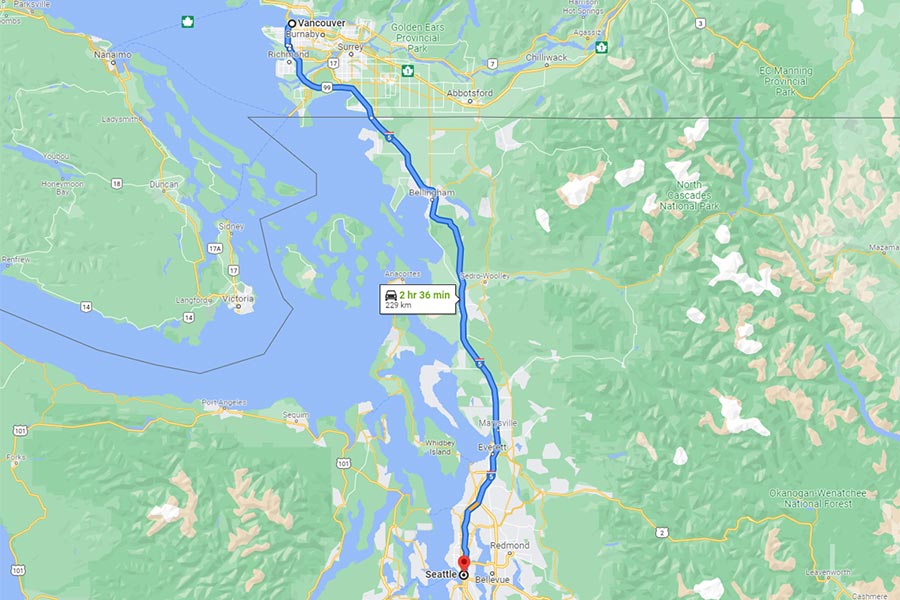
The most direct route between Seattle and Vancouver involves navigating Interstate 5 North (I-5 N) for the majority of the journey, with a border crossing into Canada being a significant factor.
The Base Driving Time
Under ideal conditions, with no significant traffic congestion and a swift border crossing, the drive can take as little as 2.5 to 3 hours. This estimate assumes you are departing from downtown Seattle and heading towards downtown Vancouver. However, “ideal conditions” are a rarity, especially when traversing metropolitan areas and international borders.
Factors Influencing Travel Time
Several variables can significantly alter the projected driving time:
Traffic Congestion
Both Seattle and Vancouver are major urban centers, and their surrounding freeways, particularly I-5, experience substantial traffic, especially during peak commuting hours.
- Weekday Rush Hours: Leaving Seattle between 7:00 AM and 9:00 AM on a weekday will likely add 30 to 60 minutes, or even more, to your journey as you navigate out of the city. Similarly, approaching Vancouver during its evening rush hour (typically 4:00 PM to 6:30 PM) can introduce considerable delays.
- Weekend Travel: While generally less severe than weekday rush hours, weekend traffic can still be a factor, particularly on Friday afternoons as people head out of town and Sunday evenings as they return.
Border Crossing
The US-Canada border crossing at Peace Arch or Pacific Highway is another significant point where delays can occur.
- Peak Times: Expect longer wait times at the border during holiday weekends, summer vacation periods, and typical travel times on Fridays and Sundays. Wait times can fluctuate from 15 minutes to over an hour, and occasionally even longer during exceptionally busy periods.
- Documentation: Ensure you have the necessary identification for crossing the border. US citizens will typically need a passport, passport card, or enhanced driver’s license. Canadian citizens will also require appropriate documentation. Familiarizing yourself with the latest border requirements is essential.
- Border Wait Times: Utilize online resources or mobile apps that provide real-time border wait times. These can help you choose the most expedient crossing point if you have the flexibility.
Road Construction and Incidents
As with any major highway, I-5 is subject to road construction projects, particularly during warmer months, which can lead to lane closures and reduced speed limits. Accidents or other incidents can cause unexpected backups, sometimes for miles. It is always advisable to check traffic conditions before you depart.
Planning Your Departure and Route
Strategic planning can significantly mitigate potential delays and enhance your overall travel experience.
Optimal Departure Times
- Early Morning Departures: For weekday travel, departing Seattle before 6:30 AM or after 9:30 AM can help you avoid the worst of the morning commute.
- Midday Travel: Traveling between 9:30 AM and 3:00 PM on weekdays often offers the most consistent and manageable traffic flow.
- Late Evening: Driving in the late evening can also be beneficial, though you should remain aware of reduced visibility and potential fatigue.
Alternative Routes and Considerations
While I-5 North is the primary artery, understanding alternative routes can be useful.
- Pacific Highway (SR 99/BC-99): This route runs parallel to I-5 for much of the journey and offers a more scenic, albeit typically slower, drive. It can be a good option if I-5 is heavily congested, but it also has its own traffic considerations, especially near border crossings. The Peace Arch crossing is often the most direct for this route.
- Sumas Border Crossing: For those heading further east in British Columbia, the Sumas crossing (off WA-547) might be an option, though it is generally less direct for reaching downtown Vancouver.
Technology and Resources
Leveraging technology is paramount for real-time information:
- Navigation Apps: Google Maps, Waze, and Apple Maps are invaluable for providing real-time traffic updates, estimating arrival times, and suggesting alternative routes due to congestion or incidents.
- Traffic Websites: Official transportation departments in Washington and British Columbia often provide online resources for traffic conditions and construction alerts.
- Border Wait Time Information: Websites such as the U.S. Customs and Border Protection and the Canada Border Services Agency offer information on border wait times, though these can change rapidly.

What to Expect Upon Arrival in Vancouver
Once you cross the border and approach Vancouver, the journey isn’t quite over. Navigating the city itself will add to your total travel time, depending on your final destination.
Navigating Vancouver
Vancouver has a well-developed but often busy road network. Driving in the downtown core, especially during peak hours, can be challenging due to traffic, one-way streets, and limited parking.
- Downtown Core: Be prepared for slower speeds and potential traffic jams when entering the downtown peninsula, particularly if your destination is near areas like Gastown, Yaletown, or the West End.
- Public Transportation: For many visitors, especially those staying in or exploring the downtown area, utilizing Vancouver’s public transit system, TransLink, is a convenient and often faster alternative to driving and parking. The SkyTrain system offers efficient connections from the airport and other suburban areas into the city center.
Parking in Vancouver
Parking in Vancouver can be expensive and challenging to find, especially in popular tourist areas and the downtown core. Many hotels offer parking, but at a premium cost. If you plan to drive your own vehicle, researching parking options near your accommodation or intended attractions in advance is advisable.
Making the Most of Your Seattle to Vancouver Drive
The drive itself can be more than just a transit period; it can be an opportunity to explore and enjoy the region.
Scenic Stops and Attractions
While the most direct route prioritizes speed, there are opportunities for brief detours or stops.
- Bellingham, Washington: This charming city offers a pleasant break with its vibrant downtown, waterfront parks, and proximity to the Chuckanut Drive scenic byway, which offers stunning coastal views if you have extra time and are willing to deviate slightly.
- Deception Pass State Park: A bit further off I-5 but a worthwhile detour for nature lovers, this park features dramatic bridges, rugged coastlines, and hiking trails. Allow at least 2-3 hours for a meaningful visit.
- Chilliwack, British Columbia: As you enter British Columbia, the landscape becomes more mountainous. Chilliwack offers opportunities for outdoor activities, including hiking in the nearby mountains.
Border Town Highlights
Small towns near the border on both sides can offer local flavor and convenient stops for fuel or a quick meal.
- Blaine, Washington: Located near the Peace Arch border crossing, Blaine is a small port town with a relaxed atmosphere.
- Surrey, British Columbia: As you cross into Canada, Surrey is one of the first major municipalities, offering various amenities and dining options.
Frequently Asked Questions About the Seattle to Vancouver Drive
Addressing common queries can help clarify the planning process.
What is the fastest way to get from Seattle to Vancouver?
The fastest way is typically by car via I-5 North, provided traffic and border crossing conditions are favorable. Flying between Seattle-Tacoma International Airport and Vancouver International Airport is also a quick option, though when factoring in travel to/from airports and security, driving can often be comparable or faster for city-center to city-center travel.
Can I drive to Vancouver without a passport?
US citizens can drive into Canada with a passport card or an enhanced driver’s license (EDL). However, a standard driver’s license alone is generally not sufficient. Canadian citizens driving to the US will also need appropriate identification. Always verify the latest requirements with official border agencies.
Is it safe to drive at night from Seattle to Vancouver?
Yes, the route is generally safe to drive at night. I-5 is a well-trafficked highway with good lighting in most sections. However, as with any night driving, exercise caution due to reduced visibility, potential wildlife on the road in rural areas, and the possibility of encountering fatigued drivers.
What is the speed limit on I-5 between Seattle and Vancouver?
The speed limit on I-5 in Washington is generally 70 mph (113 km/h) in rural areas and lower in urban sections, often 60 mph (97 km/h) or 55 mph (89 km/h) through construction zones or congested areas. In British Columbia, the speed limit on highways like BC-99 is typically 100 km/h (approximately 62 mph) or 110 km/h (approximately 68 mph) in some sections. Always adhere to posted speed limits.
In conclusion, the drive from Seattle to Vancouver is a relatively short journey that can be completed in approximately 3 to 5 hours under normal circumstances. However, diligent planning, awareness of traffic patterns, and preparation for border crossing procedures are key to ensuring a predictable and pleasant trip between these two magnificent Pacific Northwest cities.
LifeOutOfTheBox is a participant in the Amazon Services LLC Associates Program, an affiliate advertising program designed to provide a means for sites to earn advertising fees by advertising and linking to Amazon.com. Amazon, the Amazon logo, AmazonSupply, and the AmazonSupply logo are trademarks of Amazon.com, Inc. or its affiliates. As an Amazon Associate we earn affiliate commissions from qualifying purchases.