
The allure of Ocala, Florida extends beyond its picturesque landscapes and vibrant equestrian culture. For many, a crucial element in planning a visit, whether for a brief getaway or an extended exploration, is understanding the local climate. This guide delves into the nuances of [Ocala]’s weather patterns, offering insights that will help you pack appropriately and maximize your enjoyment of this captivating region. From the warmth of its summers to the mildness of its winters, [Ocala] offers a climate that largely favors outdoor activities year-round, with distinct seasons that each bring their own unique charm.
Seasonal Weather Patterns in Ocala
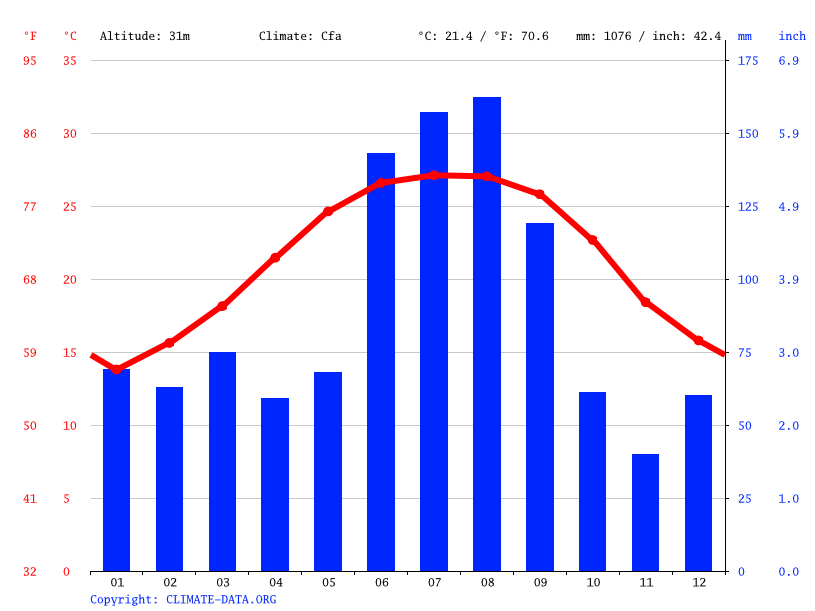
[Ocala]’s climate is classified as humid subtropical, characterized by hot, humid summers and mild winters. This means that while sunshine is abundant throughout the year, visitors should anticipate varying degrees of heat, humidity, and occasional rainfall depending on the season. Understanding these seasonal shifts is key to experiencing the best of what [Ocala] has to offer, from the blooming wildflowers of spring to the cozy evenings of autumn.Spring: A Symphony of Sunshine and Blooms
Spring in [Ocala] is arguably one of the most delightful times to visit. The weather begins to warm significantly, with average temperatures ranging from the mid-60s to the low-80s Fahrenheit (approximately 18-27 degrees Celsius). The humidity, while present, is generally more manageable than in the summer months. Rainfall tends to increase as the season progresses, often manifesting as short, intense thunderstorms, particularly in the late afternoon. These showers are typically brief and are followed by sunshine, refreshing the landscape.
- Temperatures: Expect pleasant daytime highs and cooler evenings, perfect for exploring outdoor attractions.
- Humidity: Moderate, becoming more noticeable towards the end of spring.
- Rainfall: Occasional thunderstorms are common, but they rarely disrupt plans for extended periods.
- Activities: This is an ideal time for visiting natural springs, exploring [Ocala] National Forest, and enjoying the numerous outdoor festivals and events that spring brings. The vibrant colors of blooming flora also make it a photographer’s dream.
Summer: Embracing the Heat and Humidity
Summers in [Ocala] are undeniably hot and humid, a hallmark of Florida’s subtropical climate. From June through August, average temperatures frequently climb into the upper 80s and low 90s Fahrenheit (around 31-34 degrees Celsius), with heat index values often pushing into the triple digits. The humidity is consistently high, making the air feel thick and heavy. Afternoon thunderstorms are a daily occurrence, often accompanied by lightning. These storms, while providing temporary relief from the heat, can be quite intense.
- Temperatures: High, often exceeding 90°F (32°C).
- Humidity: Very high, contributing to significant discomfort for those unaccustomed to it.
- Rainfall: Frequent and often dramatic afternoon thunderstorms are the norm.
- Activities: Visitors should plan activities for the cooler parts of the day, such as early mornings or late afternoons. Water-based activities, such as visiting Silver Springs State Park or cooling off at a resort pool, are highly recommended. Hydration is paramount during these months.
Autumn: A Gentle Transition to Cooler Days
As the calendar turns to fall, [Ocala] experiences a welcome respite from the summer heat. September can still be warm and humid, but by October and November, temperatures begin to moderate significantly. Daytime highs typically range from the comfortable 70s to low 80s Fahrenheit (around 21-27 degrees Celsius), with evenings becoming noticeably cooler, often dropping into the 50s and 60s Fahrenheit (10-15 degrees Celsius). The humidity also decreases, making outdoor exploration much more pleasant. Rainfall lessens compared to the summer, and the skies tend to be clearer.
- Temperatures: Comfortable and gradually cooling, offering a pleasant balance.
- Humidity: Decreasing, leading to a more comfortable outdoor experience.
- Rainfall: Less frequent than in summer, with clearer skies becoming more common.
- Activities: Autumn is perfect for exploring the numerous horse farms, visiting downtown [Ocala]’s shops and restaurants, and enjoying the scenic beauty of the region as the foliage might subtly change in some areas. The cooler weather makes it ideal for walking tours and longer excursions.
Winter: Mild and Inviting
[Ocala]’s winters are remarkably mild, offering a stark contrast to the harsh cold experienced in many other parts of the country. December through February typically sees average daytime temperatures in the 60s and low 70s Fahrenheit (around 15-22 degrees Celsius). Frost can occur on occasion, particularly in the early mornings, and temperatures can dip into the 40s Fahrenheit (around 4-9 degrees Celsius) overnight, but prolonged freezing is rare. Rainfall is at its lowest during these months, and sunshine is abundant.- Temperatures: Mild and pleasant, with cooler mornings and evenings.
- Humidity: Low.
- Rainfall: Minimal, contributing to drier conditions.
- Activities: Winter is an excellent time for outdoor activities without the oppressive heat and humidity. Golfing, exploring nature trails, visiting local markets, and enjoying the city’s cultural offerings are all popular pursuits. It’s also a prime season for birdwatching.
Understanding Key Weather Phenomena

Beyond the general seasonal patterns, certain weather phenomena are characteristic of [Ocala] and the wider Central Florida region. Being aware of these can enhance your preparedness and safety.
Thunderstorms and Lightning
As previously mentioned, thunderstorms are a frequent occurrence, especially during the warmer months. These storms can develop rapidly due to the high heat and humidity. They are often accompanied by heavy rain, strong winds, and lightning. [Ocala] experiences a significant number of lightning days per year. It is crucial to seek shelter immediately if you hear thunder, as lightning can strike miles away from the main storm cloud. Many outdoor activities in [Ocala] have contingency plans for thunderstorms, and it’s wise to check forecasts and be aware of approaching weather systems.
Hurricanes and Tropical Storms
While not a daily concern, [Ocala] is located within Florida’s hurricane-prone zone. The Atlantic hurricane season officially runs from June 1st to November 30th, with the peak typically occurring from August to October. While direct hits are infrequent, the region can experience the effects of tropical storms and hurricanes, including heavy rainfall, high winds, and storm surge, especially if located closer to the coast. Visitors planning trips during these months should stay informed about weather advisories from the National Hurricane Center and follow guidance from local authorities. Hotels and resorts in the area are accustomed to preparing for and responding to these events.
Heat and Humidity Management
For those unaccustomed to the Florida climate, managing the heat and humidity is essential for a comfortable experience. Staying hydrated by drinking plenty of water is paramount. Wearing lightweight, breathable clothing made of natural fibers like cotton or linen is advisable. Seeking shade during the hottest parts of the day and utilizing air-conditioned spaces, such as museums, shops, and restaurants, can provide welcome relief. Many hotels offer cooling amenities like pools and well-air-conditioned rooms.
Planning Your Visit Based on Weather
When planning your trip to [Ocala], consider what type of experience you are seeking and how the weather might impact it.
For Outdoor Enthusiasts
If your primary interest lies in exploring the natural beauty of [Ocala], such as hiking in the Ocala National Forest or kayaking on the area’s pristine springs, the spring and fall months offer the most agreeable conditions. The mild temperatures and lower humidity make these activities significantly more enjoyable.
For Families
Families visiting with children may find that the milder seasons are best for accommodating younger travelers. While summer offers ample opportunities for water fun, the intense heat and frequent thunderstorms might require more careful planning and frequent breaks indoors.
For Equestrian Aficionados
[Ocala] is renowned as the “Horse Capital of the World,” and its equestrian events and farms are a major draw. The weather is generally conducive to visiting stables and attending events year-round, though avoiding the peak heat of summer might be preferable for extended outdoor viewing.
For Budget Travelers
The shoulder seasons – late spring and early fall – can sometimes offer better rates on accommodations and flights as they fall outside the peak tourist seasons. However, the weather during these times is often ideal, making them a great value proposition.
In conclusion, while Ocala, Florida experiences a subtropical climate with distinct seasons, its generally warm weather makes it an appealing destination throughout the year. By understanding the nuances of its climate – from the refreshing breezes of spring and fall to the vibrant warmth of summer and the mild embrace of winter – visitors can better prepare for their journey and fully immerse themselves in the unique charm and diverse attractions that [Ocala] has to offer.
LifeOutOfTheBox is a participant in the Amazon Services LLC Associates Program, an affiliate advertising program designed to provide a means for sites to earn advertising fees by advertising and linking to Amazon.com. Amazon, the Amazon logo, AmazonSupply, and the AmazonSupply logo are trademarks of Amazon.com, Inc. or its affiliates. As an Amazon Associate we earn affiliate commissions from qualifying purchases.