
The vast expanse of the United States offers a myriad of travel experiences, and traversing its breadth can be an adventure in itself. For those looking to journey from the heart of the Southeast to the vibrant Pacific Northwest, a key piece of logistical information is the flight duration. Understanding the approximate flight time between Atlanta and Seattle is crucial for planning your trip, whether for business or leisure, and anticipating your arrival in the Emerald City.
Understanding Flight Duration: Key Factors
The time it takes to fly from Atlanta to Seattle is not a fixed number. Several dynamic factors influence the actual duration of your flight. These elements, ranging from the aircraft’s performance to prevailing atmospheric conditions, collectively shape the total travel time.
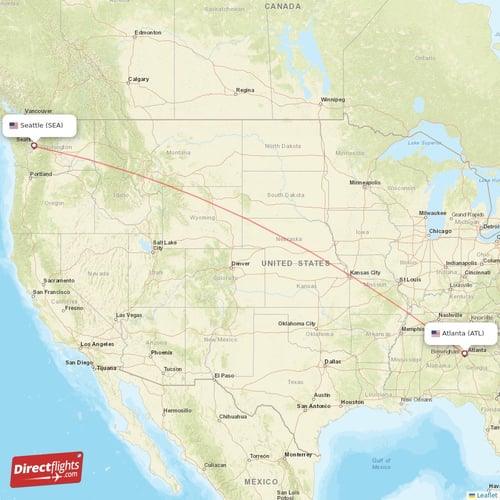
Direct vs. Connecting Flights
The most significant determinant of flight duration between any two cities is whether the journey involves direct flights or flights with one or more layovers.
-
Direct Flights: These are the most straightforward and typically the fastest option. A direct flight from Hartsfield-Jackson Atlanta International Airport (ATL) to Seattle-Tacoma International Airport (SEA) allows passengers to remain on the same aircraft from departure to arrival. This eliminates time spent deplaning, navigating airports, and re-boarding. The average duration for a direct flight on this route generally falls within the range of 4 hours and 30 minutes to 5 hours and 15 minutes. This timeframe accounts for the actual airborne time, taxiing to and from gates, and the inherent speed of modern jetliners.
-
Connecting Flights: Flights with one or more stops will inherently take longer. The total travel time for connecting flights includes not only the flight segments themselves but also the layover period at the connecting airport. These layovers can range from a brief 45 minutes to several hours, depending on the airline’s scheduling and the specific connection. When factoring in a layover, the total journey from Atlanta to Seattle can easily extend to 7 to 10 hours or even longer. This makes direct flights a significantly more time-efficient choice for many travelers.
Aircraft Type and Speed
Different aircraft models have varying cruising speeds. While most commercial airliners flying long-haul routes operate within a similar speed bracket, subtle differences can influence flight times. For instance, a Boeing 777 might have a slightly different optimal cruising speed than an Airbus A330. However, for a route like Atlanta to Seattle, the differences attributable solely to aircraft type are usually marginal compared to other influencing factors.
Wind Conditions and Jet Streams
Weather plays a pivotal role in air travel. The most impactful weather phenomenon on flight duration is the presence and direction of jet streams. These fast-flowing, narrow air currents in the upper atmosphere can significantly affect aircraft speed.
- Tailwinds: When a jet stream flows in the same direction as the aircraft’s flight path, it acts as a tailwind, pushing the plane forward and reducing flight time. Flying eastbound generally benefits from prevailing westerly jet streams, shortening flight durations.
- Headwinds: Conversely, when a jet stream opposes the direction of travel, it creates a headwind, slowing the aircraft down and increasing flight time. Flights from Seattle to Atlanta (west to east) often experience shorter flight times due to tailwinds.
The flight from Atlanta (southeast) to Seattle (northwest) is a transcontinental journey across the United States. While not perfectly aligned with the primary east-west jet streams, these upper-level winds can still influence the flight. Pilots constantly monitor wind conditions to optimize routes for efficiency, and prevailing winds can shave off or add minutes to the total flight time.
Air Traffic Control and Flight Paths
Air traffic control (ATC) plays a critical role in managing the skies. While ATC ensures safety, its directives can also influence flight paths and, consequently, flight times. Congestion at busy airports like Hartsfield-Jackson Atlanta International Airport or Seattle-Tacoma International Airport can lead to holding patterns or slightly altered approach paths, which can add a few minutes to the overall journey. Airlines and ATC work collaboratively to select the most efficient flight paths, but unforeseen circumstances or traffic volume can necessitate adjustments.
Time of Day and Day of the Week
While not directly impacting the airborne time, the time of day and day of the week can influence the efficiency of your journey through indirect means. Flights departing during peak travel hours or on busy travel days might experience longer taxi times at the gate or require more time for deplaning due to higher passenger volumes. This affects the total time from wheels-up to wheels-down, and importantly, the overall time from arriving at the airport to reaching your final destination.
Average Flight Times: A Closer Look
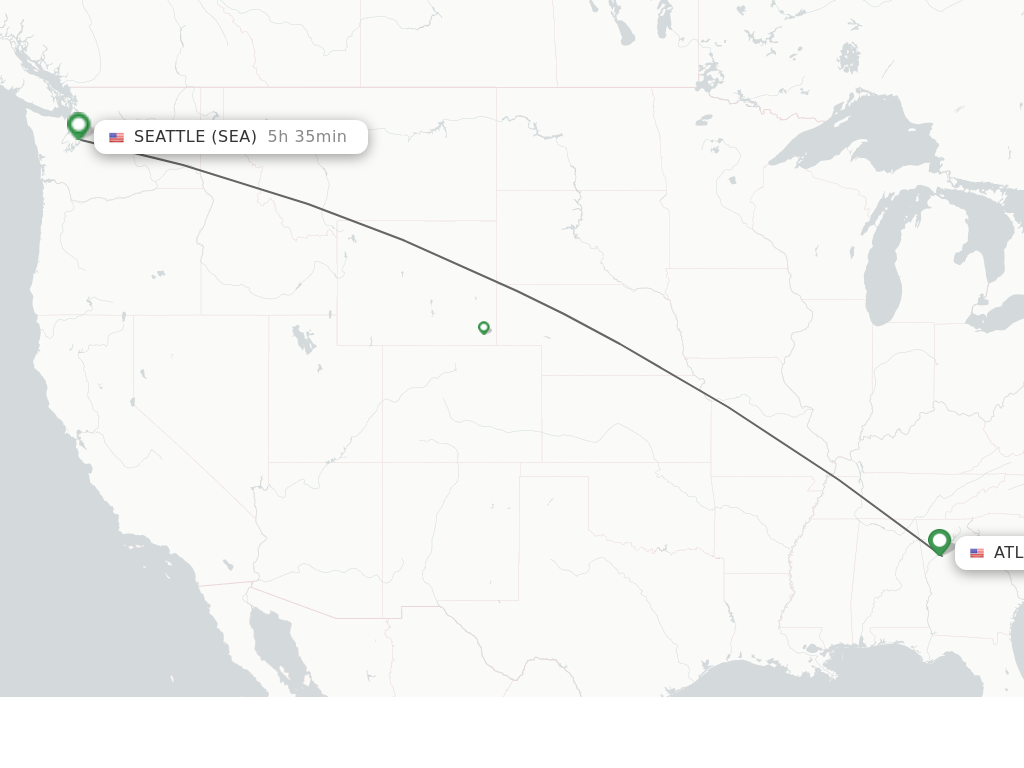
To provide a more concrete understanding, let’s examine the typical flight durations for the Atlanta to Seattle route. These are average figures and actual flight times can vary.
Direct Flight Averages
As previously mentioned, a direct flight is the most efficient way to travel this distance.
- Average Airborne Time: The actual time spent in the air, from takeoff to landing, typically ranges from 4 hours and 30 minutes to 5 hours. This is the core of the flight duration.
- Total Gate-to-Gate Time: When you factor in taxiing to the runway, taxiing from the gate upon arrival, and the slight variability in approach and departure, the total time from leaving the departure gate to arriving at the arrival gate at Seattle-Tacoma International Airport is usually between 4 hours and 45 minutes to 5 hours and 30 minutes.
Major airlines operating this route, such as Delta Air Lines and Alaska Airlines, aim to provide consistent service within these approximate timeframes.
Connecting Flight Scenarios
Connecting flights introduce significant variability. Consider these examples:
- One-Stop, Efficient Connection: A flight with a single stop in a hub city like Denver, Chicago, or Salt Lake City with a 1-hour layover could result in a total travel time of 6 hours to 7 hours and 30 minutes. This is still substantially longer than a direct flight.
- One-Stop, Longer Connection: A flight with a longer layover of 2-3 hours can push the total journey time to 8 hours to 10 hours. This can be a more affordable option but significantly extends your travel day.
- Multiple Stops: Flights with two or more stops are less common for this specific route due to its popularity and the availability of direct services. However, if chosen, they would exponentially increase the travel time, potentially exceeding 12 hours.
When booking, always check the total estimated travel time, not just the flight segments, to make an informed decision.
Planning Your Travel to Seattle
Knowing the approximate flight duration is a fundamental aspect of planning a trip from Atlanta to Seattle. This information influences numerous other travel considerations.
Optimizing Your Itinerary
- Departure Time: For a direct flight averaging 5 hours, departing Atlanta in the morning means you’ll arrive in Seattle in the afternoon. This allows for settling into your hotel, perhaps a walk along the waterfront, or an early dinner. A late afternoon departure from Atlanta will see you arriving in Seattle in the evening, potentially impacting your first day’s activities.
- Time Zone Differences: Remember that Seattle is in the Pacific Time Zone (PT), which is three hours behind the Eastern Time Zone (ET) where Atlanta is located. This means a 5-hour flight departing Atlanta at 2:00 PM ET will land in Seattle at approximately 4:00 PM PT. This time difference can significantly impact your perception of travel time and help mitigate jet lag.
- Airport Arrival: For domestic flights, it’s generally recommended to arrive at Hartsfield-Jackson Atlanta International Airport at least two hours before departure. For Seattle-Tacoma International Airport, similar timing is advised. This buffer accounts for check-in, security, and getting to your gate.
Choosing Your Flights Wisely
When searching for flights, pay close attention to the details provided by airlines and booking platforms.
- Look for “Direct” or “Non-stop”: These terms indicate a single flight segment without any stops.
- Analyze Total Travel Time for Connectors: If you opt for a connecting flight, ensure you understand the total duration, including the layover. A seemingly shorter flight segment combined with a long layover can make the overall journey significantly longer.
- Consider the Layover Airport: If you have a connecting flight, research the amenities and ease of navigation at the layover airport. A well-managed airport can make a long layover more bearable.
Preparing for Arrival in Seattle
Upon landing at Seattle-Tacoma International Airport, you’ll have various options for reaching your final destination in the city and surrounding areas. These include:
- Link Light Rail: This efficient public transit option connects the airport to downtown Seattle and various neighborhoods, offering a cost-effective and often swift way to travel.
- Taxis and Rideshares: Available at designated pick-up zones, these offer direct transportation to your accommodation.
- Rental Cars: If you plan extensive exploration of Washington state or need flexibility, renting a car at the airport is a viable option.
Understanding the flight duration from Atlanta to Seattle is the first step in a well-executed travel plan, ensuring you arrive prepared and ready to experience all that the Pacific Northwest has to offer, from the stunning natural beauty to the dynamic urban landscape of Seattle.
LifeOutOfTheBox is a participant in the Amazon Services LLC Associates Program, an affiliate advertising program designed to provide a means for sites to earn advertising fees by advertising and linking to Amazon.com. Amazon, the Amazon logo, AmazonSupply, and the AmazonSupply logo are trademarks of Amazon.com, Inc. or its affiliates. As an Amazon Associate we earn affiliate commissions from qualifying purchases.