
Understanding Paid Time Off (PTO) policies is a critical aspect of managing one’s personal and professional life, profoundly impacting an individual’s lifestyle choices, particularly the ability to plan leisure, relaxation, and travel. In California, a state celebrated for its diverse landscapes, vibrant cities, and numerous opportunities for recreation, the question of whether PTO rolls over can significantly influence how residents live, work, and explore. This exploration delves into the nuances of California labor laws concerning PTO rollover, offering insights for both employees and employers on navigating these often-complex policies to foster a balanced and enriching lifestyle.

The Legal Landscape of PTO in California
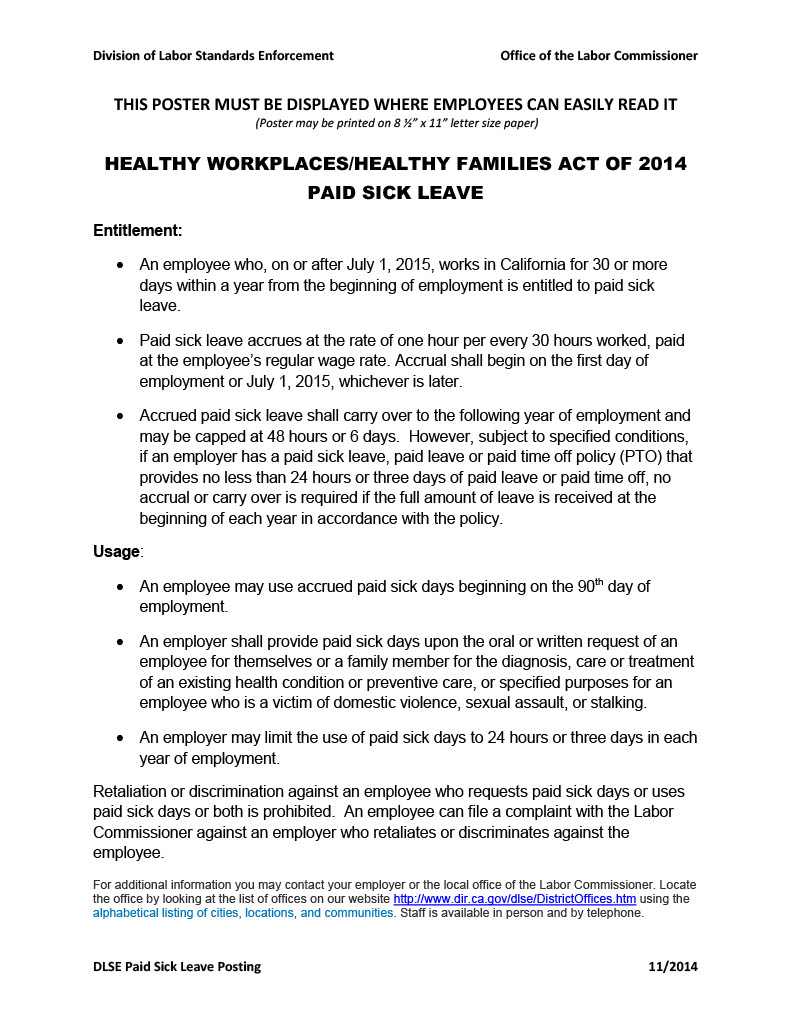
California stands out with some of the most employee-friendly labor laws in the United States. When it comes to Paid Time Off, specifically accrued vacation time, the state has a distinct stance. Unlike some other states, California considers earned vacation time as a form of wages. Once an employee earns vacation time, it cannot be forfeited, even upon termination of employment. This means that if an employee accrues vacation time, the employer generally cannot implement a “use-it-or-lose-it” policy that would strip the employee of that earned time.
Is Rollover Mandatory for Accrued Vacation?
The critical distinction in California law is between general “PTO” policies, which can combine sick leave, vacation, and personal days, and pure “vacation pay” policies. If a company’s policy specifically designates time as “vacation,” then that time is treated as earned wages. This typically means that any unused accrued vacation time must either roll over to the next year or be paid out to the employee upon separation from the company. Employers are permitted to place a reasonable cap on the amount of vacation time an employee can accrue. For instance, a company might state that an employee can accrue up to 200 hours of vacation time, but once that cap is reached, no more vacation time will accrue until the employee uses some of their existing balance. This effectively creates a soft “use-it-or-lose-it” scenario for accrual beyond the cap, but it does not allow the employer to forfeit already accrued and unused vacation time below that cap.
The Nuance of Combined PTO Banks
Many employers in California opt for a combined PTO bank that merges sick leave, vacation, and personal days. Under these combined policies, the entire bank of time is often treated similarly to vacation time under California law. This means that if a company provides a single PTO bank, the unused hours typically cannot be forfeited and must either roll over or be paid out upon termination, subject to any reasonable accrual caps. However, sick leave itself, while protected, operates under slightly different rules, particularly concerning payout upon termination. The underlying principle in California is that once time is earned, it is a vested right, influencing how individuals can plan their time off and manage their personal lives. This framework provides a solid foundation for employees to plan their lifestyle around their earned benefits, from extended family trips to pursuing personal hobbies.
Maximizing Your PTO for a Fulfilling California Lifestyle
Understanding the rollover rules and accrual caps is the first step toward strategically utilizing your PTO to enrich your lifestyle. For residents in [California](https://lifeoutofthebox.com/california], this means more than just taking a few days off; it’s about leveraging your earned time to experience the vast offerings of the Golden State and beyond, or simply to find balance in your daily routine.
Strategic Planning for Vacations and Breaks
Given that accrued PTO often rolls over or is subject to a cap, strategic planning becomes paramount. Employees should regularly review their PTO balance and their company’s policy to ensure they don’t hit an accrual cap if they wish to continue earning time. Planning larger trips or extended breaks well in advance allows for better utilization of accumulated hours. Whether it’s a road trip along Highway 1, a wine-tasting tour in Napa Valley, or a family vacation to Disneyland in Anaheim, having a clear understanding of your PTO balance empowers you to commit to these experiences without the fear of losing valuable time. This also encourages a proactive approach to work-life balance, allowing individuals to truly disconnect and recharge.
Embracing Staycations and Local Exploration
Beyond grand vacations, PTO can be strategically used for shorter, more frequent breaks that contribute significantly to overall well-being. California’s diverse geography offers endless possibilities for staycations and local exploration. A long weekend using just one or two PTO days can transform into a serene retreat in Big Sur, a cultural immersion in San Francisco, or an adventurous escape to Lake Tahoe. These shorter breaks help prevent burnout, foster mental clarity, and allow individuals to explore their immediate surroundings, discovering hidden gems and supporting local economies. The ability to roll over PTO provides the flexibility to save up for a significant adventure or to sprinkle smaller, rejuvenating breaks throughout the year, tailoring leisure time to individual lifestyle preferences.

Navigating Company Policies and Employee Rights
While California law provides a baseline, individual company policies will dictate the specifics of PTO accrual, usage, and rollover. It is crucial for employees to be fully informed about their employer’s specific policy.
Communicating with Human Resources
Open communication with Human Resources is vital. Employees should not hesitate to ask for clarification on their company’s PTO policy, especially regarding rollover rules, accrual caps, and payout procedures upon termination. Understanding these details upfront can prevent misunderstandings and enable better planning. HR can also provide insights into how PTO is tracked, how requests are approved, and any specific blackout dates or peak periods where PTO might be restricted. Proactive engagement with HR ensures that employees can confidently plan their time off, aligning their personal aspirations with workplace expectations.
Understanding Your Employee Handbook
The employee handbook is the definitive guide to a company’s PTO policy. It should detail the rate of accrual, any waiting periods, the maximum amount of PTO that can be accrued, and the rules governing rollover or payout. Employers are generally bound by the terms outlined in their handbook, provided those terms comply with California labor law. Regularly reviewing this document, particularly when changes occur or when planning significant time off, is a sound practice. Familiarity with the handbook empowers employees to advocate for their rights and to make informed decisions about their lifestyle planning, ensuring they get the most out of their earned benefits.
The Broader Lifestyle and Economic Impact of PTO Rollover
The nuances of PTO rollover in California extend beyond individual planning, touching upon broader lifestyle trends, employee well-being, and even the state’s economy. The freedom to accrue and potentially roll over vacation time significantly influences how people balance their professional obligations with their personal pursuits.
Boosting Local Tourism and Leisure Industries
When employees have the confidence that their earned PTO is secure and can roll over, they are more inclined to plan significant time off. This directly benefits California’s robust tourism and leisure industries. Whether it’s families planning annual trips to San Diego‘s Balboa Park, couples enjoying romantic getaways to the Central Coast, or individuals embarking on solo adventures through Yosemite National Park, the reliable nature of PTO encourages greater spending on travel, accommodation, dining, and activities within the state. This influx of consumer activity contributes to job creation, supports local businesses, and enhances the overall economic vitality of various regions across California.
Enhancing Employee Well-being and Productivity
From a lifestyle perspective, the ability to roll over PTO is a significant factor in employee well-being. It reduces the pressure to “use up” time by a certain deadline, which can lead to rushed or poorly planned breaks that don’t truly rejuvenate. Instead, employees can save up for more meaningful experiences, take longer breaks when truly needed, or strategically spread out their time off throughout the year to maintain a healthier work-life balance. This flexibility fosters a sense of control and reduces stress, ultimately leading to higher job satisfaction, decreased burnout, and often, increased productivity upon return to work. A well-rested and engaged workforce is a cornerstone of a thriving economy, and thoughtful PTO policies play a crucial role in achieving this.
Future Trends and Employee Expectations
The landscape of work and employee benefits is continually evolving. In California, as the state continues to lead in progressive labor policies, the expectations around PTO and work-life balance are also shifting. Employees increasingly value flexibility and benefits that support their holistic well-being. The clear legal protections for accrued vacation time in California set a high standard, prompting companies to design PTO policies that are not only compliant but also competitive in attracting and retaining talent. As the workforce becomes more diverse and demands greater autonomy over their time, the principle of PTO rollover, or the secure accrual of time off, will remain a key component in defining an attractive and supportive work environment, directly influencing the lifestyle choices and opportunities available to residents of California. This commitment to employee benefits reinforces the state’s reputation as a progressive leader, impacting how individuals envision and live their professional and personal lives.
LifeOutOfTheBox is a participant in the Amazon Services LLC Associates Program, an affiliate advertising program designed to provide a means for sites to earn advertising fees by advertising and linking to Amazon.com. Amazon, the Amazon logo, AmazonSupply, and the AmazonSupply logo are trademarks of Amazon.com, Inc. or its affiliates. As an Amazon Associate we earn affiliate commissions from qualifying purchases.