
Embarking on a journey from the historic streets of Boston to the volcanic landscapes of Iceland is an increasingly popular travel aspiration for many adventurers. This fascinating island nation, often dubbed the “Land of Fire and Ice,” offers an unparalleled blend of dramatic natural beauty, vibrant culture, and unique experiences that captivate travelers year-round. While the allure of geysers, glaciers, and the Northern Lights is undeniable, a fundamental question often arises for those planning their escape: how long does it actually take to fly from Boston to Iceland? Beyond a simple number, understanding the flight duration involves considering various factors, and this knowledge is crucial for planning an efficient and enjoyable trip.
This guide will not only pinpoint the typical flight times but also delve into the broader aspects of traveling from the United States East Coast to this enchanting Nordic gem. From choosing the right airline and understanding airport logistics to preparing for your Icelandic adventure, we’ll cover everything you need to know to transform your travel dreams into a tangible itinerary. Whether you’re envisioning a luxurious escape or a budget-friendly exploration, preparing for a family trip or a solo adventure, the journey itself is the first step towards an unforgettable experience.
The Direct Answer: Flight Duration and Influencing Factors
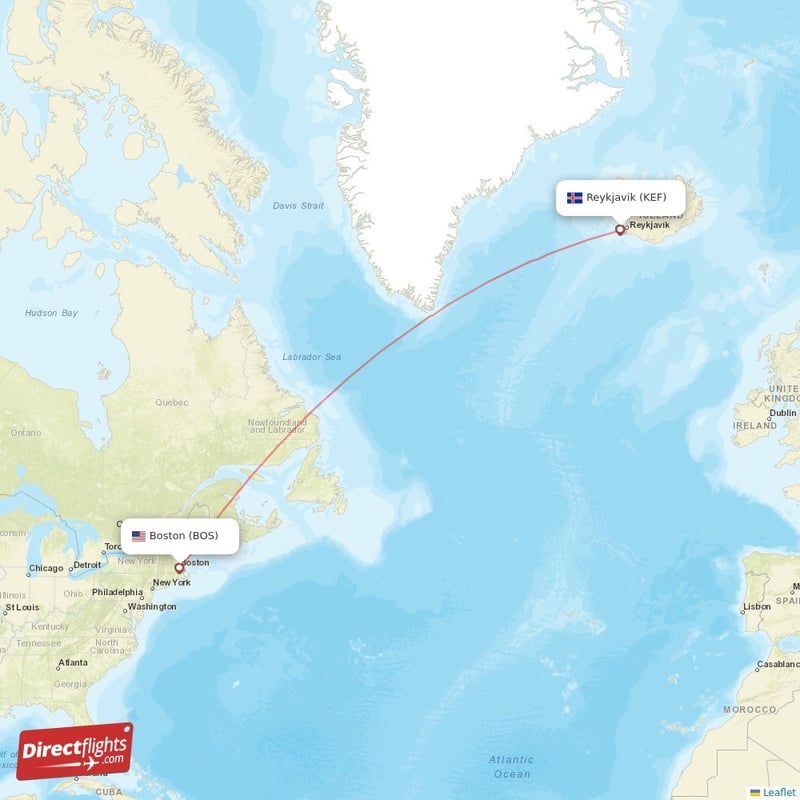
For travelers departing from Boston’s Logan International Airport (BOS) to Keflavík International Airport (KEF), which serves the capital city of Reykjavík, the good news is that Iceland is surprisingly accessible. It’s often referred to as a “mid-Atlantic” destination, strategically positioned almost equidistant from North America and Europe.
Typical Flight Times
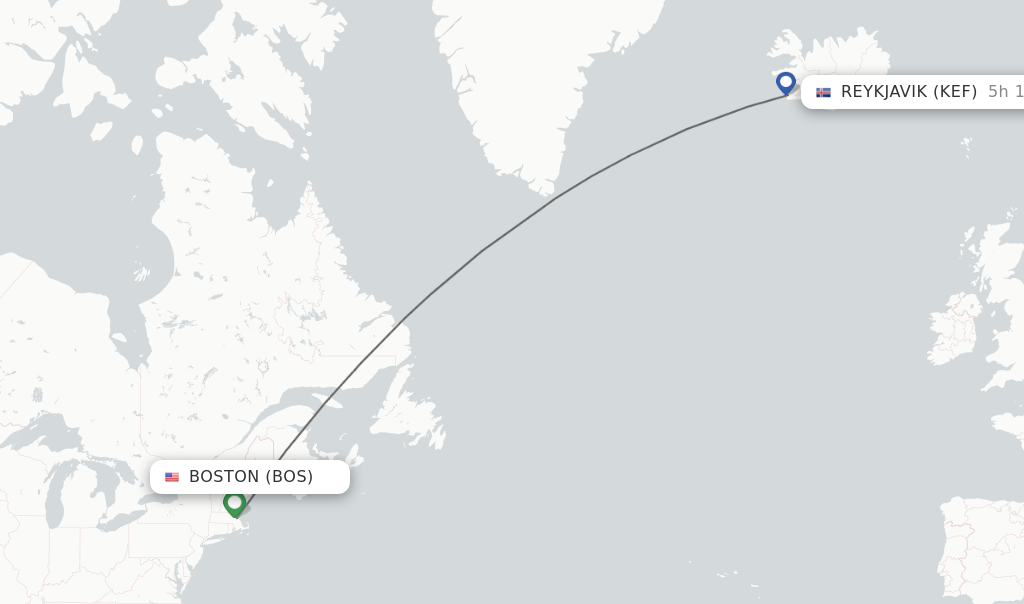
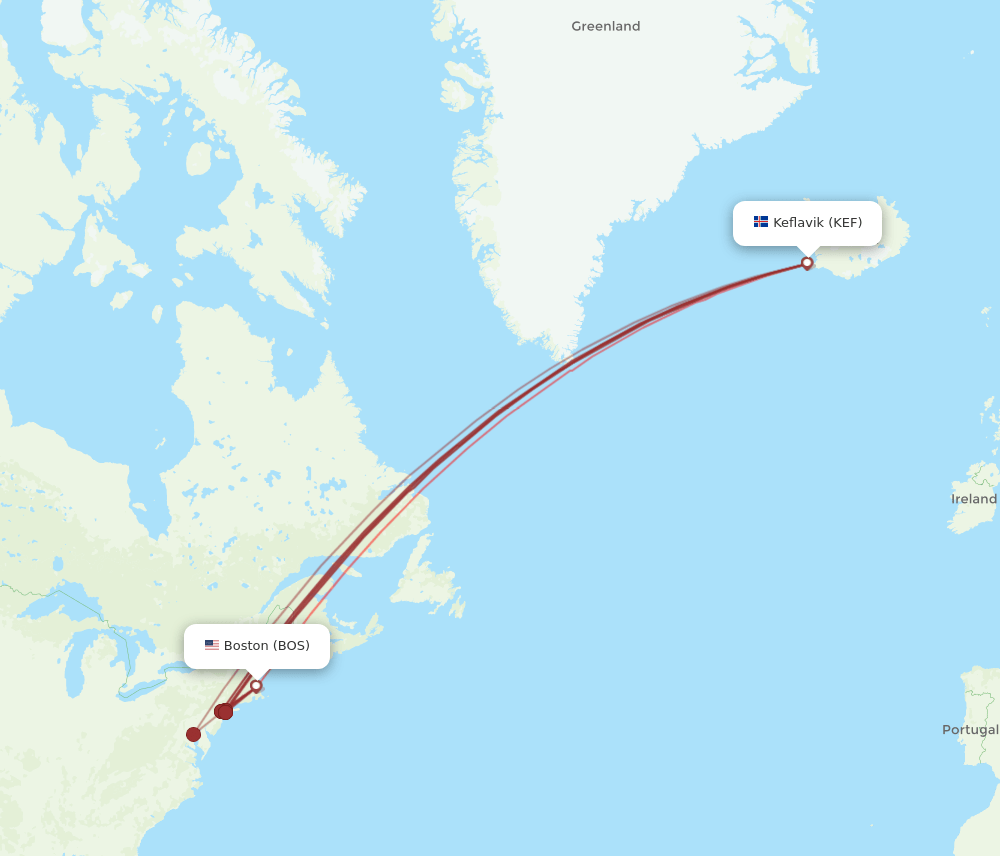
A direct, non-stop flight from Boston to Keflavík typically takes around 5 to 5.5 hours. This makes Iceland one of the most convenient European-adjacent destinations for East Coast travelers, significantly shorter than flights to major European hubs like London or Paris. Airlines like Icelandair and Play Airlines frequently offer direct routes, especially during peak travel seasons. These flights are often scheduled overnight, allowing passengers to depart Boston in the evening and arrive in Iceland early the next morning, ready to begin their adventure after a relatively short night’s rest.
What Influences Flight Duration?
While the 5-5.5 hour window is a good baseline, several factors can subtly alter the actual flight time:
- Tailwinds and Headwinds: Jet streams, powerful currents of air, can significantly affect flight duration. Flights traveling eastwards from Boston to Iceland often benefit from tailwinds, which can shorten the journey. Conversely, return flights westward against headwinds might take slightly longer, sometimes up to 6 hours or more.
- Aircraft Type: Different aircraft models have varying cruising speeds. While this usually only accounts for minor differences, it can play a small role. Modern, fuel-efficient aircraft are designed for optimal speed and comfort on transatlantic routes.
- Specific Flight Path: Air traffic control, weather systems, and strategic routing can cause slight variations in the exact flight path, which can impact the overall duration.
- Connecting Flights: If you opt for a flight with a layover (perhaps to save money or combine destinations), the total travel time will obviously be much longer, including the stopover duration. For a destination as accessible as Iceland from Boston, direct flights are highly recommended for efficiency.
Understanding these variables helps manage expectations and appreciate the marvel of modern aviation that brings such distant lands within easy reach.
Beyond the Flight: Planning Your Icelandic Adventure from Boston
A successful trip to Iceland begins long before you step onto the plane. Strategic planning, from choosing your flights to understanding local customs, is key to maximizing your experience in this extraordinary destination.
Choosing Your Icelandic Gateway: Keflavík International Airport
Your arrival point in Iceland will almost certainly be Keflavík International Airport (KEF). Located approximately 50 kilometers (31 miles) southwest of Reykjavík, KEF is the country’s main international gateway. Upon arrival, travelers have several options for reaching the capital or other destinations:
- FlyBus and Airport Direct: These are convenient and cost-effective shuttle services that operate regularly between KEF and Reykjavík city center, often dropping passengers off at major hotels or designated bus stops. They are a popular choice for their reliability and ease.
- Rental Cars: For those planning to explore Iceland’s vast landscapes independently, renting a car directly from the airport is an excellent option. This offers flexibility to drive the famous Ring Road or venture off the beaten path. Given Iceland’s often unpredictable weather and diverse terrain, opting for a 4×4 vehicle, especially outside of summer, is often advisable for safety and accessibility.
- Taxis: Taxis are available but significantly more expensive than shuttle services, making them a less common choice for most travelers heading to Reykjavík.
Essential Pre-Flight Preparations
Before your departure from Boston, several crucial steps should be addressed to ensure a smooth journey:
- Passport and Visa Requirements: For U.S. citizens, a valid passport is required for entry into Iceland. Iceland is part of the Schengen Area, meaning U.S. citizens can visit for up to 90 days within a 180-day period without a visa for tourism or business purposes. Always check the latest requirements well in advance of your travel dates.
- Best Time to Book: Like any popular destination, flight and accommodation prices in Iceland fluctuate with demand. Booking flights several months in advance, especially for summer (June-August) or peak Northern Lights viewing season (September-March), can lead to significant savings. Consider traveling during the shoulder seasons (April-May, September-October) for potentially lower prices and fewer crowds while still enjoying favorable conditions.
- Travel Insurance: Given the active nature of many Icelandic adventures and the possibility of unexpected weather events, travel insurance is highly recommended. It can cover everything from trip cancellations and medical emergencies to lost luggage.
- Currency and Budgeting: The local currency is the Icelandic Króna (ISK). While credit cards are widely accepted even in remote areas, it’s wise to carry some local currency for small purchases or emergencies. Iceland can be an expensive destination, so budgeting for accommodation, food, tours, and transportation is vital. Look into options for budget travel, such as self-catering apartments or guesthouses, if cost is a concern.
- Packing Essentials: Iceland’s weather is notoriously unpredictable, often experiencing four seasons in a day. Layering is crucial. Pack waterproof and windproof outer layers, warm base layers, sturdy hiking boots, a hat, gloves, and sunglasses. Even in summer, temperatures can be cool, and rain is always a possibility.
Immersing Yourself in Iceland: A World of Wonders Awaits
Once you’ve landed and settled in, the real adventure begins. Iceland offers an incredible array of natural attractions and cultural experiences that cater to every type of traveler.
Reykjavík and the Golden Circle: Iconic Experiences
Many visitors start their exploration in Reykjavík, the vibrant capital city. Reykjavík is a charming hub with colorful buildings, quirky shops, excellent restaurants, and a lively nightlife. Must-see landmarks include the iconic Hallgrímskirkja church, offering panoramic city views from its tower, and the stunning Harpa Concert Hall and Conference Centre with its distinctive glass facade. Explore local culture through its museums, art galleries, and renowned culinary scene, which includes fresh seafood and traditional Icelandic fare.
From Reykjavík, a day trip along the famous Golden Circle route is an absolute must. This popular tourist route covers three of Iceland’s most magnificent natural attractions:
- Þingvellir National Park: A UNESCO World Heritage site of immense historical and geological significance, where the North American and Eurasian tectonic plates meet and drift apart, creating dramatic fissures and valleys. It was also the site of Iceland’s first parliament, Alþingi, established in 930 AD.
- Geysir Hot Spring Area: Home to the famous Strokkur geyser, which erupts every 5-10 minutes, shooting boiling water high into the air. The entire area is a fascinating display of geothermal activity.
- Gullfoss Waterfall: A powerful and majestic two-tiered waterfall, often referred to as the “Golden Waterfall,” which plunges into a rugged canyon, creating stunning rainbows on sunny days.
Natural Wonders and Outdoor Activities
Beyond the Golden Circle, Iceland’s landscape unfolds into a diverse playground for outdoor enthusiasts:
- South Coast: Drive along the scenic South Coast to witness breathtaking waterfalls like Skógafoss and Seljalandsfoss (where you can walk behind the cascade!). Discover the black sand beach of Reynisfjara near Vík í Mýrdal with its dramatic basalt columns. Further east, the otherworldly Jökulsárlón Glacier Lagoon and adjacent Diamond Beach, where icebergs sparkle on black sand, are unforgettable sights.
- Blue Lagoon and Other Geothermal Spas: A visit to the iconic Blue Lagoon is a quintessential Icelandic experience, offering relaxation in geothermal waters rich in minerals. For alternative and often less crowded options, consider the Sky Lagoon near Reykjavík or Myvatn Nature Baths in the north.
- Northern Lights: From September to April, Iceland offers excellent opportunities to witness the mesmerizing aurora borealis. Chasing the Northern Lights is a quintessential winter activity, best enjoyed away from city lights. Many guided tours are available, or you can venture out on your own with a rental car.
- Adventure Activities: Iceland is a hub for adventure travel. Options include glacier hiking, ice caving, snorkeling or diving between tectonic plates in Silfra, horseback riding on Icelandic horses, whale watching, and exploring the lesser-known Snæfellsnes Peninsula, often called “Mini Iceland” for its diverse landscapes.
Understanding Icelandic Culture and Cuisine
Beyond its stunning nature, Iceland boasts a rich and unique culture shaped by its Viking heritage and isolation. Engage with locals, learn about their sagas, and appreciate their resilient spirit. The Icelandic culinary scene has evolved beyond traditional fermented shark (though you can still try it!) to embrace fresh, local ingredients. Expect delicious lamb, incredibly fresh seafood, dairy products like skyr, and a burgeoning fine dining scene, especially in Reykjavík. Don’t miss out on trying a classic Icelandic hot dog!
Accommodations and Travel Styles in Iceland
Iceland caters to a wide spectrum of travel preferences and budgets, ensuring there’s a perfect place to rest your head after a day of exploration.
From Budget-Friendly to Luxury Stays
The accommodation landscape in Iceland is diverse:
- Hotels and Resorts: In Reykjavík and larger towns, you’ll find a range of hotels, from international chains to charming boutique hotels. Luxury travelers might opt for high-end resorts that offer spa amenities and unparalleled service, often integrated with natural settings, such as hotels near the Blue Lagoon.
- Guesthouses and Farm Stays: For a more intimate and authentic experience, guesthouses and farm stays are popular, particularly in rural areas. These often provide insights into local life and offer delicious home-cooked meals.
- Apartments and Villas: Ideal for longer stays, family trips, or budget travel, self-catering apartments and villas are widely available, especially through platforms like Airbnb or Booking.com. This allows travelers to prepare their own meals, saving on dining costs.
- Hostels: For solo travelers or those on a strict budget, hostels offer dormitory-style accommodation in major towns and popular tourist areas. They are also great places to meet fellow travelers.
- Camping: During the summer months, camping is a fantastic and affordable way to experience Iceland’s nature up close. Numerous campsites are available throughout the country, often with good facilities.
Booking accommodation well in advance is highly recommended, especially during peak season, as popular options fill up quickly. Comparison websites and direct bookings can help secure the best rates and availability.
Navigating Iceland: Transportation and Logistics
How you choose to get around Iceland will heavily influence your experience:
- Rental Car: The most popular option for independent exploration. Renting a car (ideally a 4×4) provides the freedom to discover hidden gems and travel at your own pace. Be mindful of gas costs and road conditions, especially outside of major routes or during winter.
- Guided Tours: For those who prefer not to drive or are traveling solo, a multitude of guided tours are available. These range from short day trips to multi-day excursions, covering everything from the Golden Circle to glacier treks. Tour operators often handle all logistics, making them a stress-free option.
- Public Transportation: While available, public bus services are limited outside of Reykjavík and major towns, making them less practical for extensive sightseeing across the country.
Making the Most of Your Trip: Tips for an Unforgettable Journey
To ensure your Icelandic adventure is truly unforgettable, keep these tips in mind:
- Respect Nature: Iceland’s natural environment is fragile. Stick to marked paths, do not disturb wildlife, and leave no trace.
- Stay Flexible: Weather conditions can change rapidly. Be prepared to adapt your plans if necessary, especially if driving in winter. Always check road and weather conditions before heading out.
- Embrace the Water: From hot springs and geothermal pools to glacial rivers and waterfalls, water is a defining element of Iceland. Don’t forget your swimsuit and a quick-dry towel!
- Hydrate and Stay Warm: Even if you’re layering effectively, staying hydrated and keeping warm are crucial for enjoying outdoor activities.
- Learn a Few Icelandic Phrases: While English is widely spoken, learning a few basic phrases like “Góðan daginn” (Good day) or “Takk fyrir” (Thank you) can be appreciated by locals.
- Digital Connectivity: Purchase a local SIM card or rely on Wi-Fi (available in most accommodations and cafes) to stay connected. Google Maps is essential for navigation, and apps like “Veður” (weather) are invaluable.
- Consider a Multi-Stop Trip: Given the short flight time from Boston and Icelandair’s popular stopover program, you might consider extending your journey to another European city for a unique multi-destination experience.
In conclusion, the flight from Boston to Iceland is a relatively quick and straightforward journey of approximately 5 to 5.5 hours. However, the true adventure lies in the meticulous planning and thoughtful exploration that follows. By considering flight logistics, preparing for the unique climate, and immersing yourself in the country’s breathtaking landscapes and vibrant culture, your trip to Iceland from Boston promises to be an extraordinary and deeply rewarding travel experience. Get ready to discover a land unlike any other.
LifeOutOfTheBox is a participant in the Amazon Services LLC Associates Program, an affiliate advertising program designed to provide a means for sites to earn advertising fees by advertising and linking to Amazon.com. Amazon, the Amazon logo, AmazonSupply, and the AmazonSupply logo are trademarks of Amazon.com, Inc. or its affiliates. As an Amazon Associate we earn affiliate commissions from qualifying purchases.