
When planning a trip to the great state of Texas, or even considering a longer stay or business venture, understanding its unique tax landscape is crucial. Unlike many states, Texas does not impose a state income tax on individuals. This is a significant draw for residents and visitors alike, impacting everything from personal finances to the cost of doing business and even the price of your hotel room. However, this absence of income tax means other forms of taxation, particularly sales and property taxes, play a much larger role in the state’s revenue generation and, consequently, in your own budget. This article will guide you through the intricacies of calculating taxes in Texas, focusing on the aspects most relevant to travelers, tourists, and those considering accommodation or lifestyle choices within the state.
Navigating Texas Sales Tax: A Traveler’s Essential
For any visitor exploring the diverse attractions of Texas, from the vibrant music scene of Austin to the historical depth of San Antonio or the bustling metropolis of Houston, understanding sales tax is paramount to budgeting your expenses. Texas employs a complex system of state and local sales taxes, which can vary significantly from one municipality to another. This means that the price you see on a menu in Dallas might be different from the price at a similar establishment in El Paso when taxes are factored in.
The State Sales Tax Rate
The foundation of Texas sales tax is the state rate, which is currently set at 6.25%. This rate applies to the sale of most tangible personal property and certain taxable services. When you purchase souvenirs, dine at restaurants, or book accommodations, this base rate is applied. However, this is rarely the final price you will pay.
Local Sales Tax Additions
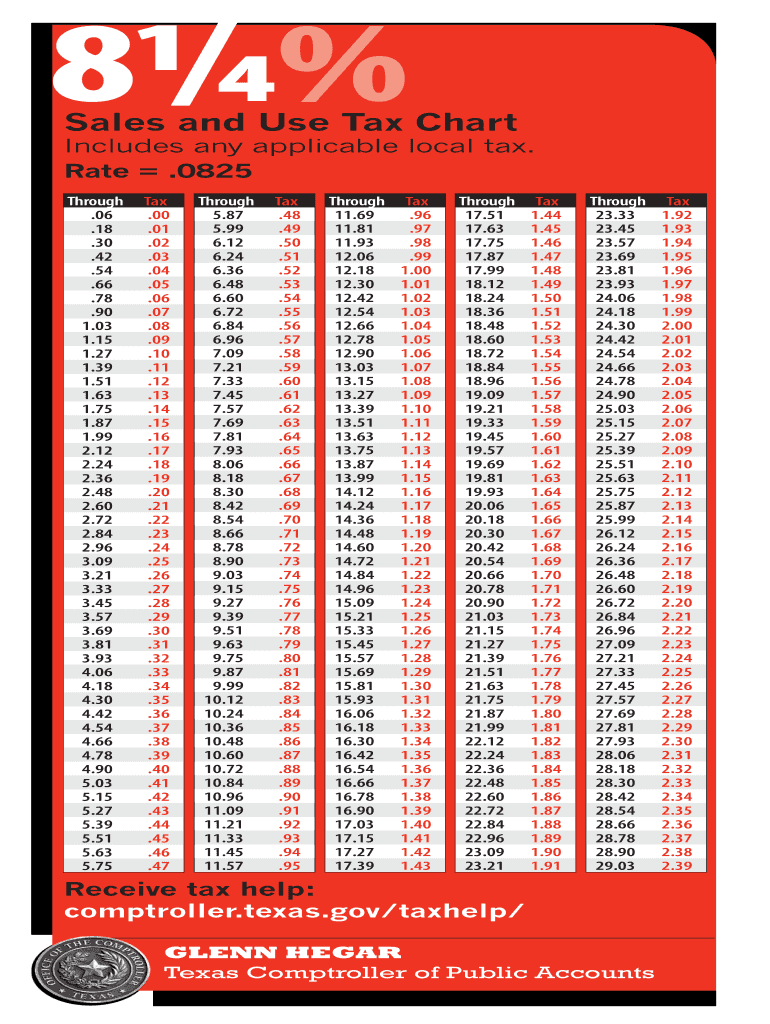
What truly differentiates the sales tax experience in Texas is the addition of local sales taxes. These are imposed by cities, counties, and special districts (such as transit authorities or flood control districts). The combined state and local sales tax rate can reach a maximum of 8.25% in most areas. Some exceptions exist, particularly in special districts, which can push the rate slightly higher in specific locations.
How it Works in Practice:
Let’s say you’re staying at the Mokara Hotel & Spa in San Antonio. The base state sales tax is 6.25%. San Antonio itself has a city sales tax, and there might be additional taxes levied by Bexar County or other relevant districts. For instance, if the combined local rate in San Antonio brings the total to 8.25%, then the price of your hotel room, minus any specific exemptions, will be subject to this 8.25% tax.
Calculating Your Total:
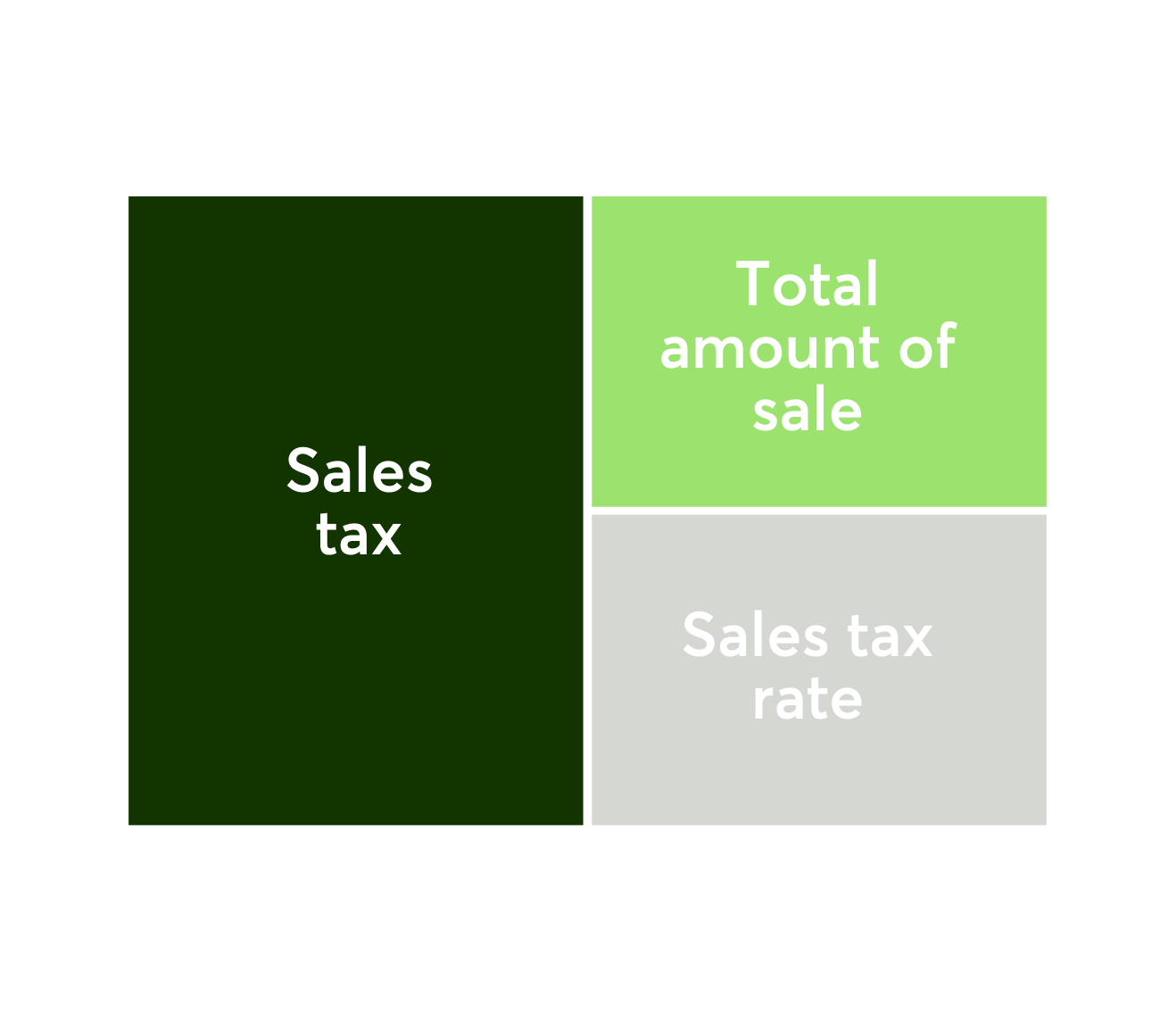
To calculate the total tax on a purchase, you simply multiply the taxable price of the item or service by the combined state and local sales tax rate for that specific location.
- Example: If a meal costs $50 in a Texas city with an 8.25% combined sales tax rate:
- Tax Amount = $50 * 0.0825 = $4.13
- Total Cost = $50 + $4.13 = $54.13
Key Considerations for Travelers:
- Variability: Always be aware that the sales tax rate can change depending on the specific city and county you are in. A quick online search for “sales tax rate [city name] [county name]” will often provide the most current information.
- Exemptions: Certain items and services are exempt from sales tax. These often include basic necessities like groceries (though prepared foods are typically taxed) and prescription drugs. Information on exemptions is available from the Texas Comptroller of Public Accounts.
- Lodging Tax: Hotels and other forms of accommodation are generally subject to sales tax, often with an additional local hotel occupancy tax. This occupancy tax helps fund tourism promotion and local infrastructure. So, when booking your suite at the The Driskill in Austin or a villa at The Ritz-Carlton, Dallas, factor in both the sales tax and the occupancy tax.
- Services: Many services are also taxable in Texas, including repair services, admissions to amusement, entertainment, and recreational activities. This means tickets to events at AT&T Stadium or a guided tour of the Alamo will likely include sales tax.
Property Taxes: A Resident and Investor’s Concern
While less of an immediate concern for a short-term traveler, property taxes are a significant factor for anyone considering buying a home, investing in real estate, or staying in Texas for an extended period, perhaps in a vacation apartment or a long-term rental villa. Texas has some of the highest property taxes in the nation. Unlike sales tax, which is set at the state and local level and then combined, property taxes are determined at the local level, by appraisal districts and taxing units (like school districts, cities, and counties).

Understanding Property Tax Assessments
- Appraisal: The first step in determining your property tax is the appraisal of your property’s value. This is typically done by a county appraisal district. They assess the market value of your property as of January 1st of each year. For homeowners, homestead exemptions can significantly reduce the appraised value for tax purposes.
- Tax Rate (Millage Rate): Once your property is appraised, the relevant taxing units (school district, city, county, etc.) set their individual tax rates. These rates are expressed in “mills,” where one mill is equal to $1 of tax for every $1,000 of taxable value.
- Calculating Your Tax Bill: Your total property tax bill is calculated by multiplying your taxable property value (after any exemptions) by the sum of the millage rates from all the taxing units that have jurisdiction over your property.
- Formula: Property Tax = (Assessed Value – Exemptions) * (Sum of Millage Rates)
Example:
Imagine you own a home in a Texas county.
-
The appraisal district values your home at $300,000.
-
You qualify for a $25,000 homestead exemption. Your taxable value is $300,000 – $25,000 = $275,000.
-
The local school district has a millage rate of 1.25% (12.5 mills).
-
The city has a millage rate of 0.75% (7.5 mills).
-
The county has a millage rate of 0.40% (4.0 mills).
-
Total millage rate = 12.5 + 7.5 + 4.0 = 24.0 mills, or 2.4%.
-
Property Tax Bill: $275,000 * 0.024 = $6,600
Factors Influencing Property Taxes in Texas:
- School Districts: School funding is heavily reliant on property taxes, making school district rates a significant component of your overall property tax burden. This is a crucial factor for families considering relocation or long-term accommodation.
- Local Government Spending: The tax rates set by cities and counties reflect their spending on services like police, fire protection, roads, and parks.
- Property Values: As property values increase, so does the potential tax revenue for local governments. This can lead to higher tax bills, even if the tax rates remain the same.
- Exemptions: Various exemptions are available, including homestead exemptions for primary residences, exemptions for seniors, and exemptions for disabled individuals. Maximizing these exemptions is key to managing your property tax liability.
For those looking at luxury travel or extended stays, understanding property taxes is also relevant for understanding the cost of luxury apartments or villas, even if you are renting. The landlord’s property tax expense is often factored into rental rates.
Other Tax Considerations in Texas
While sales and property taxes are the most impactful for the average person interacting with Texas, there are a few other tax considerations to keep in mind, particularly for businesses or those involved in specific transactions.
Franchise Tax
Businesses operating in Texas are subject to a franchise tax. This is not an income tax but rather a tax on the privilege of doing business in the state. It is levied on corporations, partnerships, limited liability companies, and other business entities. The franchise tax rate depends on the entity’s gross receipts and whether they choose to report based on cost of goods sold or compensation. Many small businesses with less than a certain amount of gross receipts are exempt from filing and paying the franchise tax.
Specific Industry Taxes
Certain industries may be subject to specific taxes and fees. For example, the oil and gas industry faces severance taxes on the extraction of natural resources. Tourism-related businesses, as mentioned earlier, often deal with occupancy taxes that fund local tourism efforts.
No State Income Tax: The Big Picture
It’s worth reiterating the absence of a state income tax. This is a major policy choice in Texas that significantly impacts its appeal. For individuals, this means more disposable income compared to states with income taxes, which can influence lifestyle choices, from where to live to how much to spend on travel and leisure. For businesses, it’s a factor in relocation and expansion decisions.
When planning your adventures, from exploring the natural beauty of Big Bend National Park to enjoying the culinary scene in Galveston, being mindful of the sales tax will help you budget more effectively. If you’re considering a more permanent stay or investment, a thorough understanding of property taxes will be essential for your financial planning. Texas offers a unique tax environment, and navigating it wisely will ensure a smoother and more enjoyable experience, whether you’re on a brief visit or establishing a long-term presence.
LifeOutOfTheBox is a participant in the Amazon Services LLC Associates Program, an affiliate advertising program designed to provide a means for sites to earn advertising fees by advertising and linking to Amazon.com. Amazon, the Amazon logo, AmazonSupply, and the AmazonSupply logo are trademarks of Amazon.com, Inc. or its affiliates. As an Amazon Associate we earn affiliate commissions from qualifying purchases.