
The journey from the historic streets of Boston, Massachusetts, to the dazzling lights of Las Vegas, Nevada, is a quintessential transcontinental flight within the United States. Spanning roughly 2,300 to 2,400 air miles (approximately 3,700 to 3,860 kilometers), this route connects two vastly different, yet equally vibrant, American cities. For travelers planning this cross-country trip, understanding the nuances of flight duration is crucial for seamless itinerary planning and managing expectations.
The Non-Stop Journey: Expecting Direct Flight Durations
For those prioritizing efficiency and minimal travel time, a direct flight is undoubtedly the preferred option from Boston to Las Vegas. These non-stop services offer the quickest way to bridge the geographical expanse between the East Coast and the West Coast.
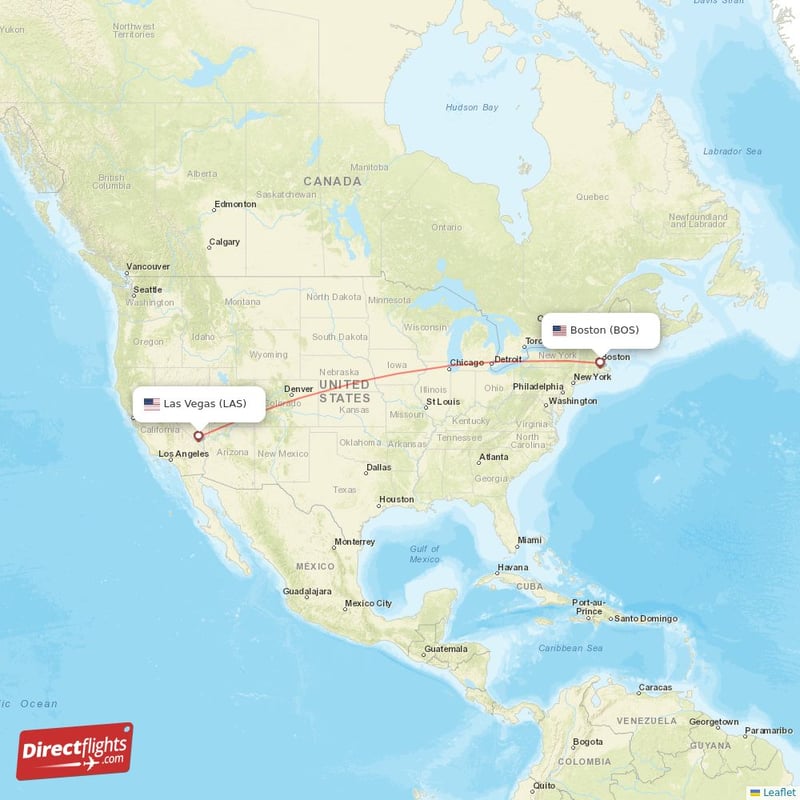
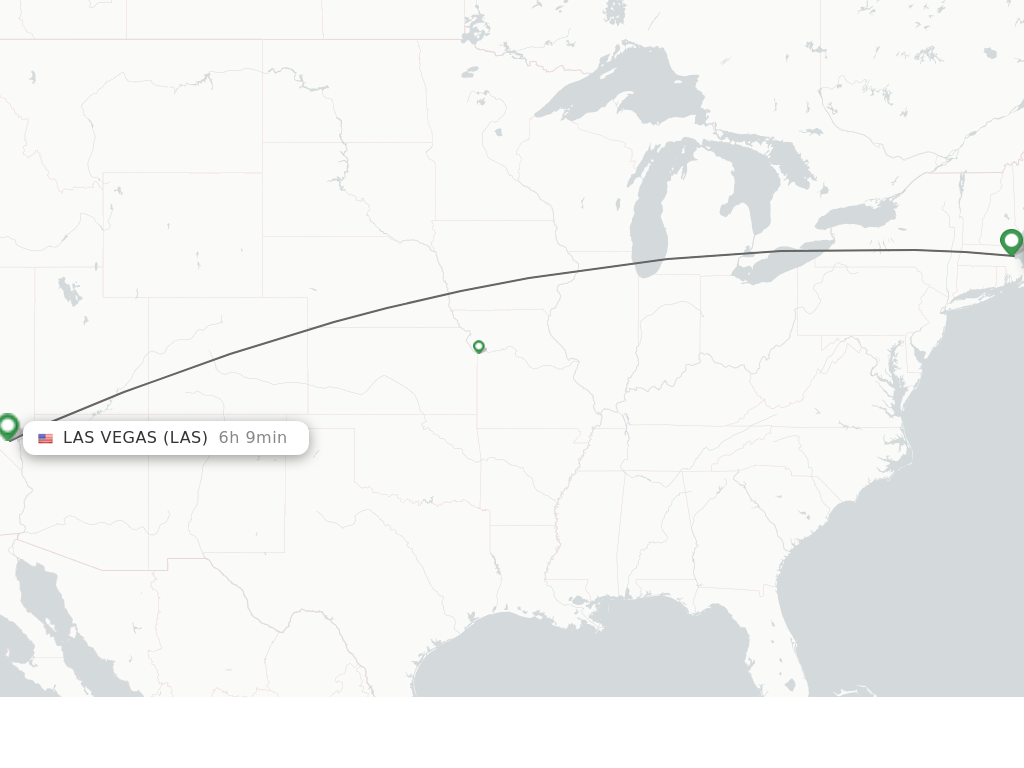
Typically, a non-stop flight from Boston Logan International Airport (BOS) to Harry Reid International Airport (LAS) will clock in at approximately 5 hours and 30 minutes to 6 hours. This estimated time covers the actual airborne duration, from takeoff to the moment the aircraft touches down on the runway. It’s important to note that this figure represents the flight time itself, not the total door-to-door travel experience, which must account for pre-flight check-ins, security screenings, boarding procedures, and post-landing taxiing and deplaning.
Several major airlines offer direct routes connecting these two cities, providing a range of schedules and pricing options. Carriers such as JetBlue Airways, Delta Air Lines, Southwest Airlines, and American Airlines frequently operate these non-stop services. The availability of these direct flights can vary by season, day of the week, and airline operational adjustments, making it prudent to book well in advance, especially during peak travel periods.
Navigating Layovers: The Impact of Connecting Flights
While direct flights offer convenience, they are not always the most economical or readily available option. Many travelers opt for connecting flights, which can significantly extend the overall travel time but often come with a more attractive price tag. Understanding the dynamics of connecting flights is vital for planning a successful journey.
The total duration of a connecting flight can range anywhere from 7 hours to 12 hours or more, depending heavily on the layover city and the length of the stopover. Common layover hubs for flights originating from Boston and heading west include major airports in cities like Chicago (O’Hare International Airport or Midway International Airport), Denver (Denver International Airport), Dallas (Dallas/Fort Worth International Airport), and Atlanta (Hartsfield-Jackson Atlanta International Airport).
Considerations for Connecting Flights:
- Layover Duration: A short layover (e.g., 60-90 minutes) minimizes overall travel time but leaves little room for delays. A longer layover (2-4 hours) offers a buffer, reduces stress, and allows for comfort breaks, but naturally increases the total journey length. Very long layovers (5+ hours) might be suitable for those who wish to briefly explore the layover city, though this is less common for a domestic Boston to Las Vegas route.
- Airline Consistency: Sticking with the same airline or alliance partners for all legs of a connecting flight can simplify baggage handling and rebooking in case of delays.
- Terminal Changes: In larger airports, flights might arrive and depart from different terminals, requiring additional time for transit via shuttles or moving walkways. Factor this into your layover time.
- Time of Day: Early morning connections might face fewer delays than afternoon or evening flights due to cascading effects of earlier disruptions.
While connecting flights may demand more patience, they often open up more flexible scheduling options and can be a strategic choice for budget-conscious travelers.
Unpredictable Variables: Factors Affecting Flight Time
Even for direct flights, the stated duration is an estimate. Several dynamic factors can influence the actual time spent in the air, leading to slight variations from one journey to the next.
Atmospheric Conditions
One of the most significant natural influences on flight duration is the wind.
- Jet Stream: Flights from west to east across the United States often benefit from the powerful jet stream, a high-altitude band of fast-moving air that acts as a tailwind, significantly reducing flight times. Conversely, flights from east to west, such as Boston to Las Vegas, typically fly against these prevailing winds.
- Headwinds and Tailwinds: Strong headwinds can add 30 minutes to an hour or even more to an eastbound flight. While the jet stream generally favors westbound flights at certain altitudes, localized headwinds are common and necessitate a longer flight duration for fuel efficiency and comfort. Conversely, a favorable tailwind could shave off precious minutes.
- Weather Disturbances: Significant weather systems, such as thunderstorms or blizzards, can necessitate rerouting flights to avoid turbulent areas, adding miles and minutes to the journey.
Air Traffic and Routing
The busy airspace of the United States is meticulously managed by Air Traffic Control (ATC).
- Air Traffic Control Delays: Congestion at either Boston Logan International Airport or Harry Reid International Airport, or in the airspace in between, can lead to ground delays (waiting for takeoff clearance), holding patterns (circling in the air before landing), or adjustments to the flight path.
- Flight Path Optimization: While airlines aim for the most direct “great circle” route, ATC may issue specific routing instructions to manage traffic flow, especially over densely populated areas or military airspace, slightly altering the total distance flown.
Aircraft Specifics
The type of aircraft used for the flight can also play a minor role in overall speed.
- Aircraft Model: Different aircraft models have varying optimal cruising speeds and altitudes. For instance, a Boeing 737 or Airbus A320 will have slightly different performance characteristics compared to larger wide-body jets, although wide-body aircraft are less common on this specific domestic route. These differences are usually accounted for in the airline’s scheduled flight times but can contribute to minor variances.
Preparing for Your Transcontinental Journey
Given the substantial length of the Boston to Las Vegas flight, preparation is key to ensuring a comfortable and smooth experience.
Understanding Time Zones
One critical aspect of this journey is the significant time zone change. Boston operates in the Eastern Time Zone (ET), while Las Vegas is in the Pacific Time Zone (PT). This means a three-hour time difference. If you depart Boston at 9:00 AM ET on a 5.5-hour direct flight, you will arrive in Las Vegas around 2:30 PM ET, but locally, it will only be 11:30 AM PT. This “gain” of three hours on arrival can be a pleasant surprise for travelers, providing extra daylight hours upon landing, but the physiological adjustment for jet lag may still be a factor for some.
Tips for Comfort During a Cross-Country Flight:
- Stay Hydrated: The dry cabin air can be dehydrating. Drink plenty of water before and during your flight.
- Dress Comfortably: Wear loose-fitting clothing and comfortable shoes. Layers are advisable to adapt to fluctuating cabin temperatures.
- Move Around: Periodically get up to stretch or walk the aisle to promote circulation, especially on longer flights.
- In-Flight Entertainment: Load up your devices with movies, podcasts, or e-books. Many airlines offer seat-back entertainment, but having your own options is always a good backup.
- Noise-Canceling Headphones: These can be invaluable for reducing engine noise and other cabin sounds, allowing for a more peaceful journey or better sleep.
- Snacks: While some airlines offer complimentary snacks, having your preferred healthy options on hand can be a great way to avoid hunger pangs or subpar choices.

Pre-Flight Checks and Real-Time Tracking
Before heading to the airport, always confirm your flight status through the airline’s app or website. This will provide the most up-to-date information on departure times, gate changes, and any potential delays. Utilizing real-time flight tracking apps can also give you a clear picture of your aircraft’s journey and estimated arrival, helping you adjust your plans accordingly.
In summary, a direct flight from Boston to Las Vegas typically spans 5.5 to 6 hours in the air. However, factors like layovers, weather, and air traffic can extend this to a much longer travel day. By understanding these variables and preparing thoughtfully, travelers can ensure a smooth and enjoyable transition from the historical charm of Boston to the energetic allure of Las Vegas.
LifeOutOfTheBox is a participant in the Amazon Services LLC Associates Program, an affiliate advertising program designed to provide a means for sites to earn advertising fees by advertising and linking to Amazon.com. Amazon, the Amazon logo, AmazonSupply, and the AmazonSupply logo are trademarks of Amazon.com, Inc. or its affiliates. As an Amazon Associate we earn affiliate commissions from qualifying purchases.