
San Francisco, a city synonymous with iconic landmarks, rolling fog, and a vibrant cultural tapestry, presents a unique transportation dilemma for visitors and residents alike. The question of whether a car is a necessity or a liability in this famously hilly and densely populated metropolis is a perennial one. Navigating the pros and cons requires a deep dive into the city’s infrastructure, public transit options, parking realities, and the overall experience of getting around.
The Allure of the Open Road vs. Urban Realities
The idea of having a car in any city often evokes a sense of freedom. The ability to spontaneously embark on a scenic drive along the coast, explore far-flung neighborhoods, or escape the city for a weekend retreat is undeniably appealing. In the context of San Francisco, this might translate to dreams of cruising across the Golden Gate Bridge at sunset, venturing into the Muir Woods National Monument for a redwood escape, or easily accessing the wineries of Napa Valley or Sonoma County.
However, San Francisco is not a city that readily accommodates personal vehicles. Its charming, often narrow, streets were laid out long before the automobile age, and its topography – with its infamous inclines – can make driving a strenuous affair. Congestion is a constant companion, particularly during peak hours, turning what should be a short journey into a frustrating crawl. Furthermore, the city’s commitment to promoting sustainable transportation means that certain areas prioritize pedestrians and cyclists, sometimes at the expense of vehicle flow.
Parking: The Ultimate Urban Challenge
Perhaps the most significant deterrent to car ownership or rental in San Francisco is the challenge of parking. Street parking is notoriously scarce, highly competitive, and often subject to restrictive time limits, permit requirements, and street cleaning schedules. Finding a legal spot, especially in popular neighborhoods like North Beach, The Mission District, or near Alcatraz Cruises, can feel like a victory in itself.
When street parking is impossible, garages and lots offer a solution, but at a steep price. Daily rates can easily exceed $30-$50, and monthly parking for residents can climb into the hundreds of dollars. This added expense, combined with the potential for parking tickets and the stress of constantly circling for a spot, can quickly negate any perceived benefits of having a vehicle. The risk of vehicle break-ins, while not unique to San Francisco, is also a concern that many car owners grapple with.
Public Transportation: The Backbone of the City
San Francisco boasts a comprehensive and generally efficient public transportation system, making it feasible, and often preferable, to navigate the city without a car. This network is the primary reason why many residents choose to forgo personal vehicles and why visitors can confidently explore without one.
Muni: The City’s Arteries
The San Francisco Municipal Transportation Agency (SFMTA), commonly known as Muni, operates a vast array of services, including buses, historic streetcars, light rail (the Muni Metro), and the iconic cable cars.
- Buses: Muni buses cover nearly every corner of the city, offering a frequent and reliable way to get from one neighborhood to another. Routes are extensive, and while they can be affected by traffic, they often have dedicated bus lanes to improve efficiency.
- Muni Metro: This light rail system connects downtown San Francisco with neighborhoods to the west and south, and importantly, extends to cities in the San Francisco Peninsula and the East Bay via the Transbay Transit Center. It’s an excellent option for longer commutes within the city and for reaching the San Francisco International Airport (SFO).
- Streetcars: The historic F-Line streetcar runs along the Embarcadero and Market Street, offering a scenic and charming way to travel between major waterfront attractions like Fisherman’s Wharf and the Ferry Building Marketplace.
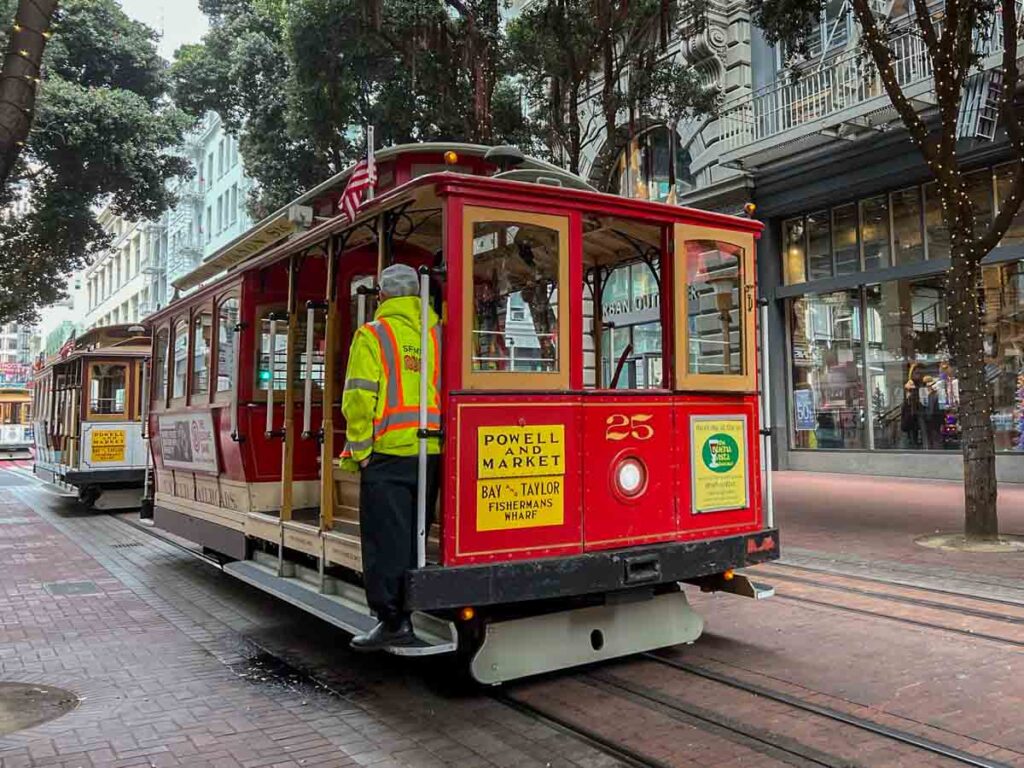
- Cable Cars: While not primarily a commuting tool, the historic Cable Cars are a must-do San Francisco experience. They offer unparalleled views and a unique way to conquer some of the city’s steepest hills. However, they are often crowded with tourists and can involve long wait times.
BART: Connecting the Bay Area
For travel beyond the immediate city limits, the Bay Area Rapid Transit (BART) system is indispensable. BART connects San Francisco with the East Bay (including cities like Oakland and Berkeley), the Peninsula, and the airport. Its efficient underground and transbay tubes make it a fast and reliable option for regional travel, circumventing traffic entirely.
Other Public Transit Options
Beyond Muni and BART, San Francisco benefits from a robust network of regional transit agencies. These include AC Transit (for the East Bay), SamTrans (for the San Mateo County), and Caltrain (for the Peninsula and South Bay). These connections are crucial for those working or traveling extensively throughout the wider Bay Area.
Ride-Sharing and Car-Sharing: The Hybrid Solution
For those who occasionally need the flexibility of a car but don’t want the commitment of ownership, ride-sharing and car-sharing services offer a compelling middle ground.
The Ubiquity of Ride-Sharing
Companies like Uber and Lyft are a dominant force in San Francisco’s transportation landscape. They are readily available across the city, offering on-demand rides at competitive prices. For short trips, late-night travel when public transit might be less frequent, or for reaching destinations not easily served by Muni, ride-sharing is often the most convenient and cost-effective option compared to owning a car or relying solely on taxis.
Car-Sharing Services
Car-sharing platforms like Zipcar provide another excellent alternative. These services allow users to rent cars by the hour or day, with most vehicles conveniently located in designated parking spots throughout the city. This is ideal for those who need a car for a specific errand, a day trip out of town, or to transport larger items. The cost typically includes insurance and gas, simplifying the expense of occasional car use.
When a Car Might Still Be Beneficial
Despite the strong arguments against needing a car, there are specific circumstances where having one can significantly enhance your experience or necessity.
Exploring Beyond the City Limits
If your primary intention for visiting San Francisco is to use it as a base for extensive exploration of the surrounding regions, a car becomes more advantageous. This includes:
- Wine Country: Trips to Napa Valley or Sonoma County are significantly easier with a car, allowing you to visit multiple wineries, enjoy the scenic drives, and manage your own schedule. While tours are available, they offer less flexibility.
- Coastal Drives: The stunning Pacific Coast Highway (Highway 1) beckons with its dramatic cliffs and ocean vistas. Driving allows you to stop at viewpoints, explore charming coastal towns like Half Moon Bay, and reach more remote beaches and hiking trails.
- National and State Parks: Accessing parks like Point Reyes National Seashore or further afield destinations such as Yosemite National Park is far more practical with a personal vehicle, especially if you plan to visit multiple sites or engage in activities that require transporting gear.
- Silicon Valley and Peninsula Exploration: If your visit involves business or leisure in the South Bay, including cities like Palo Alto and Mountain View, a car provides more direct access and flexibility than relying solely on Caltrain and local transit.
Specific Travel Needs
- Families with Young Children: While doable, navigating public transit with strollers, multiple bags, and young children can be challenging. A car offers added convenience for managing nap times, carrying supplies, and dealing with unpredictable needs.
- Mobility Challenges: For individuals with significant mobility issues, the accessibility and convenience of a personal vehicle or readily available ride-sharing services might be essential, especially in areas where public transit infrastructure may not be fully adapted.
- Hauling Equipment: If your trip involves carrying specialized equipment for outdoor activities, photography, or other hobbies, a car provides the necessary space.

The Verdict: A Calculated Decision
Ultimately, the decision of whether you need a car in San Francisco hinges on your travel style, itinerary, and personal priorities. For most visitors whose focus is on exploring the city’s distinct neighborhoods, iconic attractions like the Palace of Fine Arts, and the vibrant Chinatown, a car is more of a hindrance than a help. The excellent public transit system, combined with the convenience of ride-sharing, offers a seamless and often more enjoyable way to experience the urban core.
However, if your plans extend beyond the city limits, encompassing wine country tours, coastal adventures, or extensive exploration of the wider Bay Area, then renting a car or utilizing car-sharing services becomes a more compelling proposition. Weigh the cost of parking, the stress of navigating city traffic, and the availability of public transport against the freedom and flexibility a car provides for your specific San Francisco adventure. For many, a car-free existence within the city’s limits is not only possible but preferable.
LifeOutOfTheBox is a participant in the Amazon Services LLC Associates Program, an affiliate advertising program designed to provide a means for sites to earn advertising fees by advertising and linking to Amazon.com. Amazon, the Amazon logo, AmazonSupply, and the AmazonSupply logo are trademarks of Amazon.com, Inc. or its affiliates. As an Amazon Associate we earn affiliate commissions from qualifying purchases.