
Embarking on a journey from the bustling metropolis of Chicago to the sun-drenched shores of San Diego is a popular itinerary for both business travelers and leisure seekers alike. While the precise duration of a flight can vary due to a multitude of factors, understanding the typical travel times, potential layovers, and the broader context of the journey is crucial for effective planning. This article delves into the intricacies of this transcontinental flight, offering insights to help you prepare for a smooth and enjoyable trip.
Understanding the Direct Flight Duration
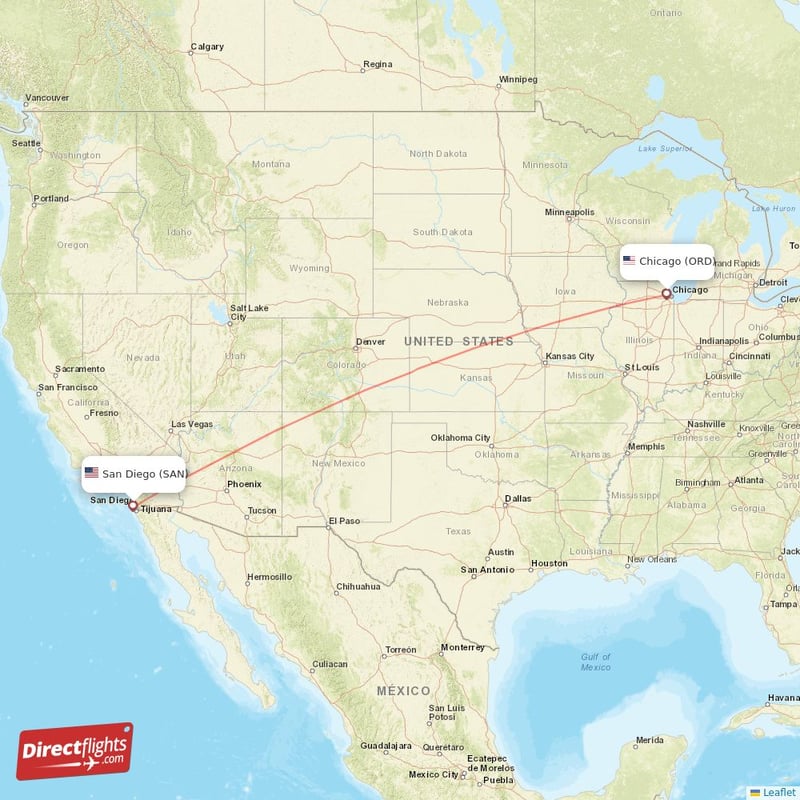
For travelers prioritizing speed and convenience, a direct flight is the most efficient way to cover the approximately 1,750 miles (2,816 kilometers) separating Chicago and San Diego.
Typical Direct Flight Times
A non-stop flight from Chicago to San Diego generally takes between 4 hours and 15 minutes to 4 hours and 45 minutes. This estimate covers the actual time spent in the air from takeoff to landing. The exact duration can fluctuate based on specific routes, the type of aircraft, and air traffic control directives. For instance, flights often benefit from prevailing westerly winds, which can slightly shorten the westbound journey compared to eastbound routes.
Major Airports Serving the Route
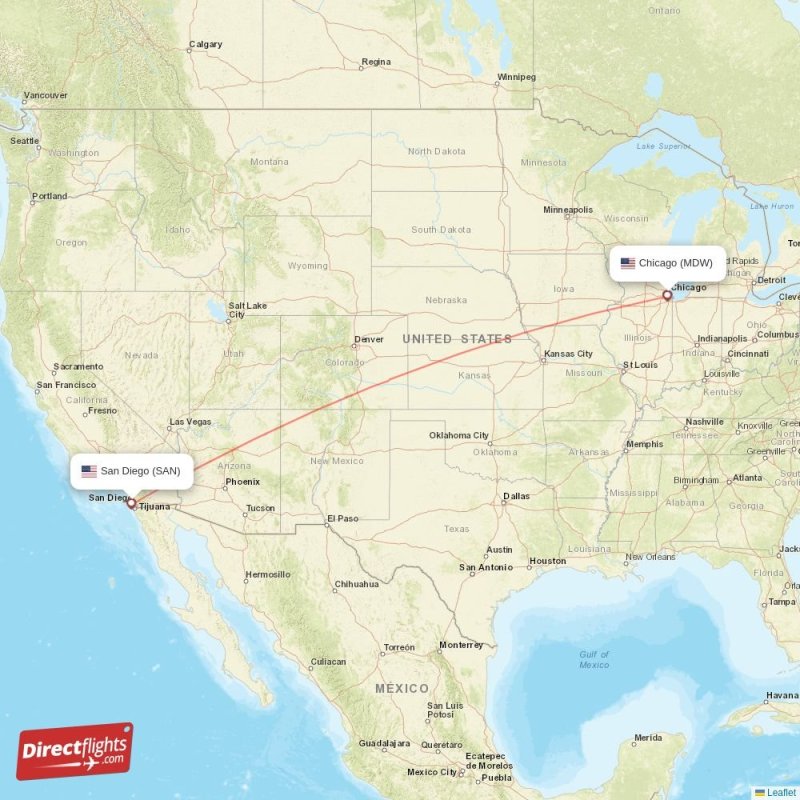
Travelers departing from Chicago have two primary international airports at their disposal: O’Hare International Airport (ORD) and Midway International Airport (MDW). Most direct flights to San Diego International Airport (SAN) originate from O’Hare due to its larger capacity and broader network of airlines. However, Midway also offers direct options, often appealing to travelers seeking a smaller, more manageable airport experience.
Airlines frequently operating direct flights on this route include major carriers such as United Airlines, American Airlines, Southwest Airlines, and Alaska Airlines. Each airline may have slightly different scheduling and aircraft types, which can subtly impact the flight time.
Factors Influencing Direct Flight Duration
Several elements can contribute to variations in direct flight times:
- Aircraft Type: Different aircraft models have varying cruising speeds. Newer, more efficient planes might complete the journey slightly faster.
- Headwinds/Tailwinds: Strong tailwinds (winds blowing in the same direction as the flight) can reduce flight time, while headwinds can increase it. This is a significant factor in transcontinental travel.
- Air Traffic Control (ATC): Delays due to congested airspace, rerouting, or ground holds at either departure or arrival airports can add minutes to the overall flight duration.
- Route Optimization: Pilots and ATC constantly adjust flight paths to avoid adverse weather, turbulence, or restricted airspace, which can marginally alter the flight time.
Navigating Connecting Flights and Layover Impact
While direct flights are the quickest, connecting flights are a common reality for many travelers, often due to cost savings, preferred airline loyalty, or more convenient timing. Understanding their impact on total travel time is essential.
When Connecting Flights Become an Option
Connecting flights typically become a consideration when:
- Direct flights are unavailable: This can happen during off-peak seasons or if direct routes are limited for specific dates.
- Cost efficiency: Flights with one or more stops are frequently less expensive than direct options.
- Airline preference: Travelers loyal to an airline that doesn’t offer a direct route might opt for a connecting flight through that airline’s hub.
- Scheduling flexibility: Connecting flights often provide a wider array of departure and arrival times.
Common Layover Cities
For a flight from Chicago to San Diego, common layover cities are usually major airline hubs located in the central or western United States. These include:
- Denver, Colorado (DEN)
- Phoenix, Arizona (PHX)
- Dallas, Texas (DFW or DAL)
- Las Vegas, Nevada (LAS)
- Salt Lake City, Utah (SLC)
How Layovers Affect Total Travel Time
The inclusion of a layover significantly extends the total travel time. While the combined flight segments might only be slightly longer than a direct flight, the time spent on the ground during the layover adds hours to the journey.
- Short Layovers: A short layover can range from 45 minutes to 2 hours. While appealing for efficiency, they carry the risk of missed connections if the first flight is delayed.
- Standard Layovers: Most connecting flights have layovers between 2 and 4 hours, providing ample time to deplane, navigate the airport, and board the next flight without excessive rush.
- Long Layovers: Layovers exceeding 4-5 hours can make for a very long travel day. While sometimes unavoidable, these can be taxing. Some travelers intentionally choose very long layovers (e.g., 8+ hours) to briefly explore the layover city, turning a necessary stop into an added experience.
When planning, always consider the total “door-to-door” time, which includes transportation to the departure airport, check-in, security, flight time, layovers, and ground transportation from the arrival airport. For a connecting flight, this total journey can easily span 7 to 10 hours or even more, far exceeding the actual airtime.
Beyond the Flight Time: Total Travel Journey
While the flight duration is a central piece of the puzzle, a realistic understanding of the entire travel journey requires accounting for all phases, from leaving your home in Chicago to arriving at your final destination in San Diego.
Airport Arrival and Security
The journey begins long before takeoff. For domestic flights, most airlines and travel experts recommend arriving at the airport at least 2 hours before scheduled departure. This allows ample time for:
- Check-in: If you have checked luggage, you’ll need to allocate time for baggage drop-off. Even with online check-in, queues can form.
- Security Screening: This is often the most unpredictable part of the pre-flight process. Lines at O’Hare or Midway can be lengthy, especially during peak travel times (mornings, evenings, holidays). Programs like TSA PreCheck or Clear can significantly expedite this process for eligible travelers.
Factoring in transport time to the airport (which can be substantial in Chicago traffic) means leaving your home potentially 3-4 hours before your flight’s scheduled departure.
Boarding and Deplaning
Once past security, the boarding process itself adds to the overall journey time. Airlines typically begin boarding 30 to 45 minutes before departure. Passengers are called in groups, and the process takes time as everyone settles in. After landing at San Diego International Airport, deplaning can take 10-20 minutes, followed by potentially another 15-30 minutes to retrieve checked baggage.
Ground Transportation in San Diego
Upon arrival at San Diego International Airport (SAN), your journey continues with ground transportation to your ultimate destination. San Diego offers various options:
- Taxis and Ride-Shares: Readily available outside the terminals. A ride to Downtown San Diego or the Gaslamp Quarter typically takes 10-20 minutes, depending on traffic.
- Public Transportation: The Metropolitan Transit System (MTS) offers bus services connecting the airport to various parts of the city, including the Downtown area where you can transfer to trolleys. This is generally more economical but takes longer.
- Shuttles and Hotel Transfers: Many hotels and resorts offer shuttle services, or you can book shared-ride shuttles to specific areas like La Jolla or Coronado.
- Rental Cars: Numerous rental car agencies operate at SAN, accessible via a short shuttle ride from the terminals. Picking up a rental car can add 30-60 minutes to your post-flight process.
Factoring in these ground transportation times, a direct flight from Chicago to San Diego could mean a total travel time from your Chicago doorstep to your San Diego lodging of anywhere from 6 to 8 hours.
Optimizing Your Travel Experience
Maximizing comfort and efficiency for your flight from Chicago to San Diego involves strategic planning beyond just understanding flight times.
Best Time to Book and Fly
- Booking: Generally, booking flights 1-3 months in advance for domestic travel yields the best prices. Flexibility with travel dates can also lead to significant savings.
- Time of Year: Peak travel seasons (summer, holidays) will see higher fares and fuller flights. Traveling during shoulder seasons (spring and fall) or off-peak months can be more economical and offer a more relaxed experience.
- Day of the Week: Mid-week flights (Tuesday, Wednesday) are often cheaper and less crowded than weekend travel. Early morning or late-night flights can also sometimes offer better deals and fewer delays.
In-Flight Comfort and Entertainment
A 4.5-hour flight is long enough to warrant attention to in-flight comfort.
- Seat Selection: If possible, choose a seat that suits your preference. Aisle seats offer easier access, while window seats provide views and a wall to lean on. Exit row or premium economy seats offer extra legroom for a more comfortable journey.
- Essentials: Pack a small bag with essentials like a neck pillow, eye mask, earplugs/noise-canceling headphones, and a light blanket or wrap. A refillable water bottle is also a good idea to stay hydrated.
- Entertainment: While many airlines offer in-flight Wi-Fi and entertainment systems, downloading movies, podcasts, or e-books beforehand ensures you have options regardless of connectivity.
Managing Time Zones and Jet Lag
Traveling from Chicago (which observes the Central Time Zone) to San Diego (on the Pacific Time Zone) involves a two-hour time difference. This westward shift generally results in less severe jet lag than eastward travel, as you gain time.
- Adjust Beforehand: A few days before your trip, try shifting your sleep schedule by an hour or so towards San Diego’s time.
- Stay Hydrated: Drink plenty of water before, during, and after your flight to combat dehydration, which can exacerbate jet lag symptoms.
- Embrace the New Time: Upon arrival, try to immediately adjust to San Diego time. Expose yourself to natural light during the day and avoid napping for too long.
- Light Exercise: A walk or light activity upon arrival can help your body adjust and improve sleep quality later.
Why San Diego is Worth the Journey
Despite the various components that contribute to the total travel time, the destination undeniably makes the journey worthwhile. San Diego, often called “America’s Finest City,” offers a vibrant array of attractions and experiences that appeal to a wide range of travelers.
From its pristine beaches and year-round pleasant climate to its rich cultural scene and diverse culinary landscape, San Diego promises a memorable escape. Visitors can explore the historic Gaslamp Quarter, discover world-class museums and gardens in Balboa Park, marvel at exotic animals at the San Diego Zoo, or simply relax on the picturesque shores of La Jolla. The welcoming atmosphere and abundance of activities make the several hours of travel from Chicago a small price to pay for the experiences that await.
LifeOutOfTheBox is a participant in the Amazon Services LLC Associates Program, an affiliate advertising program designed to provide a means for sites to earn advertising fees by advertising and linking to Amazon.com. Amazon, the Amazon logo, AmazonSupply, and the AmazonSupply logo are trademarks of Amazon.com, Inc. or its affiliates. As an Amazon Associate we earn affiliate commissions from qualifying purchases.