
Embarking on a journey from the vibrant shores of Miami, Florida, to the sun-drenched island of Puerto Rico is a popular and relatively swift travel undertaking for many. Whether you’re planning a quick weekend getaway, a much-needed tropical escape, or a business trip, understanding the logistics of this flight path is crucial for a smooth and enjoyable travel experience. This article delves into the precise flight duration, the various factors that can influence it, and essential tips for planning your trip, ensuring you’re well-prepared for your adventure to the “Island of Enchantment.” The journey is more than just a flight; it’s the gateway to an unforgettable Caribbean experience, and knowing what to expect in terms of travel time is the first step in crafting your perfect itinerary.
The Direct Answer: Flight Duration and Influencing Factors
For travelers eager to swap the South Florida cityscape for Puerto Rico’s stunning beaches and rich cultural tapestry, the good news is that the flight is relatively short, making it an accessible destination for many US residents.
Average Direct Flight Time
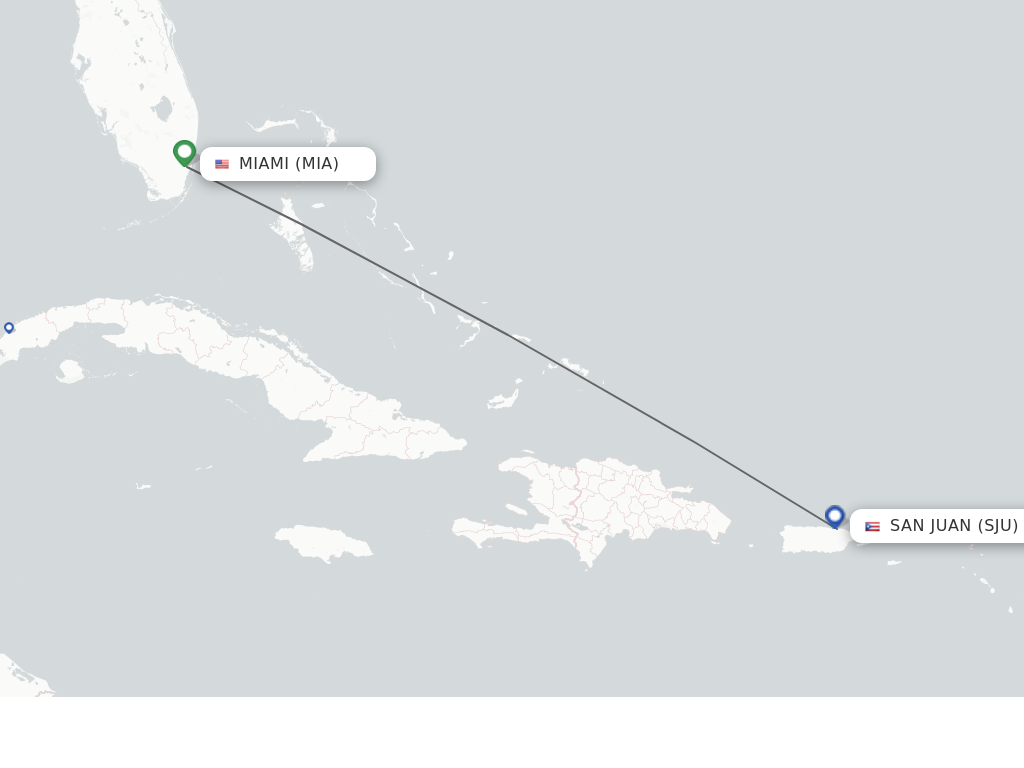
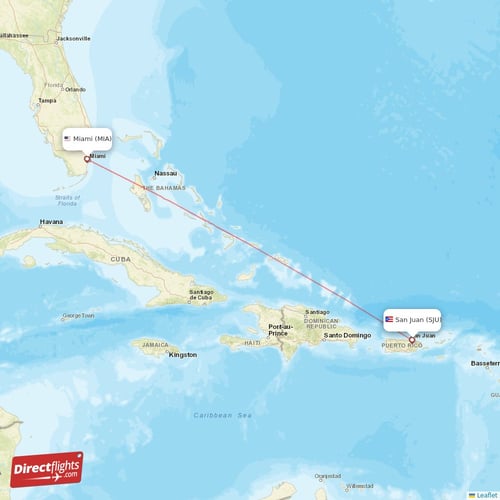
A direct flight from Miami International Airport (MIA) to Luis Muñoz Marín International Airport (SJU) in San Juan, Puerto Rico, typically ranges from 2 hours and 30 minutes to 2 hours and 50 minutes. This duration covers the actual airborne time, excluding taxiing, takeoff, and landing procedures, which can add an additional 15-30 minutes to your total gate-to-gate experience. The relatively short distance of approximately 1,100 nautical miles between these two bustling hubs allows for a quick transit across the Caribbean Sea. This brevity makes the route particularly appealing for those seeking a quick escape without the commitment of a long-haul international flight, as Puerto Rico is a US territory, simplifying travel documentation for US citizens.
Factors Influencing Flight Time
While the average flight time provides a solid estimate, several variables can subtly alter the actual duration of your journey. Understanding these can help manage expectations and perhaps even influence your booking decisions.
- Aircraft Type and Speed: Different aircraft models have varying cruising speeds. While most commercial jets operating this route will maintain a similar speed, slight differences in the specific aircraft (e.g., a Boeing 737 versus an Airbus A320) can account for marginal changes in flight time. Newer, more fuel-efficient planes might also be routed differently to optimize performance.
- Weather Conditions: Nature plays a significant role in flight durations. Tailwinds (winds blowing in the direction of flight) can shorten travel time, sometimes by a noticeable margin. Conversely, headwinds (winds blowing against the direction of flight) can extend it. Additionally, severe weather systems, such as thunderstorms or tropical depressions, might necessitate pilots taking longer, circuitous routes to avoid turbulence, adding minutes to the flight. Pilots and air traffic controllers continuously monitor weather patterns to ensure the safest and most efficient path.
- Air Traffic Control (ATC) and Route Congestion: Like highways, airways can experience congestion. Miami International Airport (MIA) is one of the busiest airports in the world, and air traffic control might instruct flights to hold or take slightly different flight paths to manage the flow of aircraft. Similarly, approaches into San Juan’s Luis Muñoz Marín International Airport (SJU) can sometimes involve holding patterns, especially during peak travel seasons, adding a few extra minutes before landing.
- Specific Airline Flight Plans: While airlines adhere to standard routes, minor variations in flight plans can occur. Each airline might have slightly different operational procedures or preferred routes, which can lead to minute differences in advertised versus actual flight times. However, these are generally negligible for a route of this distance.
Major Airlines and Route Options
The popularity of the Miami to Puerto Rico corridor means travelers have a robust selection of airlines and flight types to choose from. This competition often translates into competitive pricing and a good array of scheduling options.
Key Airlines Operating the Route
Several major US carriers offer direct flights from Miami to San Juan, catering to a diverse range of traveler preferences and budgets.
- American Airlines: Often has a significant presence at MIA as it’s a major hub for them. They typically offer multiple daily direct flights, providing flexibility for business and leisure travelers.
- Spirit Airlines: Known for its budget-friendly fares, Spirit Airlines often operates direct flights, appealing to cost-conscious travelers who prioritize getting to their destination efficiently.
- Frontier Airlines: Another low-cost carrier, Frontier Airlines provides direct options, sometimes with unique flight schedules that might suit specific travel plans.
- JetBlue: While JetBlue has a strong presence in Puerto Rico and offers various routes, their direct services from Miami can vary but are always worth checking for their renowned service and in-flight amenities.
- Delta Air Lines: Offers a premium travel experience, often with connections through their hubs, but direct flights are also available, especially during peak seasons, providing reliability and comfort.
- Southwest Airlines: While they don’t have a direct presence from MIA to SJU as frequently as others, their network connecting via other Florida cities might be an option, though this would involve a connection.
When choosing an airline, consider not just the price, but also baggage policies, seat comfort, in-flight entertainment options, and customer service reviews.
Non-stop vs. Connecting Flights
For this route, direct flights are overwhelmingly the most popular and efficient choice, but connecting flights do exist and can sometimes offer advantages.
- Advantages of Non-stop Flights: The primary benefit is time-saving and convenience. With a non-stop flight, you avoid the hassle of layovers, potential missed connections, and the need to disembark and re-board. This significantly reduces overall travel time and stress, making it ideal for short trips or when you simply want to reach your destination as quickly as possible.
- Considerations for Connecting Flights: While less common for the Miami-Puerto Rico route, connecting flights can sometimes be cheaper, especially if booked far in advance or during off-peak seasons. They might involve layovers in other major US cities like Atlanta, Charlotte, or Orlando. If you have flexibility with your travel time and are looking for the absolute lowest fare, exploring connecting options might yield savings, but be prepared for a significantly longer journey, potentially doubling or tripling your total travel time. For this specific route, the time savings of a direct flight usually outweigh any marginal cost benefits of a connecting flight.
Planning Your Journey: Beyond the Flight Time
A successful trip involves more than just knowing the flight duration. Thoughtful planning before you even step foot in MIA can significantly enhance your travel experience.
Best Time to Book & Travel
Timing your flight purchase and your actual travel dates can impact both cost and comfort.
- Seasonality: The peak tourist season in Puerto Rico is typically from December to April, when the weather is cooler and drier. During these months, flight prices tend to be higher, and availability can be limited. The shoulder seasons (May-June and late October-November) often offer a good balance of pleasant weather and more reasonable prices.
- Impact on Flight Prices and Availability: As with most popular routes, booking your flight well in advance (3-6 months out) is generally recommended to secure the best fares, especially if your travel dates fall within peak periods or holidays. Last-minute bookings can be significantly more expensive.
- Consideration of Puerto Rico’s Weather: Puerto Rico’s hurricane season runs from June 1st to November 30th, with the peak usually between August and October. While traveling during this period can sometimes offer lower prices, there’s a higher risk of tropical storms or hurricanes affecting travel plans. Travel insurance is highly advisable if you plan to visit during these months.
Airport Experience in Miami and San Juan
Navigating both departure and arrival airports efficiently is key to a stress-free journey.
- Tips for Navigating MIA: As a large and bustling international airport, MIA requires travelers to arrive with ample time. Factor in time for traffic to the airport, parking or ride-share drop-off, check-in, and security screening. MIA’s layout can be complex, so knowing your terminal and gate in advance can be helpful. Utilize online check-in and mobile boarding passes to save time.
- Arrival at SJU: Upon arrival at Luis Muñoz Marín International Airport (SJU), for US citizens, the process is akin to a domestic flight, meaning no separate customs or immigration lines. However, you will need to retrieve your checked luggage. Ground transport options are readily available outside the terminal, including taxis, ride-sharing services (like Uber and Lyft), and various car rental agencies. Pre-booking your transfer or rental car is recommended, especially during peak travel times.
Essential Travel Documents and Tips
While Puerto Rico is a US territory, it’s always wise to be prepared.
- US Citizens Don’t Need a Passport: For US citizens, travel to Puerto Rico is considered domestic, so a passport is not required. A valid government-issued photo ID (such as a driver’s license or state ID) is sufficient for air travel.
- Packing Considerations for a Caribbean Destination: Pack light, breathable clothing suitable for a tropical climate. Swimsuits, sandals, hats, and plenty of sunscreen are essentials. Don’t forget bug repellent, especially if you plan to venture into natural areas.
- Currency and Language: The official currency is the US Dollar. Spanish and English are the official languages, with English widely spoken in tourist areas.
Maximizing Your Travel Experience
The journey itself is part of the adventure. By preparing for the flight and your arrival, you can ensure a seamless transition into your Puerto Rico vacation.
In-Flight Comfort and Entertainment
Even a relatively short flight can be made more enjoyable with a few strategic preparations.
- Tips for a Comfortable Flight: Dress in comfortable layers as cabin temperatures can fluctuate. Stay hydrated by drinking plenty of water, and avoid excessive caffeine or alcohol. For short flights, stretching in your seat or taking a quick walk to the restroom can help prevent stiffness.
- Airline Amenities: Many airlines operating this route offer basic in-flight services. While longer flights might boast extensive entertainment systems, for a 2.5-hour flight, bringing your own entertainment – a book, e-reader, tablet with pre-downloaded movies, or music – is a good idea. Some airlines may offer Wi-Fi for purchase, but don’t count on it being consistently available or fast. Snacks and beverages are typically available for purchase, though some carriers may offer complimentary options.
Seamless Transition to Your Destination
Upon landing, a well-thought-out plan will save you time and potential stress.
- Pre-booking Transfers: Especially if you’re staying outside San Juan or arriving late at night, pre-booking a taxi, shuttle, or ride-share service ensures you have transport waiting for you. Many hotels offer airport shuttle services, so check with your accommodation beforehand.
- Understanding Local Transport: While taxis and ride-shares are prevalent, Puerto Rico also has local bus services in San Juan and surrounding areas. For exploring the island more extensively, renting a car is a popular option, giving you the freedom to discover hidden gems. Remember that Puerto Rico drives on the right side of the road, similar to the mainland US.
- Getting Acquainted with the Local Time Zone: Puerto Rico observes Atlantic Standard Time (AST) year-round and does not observe Daylight Saving Time. Miami, on the other hand, observes Eastern Standard Time (EST) in winter and Eastern Daylight Time (EDT) in summer. This means there can be a one-hour time difference for part of the year. During US Daylight Saving Time, Miami (EDT) and Puerto Rico (AST) are in the same time zone. However, outside of Daylight Saving Time (when Miami reverts to EST), Puerto Rico will be one hour ahead of Miami. Always double-check the current time difference before your flight to avoid confusion upon arrival.
In conclusion, the flight from Miami to Puerto Rico is a quick and straightforward journey, typically under three hours. By understanding the factors that influence flight times, choosing the right airline and route, and planning effectively for both your departure and arrival, you can ensure your travel experience is as delightful as your destination. Get ready to enjoy the rich culture, stunning landscapes, and warm hospitality that await you in Puerto Rico!
LifeOutOfTheBox is a participant in the Amazon Services LLC Associates Program, an affiliate advertising program designed to provide a means for sites to earn advertising fees by advertising and linking to Amazon.com. Amazon, the Amazon logo, AmazonSupply, and the AmazonSupply logo are trademarks of Amazon.com, Inc. or its affiliates. As an Amazon Associate we earn affiliate commissions from qualifying purchases.