
Embarking on a journey from the vibrant East Coast energy of New York to the sun-kissed shores and diverse landscapes of California is a quintessential American travel experience. Whether you’re a business traveler seeking efficiency, a family on an adventure, or an explorer eager to delve into new cultures and attractions, understanding the duration of your flight is the first step in meticulous travel planning. The direct flight is the gold standard for speed, typically spanning about 5.5 to 6.5 hours from takeoff to touchdown. However, this seemingly straightforward answer merely scratches the surface of the myriad factors that can influence your overall travel time. From the specific airports chosen for departure and arrival to the presence of layovers, the type of aircraft, and even prevailing weather conditions, the journey can vary significantly.

This guide will not only pinpoint the typical flight durations but also delve into the nuances of coast-to-coast air travel. We’ll explore how different choices impact your itinerary, offering insights into optimizing your travel experience from booking your accommodation to discovering the iconic landmarks and hidden gems awaiting you at your destination. By integrating elements of travel guides, accommodation tips, and lifestyle considerations, we aim to provide a comprehensive resource for anyone contemplating this transcontinental flight.
Unpacking the Direct Flight: The Quickest Way West
For many travelers, the allure of a direct flight between New York and California lies in its efficiency and convenience. Eliminating the need for layovers, gate changes, and the potential for missed connections, direct flights offer the most streamlined path across the continent. However, even within the category of non-stop journeys, variations exist.
Typical Flight Durations Between Key Hubs
The specific airports you choose for your departure and arrival play a significant role in determining the exact flight time. New York City is primarily served by three major international airports: John F. Kennedy International Airport (JFK), Newark Liberty International Airport (EWR), and LaGuardia Airport (LGA). On the West Coast, California boasts several major hubs, with Los Angeles International Airport (LAX) and San Francisco International Airport (SFO) being the most popular destinations for flights from the East Coast.
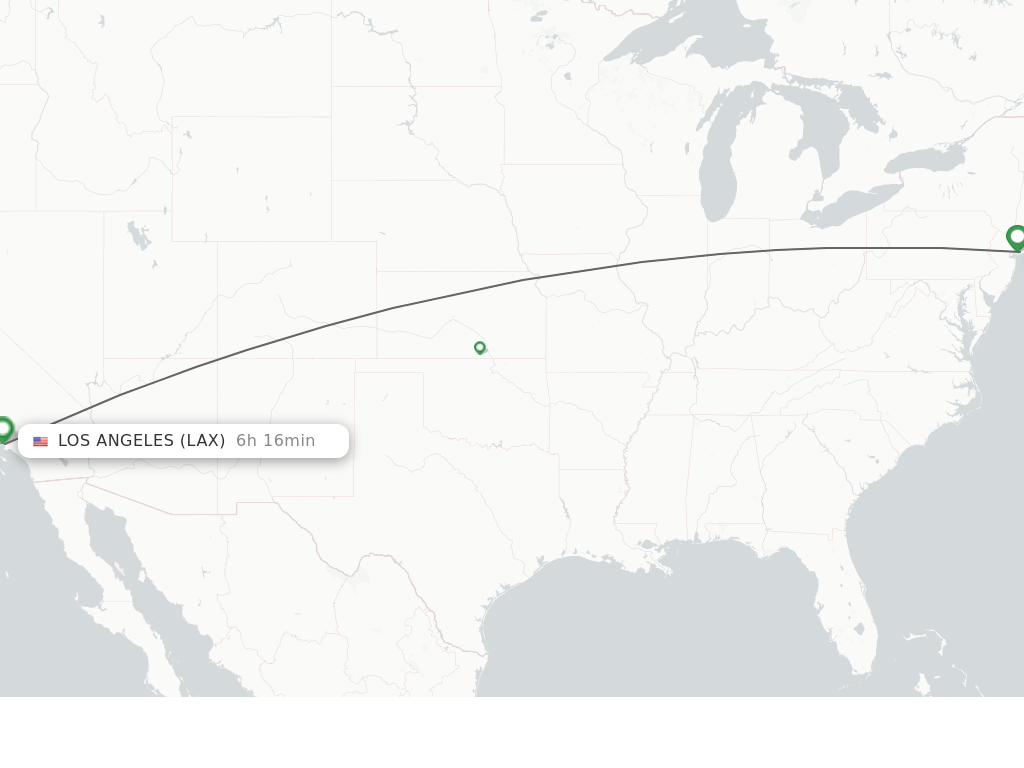
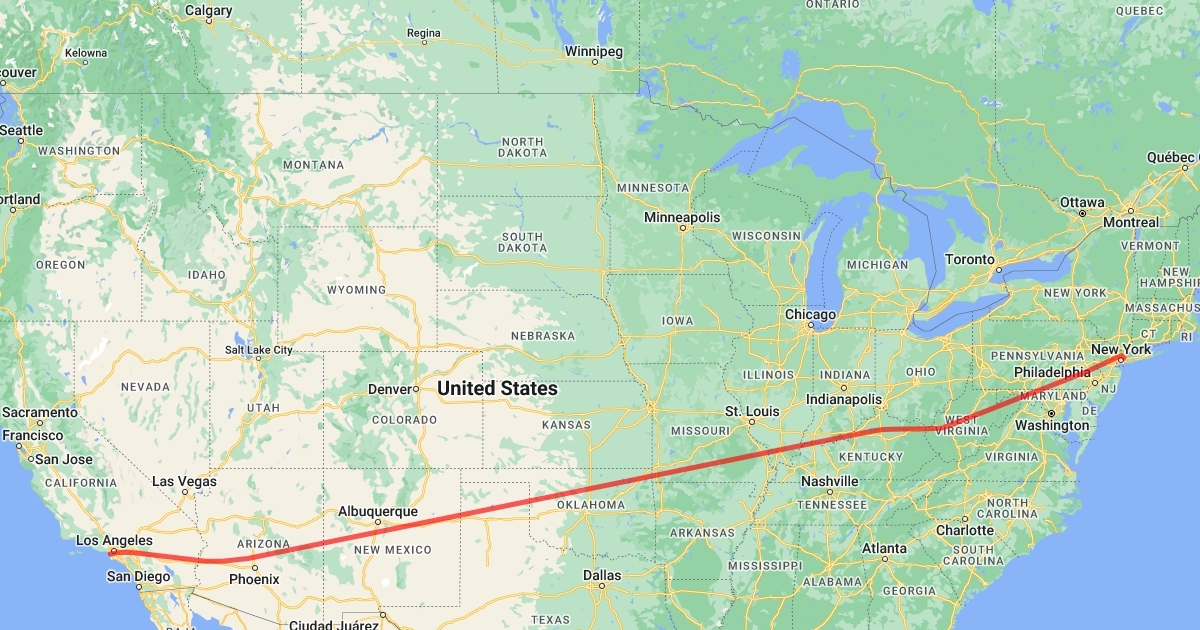
- From JFK/EWR/LGA to LAX (Los Angeles): Direct flights typically range from 5 hours, 30 minutes to 6 hours, 15 minutes. Flights from Newark tend to be marginally shorter due to its slightly more westerly location.
- From JFK/EWR/LGA to SFO (San Francisco): The journey to Northern California generally takes a bit longer, ranging from 5 hours, 45 minutes to 6 hours, 30 minutes.
- Other California Destinations: For cities like San Diego (SAN) or Oakland (OAK), direct flight times will be comparable, typically falling within the 5.5 to 6.5-hour window, depending on the specific route and airport.
Several factors contribute to these varying durations. The powerful jet stream, a current of strong, fast-moving air in the upper atmosphere, plays a significant role. When flying westward, against the jet stream, flights tend to be longer. Conversely, eastward flights from California to New York often benefit from the jet stream, resulting in shorter travel times (often around 4.5 to 5.5 hours). The type of aircraft used also matters, with newer, more fuel-efficient planes sometimes capable of slightly faster cruising speeds. Furthermore, unexpected delays due to air traffic control, runway congestion, or adverse weather conditions (such as strong headwinds or storms) can add minutes, or even an hour, to the scheduled flight time.
Choosing Your Departure and Arrival Points
The sheer size of both New York and California means that your specific starting and ending points within these states can influence your overall travel experience. If your final destination is Manhattan in New York City, accessing JFK or LGA might be more convenient than EWR, despite a potentially slightly longer flight time. Similarly, in California, if you’re headed to Disneyland Resort in Anaheim, flying into John Wayne Airport (SNA) or Long Beach Airport (LGB) might save you significant ground travel time compared to LAX, even if the flight itself is a few minutes longer.
When planning your trip, consider not just the airborne duration but also the transit time to and from the airports. Factor in traffic, public transportation options, and the proximity of your chosen accommodation to ensure a seamless journey. For those traveling from Upstate New York, or to more regional California airports like those serving Sacramento or Palm Springs, a connecting flight is almost always necessary, bringing us to the next point.
Beyond Non-Stop: Understanding Layovers and Connections
While direct flights offer unmatched speed, they are not always the most economical or convenient option, especially during peak travel seasons or for those traveling from smaller regional airports. Connecting flights, which involve one or more layovers, are a common alternative, but they significantly extend the overall travel time.
The Realities of Connecting Flights
A flight with one layover can add anywhere from 2 to 8 hours (or even more) to your journey. This additional time accounts for the layover itself, which can range from a quick 45-minute sprint between gates to a leisurely several-hour wait, plus the extra flight segments. Common connection hubs for transcontinental travel include major airports in the central United States such as Chicago O’Hare (ORD), Dallas/Fort Worth (DFW), Denver International (DEN), and Houston Bush Intercontinental (IAH).
When booking a connecting flight, it’s crucial to consider the layover duration. Too short a layover (under an hour) can be risky, particularly if your first flight is delayed or if you need to transfer between different terminals. A longer layover, while adding to the overall travel time, can provide an opportunity to stretch your legs, grab a meal, or even explore the connecting city if it’s an extended stop. Some seasoned travelers deliberately choose longer layovers in cities they wish to briefly experience, turning a simple connection into a mini-adventure. Many larger airports offer a range of amenities, including comfortable lounges, diverse dining options, and even cultural exhibits, making longer waits more tolerable.
Factors Influencing Overall Journey Duration
The total time it takes to get from New York to California extends far beyond just the hours spent in the air. When considering your overall journey duration, you must factor in:
- Pre-flight time: Arriving at the airport 2-3 hours before departure for check-in, security screening, and boarding.
- Taxiing and takeoff/landing: These ground operations can add 30-60 minutes to each flight segment.
- Layovers: As discussed, these can significantly inflate total travel time.
- Delays: These are an unfortunate reality of air travel. Weather, mechanical issues, air traffic control restrictions, and crew availability can all lead to unforeseen delays.
- Post-flight time: Waiting for baggage, disembarking, and ground transportation to your final accommodation.
Considering these elements, a direct flight that is 6 hours in the air can easily translate into an 8-9 hour airport-to-hotel journey. A connecting flight, which might involve 8-9 hours of airborne time, could result in a total travel day of 12-16 hours or even more. Understanding this holistic view of travel time is essential for managing expectations and planning effectively, especially when coordinating hotel check-ins or scheduling business meetings.
Enhancing Your Coast-to-Coast Travel Experience
Beyond merely getting from point A to point B, the journey from New York to California presents numerous opportunities to enrich your travel lifestyle. From pre-flight preparations to exploring your destination and tailoring your trip to your specific needs, every aspect can be optimized for a memorable experience.
Pre-Flight Planning: Accommodation and Logistics
Careful planning before you even step foot in the airport can significantly enhance your trip.
- Booking Your Stay: Whether you need a short-term hotel near JFK for an early morning flight or a luxurious resort in Beverly Hills for a week-long stay, secure your accommodation in advance. Websites like lifeoutofthebox.com offer comprehensive reviews and comparison tools for everything from boutique hotels and serviced apartments to sprawling villas and family-friendly suites. Consider long-term stay options if your California visit extends beyond a few days.
- Travel Essentials: Pack strategically. For a long flight, essentials like a neck pillow, eye mask, noise-canceling headphones, and entertainment (books, movies) are crucial. Don’t forget any necessary medications and consider investing in travel insurance, especially if you have complex itineraries or plan expensive activities.
- Airport Transfers: Pre-arrange your transportation to and from the airport. Ride-sharing apps, airport express trains, taxis, or private car services can all be viable options, but knowing your plan ahead of time reduces stress.
What to Do Once You Land: Exploring Your Destination
California is a state of boundless attractions, offering everything from world-class urban centers to breathtaking natural wonders.
- Southern California Wonders: If you land at LAX, you’re at the doorstep of Los Angeles‘s iconic sights. Explore Hollywood for celebrity spotting and the Walk of Fame, relax on the vibrant Santa Monica Pier, or gaze at the stars from the Griffith Observatory. Further south, San Diego beckons with the lush Balboa Park, historic Gaslamp Quarter, and pristine beaches. For family fun, Disneyland Park in Anaheim is an absolute must-visit.
- Northern California Charms: Arriving in San Francisco via SFO or Oakland (OAK) opens up a world of foggy vistas and cultural richness. Marvel at the majestic Golden Gate Bridge, take a ferry to the infamous Alcatraz Island, or savor fresh seafood at Fisherman’s Wharf. Don’t forget to ride a historic cable car up the city’s famous hills.
- Natural Escapes: California is also home to some of the nation’s most stunning National Parks. A drive from the bustling cities can lead you to the towering sequoias and granite cliffs of Yosemite National Park, the surreal landscapes of Death Valley National Park, or the dramatic coastal beauty of Big Sur. These experiences offer a profound connection to nature and a contrast to urban life.
- Local Culture and Food: No trip is complete without diving into the local food scene. From gourmet dining in Los Angeles to farm-to-table restaurants in San Francisco and authentic Mexican cuisine in San Diego, California offers a diverse culinary landscape. Explore local markets, discover craft breweries, and engage with the unique cultural tapestry that makes each city distinct.
Travel Styles and Preferences
The journey from New York to California can be tailored to fit every lifestyle and budget.
- Business Travel: For those on a business trip, efficiency is paramount. Opt for direct flights, consider first-class travel or business class for enhanced comfort and productivity, and utilize airport lounges for quiet work environments. Choose hotels with excellent amenities like high-speed internet, meeting rooms, and executive suites.
- Family Vacations: Traveling with family requires extra planning. Seek out family-friendly airlines with in-flight entertainment, pack snacks, and plan activities to keep children engaged during the flight. Upon arrival, resorts and hotels with pools, kids’ clubs, and spacious suites will make your stay more enjoyable. Destinations like Anaheim and San Diego offer countless family-oriented attractions.
- Luxury Experiences: Indulge in the finest aspects of travel with luxury hotels such as the Ritz-Carlton or Four Seasons, personalized concierge services, and private tours of landmarks. From chauffeured airport transfers to exclusive dining experiences and wellness retreats, California offers a plethora of options for the discerning traveler.
- Budget-Conscious Exploration: Budget travel doesn’t mean compromising on experience. Look for economy flights with flexible dates, consider hostels or budget-friendly hotels, and explore local eateries for delicious yet affordable meals. Public transportation is often an excellent way to navigate cities and save money on taxis or rental cars. Many California landmarks, such as hiking trails in state parks or views of the Golden Gate Bridge, are free to enjoy.
In conclusion, while a direct flight from New York to California typically spans 5.5 to 6.5 hours, the complete travel journey is a multifaceted experience. By understanding the variables that affect flight times, planning your logistics meticulously, and choosing activities and accommodation that align with your personal travel style, you can transform a simple transcontinental flight into an integral and enjoyable part of your overall adventure. Whether you’re chasing the sun in Los Angeles, exploring the vibrant culture of San Francisco, or seeking the tranquility of California’s national parks, a well-prepared trip begins with knowing your flight.
LifeOutOfTheBox is a participant in the Amazon Services LLC Associates Program, an affiliate advertising program designed to provide a means for sites to earn advertising fees by advertising and linking to Amazon.com. Amazon, the Amazon logo, AmazonSupply, and the AmazonSupply logo are trademarks of Amazon.com, Inc. or its affiliates. As an Amazon Associate we earn affiliate commissions from qualifying purchases.