
Embarking on a journey from the vibrant coastal city of San Diego, California, to the breathtaking islands of Hawaii is a dream for many travelers seeking sun-kissed beaches, lush landscapes, and the tranquil rhythm of island life. While the allure of Hawaii is undeniable, a common first question for prospective visitors is often: “How long is the flight?” Understanding the duration and nuances of this trans-Pacific journey is key to planning a seamless and enjoyable vacation.
The flight from San Diego to Hawaii typically spans between five and six hours for a direct flight, depending on your specific Hawaiian island destination and prevailing wind conditions. This travel time positions the islands as an accessible tropical escape for those on the West Coast, offering a relatively quick hop across the Pacific Ocean. However, various factors can influence this duration, from the chosen airline and aircraft type to potential layovers and the specific airport you depart from and arrive at. This comprehensive guide will delve into these details, equipping you with all the information you need to plan your flight, prepare for your journey, and ultimately, immerse yourself in the magic of the Aloha State.
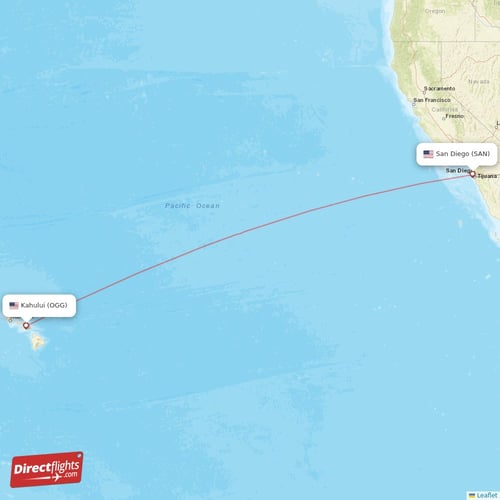
Understanding the Flight Duration from San Diego to Hawaii
The journey across the Pacific from San Diego to Hawaii is a significant stretch of open water, making it a proper long-haul flight, even if it falls on the shorter side of international travel. The precise duration is largely dependent on whether you opt for a direct flight or one that includes a layover, a decision that often balances convenience against cost.
Direct Flights: The Fastest Route to Paradise
For travelers prioritizing speed and convenience, direct flights are the optimal choice. Several major airlines offer non-stop services from San Diego International Airport (SAN) to various Hawaiian islands. These flights bypass the need for connecting in other cities, significantly reducing total travel time and potential travel fatigue.
A direct flight from San Diego to Honolulu (on Oahu) typically clocks in at around 5 hours and 45 minutes to 6 hours and 15 minutes. If your destination is Maui (specifically Kahului Airport (OGG)), the flight time is usually slightly shorter, ranging from 5 hours and 30 minutes to 6 hours. Flights to Kona (on the Big Island) are comparable to Maui, often taking approximately 5 hours and 40 minutes to 6 hours. Flights to Lihue (Kauai) might be at the slightly longer end, often 5 hours and 50 minutes to 6 hours and 20 minutes due to its more northerly position.
These timings are averages, and several factors can cause slight variations. The specific aircraft model used by the airline, for instance, can play a role, as newer, more efficient planes might shave off a few minutes. More significantly, prevailing wind conditions, particularly the powerful jet stream, can impact flight speed. Flying westward against the jet stream can add a bit of time, while eastward flights often benefit from it. However, given Hawaii’s location, the effect on westward flights is generally less pronounced than it would be for transcontinental routes.
Flights with Layover: Extending Your Journey
While direct flights are highly sought after, they might not always be the most economical or convenient option depending on your travel dates and flexibility. Flights with layovers are a common alternative, though they naturally extend the total travel time significantly.
Layovers typically occur in major West Coast hubs such as Los Angeles, San Francisco, Phoenix, or Seattle. While the actual flight segments remain similar in duration (e.g., San Diego to Los Angeles is a short hop, followed by Los Angeles to Hawaii), the total journey time expands due to the layover period itself. A typical layover can range from a quick 1-2 hours to a much longer 5-8 hours, or even an overnight stay, transforming a 6-hour flight into a 9-15 hour travel day.
Travelers often choose flights with layovers for several reasons:
- Cost Savings: Connecting flights can sometimes be considerably cheaper than direct options, especially during peak travel seasons or if booked closer to the departure date.
- Increased Availability: There might be more flight options with layovers, providing greater flexibility in departure times or preferred airlines.
- Specific Route Requirements: For certain less common island destinations or specific airline preferences, a layover might be unavoidable.
While layovers offer flexibility and potential savings, they also come with drawbacks. The added time can lead to increased fatigue, especially for families traveling with children. There’s also the potential for missed connections due to delays, though airlines typically build in reasonable buffer times. When considering a layover, it’s wise to evaluate the total travel time versus the price difference to determine if the savings are worth the extended journey.
Key Factors Influencing Your Flight Time
Beyond the direct vs. layover consideration, several other elements play a crucial role in determining the precise duration of your flight from San Diego to Hawaii. Understanding these factors can help set realistic expectations and inform your travel planning.
Destination Island Matters
Hawaii is an archipelago, meaning the flight duration will vary slightly depending on which specific island and airport you’re flying into. The most popular entry points are:
- Oahu (Daniel K. Inouye International Airport (HNL)): Home to Honolulu and Waikiki Beach, Oahu is the most common destination. It’s geographically positioned somewhat in the middle of the main islands, leading to the average 5 hours 45 minutes to 6 hours 15 minutes flight time from San Diego.
- Maui (Kahului Airport (OGG)): Known for its stunning beaches and the Road to Hana, Maui is slightly southeast of Oahu. Flights tend to be a little shorter, around 5 hours 30 minutes to 6 hours.
- Big Island (Hawaii) (Kona International Airport (KOA) or Hilo International Airport (ITO)): The largest island, famous for Hawaii Volcanoes National Park and diverse ecosystems. Kona is on the western side, often seeing flight times of 5 hours 40 minutes to 6 hours. Hilo, on the eastern side, might be marginally longer, though often similar depending on the exact flight path.
- Kauai (Lihue Airport (LIH)): The “Garden Isle,” celebrated for its lush landscapes and the Na Pali Coast, is the northernmost of the main islands. Flights here can be at the upper end of the direct flight range, sometimes pushing 6 hours 20 minutes from San Diego.
While the differences between island destinations might seem marginal, they are worth noting for precise planning, especially if you are connecting to an inter-island flight upon arrival.
Aircraft Type and Wind Conditions
The technology of modern aviation plays a significant role in flight efficiency and speed. Most long-haul flights to Hawaii utilize twin-engine jets designed for trans-oceanic travel. Common aircraft models on this route include:
- Boeing 737 and Airbus A321: These narrow-body aircraft are workhorses for many domestic and medium-haul international routes. With extended range capabilities, they are commonly used for flights from the West Coast to Hawaii. Their cruising speed is typically around 500-550 mph.
- Boeing 787 Dreamliner or Airbus A330: While less common for direct San Diego to Hawaii routes compared to larger hubs like Los Angeles or San Francisco, these wide-body aircraft offer greater passenger comfort and slightly higher cruising speeds, potentially shaving a few minutes off the journey.
Beyond the machinery, atmospheric conditions are a significant, albeit unpredictable, factor. The jet stream, a fast-flowing, narrow air current found in the atmosphere, can either accelerate or decelerate an aircraft. Flights heading westward from the continental United States to Hawaii generally fly against the predominant west-to-east flow of the jet stream, which can marginally increase flight duration. Conversely, eastbound flights from Hawaii to the mainland often benefit from tailwinds, making the return journey slightly quicker. While airlines factor these variables into their flight planning and published schedules, unexpected changes in weather patterns can lead to minor deviations in actual flight times.
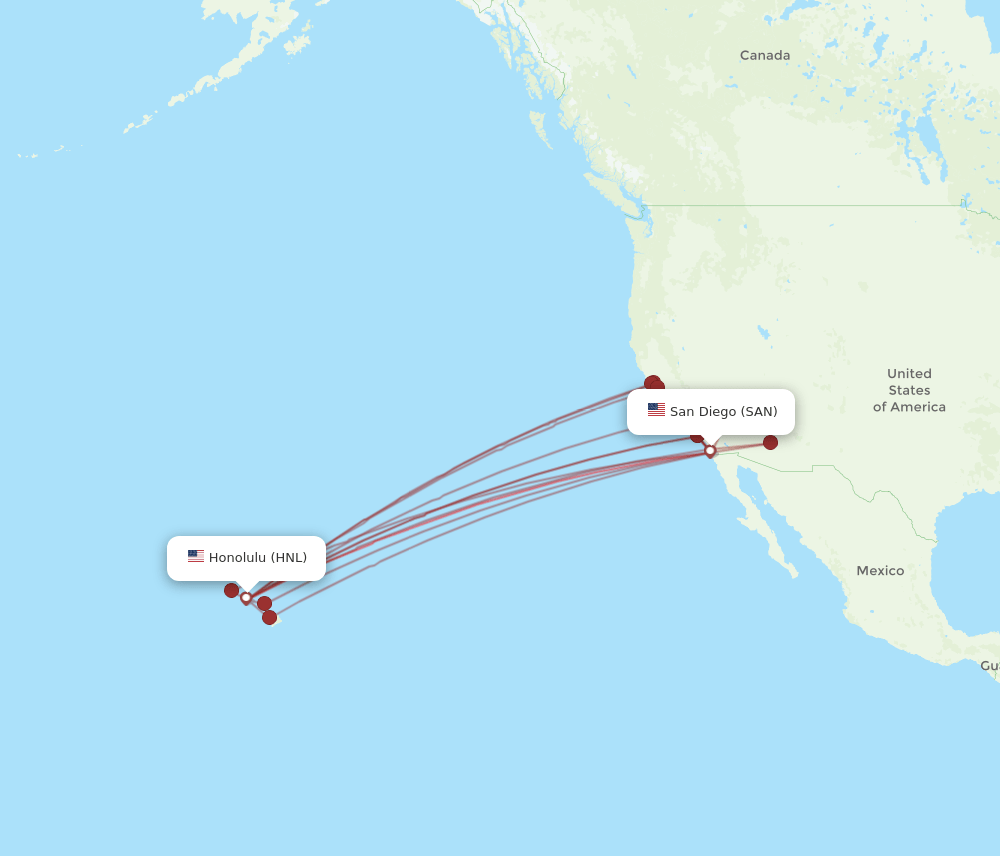
Planning Your Trip: Airlines, Booking, and What to Expect
With an understanding of flight durations and influencing factors, the next step is to plan your trip effectively. This involves choosing the right airline, mastering booking strategies, and preparing yourself for the journey to ensure a smooth transition from San Diego to the tropics.
Major Airlines Operating the Route
Several reputable airlines offer direct and connecting flights from San Diego to Hawaii, each with its own service offerings and price points. The primary carriers to consider include:
- Southwest Airlines: Known for its “bags fly free” policy (two checked bags) and open seating, Southwest has expanded its service to Hawaii in recent years, offering competitive fares and direct flights from San Diego to Honolulu and Maui.
- Alaska Airlines: A strong presence on the West Coast, Alaska Airlines provides direct flights from San Diego to Honolulu, Maui, Kona, and Lihue. They are highly regarded for customer service and offer various cabin classes, including First Class.
- Hawaiian Airlines: As Hawaii’s flag carrier, Hawaiian Airlines offers a truly authentic Hawaiian experience from the moment you board. While direct routes from San Diego are less frequent compared to larger hubs, they offer excellent connecting options and an unparalleled in-flight service that sets the tone for your vacation.
- United Airlines, Delta Air Lines, and American Airlines: These legacy carriers provide extensive networks, often involving connecting flights through their major hubs (Los Angeles, San Francisco, Phoenix). They offer a full range of services, including economy, premium economy, and first/business class, providing more options for comfort and amenities.
When choosing an airline, consider not only the price but also baggage policies, seat pitch, in-flight entertainment, and any loyalty programs you might be part of.
Booking Tips and Best Practices
Securing the best flights to Hawaii involves strategic planning:
- Book in Advance: Hawaii is a popular destination year-round. For the best fares and availability, especially for direct flights, aim to book 3-6 months in advance.
- Be Flexible with Dates: If your travel dates are flexible, use flight comparison websites that allow you to view prices across an entire month. Flying mid-week (Tuesday-Thursday) or during the shoulder seasons (spring and fall, excluding holidays) can often yield better deals.
- Consider Package Deals: Sometimes, booking your flight and accommodation together through a travel agency or airline package can result in significant savings.
- Understand Baggage Policies: Always check the airline’s specific baggage allowance and fees, as these can vary widely and add unexpected costs. Southwest’s generous allowance is a notable exception.
- Travel Insurance: For a significant trip like this, especially one involving multiple bookings, consider purchasing travel insurance to protect against unforeseen cancellations, delays, or medical emergencies.
- Check Entry Requirements: Always verify the latest travel guidelines and entry requirements for Hawaii and the United States as they can change.
Preparing for a Long Flight
A 5-6 hour flight, while not ultra-long-haul, still requires some preparation to ensure comfort:
- Dress in Layers: Airplane cabins can fluctuate in temperature. Wearing comfortable, loose clothing and bringing a light sweater or jacket will help you adjust.
- Stay Hydrated: Drink plenty of water before and during the flight. Avoid excessive alcohol and caffeine, which can contribute to dehydration.
- Bring Entertainment: While most airlines offer in-flight entertainment, having your own loaded tablet, e-reader, or book is essential. A portable power bank for your devices is also a lifesaver.
- Snacks: Pack some healthy snacks, as airline meal services might be limited or not to your preference.
- Move Around: To prevent stiffness and promote circulation, try to stand, stretch, and walk the aisle every couple of hours. Simple in-seat exercises can also help.
- Adjust to Hawaii Standard Time (HST): Hawaii is 2 or 3 hours behind Pacific Standard Time (PST) (depending on daylight saving time). Try to adjust your sleep schedule a day or two before departure, and once you land, try to adapt to local time as quickly as possible to minimize jet lag. Maximize sunlight exposure during the day and avoid heavy meals before bed.
Beyond the Flight: Your Hawaiian Adventure Awaits
Once your flight details are sorted, the excitement shifts to envisioning your time on the islands. Hawaii offers a diverse range of experiences, from bustling city life to serene natural wonders, catering to every type of traveler.
Choosing Your Hawaiian Island (Destinations & Attractions)
Each Hawaiian island possesses its own unique charm and array of attractions:
- Oahu: The most populated island, Oahu is a blend of urban sophistication and natural beauty. Here you’ll find the iconic crescent of Waikiki Beach, the historic solemnity of Pearl Harbor, and the challenging hike up Diamond Head for panoramic views. It’s a hub for dining, shopping, and vibrant nightlife, while its North Shore offers world-class surfing.
- Maui: Often hailed as “The Valley Isle,” Maui is a favorite for honeymooners and families. Its highlights include the epic scenic drive along the Road to Hana, watching the sunrise from the summit of Haleakala National Park, and incredible whale watching opportunities during winter months.
- Kauai: Known as “The Garden Isle,” Kauai is a paradise for nature lovers and adventurers. The dramatic cliffs of the Na Pali Coast, accessible by boat or helicopter, are unforgettable. Lush rainforests, cascading waterfalls, and stunning hiking trails characterize this tranquil island.
- Big Island (Hawaii): As its name suggests, this is the largest island and the most geographically diverse, boasting 11 of the world’s 13 climate zones. Home to Hawaii Volcanoes National Park, where you might witness active lava flows, the island also offers black sand beaches, lush coffee plantations, and snow-capped peaks.
- Molokai and Lanai: For those seeking a more secluded and authentic Hawaiian experience, these smaller islands offer a step back in time. Molokai preserves traditional Hawaiian culture, while Lanai offers luxury resorts and rugged landscapes, ideal for relaxation or off-road adventures.
Accommodation in Hawaii (Hotels, Resorts, Lifestyle)
Hawaii offers a spectrum of accommodation options to suit every budget and lifestyle, from opulent five-star resorts to cozy boutique hotels and private vacation rentals.
- Luxury Resorts: Islands like Maui and Lanai are renowned for their world-class luxury resorts, such as properties by Four Seasons or Grand Hyatt. These offer unparalleled amenities, including private beaches, championship golf courses, exquisite dining, and indulgent spas. They cater to travelers seeking a pampered, high-end experience.
- Boutique Hotels & Mid-Range Options: Scattered across all islands, these hotels provide a balance of comfort, style, and value. Many offer unique local character and excellent service without the premium price tag of a full-service resort.
- Vacation Rentals: Platforms like Airbnb and VRBO have made vacation rentals incredibly popular in Hawaii. These range from charming cottages and beachfront condos to expansive private homes, offering more space, kitchen facilities, and a sense of local living. They are particularly popular for families or longer stays.
- Hostels & Budget Stays: For budget-conscious travelers, particularly in Honolulu and other larger towns, hostels and basic motels provide affordable lodging, often with communal spaces ideal for meeting fellow travelers.
Regardless of your choice, booking accommodation well in advance is highly recommended, especially during peak seasons (winter holidays, spring break, summer) when popular options fill up quickly. Consider the amenities important to you, whether it’s beachfront access, a large pool, a kids’ club, or a tranquil setting away from the crowds.

Experiencing Hawaiian Culture and Tourism
Beyond the pristine beaches and luxurious stays, Hawaii’s true essence lies in its rich culture and the warm hospitality of the Aloha Spirit.
- Respect for Local Culture: Embrace the local customs and traditions. Attend a traditional luau to experience hula, music, and authentic Hawaiian food like kalua pig and poi. Learn a few Hawaiian phrases, starting with “Aloha” (hello/goodbye/love) and “Mahalo” (thank you).
- Culinary Delights: Hawaii’s food scene is a delicious fusion of Polynesian, Asian, and American influences. Don’t miss fresh poke, plate lunches, shave ice, and locally grown fruits. Explore farmers’ markets for fresh produce and local crafts.
- Activities & Adventures: The islands offer an endless array of activities: snorkeling or scuba diving among vibrant coral reefs, surfing lessons on Waikiki or the North Shore, hiking through volcanic landscapes, zip-lining, helicopter tours for aerial views, and paddleboarding in calm bays.
- Sustainable Tourism: Hawaii is a fragile ecosystem. Practice responsible tourism by respecting natural environments, reducing waste, supporting local businesses, and learning about conservation efforts to preserve the islands’ unique biodiversity.
In conclusion, the flight from San Diego to Hawaii is a manageable journey, typically spanning just under six hours for direct options. While factors like destination island, aircraft, and wind can cause slight variations, the reward of arriving in this tropical paradise far outweighs the transit time. By planning ahead with airlines, booking accommodation wisely, and embracing the local culture, your Hawaiian adventure will undoubtedly be a cherished memory that lasts long after the flight touches down.
LifeOutOfTheBox is a participant in the Amazon Services LLC Associates Program, an affiliate advertising program designed to provide a means for sites to earn advertising fees by advertising and linking to Amazon.com. Amazon, the Amazon logo, AmazonSupply, and the AmazonSupply logo are trademarks of Amazon.com, Inc. or its affiliates. As an Amazon Associate we earn affiliate commissions from qualifying purchases.