
Embarking on a journey to the sun-drenched landscapes of Arizona promises an unforgettable experience, from the majestic vistas of the Grand Canyon to the mystical red rocks of Sedona, and the vibrant urban centers of Phoenix and Tucson. As travelers immerse themselves in the rich culture, diverse attractions, and unique lifestyle offerings of the Grand Canyon State, a common question often arises, particularly for those conscious of their rights and responsibilities: “Is Arizona a ‘stop and ID’ state?” Understanding the nuances of local laws is not just a matter of legal compliance; it’s a critical component of responsible travel, ensuring a smooth, stress-free, and enjoyable visit. For both seasoned globetrotters and first-time adventurers, knowing what to expect during interactions with law enforcement can significantly enhance one’s sense of security and overall travel experience in the United States. This comprehensive guide delves into Arizona’s specific laws regarding identification, offering clarity on what “stop and ID” truly means in practice and how it impacts individuals exploring this beautiful corner of the American Southwest.

Understanding “Stop and Identify” Laws
The concept of “stop and identify” laws is often misunderstood, leading to confusion and apprehension among the general public and visitors alike. These laws, which vary by state, grant law enforcement officers the authority to request identification from an individual under specific circumstances. For anyone planning a trip or considering an extended stay in Arizona, grasping these legal definitions is the first step toward confident and informed travel. It’s not merely about carrying an ID; it’s about understanding the legal thresholds that allow an officer to make such a request and an individual’s corresponding obligations and rights.
What Does “Stop and ID” Really Mean?
At its core, a “stop and ID” law permits a law enforcement officer to briefly detain an individual and demand their identification if the officer has a “reasonable suspicion” that the person has committed, is committing, or is about to commit a crime. This “reasonable suspicion” is a crucial legal standard, falling short of the “probable cause” needed for an arrest, but requiring more than a mere hunch or an officer’s subjective feeling. It must be based on specific, articulable facts that, when taken together with rational inferences, reasonably warrant the intrusion. The intent behind these laws is to assist officers in their investigations by allowing them to ascertain the identity of individuals who may be involved in criminal activity.
Crucially, “stop and ID” laws do not grant officers unlimited power to demand identification from anyone at any time. The initial stop must itself be lawful, meaning it must be predicated on reasonable suspicion of criminal activity. For instance, if you are simply walking down a street in Flagstaff or enjoying a meal in Scottsdale, an officer cannot legally demand your ID without a basis for reasonable suspicion related to a potential crime. The scope of the stop is also limited; it should be brief and confined to dispelling or confirming the officer’s suspicion. This legal framework, upheld by the U.S. Supreme Court, aims to balance the public interest in effective law enforcement with the individual’s constitutional rights, particularly those protected by the Fourth Amendment against unreasonable searches and seizures.
The Legal Framework in Arizona
Arizona is indeed a “stop and identify” state. Specifically, Arizona Revised Statutes (A.R.S.) § 13-2412 makes it a misdemeanor to intentionally refuse to state one’s true full name when a law enforcement officer, acting in the lawful discharge of their official duties, has lawfully detained the person and reasonably suspects the person has committed, is committing, or is about to commit a criminal offense. This statute aligns with the precedent set by the landmark U.S. Supreme Court case, Hiibel v. Sixth Judicial District Court of Nevada (2004). In this significant ruling, the court affirmed that states can require individuals to identify themselves during a lawful investigatory stop, provided the officer has reasonable suspicion. The case originated in Nevada, but its implications apply broadly to states with similar “stop and ID” statutes, including Arizona.
What this means for anyone in Arizona is that if a law enforcement officer has reasonable suspicion that you are involved in criminal activity and lawfully stops you, you are legally obligated to provide your true full name. Failure to do so can lead to an arrest and charges for a misdemeanor offense. It is important to note that while you must provide your name, this obligation typically does not extend to providing a physical identification card unless there are other specific legal requirements (e.g., driving a vehicle, where you are legally required to carry and present a driver’s license). Furthermore, this requirement to identify oneself generally does not compel you to answer any other questions beyond your name. The Fifth Amendment of the U.S. Constitution protects against self-incrimination, meaning you have the right to remain silent and do not have to answer questions that could potentially incriminate you, even if you have identified yourself. Understanding this critical distinction is paramount for travelers and residents alike to assert their rights responsibly while complying with the law in Arizona.
Your Rights and Responsibilities as a Traveler in Arizona
Navigating interactions with law enforcement, especially in an unfamiliar state, can be daunting. For travelers exploring Arizona’s diverse attractions, from the bustling streets of Mesa to the serene beauty of Monument Valley, understanding your rights and responsibilities during a police encounter is crucial for a secure and unhindered journey. Being prepared and informed can transform a potentially stressful situation into a manageable one, ensuring your focus remains on enjoying your travel experiences.
Navigating Police Encounters: What to Do
Should you find yourself in a situation where a law enforcement officer in Arizona stops you, knowing how to respond appropriately is key. The first and most important step is to remain calm and respectful. Agitation or confrontation can escalate a situation unnecessarily. If an officer initiates contact, clearly identify them as a law enforcement official and ask if you are being detained. This clarifies the legal nature of the encounter. If you are being detained, remember that the stop must be based on reasonable suspicion.
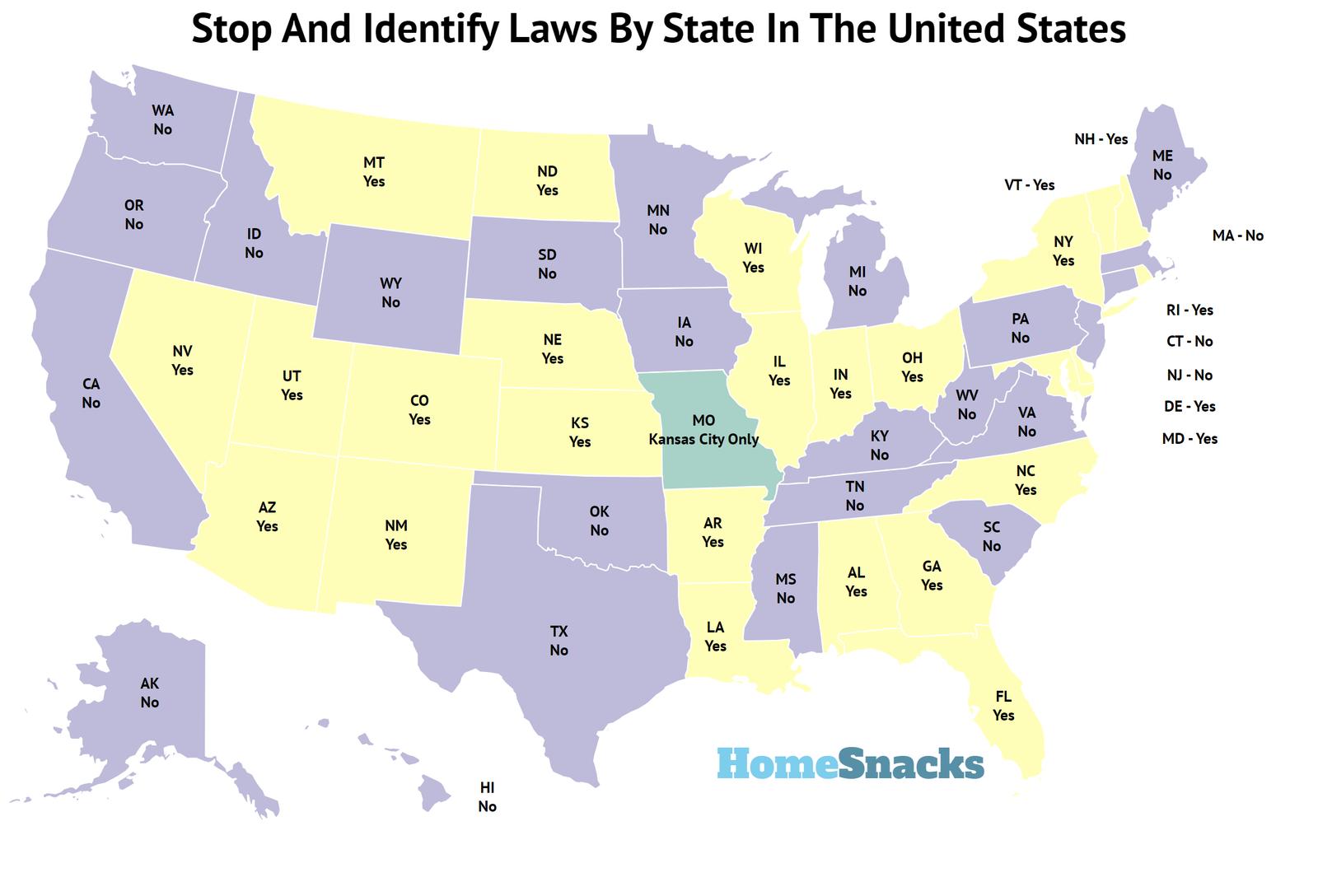
As Arizona is a “stop and identify” state, if the officer has a lawful reason to detain you and reasonably suspects you are involved in criminal activity, you are required to provide your true full name. You can politely state, “I am providing my name as required by Arizona law. I do not wish to answer any further questions.” It is also advisable to state that you do not consent to any searches of your person, belongings, or vehicle. You are not obligated to answer questions beyond providing your name and, in the case of a traffic stop, presenting your driver’s license, registration, and proof of insurance. Keep your hands visible and avoid making any sudden movements.
If you are not being detained, you are generally free to leave. You can ask, “Am I free to go?” If the officer confirms you are, you can calmly walk away. If you are driving, pull over safely and stay in your vehicle with your hands on the steering wheel until the officer instructs otherwise. Always carry a valid form of identification, such as a driver’s license or passport, especially when traveling. While you might not always be legally required to show a physical ID card (unless driving), having it readily available can often help resolve minor encounters more efficiently. Remember that federal agents, such as Border Patrol agents, operate under different authorities, especially in areas near international borders, and may have different protocols regarding identification. Awareness of these distinctions, particularly if traveling near Nogales or Yuma, is also beneficial.
When Identification is Required and When It’s Not
The requirement to provide identification in Arizona is not universal; it is highly dependent on the context of the interaction with law enforcement. The critical factor is “reasonable suspicion of criminal activity.” Without this, an officer generally cannot lawfully demand your identification or detain you. For instance, if you are simply visiting Tempe‘s vibrant downtown, hiking in the Sonoran Desert near Tucson, or admiring the Hoover Dam near the Colorado River, and you are not suspected of any wrongdoing, an officer cannot randomly stop you and ask for your ID. Your right to move freely is protected under the U.S. Constitution’s Fourth Amendment.
However, there are specific situations where identification is legally required, irrespective of reasonable suspicion of criminal activity. The most common scenario for travelers is a traffic stop. If you are operating a motor vehicle on Arizona roads, whether it’s a bustling freeway in Chandler or a scenic stretch of Route 66 near Kingman, you are legally obligated to present your driver’s license, vehicle registration, and proof of insurance upon request by a law enforcement officer. This is a standard requirement for all drivers and is not contingent on suspicion of other crimes. Similarly, if you are purchasing age-restricted goods like alcohol or tobacco, or entering certain venues, businesses can request identification to verify your age, and this is entirely separate from police powers.
It’s also important to differentiate between providing your name and providing a physical ID. While Arizona law mandates providing your name during a lawful investigatory stop, it does not explicitly require you to produce a physical ID card in non-driving contexts. Nonetheless, having a physical ID like a driver’s license or passport on hand is always recommended for convenience and to expedite interactions. Understanding these nuances empowers you to engage with law enforcement knowledgeably, ensuring your rights are protected while respecting the duties of officers, thereby contributing to a safer and more predictable travel environment across Arizona.
Broader Implications for Tourism and Lifestyle
Beyond the immediate legalities, Arizona’s “stop and ID” laws have broader implications for tourism, lifestyle choices, and the overall experience of living or vacationing in the state. For many, travel is about freedom and exploration, and understanding local regulations is an essential part of responsible tourism. It influences how visitors plan their trips, their sense of security, and their interactions with local communities and authorities. From budget travelers to those indulging in luxury resorts in Gilbert or Glendale, legal awareness is a universal component of a well-rounded travel strategy.
Ensuring a Smooth Trip: Preparation and Awareness
For any traveler heading to Arizona, preparation extends beyond booking hotels and planning itineraries to include a basic understanding of local laws. Knowing that Arizona is a “stop and identify” state allows visitors to be mentally prepared for potential interactions with law enforcement. This means always carrying a valid form of identification, whether it’s a driver’s license, state ID card, or passport. While not always legally required to present a physical ID in every non-driving stop, having it readily accessible can streamline any encounter and demonstrate cooperation.
Travelers should also be aware of the types of activities or behaviors that might lead to an officer having “reasonable suspicion.” This isn’t about fostering paranoia, but rather encouraging thoughtful and lawful conduct. For example, if visiting National Parks Service sites like Antelope Canyon or Lake Mead, adhering strictly to park rules and regulations can prevent any unwarranted attention. Similarly, enjoying nightlife in Peoria or Prescott responsibly and avoiding behaviors that could be construed as disorderly or illegal can help ensure a carefree experience. Education on basic rights, like the right to remain silent beyond providing identification, can empower travelers to navigate situations confidently. Travel guides, official state tourism websites, and legal aid resources can be excellent tools for pre-trip research, offering peace of mind that allows visitors to fully appreciate the natural beauty and cultural richness of Arizona. This proactive approach transforms potential legal ambiguities into clear guidelines, fostering a sense of security for all visitors.

The Intersection of Law and Lifestyle in the Grand Canyon State
The legal landscape concerning “stop and ID” laws in Arizona significantly intersects with the everyday lifestyle of its residents and the experiences of long-term visitors. For those considering moving to the state or engaging in extended stays for work or leisure, understanding these laws becomes even more pertinent. It forms part of the civic knowledge essential for participating in community life, from engaging in local activities in Sierra Vista to commuting through Phoenix’s extensive network of roads. This awareness is not just about avoiding legal trouble; it’s about fostering a respectful and informed relationship with local authorities, like the Department of Public Safety, and contributing to a harmonious society.
Moreover, the presence of these laws can subtly influence perceptions of safety and justice. For some, clear laws and enforcement provide a sense of order and security, while for others, they underscore the importance of civil liberties and careful police oversight. The balancing act between effective law enforcement and individual freedoms is a continuous dialogue within any democratic society, and Arizona’s stance on “stop and ID” is a component of that larger conversation. For tourists, this translates into a destination where legal boundaries are defined, which, when understood, can enhance the sense of security and freedom to explore. Whether one is enjoying the natural wonders, experiencing the vibrant culinary scene, or simply navigating daily life, an informed perspective on Arizona’s legal framework contributes to a more integrated and confident lifestyle within the Grand Canyon State. It empowers individuals to enjoy their journey fully, knowing they are prepared for various interactions and can assert their rights respectfully and effectively.
In conclusion, Arizona is indeed a “stop and identify” state, meaning that under specific circumstances of reasonable suspicion of criminal activity, law enforcement officers can lawfully request your identification. For travelers and residents alike, understanding this legal framework is crucial for responsible engagement with the justice system. By staying informed, carrying identification, and acting respectfully during interactions with law enforcement, visitors to Arizona can confidently enjoy all the state has to offer, from its breathtaking natural landmarks to its dynamic urban centers, ensuring their travel experience is as smooth and memorable as possible.
LifeOutOfTheBox is a participant in the Amazon Services LLC Associates Program, an affiliate advertising program designed to provide a means for sites to earn advertising fees by advertising and linking to Amazon.com. Amazon, the Amazon logo, AmazonSupply, and the AmazonSupply logo are trademarks of Amazon.com, Inc. or its affiliates. As an Amazon Associate we earn affiliate commissions from qualifying purchases.